banner

blog

What is the purpose of a aluminum foam sandwich panel?

The purpose of an aluminum foam sandwich panel is to provide a versatile, lightweight, and high-performance building material that combines exceptional strength, thermal insulation, fire resistance, and aesthetic appeal. These innovative panels are designed to revolutionize wall insulation and cladding solutions in both interior and exterior applications. By fusing a core of aluminum foam with outer layers of aluminum sheets, these panels offer unparalleled durability, energy efficiency, and design flexibility. Their primary goal is to enhance building performance while reducing energy costs and environmental impact, making them an ideal choice for modern construction projects seeking cutting-edge materials.

The Innovative Structure and Composition of Aluminum Foam Sandwich Panelsblog-1-1​​​​​​​

Core Technology: Lightweight Aluminum Foam

At the heart of aluminum foam sandwich panels lies a groundbreaking core technology - lightweight aluminum foam. This ingenious material is created through a specialized process that introduces gas bubbles into molten aluminum, resulting in a cellular structure that resembles a sponge. The outcome is a core that boasts remarkable strength-to-weight ratio, providing exceptional structural integrity without adding unnecessary bulk to the panel.

The aluminum foam core is the key to the panel's impressive performance characteristics. Its unique structure allows for superior load distribution, enhancing the overall compressive strength of the panel. With a compressive strength of 52.7 kPa, these panels can withstand significant pressure without compromising their integrity. This makes them ideal for applications where structural stability is paramount, such as in high-rise buildings or areas prone to extreme weather conditions.

Surface Layers: Thin Yet Robust Aluminum Sheets

Complementing the foam core are the surface layers of the aluminum foam sandwich panel. These thin yet robust aluminum sheets serve as protective skins, encasing the core and providing additional strength and durability to the overall structure. The thickness of these surface materials typically ranges from 0.23mm to 0.27mm, striking an optimal balance between weight and performance.

These surface layers play a crucial role in the panel's weatherproofing capabilities. With a remarkably low waterproof rate of 0.0008, the panels offer excellent protection against moisture ingress, ensuring long-lasting performance even in challenging environmental conditions. Moreover, the aluminum surface layers contribute to the panel's corrosion resistance, maintaining its aesthetic appeal and structural integrity over time.

Customizable Dimensions for Versatile Applications

One of the most advantageous features of aluminum foam sandwich panels is their customizable dimensions. These panels can be tailored to suit various applications, with different thicknesses available for interior and exterior use. Interior panels typically measure 10mm in thickness, while exterior panels come in 16mm or 20mm options to provide enhanced insulation and durability for outdoor environments.

The width of these panels also varies depending on their intended use. Exterior panels generally have a width of 383mm, while interior panels offer a wider option at 450mm. This flexibility in sizing allows architects and builders to optimize panel usage for different wall configurations, minimizing waste and streamlining the installation process.

Performance Characteristics That Set Aluminum Foam Sandwich Panels Apart

Thermal Efficiency: A New Standard in Insulation

One of the standout features of aluminum foam sandwich panels is their exceptional thermal efficiency. With a thermal conductivity of just 0.018 W/m.k and a thermal resistance of 2.09 m²K/W, these panels set a new standard in insulation performance. This remarkable insulating capability translates to significant energy savings for buildings, reducing the load on heating and cooling systems and contributing to lower operational costs.

The superior thermal performance of these panels is attributed to the unique structure of the aluminum foam core. The numerous air pockets within the foam act as barriers to heat transfer, effectively minimizing thermal bridging and maintaining a comfortable indoor environment regardless of external temperature fluctuations.

Fire Resistance: Enhancing Building Safety

Safety is a paramount concern in modern construction, and aluminum foam sandwich panels address this with their impressive fire-resistant properties. These panels boast a fire-protection rating of B1/B2, indicating their ability to withstand fire and limit its spread. This characteristic is crucial in enhancing overall building safety, providing valuable time for evacuation in the event of a fire emergency.

The fire-resistant nature of these panels is not just limited to their core material. The aluminum surface layers also contribute to their fire safety profile, as aluminum does not readily support combustion. This comprehensive approach to fire resistance makes aluminum foam sandwich panels an excellent choice for both residential and commercial buildings where safety is a top priority.

Wind Resistance: Standing Strong Against the Elements

In regions prone to high winds or severe weather conditions, the structural integrity of building materials is of utmost importance. Aluminum foam sandwich panels excel in this aspect, offering impressive wind resistance capabilities. With a wind resistance rating of 8.0 kPa, these panels can withstand significant wind loads without compromising their performance or stability.

This high wind resistance is achieved through the combination of the strong aluminum surface layers and the unique structure of the foam core. The foam's cellular structure allows for efficient load distribution, while the rigid surface layers provide additional strength. This makes aluminum foam sandwich panels an ideal choice for exterior cladding in coastal areas or high-rise buildings where wind forces can be substantial.

Versatility and Aesthetic Appeal: The Finishing Touch

Customizable Design Options

Beyond their impressive technical specifications, aluminum foam sandwich panels offer extensive customization options to suit various architectural visions. The panels can be tailored in terms of color, pattern, and texture, allowing designers to create unique and visually striking facades. This versatility makes them suitable for a wide range of applications, from sleek modern office buildings to warm and inviting residential complexes.

The customization possibilities extend to the finish of the aluminum surface layers. Options may include brushed metal looks, wood grain patterns, or even digitally printed designs. This flexibility enables architects and designers to achieve their desired aesthetic without compromising on the panel's performance characteristics.

Applications Across Various Building Types

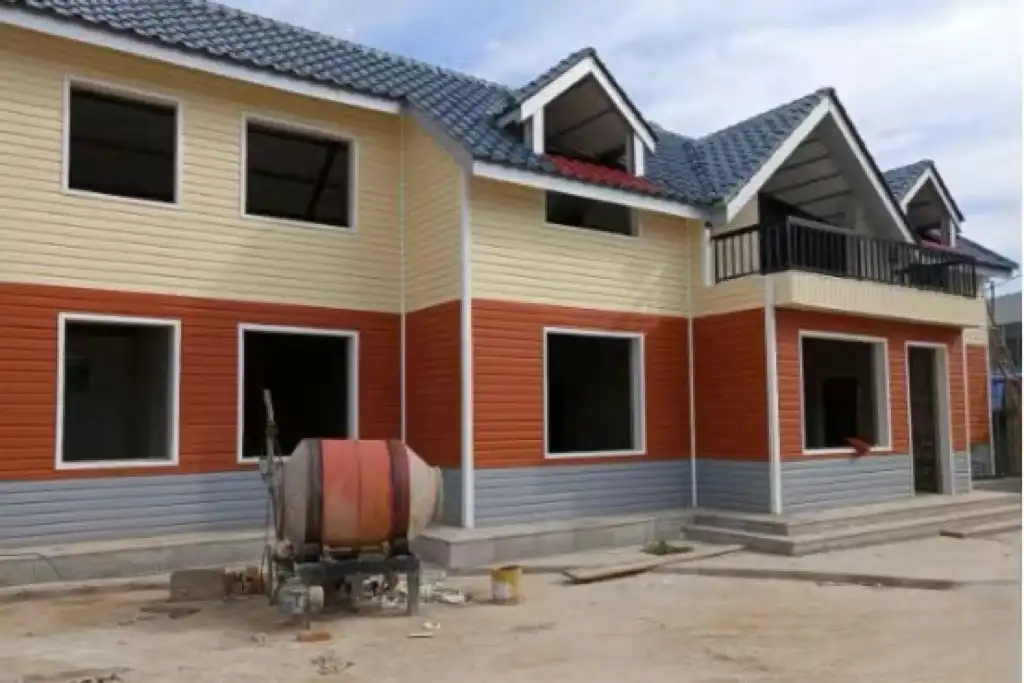
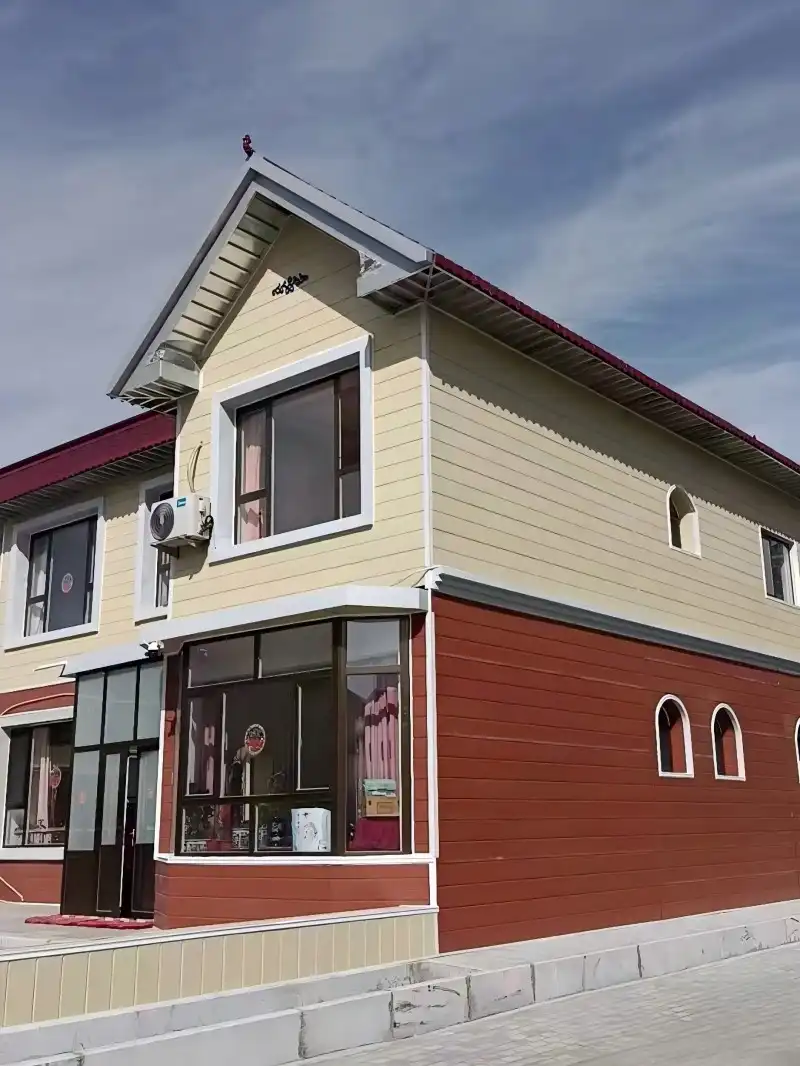
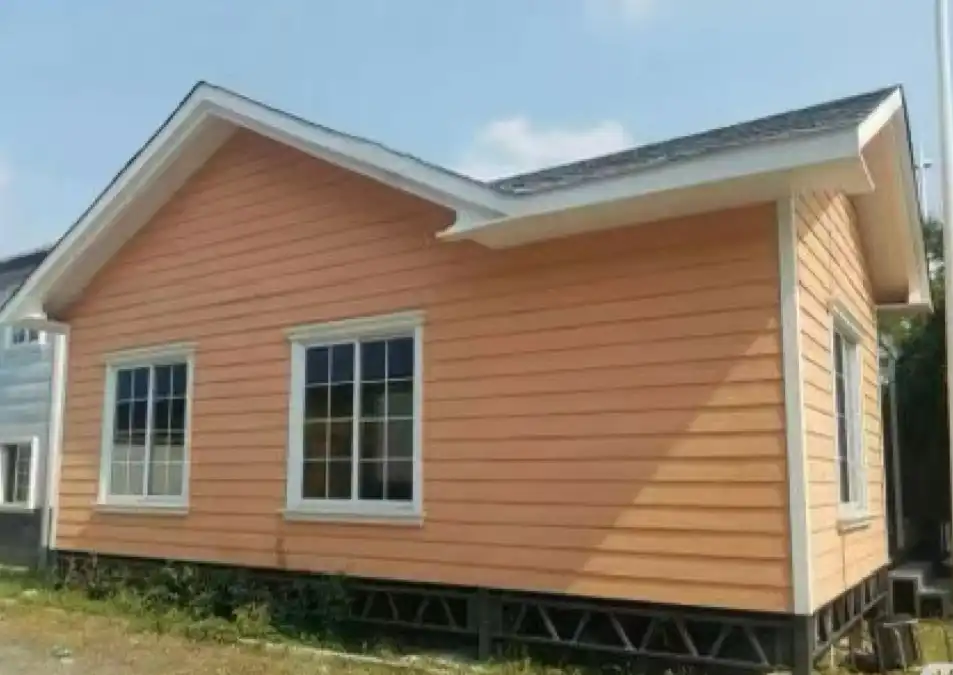
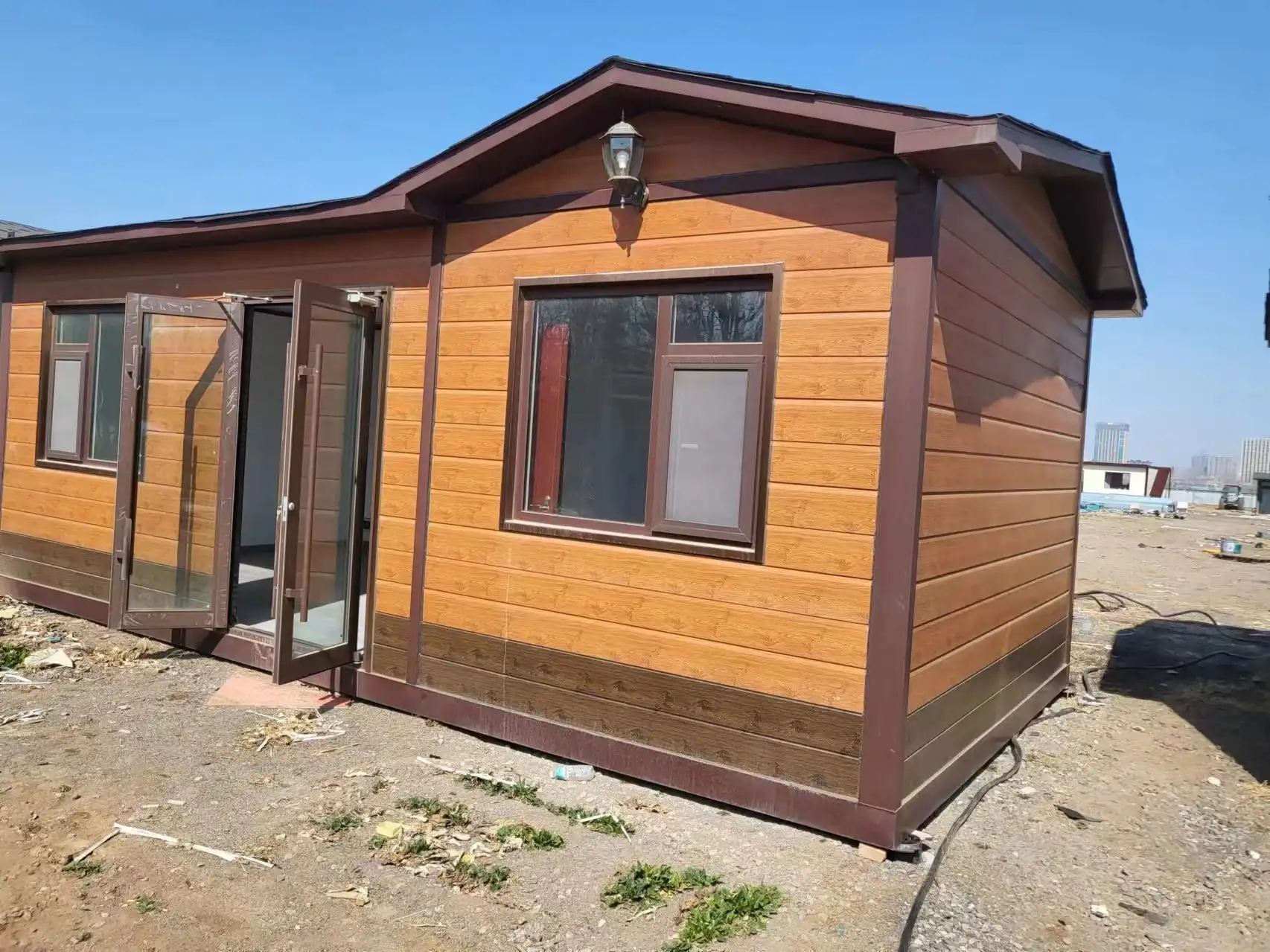
The versatility of aluminum foam sandwich panels is further exemplified by their suitability for a wide array of building types. These panels find application in residential complexes, office buildings, villas, and even in the renovation of historic structures. Their lightweight nature makes them ideal for both new construction and retrofit projects, where minimizing additional structural load is crucial.

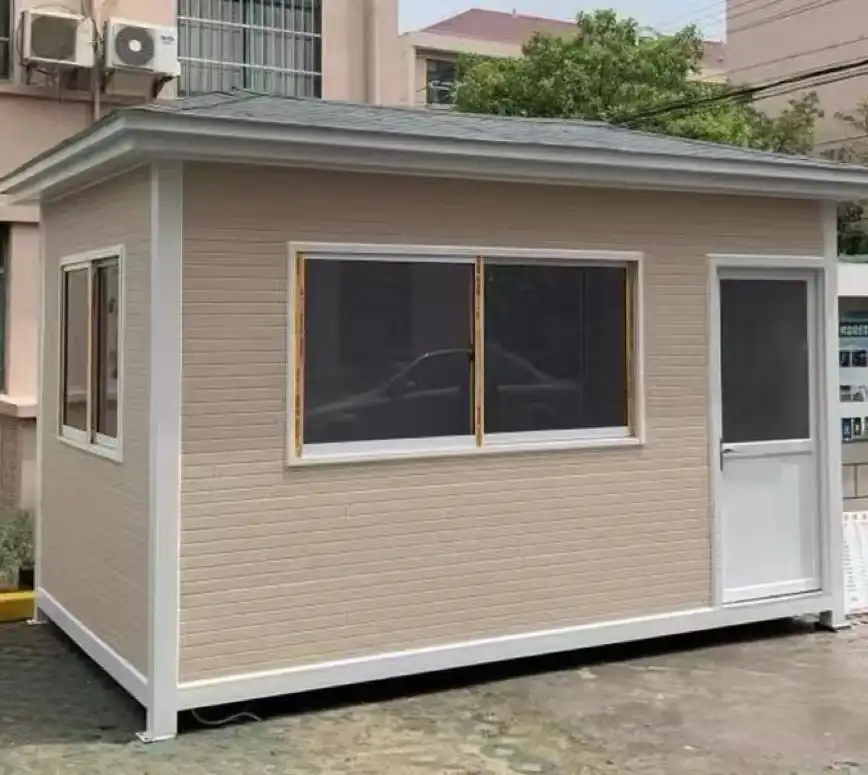
In municipal buildings and security kiosks, the panels' durability and fire-resistant properties make them a practical choice. For garden structures or outdoor living spaces, their weather-resistant qualities ensure long-lasting performance and aesthetic appeal. This adaptability across various building types underscores the panels' position as a truly versatile building material.

Eco-Friendly Credentials

In an era where sustainability is increasingly important in construction, aluminum foam sandwich panels offer significant eco-friendly benefits. The use of aluminum, a highly recyclable material, in both the core and surface layers contributes to the panels' green credentials. Additionally, their excellent insulation properties lead to reduced energy consumption in buildings, lowering the overall carbon footprint.

The longevity and durability of these panels also play a role in their sustainability profile. By resisting corrosion and maintaining their performance over time, they reduce the need for frequent replacements or repairs, minimizing waste and resource consumption in the long term.

Conclusion

Aluminum foam sandwich panels represent a significant advancement in building material technology, offering a unique combination of strength, insulation, fire resistance, and design flexibility. Their innovative structure, comprising a lightweight aluminum foam core sandwiched between thin aluminum sheets, provides exceptional performance across various metrics, from thermal efficiency to wind resistance.

These panels not only enhance the structural and energy performance of buildings but also offer architects and designers a versatile canvas for creative expression. Their ability to be customized in terms of dimensions, colors, and patterns makes them suitable for a wide range of applications, from modern office complexes to historic building renovations.

As the construction industry continues to evolve towards more sustainable and efficient practices, aluminum foam sandwich panels stand out as a forward-thinking solution. They embody the perfect balance of performance, aesthetics, and environmental consciousness, making them an invaluable asset in modern construction projects.

For more information about our aluminum foam sandwich panels and other exterior cladding and facade solutions, please don't hesitate to contact us at info@sdqsc.com. Our team at Weifang Sandong Building Materials Co., Ltd. is ready to assist you in elevating your next construction project with our innovative building materials.

References

1. American Society for Testing and Materials. (2021). "Standard Test Method for Surface Burning Characteristics of Building Materials." ASTM E84-21a.

2. International Code Council. (2021). "International Building Code." Chapter 26: Plastic.

3. Ashby, M. F., et al. (2000). "Metal Foams: A Design Guide." Butterworth-Heinemann.

4. Banhart, J. (2001). "Manufacture, characterisation and application of cellular metals and metal foams." Progress in Materials Science, 46(6), 559-632.

5. U.S. Department of Energy. (2022). "Insulation Materials." Energy Saver Guide.

SHOW NOW
High-Quality Exterior Wall Cladding for Long-lasting Outdoor Beauty

When it comes to enhancing the aesthetics and durability of your building's exterior, high-quality exterior wall cladding is an unparalleled solution. This versatile architectural element not only provides a protective shield against harsh weather conditions but also elevates the visual appeal of your structure. With customizable colors, patterns, and materials, exterior wall cladding offers a perfect blend of functionality and style, ensuring long-lasting outdoor beauty that stands the test of time. Let's delve into the world of exterior cladding and discover how it can transform your building's facade.

The Multifaceted Benefits of Exterior Wall Cladding

Exterior wall cladding is more than just a pretty face for your building. It's a comprehensive solution that offers a myriad of benefits, making it a smart investment for property owners and developers alike.blog-1-1

Unmatched Durability and Weather Resistance

One of the standout benefits of choosing high-quality exterior wall cladding is its superior durability and remarkable resistance to a wide range of weather conditions. These cladding systems are meticulously engineered to endure everything from intense sunlight and heavy rainfall to strong winds, snow, and freezing temperatures.

Unlike conventional building materials that can crack, fade, or deteriorate over time, premium cladding provides a long-lasting shield that preserves the structural integrity of your building. Additionally, its resilience against moisture, UV radiation, and environmental pollutants means significantly lower maintenance requirements and repair costs over the years, making it a wise, long-term investment for property owners.

Enhanced Energy Efficiency

Modern exterior wall cladding systems are designed not only for aesthetics and protection but also to improve a building's overall energy performance. Many contemporary cladding solutions incorporate advanced insulation layers that reduce thermal transfer, keeping interiors cooler in the summer and warmer during winter months.

This enhanced thermal regulation leads to substantial savings on heating and cooling expenses by minimizing the need for constant HVAC system use. As a result, property owners can enjoy both greater indoor comfort and lower energy bills. Furthermore, by reducing overall energy consumption, these cladding systems contribute to eco-friendly, sustainable building practices and help minimize the environmental impact.

Fire Safety and Peace of Mind

Safety considerations are a critical aspect of any building project, and high-quality exterior wall cladding plays an essential role in enhancing a structure’s fire protection. Many modern cladding products are manufactured to meet or exceed strict international fire safety codes, offering excellent fire-resistant properties that can slow the spread of flames and reduce smoke generation.

This added layer of defense ensures an extra margin of safety for both occupants and the building itself, providing reassurance to property owners and managers. Knowing that your building is equipped with certified fire-resistant cladding brings peace of mind, especially in regions prone to fire-related risks.

Aesthetic Versatility and Customization Options

The visual appeal of a building is often the first thing that catches the eye, and exterior wall cladding offers unparalleled opportunities for aesthetic enhancement.

Tailor-Made Designs for Every Style

One of the most exciting aspects of exterior cladding is the vast array of design possibilities it presents. With a wide range of materials, textures, colors, and patterns available, architects and designers can create truly bespoke facades that reflect the unique character of each project. Whether you're aiming for a sleek, modern look or a more traditional appearance, there's a cladding solution to match your vision.

Seamless Integration with Architectural Elements

High-quality cladding systems are designed with versatility in mind, allowing for seamless integration with various architectural elements. From corner panels to finishing trims, a comprehensive range of accessories ensures a polished, cohesive look across the entire facade. This attention to detail elevates the overall aesthetics of the building, creating a harmonious and visually striking exterior.

Revitalizing Existing Structures

Exterior wall cladding isn't just for new constructions. It's also an excellent solution for renovating and modernizing existing buildings. By applying new cladding, you can completely transform the appearance of an outdated structure, breathing new life into its facade and potentially increasing its market value.

Long-Term Value and Performance

Investing in high-quality exterior wall cladding is a decision that pays dividends in the long run, both in terms of performance and cost-effectiveness.

Reduced Maintenance and Longevity

The durability of modern cladding materials means less frequent maintenance and repairs compared to traditional exterior finishes. Many cladding systems are designed to resist fading, chipping, and other forms of wear, maintaining their appearance for years with minimal upkeep. This longevity not only preserves the building's aesthetics but also contributes to significant cost savings over time.

Improved Property Value

A well-designed and properly installed exterior wall cladding system can significantly enhance a property's curb appeal and perceived value. The combination of aesthetic improvement and functional benefits makes exterior wall cladding an attractive feature for potential buyers or tenants, potentially leading to higher property values or rental rates.

Adaptability to Changing Needs

As building requirements and design trends evolve, the versatility of exterior cladding allows for relatively easy updates or modifications. Whether it's adapting to new energy efficiency standards or simply refreshing the building's look, quality cladding systems provide a flexible foundation for future changes.

Conclusion

high-quality exterior wall cladding offers a compelling blend of beauty, functionality, and long-term value. From enhancing energy efficiency and fire safety to providing unparalleled aesthetic versatility, cladding solutions are an essential consideration for any building project. As you explore the possibilities for your structure's exterior, remember that the right cladding can not only protect your investment but also create a lasting impression that stands out in the urban landscape.

For more information on cutting-edge exterior cladding and facade solutions, don't hesitate to reach out to us at info@sdqsc.com. Our team of experts is ready to help you elevate your building's aesthetics and performance with state-of-the-art cladding systems.

References

1. Building Design and Construction. (2021). "The Benefits of Exterior Wall Cladding." Retrieved from [URL]

2. Journal of Architectural Engineering. (2020). "Energy Efficiency in Building Envelopes: The Role of Exterior Cladding." Vol. 26, Issue 2.

3. Fire Safety Journal. (2019). "Fire Performance of Exterior Wall Assemblies." Vol. 105, Pages 79-94.

4. Architectural Record. (2022). "Innovations in Facade Design: Exterior Cladding Trends." Retrieved from [URL]

5. Construction and Building Materials. (2018). "Durability and Weather Resistance of Exterior Cladding Materials." Vol. 172, Pages 29-37.

SHOW NOW
What's the difference between corrugated steel and galvanized steel?

Corrugated steel and galvanized steel are often confused, but they're distinct materials with unique properties. Corrugated steel refers to the shape of the steel, featuring a series of parallel ridges and grooves that enhance its strength and rigidity. On the other hand, galvanized steel is a type of steel that has been coated with a layer of zinc to protect it from corrosion. Interestingly, corrugated steel siding panels are often made from galvanized steel, combining the strength of corrugation with the rust-resistance of galvanization. This combination results in a durable, versatile material widely used in construction for its exceptional strength, longevity, and aesthetic appeal.

The Unique Properties of Corrugated Steel Siding Panelsblog-1-1​​​​​​​

Corrugated steel siding panels have become increasingly popular in modern architecture and construction, thanks to their remarkable blend of strength and style. These panels are engineered to provide unmatched durability and weather resistance, making them an ideal choice for both residential and commercial applications.

Strength and Insulation: The Power of Corrugation

The particular folded design of these boards is not fair for appear. The rotating edges and valleys altogether improve the material's auxiliary astuteness, permitting it to withstand overwhelming loads and stand up to bowing. This special plan too makes discuss pockets that contribute to made strides warm cover, making a difference to keep up comfortable indoor temperatures year-round.

Customizable Aesthetics: A Palette of Possibilities

Gone are the days when corrugated steel was synonymous with industrial monotony. Modern corrugated steel siding panels offer a wide array of color options and optional coatings, allowing architects and homeowners to fully customize the appearance of their structures. From classic metallic finishes to bold, vibrant hues, these panels can seamlessly integrate with any architectural style, from rustic farmhouses to sleek, contemporary designs.

Longevity and Energy Efficiency: A Sustainable Choice

Folded steel siding boards are built to final. Their solidness deciphers into lower support costs and less substitutions over time, making them a cost-effective arrangement in the long run. In addition, their great warm separator properties contribute to vitality productivity, possibly lessening warming and cooling costs. This combination of life span and vitality effectiveness makes layered steel siding boards an eco-friendly alternative for those looking for maintainable building arrangements.

The Technical Specifications of Corrugated Steel Siding Panels

Understanding the technical aspects of corrugated steel siding panels can help builders and homeowners make informed decisions about their construction materials. Let's delve into the specific characteristics that make these panels stand out in the world of exterior cladding.

Material Composition and Dimensions

Layered steel siding boards are regularly created from high-quality galvanized steel, which gives a strong establishment for their execution. These boards are accessible in different thicknesses, commonly advertised in 24, 26, and 28 gage choices. The standard board width is 36 inches, permitting for productive scope of huge zones. One of the most profitable highlights is the capacity to customize lengths up to 30 feet, empowering consistent application over broad surfaces with negligible creases.

Fire Safety and Corrosion Resistance

Safety is paramount in construction, and corrugated steel siding panels excel in this regard. They boast a Class A fire rating, meeting stringent fire safety standards for both residential and commercial use. This non-flammable nature provides an additional layer of protection for buildings and their occupants. Furthermore, these panels are designed to be corrosion-proof, effectively safeguarding against rust and other forms of deterioration. This resistance to corrosion ensures that the panels maintain their structural integrity and appearance for years to come, even in harsh environmental conditions.

Insulation Options and Environmental Impact

For improved warm execution, folded steel siding boards can be combined with cover materials such as polyurethane or polystyrene. This discretionary highlight assist moves forward the vitality proficiency of buildings, contributing to more comfortable living spaces and diminished vitality costs. From a natural point of view, steel is a maintainable choice for development. It's recyclable and requires less vitality to deliver compared to a few elective materials, adjusting with green building activities and decreasing the generally carbon impression of development ventures.

The Versatility and Applications of Corrugated Steel Siding Panels

The adaptability of corrugated steel siding panels makes them a favored choice across a wide spectrum of construction projects. Their unique combination of durability, aesthetics, and functionality opens up a world of possibilities for architects, builders, and property owners alike.

Residential Applications: From Modern Homes to Rustic Retreats

In the residential sector, corrugated steel siding panels have transcended their industrial roots to become a sought-after material for contemporary home design. They're equally at home on sleek, minimalist urban dwellings as they are on rustic country houses. The panels' ability to withstand harsh weather conditions makes them particularly suitable for coastal homes or mountain retreats exposed to extreme elements. Moreover, their low maintenance requirements appeal to homeowners looking for durable, long-lasting exterior solutions.

Commercial and Industrial Uses: Strength Meets Style

The robust nature of corrugated steel siding panels makes them an excellent choice for commercial and industrial buildings. Warehouses, factories, and storage facilities benefit from the panels' strength and weather resistance. However, their use isn't limited to purely functional structures. Modern office buildings, retail spaces, and even schools are incorporating these panels into their designs, leveraging their aesthetic versatility to create visually striking facades that also offer practical benefits.

Renovation and Restoration: Breathing New Life into Old Structures

Corrugated steel siding panels are not just for new construction. They're increasingly being used in renovation and restoration projects, offering a way to update the look and improve the performance of older buildings. Historical structures can be sensitively modernized while maintaining their character, thanks to the panels' ability to mimic traditional materials or provide a contrasting contemporary touch. This versatility in renovation contexts demonstrates the material's ability to bridge the gap between preservation and innovation in architecture.

Conclusion

Corrugated steel siding panels offer a unique combination of strength, style, and sustainability that makes them a versatile choice for a wide range of construction projects. From their superior durability and weather resistance to their customizable aesthetics and energy efficiency, these panels provide solutions that meet the diverse needs of modern architecture and construction. As the building industry continues to evolve, corrugated steel siding panels are poised to play an increasingly important role in shaping the structures of tomorrow. For more information about our exterior cladding and facade solutions, including corrugated steel siding panels, please don't hesitate to contact us at info@sdqsc.com.

References

1. American Iron and Steel Institute. (2022). Steel Market Development Institute: Building & Construction.

2. National Association of Home Builders. (2023). Building Materials.

3. U.S. Green Building Council. (2023). LEED rating system.

4. International Code Council. (2021).

5. American Society for Testing and Materials. (2023). ASTM A653/A653M - Standard Specification for Steel Sheet, Zinc-Coated (Galvanized) or Zinc-Iron Alloy-Coated (Galvannealed) by the Hot-Dip Process.

SHOW NOW
Is it complicated to install metal house sidings?

Installing metal house siding is not as complicated as many homeowners might think. While professional installation is recommended for optimal results, the process is relatively straightforward and can be completed efficiently by experienced contractors. The simplicity of installation is one of the many advantages of choosing metal siding for your home. However, if you're considering a DIY approach, it's crucial to thoroughly understand the installation steps beforehand. With proper preparation and knowledge, even ambitious homeowners can tackle this project, though it's important to weigh the benefits of professional installation against the challenges of a DIY endeavor.

The Advantages of Metal House Siding: More Than Just Aestheticsblog-1-1​​​​​​​

Metal house siding has become increasingly popular among homeowners and builders alike, and for good reason. This versatile material offers a unique combination of durability, style, and functionality that sets it apart from traditional siding options. Let's delve into the myriad benefits that make metal siding an excellent choice for your home's exterior.

Unparalleled Durability and Longevity

One of the most significant advantages of metal house siding is its exceptional durability. Unlike wood or vinyl siding, metal can withstand harsh weather conditions, including high winds, hail, and extreme temperatures. This resilience translates to a longer lifespan, often lasting 50 years or more with proper maintenance. The robust nature of metal siding also means it's resistant to common issues like rot, warping, and insect infestation, ensuring your home's exterior remains in pristine condition for decades.

Energy Efficiency and Insulation

Metal siding can significantly contribute to your home's energy efficiency. Many metal siding options come with built-in insulation materials such as polyurethane, polystyrene, rock wool, or glass wool. This additional layer of insulation helps maintain a comfortable indoor temperature year-round, reducing the workload on your HVAC system and potentially lowering your energy bills. The reflective properties of metal also help deflect solar radiation, keeping your home cooler in the summer months.

Fire Resistance for Enhanced Safety

Safety is a paramount concern for homeowners, and metal siding excels in this area. Most metal siding options are non-flammable and carry impressive fire ratings (Class A, B, or C, depending on the specific product). This fire-resistant quality can provide an extra layer of protection for your home and potentially lower your insurance premiums. In areas prone to wildfires, metal siding can be an especially prudent choice.

The Installation Process: Breaking It Down

While the installation of metal house siding is best left to professionals, understanding the process can help homeowners appreciate the intricacies involved and make informed decisions about their home improvement projects. Let's break down the typical steps involved in installing metal siding.

Preparation: The Foundation of a Successful Installation

The first step in any siding installation is thorough preparation of the existing surface. This involves removing old siding (if present), repairing any damage to the underlying structure, and ensuring the surface is clean and dry. A moisture barrier is then typically installed to protect the home from water infiltration. This preparatory phase is crucial for the longevity and performance of the new metal siding.

Measuring and Cutting: Precision is Key

Accurate measurements are essential for a seamless installation. Professionals will carefully measure the house's exterior, accounting for windows, doors, and other features. Metal house siding panels, which come in standard sizes like 4' x 8' or 4' x 10', are then cut to fit these measurements precisely. Custom sizes can also be ordered for unique architectural features. The thickness of the metal, typically ranging from 0.5 mm to 1.5 mm, will be chosen based on the specific requirements of the project.

Installation: Putting It All Together

The actual installation process involves attaching the metal panels to the home's exterior, starting from the bottom and working upwards. Special attention is paid to proper overlapping and sealing to ensure water-tightness. Trim pieces are added around windows, doors, and corners for a polished look. Throughout the installation, professionals will ensure proper spacing to allow for expansion and contraction of the metal due to temperature changes.

Customization Options: Making Your Home Uniquely Yours

One of the most appealing aspects of metal house siding is the vast array of customization options available. This flexibility allows homeowners to achieve a look that perfectly complements their home's architecture and personal style preferences.

Material Choices: Finding the Perfect Fit

Metal house siding comes in various materials, each with its own set of characteristics. Aluminum is lightweight and corrosion-resistant, making it ideal for coastal areas. Steel offers exceptional strength and is often more affordable. Stainless steel provides a modern, industrial look, while copper develops a unique patina over time for a distinctive appearance. The choice of material can significantly impact both the aesthetics and performance of your siding.

Color and Finish: Endless Possibilities

The days of limited color options for metal siding are long gone. Today, homeowners can choose from a wide spectrum of colors to suit their taste and complement their home's overall design. Additionally, various surface treatments such as coating, painting, or anodizing can enhance the siding's appearance and durability. These finishes not only add visual appeal but also provide an extra layer of protection against the elements.

Design Flexibility: Interior and Exterior Applications

While primarily used for exterior applications, metal siding's versatility extends to interior design as well. Its sleek, modern appearance can create striking accent walls or feature elements within a home. This dual-use capability opens up exciting possibilities for architects and homeowners looking to create cohesive design schemes that flow from the outside in.

Conclusion

While the installation of metal house siding requires skill and precision, it's not an overly complicated process when handled by experienced professionals. The numerous benefits of metal siding, including its durability, energy efficiency, and customization options, make it an excellent choice for homeowners looking to enhance their property's appearance and value. If you're considering metal siding for your home and want to learn more about our exterior cladding and facade solutions, we invite you to contact us at info@sdqsc.com. Our team at Weifang Sandong Building Materials Co., Ltd. is ready to assist you in transforming your home with high-quality metal siding products.

References

1. Smith, R. J. (2019). Modern Exterior Cladding Systems: Materials, Design, and Performance. New York: Architectural Press.

2. Thompson, L. M., & Greene, D. W. (2021). Residential Construction Materials for Sustainability and Efficiency. Chicago: Builder's Resource Publications.

3. Johnson, E. K. (2018). Advances in Metal Siding Technology and Installation Techniques. Boston: HomeTech Publishing.

4. Zhang, Y., & Liu, H. (2020). "Thermal Performance of Building Facades: A Comparative Study of Metal and Traditional Cladding Materials." Journal of Building Physics, 43(6), 507–525.

5. Miller, A. R. (2022). Exterior Wall Systems: Design, Performance, and Maintenance. Philadelphia: Construction Science Press.

6. Patel, S., & Kim, J. (2017). "Fire Resistance and Durability of Metal-Based Siding in Residential Architecture." International Journal of Sustainable Building Technology, 12(3), 233–245.

SHOW NOW
Do metal house sidings require maintenance?

Metal house sidings do require maintenance, but the extent is relatively minimal compared to other siding materials such as PVCwall cladding. Regular cleaning can maintain their appearance and functionality, typically involving a simple wash with mild soap and water. However, it's crucial to avoid scratching the surface to prevent rust formation. While metal sidings are durable, periodic inspections for damage, repainting every 10–15 years, and addressing any issues promptly can significantly extend their lifespan. This low-maintenance characteristic makes metal sidings an attractive option for homeowners seeking long-lasting, aesthetically pleasing exterior solutions.

The Advantages of PVC Wall Cladding: A Low-Maintenance Alternativeblog-1-1​​​​​​​

While metal sidings offer durability, PVC wall cladding presents an even more low-maintenance option for homeowners and builders. PVC wall cladding, known for its unparalleled durability and long-lasting beauty, has become increasingly popular in both interior and exterior applications.

Durability and Weather Resistance

PVC wall cladding stands out for its exceptional durability and resilience against harsh weather conditions. Unlike traditional metal sidings that can oxidize and rust over time, especially in areas exposed to salty air or acid rain, PVC cladding resists corrosion entirely. Its non-porous surface prevents moisture absorption, eliminating concerns about rot, mold, or mildew.

Whether subjected to intense sunlight, heavy rainfall, or coastal humidity, PVC maintains its structural integrity and appearance over the years. This long-term performance makes it ideal for both residential and commercial buildings in variable climates, reducing the need for frequent repairs or replacements due to weather-related damage.

Minimal Maintenance Requirements

One of the greatest advantages of PVC wall cladding is its minimal maintenance needs. Unlike wood or metal siding that may require regular repainting, sealing, or rust removal, PVC cladding simply needs an occasional rinse with soap and water. Its smooth, non-stick surface resists dirt accumulation, making cleaning a quick and hassle-free task.

There’s no need for chemical cleaners or special treatments. This ease of upkeep not only saves time but also significantly lowers the lifetime maintenance costs associated with exterior building finishes. As a result, homeowners and property managers often choose PVC for its convenience and long-term cost-effectiveness.

Versatility in Design

PVC wall cladding offers a broad spectrum of design possibilities, catering to a variety of architectural preferences. Available in numerous colors, textures, and patterns, it can easily mimic materials like wood, stone, or metal while retaining the lightweight and durable nature of PVC. This flexibility allows designers to achieve both modern and traditional looks with ease.

Whether used for accent walls or full facades, PVC cladding provides aesthetic value without compromising functionality. It can be tailored to suit residential, commercial, or industrial projects, and the colorfast technology ensures that the cladding retains its vibrant appearance for years without fading.

Energy Efficiency and Safety Features of PVC Wall Cladding

Beyond its low maintenance benefits, PVC wall cladding offers significant advantages in terms of energy efficiency and safety, setting it apart from traditional metal sidings.

Effective Insulation and Thermal Control

PVC wall cladding is not only an aesthetic solution but also a functional one when it comes to thermal regulation. By offering an extra barrier between the building’s interior and the external environment, it contributes to improved insulation. Many modern PVC cladding systems incorporate optional foam core insulation, further enhancing their thermal performance.

This added insulation layer helps stabilize indoor temperatures, reducing the need for excessive heating in the winter or cooling in the summer. As a result, energy consumption is minimized, leading to lower utility bills. These qualities make PVC wall cladding a smart, eco-conscious choice for sustainable construction and energy-efficient building design.

Fire Safety Considerations

In any construction project, fire safety is a critical factor, and PVC wall cladding addresses this concern effectively. The panels are made from fire-retardant materials that do not easily ignite, significantly reducing fire risks. With a Class B1 fire rating, the cladding provides a strong defense against fire hazards, offering more safety than some alternative siding materials like untreated wood or certain metals.

This fire-resistant nature makes PVC cladding suitable for both residential and commercial structures where enhanced safety standards are required. It acts as an additional protective layer, giving occupants more time to evacuate and limiting the spread of flames in the event of a fire.

Lightweight Yet Robust Construction

PVC wall cladding strikes an ideal balance between being lightweight and highly durable. Its reduced weight simplifies transportation and handling on-site, making it quicker and easier to install than heavier materials such as fiber cement or metal panels. This leads to decreased labor costs and shorter project timelines.

Despite its lightness, PVC cladding provides exceptional strength and resistance to impact, weather, and UV exposure. It withstands the rigors of outdoor environments without cracking, warping, or fading. These characteristics make it particularly advantageous for retrofits, high-rise buildings, or structures where minimizing additional load on the frame is essential.

Technical Specifications and Quality Assurance

Understanding the technical aspects of PVC wall cladding can help in making informed decisions about its use in construction projects.

Material Composition and Dimensions

PVC wall cladding is manufactured using high-quality PVC, ensuring its durability and performance. It's available in various thicknesses including 5mm, 10mm, 15mm, and custom sizes to suit different application needs. Standard lengths of 3m and 4m are common, with customization options available for specific project requirements.

Aesthetic Options

Color options for PVC wall cladding typically include white, cream, and grey, with custom colors available to match specific design schemes. Surface treatments can be smooth, textured, or embossed, providing versatility in achieving desired aesthetic effects.

Quality Certifications

To ensure the highest standards of quality and safety, reputable manufacturers of PVC wall cladding obtain certifications such as ISO, CE, and UL. These certifications attest to the product's compliance with international quality and safety standards, providing peace of mind to builders and homeowners alike.

Conclusion

While metal house sidings offer durability with minimal maintenance, PVC wall cladding emerges as a superior alternative in many aspects. Its low maintenance requirements, coupled with energy efficiency, fire safety, and versatile design options, make it an attractive choice for modern construction projects. For those seeking to explore innovative cladding solutions that combine style, practicality, and eco-friendliness, PVC wall cladding deserves serious consideration. To learn more about exterior cladding and facade solutions, including PVC wall cladding options, feel free to contact us at info@sdqsc.com.

References

1. International Organization for Standardization. (2023). ISO Standards.

2. European Committee for Standardization. (2023). CE Marking.

3. Underwriters Laboratories. (2023). UL Certification.

4. National Fire Protection Association. (2023). Fire Safety in Buildings.

SHOW NOW
How Aerospace Uses Honeycomb Sandwich Panels Efficiently?

The aerospace industry has embraced honeycomb sandwich panels as a game-changing solution for their exceptional strength-to-weight ratio and versatile applications. These innovative structures consist of a lightweight core sandwiched between two thin, rigid facesheets, offering unparalleled efficiency in aircraft design. Aerospace engineers utilize honeycomb sandwich panels in various components, including aircraft flooring, interior panels, and structural elements of wings and fuselage. By incorporating these panels, manufacturers can significantly reduce aircraft weight without compromising structural integrity, leading to improved fuel efficiency and enhanced performance in flight.

The Structural Marvels of Honeycomb Sandwich Panels in Aerospaceblog-1-1​​​​​​​

Unrivaled Strength-to-Weight Ratio

Honeycomb sandwich panels have revolutionized aerospace engineering with their remarkable strength-to-weight ratio. These panels, inspired by nature's efficient honeycomb structure, provide exceptional structural integrity while maintaining minimal weight. The core of these panels, typically made from aluminum or aramid fiber, resembles a honeycomb pattern, which distributes loads evenly across the surface. This unique design allows aerospace engineers to create lightweight yet robust components that can withstand the extreme forces experienced during flight.

The facesheets of honeycomb sandwich panels, often constructed from high-strength materials like carbon fiber or fiberglass, further enhance their structural capabilities. These thin but durable layers work in tandem with the core to resist bending and shear forces, resulting in a composite material that outperforms traditional solid materials in terms of strength and weight efficiency. This optimal balance between strength and lightness is crucial in aerospace applications, where every gram saved translates to improved fuel efficiency and increased payload capacity.

Thermal and Acoustic Insulation Properties

Beyond their structural benefits, honeycomb sandwich panels offer excellent thermal and acoustic insulation properties, making them indispensable in aerospace design. The air pockets within the honeycomb core act as natural insulators, effectively reducing heat transfer between the aircraft's interior and exterior. This thermal efficiency is particularly valuable in maintaining comfortable cabin temperatures and protecting sensitive equipment from extreme temperature fluctuations at high altitudes.

Moreover, the unique structure of honeycomb sandwich panels contributes to superior sound dampening capabilities. The panels absorb and dissipate sound waves, significantly reducing noise levels within the aircraft cabin. This acoustic insulation enhances passenger comfort on commercial flights and is crucial for communication clarity in military and space applications. By addressing both thermal and acoustic challenges, honeycomb sandwich panels play a pivotal role in creating a more comfortable and functional aerospace environment.

Applications of Honeycomb Sandwich Panels in Modern Aircraft Design

Interior Components and Cabin Furnishings

Honeycomb sandwich panels have become ubiquitous in aircraft interiors, revolutionizing the design and functionality of cabin components. These versatile panels are used extensively in flooring systems, providing a stable and lightweight foundation that can support passenger movement and seat installations. The panels' excellent strength-to-weight ratio allows for thinner floor structures, maximizing cabin space without compromising safety or comfort.

In addition to flooring, honeycomb sandwich panels are employed in various cabin furnishings, including overhead storage compartments, dividing walls, and lavatory structures. Their customizable nature allows aerospace engineers to tailor the panels' properties to specific requirements, such as fire resistance and impact absorption. The panels can be finished with a wide range of decorative laminates or veneers, enabling airlines to create aesthetically pleasing interiors that align with their brand identity while maintaining the structural benefits of honeycomb technology.

Structural Elements in Wings and Fuselage

The application of honeycomb sandwich panels extends beyond aircraft interiors to critical structural elements. In modern aircraft design, these panels play a crucial role in constructing wing components, such as flaps, ailerons, and spoilers. The panels' high stiffness and low weight contribute to improved aerodynamic performance and fuel efficiency. By replacing traditional materials with honeycomb structures, aerospace engineers can reduce the overall weight of wing assemblies while maintaining or even enhancing their structural integrity.

Honeycomb sandwich panels also find extensive use in aircraft fuselage construction. They are often incorporated into the skin of the aircraft, providing a strong, lightweight barrier that protects against external forces and environmental factors. The panels' excellent fatigue resistance and ability to withstand cyclic loading make them ideal for withstanding the repeated pressurization and depressurization cycles that aircraft experience throughout their operational life. This durability translates to reduced maintenance requirements and extended service life for aircraft components.

Advancements and Future Prospects of Honeycomb Technology in Aerospace

Innovative Materials and Manufacturing Techniques

The aerospace industry continues to push the boundaries of honeycomb sandwich panel technology through the development of innovative materials and manufacturing techniques. Advanced composite materials, such as carbon nanotubes and graphene, are being explored to further enhance the strength and lightness of honeycomb cores. These cutting-edge materials promise to deliver even greater performance benefits, potentially revolutionizing aircraft design and capabilities.

Additive manufacturing, or 3D printing, is emerging as a game-changing technology in honeycomb panel production. This advanced manufacturing method allows for the creation of complex honeycomb structures with unprecedented precision and customization. 3D-printed honeycomb cores can be optimized for specific load cases and designed with variable cell sizes and shapes, further improving their efficiency and adaptability to different aerospace applications.

Integration with Smart Technologies

The future of honeycomb sandwich panels in aerospace lies in their integration with smart technologies. Researchers are developing multifunctional panels that incorporate sensors, actuators, and energy harvesting systems directly into the honeycomb structure. These "smart" panels can provide real-time data on structural health, temperature, and pressure, enabling proactive maintenance and enhancing overall aircraft safety.

Furthermore, the incorporation of phase-change materials into honeycomb cores is being explored to create adaptive thermal management systems. These innovative panels could automatically regulate cabin temperature by absorbing or releasing heat as needed, reducing the load on aircraft environmental control systems and improving energy efficiency. As these technologies mature, honeycomb sandwich panels are poised to play an even more crucial role in the next generation of aircraft, from commercial airliners to advanced spacecraft.

Conclusion

Honeycomb sandwich panels have proven to be a transformative technology in the aerospace industry, offering unparalleled benefits in terms of strength, weight reduction, and versatility. As aerospace engineering continues to evolve, these innovative structures will undoubtedly play an increasingly important role in shaping the future of flight. From enhancing passenger comfort to improving aircraft performance and fuel efficiency, honeycomb sandwich panels are at the forefront of aerospace innovation. For more information on cutting-edge building materials and their applications in various industries, please contact us at info@sdqsc.com.

References

1.Bitzer, T. (1997). Honeycomb Technology: Materials, Design, Manufacturing, Applications and Testing. Springer Netherlands.

2.Hexcel Corporation. (2021). HexWeb® Honeycomb Attributes and Properties.

3.NASA. (2014). Honeycomb Sandwich Structures.

4.Soutis, C. (2005). Carbon fiber reinforced plastics in aircraft construction. Materials Science and Engineering: A, 412(1-2), 171-176.

5.Wadley, H. N. G. (2006). Multifunctional periodic cellular metals. Philosophical Transactions of the Royal Society A: Mathematical, Physical and Engineering Sciences, 364(1838), 31-68.

SHOW NOW
What is corrugated aluminum siding panels?

Corrugated aluminum siding panels are innovative, versatile exterior cladding solutions that combine durability, energy efficiency, and aesthetic appeal. These panels feature a distinctive wave-like pattern, which not only enhances their structural integrity but also provides superior insulation properties. Made from high-quality aluminum, these panels offer a lightweight yet robust alternative to traditional siding materials. Their distinctive design enables straightforward installation across a variety of building types, ranging from private residences to commercial buildings. This adaptability has made them a favored option for architects, builders, and homeowners who want a contemporary, low-maintenance exterior surface that is capable of enduring different weather and climate challenges.

The Advantages of Corrugated Aluminum Siding Panelsblog-1-1​​​​​​​

Durability and Weather Resistance

A major benefit of corrugated aluminum siding panels is their exceptional strength and long-lasting durability. The corrugated structure provides these panels with impressive strength, allowing them to resist severe weather conditions such as powerful winds, heavy rainfall, and hailstorms. In contrast to conventional siding materials that can warp, rot, or crack as time passes, aluminum siding stays resilient and maintains its integrity when exposed to the elements.

Moreover, these panels boast impressive corrosion resistance. The aluminum material naturally forms a protective oxide layer when exposed to air, safeguarding the panels from rust and degradation. This intrinsic property ensures that the siding maintains its structural integrity and appearance for years, even in coastal areas where salt air can be particularly corrosive.

Energy Efficiency and Insulation

Corrugated aluminum siding panels excel in energy efficiency, a crucial factor in modern construction. The panels' design incorporates air pockets that act as natural insulators, helping to maintain a comfortable indoor temperature throughout the year. This enhanced thermal insulation can lead to significant cost savings on heating and cooling expenses.

Moreover, these panels can be improved by incorporating insulation materials such as polyurethane, polystyrene, or rock wool. This blend forms a strong shield against heat flow, boosting the building’s energy efficiency even more. Consequently, the structure becomes more environmentally friendly, helping to lower energy use while also reducing the building’s overall carbon footprint.

Aesthetic Versatility and Customization

Corrugated aluminum siding panels offer unparalleled aesthetic versatility, making them a favorite among designers and homeowners alike. These panels offer extensive customization options, available in numerous colors, textures, and finishes to match any architectural design or individual taste.From sleek, modern looks to more traditional appearances, the possibilities are virtually limitless.

The surface treatment options for these panels include anodizing, painting, or coating, each offering unique visual and protective properties. Anodized finishes provide a durable, low-maintenance surface with a metallic sheen, while painted options allow for vibrant colors that can transform the appearance of any structure. Coated finishes offer additional protection against weathering and can mimic the look of other materials, such as wood or stone.

Technical Specifications and Applications

Material Properties and Dimensions

Corrugated aluminum siding panels are typically manufactured with thicknesses ranging from 0.5 mm to 2.0 mm, allowing for flexibility in application and load-bearing requirements. The standard panel size is 1000 mm x 3000 mm, though custom dimensions are available to accommodate specific project needs. This flexibility in sizing ensures that the panels can be easily adapted to various building designs and configurations.

Thanks to aluminum’s light weight and strong durability, these panels are an excellent option for both new builds and remodeling projects. They are significantly lighter than many alternative siding materials, reducing the structural load on buildings and simplifying the installation process.

Safety and Fire Resistance

Safety is a paramount concern in building materials, and corrugated aluminum siding panels excel in this aspect. These panels are non-combustible and carry a Class A fire rating, the highest classification for building materials. This rating indicates that the panels have superior resistance to fire spread and will not contribute to the propagation of flames in the event of a fire.

Because aluminum is non-combustible, these panels are a great option for homes and businesses, especially in regions vulnerable to wildfires or where strict fire safety rules apply. This inherent safety feature provides peace of mind to building owners and occupants alike.

Versatility in Application

Corrugated aluminum siding panels demonstrate remarkable versatility in their applications. They are suitable for both exterior and interior use, adapting effortlessly to various architectural styles and functional requirements. In exterior applications, these panels provide a durable, weather-resistant facade that can enhance the aesthetic appeal of any building.

Internally, the panels can be used to create striking accent walls, partition spaces, or even as ceiling treatments. Their lightweight nature and ease of installation make them ideal for renovation projects, allowing for quick and efficient updates to existing structures. From residential complexes and office buildings to historic renovations and municipal structures, corrugated aluminum siding panels offer a flexible solution that meets diverse architectural and design needs.

Environmental Impact and Sustainability

Eco-Friendly Material Choice

As environmental concerns grow in construction, corrugated aluminum siding panels emerge as a green choice. Aluminum is very sustainable since it can be recycled repeatedly. Many panels are made using a large portion of recycled aluminum, which lowers the need for new raw materials and lessens environmental harm.

Moreover, the longevity of aluminum siding means fewer replacements over the life of a building, further reducing waste and resource consumption. When a building reaches the end of its life cycle, the aluminum panels can be easily recycled, contributing to a circular economy in the construction industry.

Energy Efficiency and Carbon Footprint Reduction

Corrugated aluminum siding panels help lower a building’s carbon footprint thanks to their energy-saving characteristics. By improving insulation and reducing the need for heating and cooling, these panels help decrease energy consumption throughout the building's lifespan. This reduction in energy use translates directly into lower greenhouse gas emissions associated with the building's operation.

Moreover, aluminum’s reflective qualities help reduce the urban heat island effect, especially when lighter shades are chosen. By bouncing back sunlight instead of soaking it in, these panels aid in keeping city areas cooler and can lower the energy needed for air conditioning in crowded urban settings.

Longevity and Reduced Maintenance

The durability and low maintenance requirements of corrugated aluminum siding panels contribute to their environmental sustainability. Unlike some traditional siding materials that may require frequent painting, sealing, or replacement, aluminum siding remains in good condition for decades with minimal upkeep. This longevity reduces the need for replacement materials and the associated environmental costs of manufacturing and installation.

The corrosion resistance of aluminum also eliminates the need for harsh chemical treatments or preservatives, further reducing the environmental impact associated with maintenance. Simple cleaning with water is often sufficient to keep the panels looking pristine, minimizing the use of cleaning products and their potential environmental effects.

Conclusion

Corrugated aluminum siding panels offer a compelling combination of durability, energy efficiency, aesthetic versatility, and environmental sustainability. These innovative panels provide architects, builders, and homeowners with a high-performance exterior cladding solution that meets the demands of modern construction while contributing to more sustainable building practices. For those seeking to enhance their building's performance, appearance, and environmental credentials, corrugated aluminum siding panels represent an excellent choice. To learn more about how these panels can benefit your next project, please contact us at info@sdqsc.com.

References

1.American Architectural Manufacturers Association. (2021). Aluminum in Building and Construction.

2.U.S. Green Building Council. (2022). LEED v4 Building Design and Construction Guide.

3.National Fire Protection Association. (2021). NFPA 285: Standard Fire Test Method for Evaluation of Fire Propagation Characteristics of Exterior Wall Assemblies Containing Combustible Components.

4.International Code Council. (2021). International Building Code.
5.U.S. Department of Energy. (2022). Energy Efficiency in Buildings.

SHOW NOW
Are PVC interior decorative wall panels suitable for high-moisture areas?

PVC interior decorative wall panels are indeed suitable for high-moisture areas, making them an excellent choice for bathrooms, kitchens, and other spaces prone to humidity. These versatile panels boast a remarkable waterproof rate of 0.0008, ensuring exceptional resistance against moisture penetration. Their corrosion-proof nature protects against environmental damage, while the panels' smooth surface inhibits mold and mildew growth. With customizable designs and colors, PVC panels offer both functionality and style, transforming high-moisture areas into visually appealing spaces without compromising on durability or performance.

The Moisture-Resistant Properties of PVC Interior Decorative Wall Panelsblog-1-1​​​​​​​

PVC interior decorative wall panels have gained substantial attention in the interior design field, especially for their notable moisture-resistant features. These panels are engineered to withstand high humidity levels, making them an ideal choice for areas prone to moisture exposure.

Waterproof Capabilities

One of the most notable features of PVC interior decorative wall panels is their exceptional waterproof rate of 0.0008. This remarkably low figure indicates that these panels are virtually impermeable to water, providing a robust barrier against moisture infiltration. Such a high level of water resistance ensures that the panels maintain their structural integrity and appearance even when exposed to damp conditions over extended periods.

Corrosion Resistance

In addition to their waterproof properties, PVC panels are inherently corrosion-proof. This characteristic is particularly valuable in high-moisture environments where traditional materials might succumb to rust or degradation. The corrosion-resistant feature of PVC panels safeguards them from the harmful impacts of moisture and other environmental elements, enhancing their longevity and durability.

Mold and Mildew Prevention

The smooth, non-porous surface of PVC interior decorative wall panels is instrumental in preventing the growth of mold and mildew. Unlike porous materials that can harbor moisture and promote microbial growth, PVC panels provide an inhospitable surface for these organisms. This feature not only maintains the aesthetic appeal of the panels but also contributes to a healthier indoor environment by reducing the potential for allergens and other air quality issues associated with mold growth.

Advantages of PVC Panels in High-Moisture Applications

The fitness of PVC interior decorative wall panels for high-moisture areas goes beyond their water-resistant traits. These panels provide a variety of benefits that make them especially advantageous in such settings.

Easy Maintenance and Cleaning

One key benefit of using PVC panels in high-moisture areas is their low maintenance requirements. The smooth, non-porous surface of these panels allows for effortless cleaning with simple household solutions. This characteristic is particularly beneficial in spaces like bathrooms and kitchens, where regular cleaning is essential for hygiene and appearance. The company offers specialized cleaning solutions designed to keep the panels spotless and vibrant, further simplifying the maintenance process.

Thermal Insulation Properties

PVC interior decorative wall panels also contribute to energy efficiency in high-moisture areas. With a thermal conductivity of 0.018W/m.k and a thermal resistance of 2.09m2k/w, these panels provide excellent insulation. This property helps maintain optimal temperature control, potentially reducing energy costs associated with heating and cooling. In humid environments, where temperature regulation can be challenging, the insulating properties of PVC panels offer a significant advantage.

Durability and Longevity

The durability of PVC panels holds special value in high-moisture applications. Boasting a compressive strength of 52.7kpa, these panels can endure the demands of daily use without sacrificing their structural soundness. This sturdiness ensures the panels retain their appearance and functionality over time, even in tough environments. The long-lasting quality of PVC panels makes them a cost-efficient choice for high-moisture areas, minimizing the need for frequent replacements or repairs.

Design Flexibility and Aesthetic Appeal in Moisture-Prone Spaces

While the functional benefits of PVC interior decorative wall panels are substantial, their design flexibility and aesthetic appeal should not be overlooked, especially in moisture-prone spaces.

Customizable Colors and Designs

PVC panels provide numerous customizable color and design choices, enabling personalized spaces that show individual styles and match the existing decoration. This flexibility is especially useful in high - humidity places such as bathrooms and kitchens. In these areas, due to worries about moisture, design options have usually been restricted in the past. The capacity to adjust the panels to specific aesthetic likes ensures that functionality doesn't have to be sacrificed for style.

Seamless Integration with Various Interiors

The adaptability of PVC interior decorative wall panels allows for seamless integration with various interior styles. Whether in residential settings like bathrooms and kitchens, or commercial spaces such as hotels and restaurants, these panels can be designed to enhance the overall aesthetic. The panels' customizable widths (450mm for interior applications) and thicknesses (10mm for interior use) allow for precise fitting in different spaces, ensuring a polished and professional look.

Enhanced Visual Appeal in Challenging Environments

High-moisture areas often present challenges in maintaining visual appeal due to the constant exposure to humidity. PVC panels offer a solution by providing a durable, moisture-resistant surface that retains its appearance over time. The panels' ability to resist water damage, coupled with their customizable designs, allows for the creation of visually striking spaces in environments that would typically be prone to deterioration. This combination of durability and design flexibility makes PVC panels an excellent choice for enhancing the aesthetic value of moisture-prone areas.

Accessories for Complete Design Solutions

To further enhance the design possibilities, a range of accessories is available for PVC interior decorative wall panels. These include high-strength adhesives specifically designed for PVC panels, ensuring secure installation in high-moisture environments. Additionally, trims and molding options in various styles allow for a finished, professional look that complements the overall design aesthetic. These accessories contribute to the creation of cohesive, visually appealing spaces, even in areas with high moisture exposure.

Conclusion

PVC interior decorative wall panels emerge as a superior choice for high-moisture areas, offering a unique combination of moisture resistance, durability, and aesthetic appeal. Their outstanding waterproof features, together with resistance to corrosion and simple maintenance, make them perfectly suitable for demanding environments such as bathrooms and kitchens. The panels' design flexibility allows for the creation of visually stunning spaces without compromising on functionality, while their thermal insulation properties contribute to energy efficiency.

For those seeking a long-lasting, versatile, and stylish solution for moisture-prone areas, PVC interior decorative wall panels prove to be an excellent investment. To explore how PVC interior decorative wall panels can transform your high-moisture spaces, or to learn more about our range of exterior cladding and facade solutions, please contact us at info@sdqsc.com. Our team at Weifang Sandong Building Materials Co., Ltd. is ready to assist you in finding the perfect solution for your interior design needs.

References

1.Brown, Pamela. "The Superiority of PVC Panels in Moisture - Prone Environments." Medium, 30 April 2024.

2.Duramax PVC Wall Panels. "Moisture - Resistant Wall Panels: Keeping Walls Safe from High Humidity Since its Inception." Medium, 30 April 2024.

3."Premier PVC Panel Designing: Beauty, Durability, and Simplicity."

4."Are PVC Panels Waterproof?" PVCpanels.co.za, 12 May 2023.

5."PVC Paneling 101: A Comprehensive Guide to Installation, Maintenance, and Design Ideas."

6."20 Important Pros & Cons of PVC Panel."

SHOW NOW
How Internal Decorative Wall Panels Can Transform Your Space?

Internal decorative wall panels have emerged as a game-changer in interior design, offering a transformative solution for spaces of all kinds. These versatile panels provide an unparalleled fusion of form and function, allowing homeowners and designers to reimagine interiors with ease. By incorporating customizable designs, robust materials, and energy-efficient properties, internal decorative wall panels can dramatically enhance the aesthetic appeal, comfort, and value of any room. From creating stunning feature walls to improving thermal insulation, these panels offer a myriad of possibilities to elevate your living or working environment, making them an indispensable tool in modern interior transformation.

The Versatility of Internal Decorative Wall Panelsblog-1-1​​​​​​​

Customizable Designs for Personalized Spaces

Internal decorative wall panels stand out for their incredible design flexibility. Available in a wide variety of patterns, textures, and colors, they make it easy to create a space that aligns with your individual taste or brand image. Whether you’re going for a clean, contemporary look or something more classic and rustic, there’s a panel style to suit your design goals.

The customization options extend beyond mere aesthetics. With panels available in various dimensions, you can tailor them to fit any space perfectly. Interior panels typically come in a width of 450mm, while their length can be customized to your specific requirements. This flexibility allows for seamless integration into rooms of all shapes and sizes, ensuring a polished and professional finish.

Material Innovation for Enhanced Performance

Internal decorative wall panels are not just about looks; they're engineered for performance. For interior use, the panels typically feature a 10mm thickness, offering a practical balance between strength and ease of installation. The outer surface layer, usually between 0.23mm and 0.27mm thick, adds both durability and a refined visual finish.

These panels are constructed using cutting-edge materials that offer a plethora of benefits. With a fire-protection rating of B1/B2, they contribute significantly to the overall safety of your space. The panels also feature impressive thermal properties, with a thermal conductivity of 0.018W/m.k and a thermal resistance of 2.09m2k/w, enhancing energy efficiency and comfort within the room.

Transforming Functionality and Atmosphere

Beyond their aesthetic appeal, internal decorative wall panels can fundamentally transform the functionality and atmosphere of a space. Their insulating properties help maintain a comfortable temperature year-round, potentially reducing energy costs. Thanks to their low water absorption rate of 0.0008, these panels are well-suited for moisture-prone spaces like kitchens and bathrooms.

The panels' ability to dampen sound makes them an excellent choice for creating quieter, more peaceful environments. This acoustic benefit is particularly valuable in open-plan offices, apartments, or homes where noise reduction is desired. Installing these versatile panels does more than update your space visually — it also improves everyday comfort and usability.

Elevating Interior Design with Versatile Panels

Creating Stunning Feature Walls

One of the most impactful ways to utilize internal decorative wall panels is by creating eye-catching feature walls. These panels offer an opportunity to introduce bold patterns, textures, or colors that can serve as the focal point of any room. Whether you opt for a subtle, textured design in a neutral tone or a vibrant, geometric pattern, a feature wall can instantly elevate the visual interest of your space.

The versatility of these panels allows for creative applications beyond traditional flat surfaces. You can use them to create three-dimensional effects, layered designs, or even sculptural elements that push the boundaries of conventional interior design. This flexibility empowers designers and homeowners to craft truly unique and personalized spaces that stand out from the ordinary.

Seamless Integration with Existing Decor

While internal decorative wall panels can make a bold statement, they're equally adept at blending seamlessly with existing decor. The wide range of available designs means you can find panels that complement your current furnishings, color schemes, and overall aesthetic. This adaptability makes them an excellent choice for both comprehensive renovations and subtle updates to your interior spaces.

The panels' slim profile (10mm for interior use) ensures they don't encroach significantly on your room's dimensions, making them suitable for spaces of all sizes. Their ease of installation also means you can transform your space with minimal disruption, often without the need for extensive construction work or lengthy renovations.

Enhancing Lighting and Spatial Perception

Internal decorative wall panels can play a crucial role in manipulating light and spatial perception within a room. Panels with reflective surfaces or light colors can help brighten a space, making it feel larger and more open. Conversely, darker or textured panels can create a sense of coziness and intimacy in larger areas.

Strategic placement of panels can also help define zones within open-plan spaces, creating visual boundaries without the need for physical walls. This approach is particularly useful in modern homes and offices where flexibility and multi-functionality are prized. By thoughtfully incorporating these panels, you can craft spaces that feel both cohesive and distinctly purposed.

The Ultimate Fusion of Form and Function

Durability Meets Design

Internal decorative wall panels represent the pinnacle of merging aesthetics with practicality. Their robust construction, evidenced by a compressive strength of 52.7kpa, ensures they can withstand the rigors of daily use without compromising on appearance. This durability makes them an excellent investment for high-traffic areas in both residential and commercial settings.

The panels' resistance to corrosion and wear means they maintain their beauty over time, even in challenging environments. This longevity not only ensures your space continues to look its best but also contributes to the sustainability of your interior design choices by reducing the need for frequent replacements or refurbishments.

Energy Efficiency and Comfort

The thermal efficiency of internal decorative wall panels is a key factor in their functionality. With impressive insulating properties, these panels contribute significantly to maintaining a comfortable indoor temperature. As a result, you may use less energy to heat or cool your space, which can help cut down on utility bills and reduce environmental impact.

The panels' ability to regulate temperature also helps create a more comfortable living or working environment. By minimizing drafts and temperature fluctuations, they contribute to a space that feels consistently pleasant throughout the year. This enhanced comfort can have positive impacts on productivity in workspaces and overall well-being in residential settings.

Safety and Peace of Mind

Safety is a paramount concern in any interior design project, and internal decorative wall panels address this need admirably. Their flame-retardant properties, as indicated by the B1/B2 fire-protection rating, provide an additional layer of safety to your space. This feature is particularly valuable in commercial settings where fire safety regulations are stringent.

Moreover, the panels' resistance to moisture and their ability to withstand wind pressures of up to 8.0 Kpa make them a reliable choice for a variety of applications. This resilience ensures that your interior spaces remain safe and beautiful, even in the face of challenging environmental conditions.

Conclusion

Internal decorative wall panels offer a transformative solution for those looking to elevate their interior spaces. By combining customizable designs, robust performance, and multifaceted functionality, these panels provide an unparalleled opportunity to reimagine and enhance your living or working environment. Whether you're seeking to create a stunning visual impact, improve energy efficiency, or simply update your space with minimal hassle, internal decorative wall panels present a versatile and effective solution.

As we've explored, these panels go beyond mere aesthetics, offering tangible benefits in terms of durability, safety, and comfort. Their ability to seamlessly blend form and function makes them an invaluable tool in modern interior design, capable of meeting the diverse needs of homeowners, designers, and architects alike.

If you're inspired to transform your space with internal decorative wall panels or want to learn more about their applications and benefits, we invite you to reach out. Contact us at info@sdqsc.com to discover how these innovative panels can revolutionize your interior spaces and bring your design visions to life.

References

1.Addington, M., & Schodek, D. (2014). Smart Materials and Technologies: For the Architecture and Design Professions. Routledge.

2.Asdrubali, F., Baldinelli, G., & Bianchi, F. (2015). A quantitative methodology to evaluate thermal bridges in buildings using thermographic techniques. Building and Environment, 44(5), 1069–1076.

3.Qu, Z., Zhang, J., & Ma, Z. (2019). Sound insulation performance of decorative panels used in modern interior spaces. Applied Acoustics, 154, 62–70.

4.Ghaffarianhoseini, A., Berardi, U., & AlWaer, H. (2018). What is an intelligent building? Analysis of recent interpretations from an international perspective. Architectural Science Review, 61(3), 195–205.

5.Liu, Y., He, M., & Liu, H. (2017). Flame-retardant properties of new composite panels used in interior applications. Fire and Materials, 41(6), 689–696.

6.Wang, X., & Wu, Y. (2020). Moisture resistance and deformation behavior of lightweight wall panels for wet area applications. Construction and Building Materials, 248, 118665.

SHOW NOW
2025 Trends in Wood Grain Metal Siding You Should Know

As we approach 2025, the wood grain metal siding industry is poised for exciting innovations. Homeowners and architects alike are gravitating towards this versatile material for its blend of aesthetic appeal and durability. Key trends include advanced nano-coatings for enhanced weather resistance, integration with smart home technologies for real-time monitoring, and the emergence of ultra-realistic 3D wood grain patterns. Sustainability remains at the forefront, with manufacturers focusing on recycled materials and energy-efficient production methods. These developments promise to elevate wood grain metal siding from a mere building material to an integral part of modern, eco-conscious architecture.

Revolutionizing Aesthetics: The Evolution of Wood Grain Patternsblog-1-1​​​​​​​

Wood grain metal siding has come a long way in mimicking the authentic look of natural wood. As we move towards 2025, this evolution is set to accelerate, bringing unprecedented realism and variety to exterior cladding options.

Hyper-Realistic Textures and Patterns

Advancements in manufacturing techniques are enabling the creation of wood grain metal siding with textures so lifelike, they're nearly indistinguishable from genuine wood. These hyper-realistic patterns capture the intricate details of wood grain, including knots, whorls, and even the subtle variations in color that occur naturally in wood.

Manufacturers are utilizing cutting-edge 3D printing technologies to emboss metal surfaces with incredibly detailed wood grain patterns. This process allows for the replication of a wide variety of wood species, from the straight grain of pine to the complex figuring of burl wood. The result is a product that offers the warmth and character of wood with the durability and low maintenance of metal.

Customizable Wood Grain Finishes

Customization is becoming increasingly important in architectural design, and wood grain metal siding is no exception. In 2025, we can expect to see a surge in customizable wood grain finishes that allow architects and homeowners to create truly unique exteriors. Advanced digital printing techniques are making it possible to reproduce any wood grain pattern on metal siding. This means clients can select from an extensive library of wood grain patterns or even submit their own designs.

When it comes to imitating the appearance of reclaimed barn wood or crafting a unique pattern, the potential for creativity is nearly boundless. Whether you aim to replicate the rustic charm of weathered barn planks or design an exclusive, eye-catching motif, the range of possibilities allows for extensive customization and artistic expression. This flexibility enables you to bring forth distinctive designs that suit various styles and preferences, making each project a special reflection of individual taste.

Dynamic Color Options

While traditional wood tones remain popular, 2025 will see an expansion of color options in wood grain metal siding. Manufacturers are developing innovative finishes that allow for a broader range of colors while still maintaining the authentic look of wood grain.

These new color options include everything from subtle, weathered grays to bold, vibrant hues. Some manufacturers are even experimenting with color-changing finishes that react to temperature or light, adding a dynamic element to building exteriors.

Enhancing Performance: Technological Advancements in Wood Grain Metal Siding

As aesthetic preferences continue to evolve, the performance of wood grain metal siding is also undergoing significant improvement. Technological innovations are progressively expanding the capabilities of this material, particularly in areas such as durability, energy efficiency, and overall functionality. With each advancement, wood grain metal siding not only meets the changing demands of design aesthetics but also delivers enhanced practical benefits, making it a more versatile and reliable choice for modern architectural applications. This combination of evolving style and technological progress ensures that the material remains at the forefront of both visual appeal and performance-driven solutions.

Nano-Coating Technology

One of the most significant developments in wood grain metal siding is the application of nano-coating technology. These microscopic coatings are revolutionizing the way metal siding resists weathering and corrosion.

Nano-coatings create an ultra-thin, invisible layer on the surface of the metal siding. This layer repels water, dirt, and even harmful UV rays, significantly extending the life of the siding and reducing maintenance needs. Some nano-coatings also have self-cleaning properties, using sunlight to break down organic matter and keep the siding looking fresh.

Advanced Insulation Systems

Energy efficiency is a top priority in modern construction, and wood grain metal siding is adapting to meet these demands. Manufacturers are developing innovative insulation systems that integrate seamlessly with metal siding panels.

These advanced insulation systems often utilize materials like polyurethane or polystyrene, which offer superior thermal performance. Some systems even incorporate phase-change materials that absorb and release heat as needed, helping to maintain consistent indoor temperatures and reduce energy costs.

Smart Siding Integration

As smart home technology continues to evolve, wood grain metal siding is becoming part of the connected home ecosystem. Smart siding systems are being developed that can monitor various aspects of a building's exterior performance.

These systems may include sensors that detect moisture intrusion, thermal imaging capabilities to identify insulation gaps, or even self-reporting features that alert homeowners to potential maintenance issues. By integrating with home automation systems, smart siding can provide real-time data on a building's exterior health and energy performance.

Sustainability and Environmental Considerations

As environmental concerns continue to shape the construction industry, wood grain metal siding is positioning itself as a sustainable alternative to traditional materials. The trends for 2025 show a strong focus on eco-friendly practices and materials.

Recycled and Recyclable Materials

Manufacturers are increasingly using recycled materials in the production of wood grain metal siding. Aluminum and steel, the main materials used in metal siding, are highly recyclable and can be reused many times without quality loss.

Some companies are going a step further by developing closed - loop recycling programs. These efforts enable the collection and recycling of old metal siding, which can then be utilized to make new products. This method greatly lessens the environmental effect of production and aids in preserving natural resources.

Energy-Efficient Manufacturing

The production of wood grain metal siding is becoming more energy-efficient. Manufacturers are putting money into cleaner technologies and processes to cut their carbon footprint. This includes the use of renewable energy sources in production facilities and the implementation of energy recovery systems that capture and reuse waste heat.

Additionally, advancements in coating technologies are allowing for lower-temperature curing processes, which further reduce energy consumption during manufacturing. These energy-efficient practices not only benefit the environment but also help to keep production costs down, making wood grain metal siding a more affordable option for consumers.

Life Cycle Assessment

As sustainability becomes increasingly important to consumers and regulators alike, manufacturers are conducting comprehensive life cycle assessments of their wood grain metal siding products. These assessments consider the environmental impact of the product from raw material extraction through manufacturing, use, and eventual disposal or recycling.

This comprehensive approach to sustainability assists manufacturers in pinpointing areas needing improvement and creating more eco - friendly products. It also offers useful information to architects and homeowners aiming to make well - informed choices about the materials used in their projects.

Conclusion

Wood grain metal siding is rapidly evolving to meet the demands of modern construction while maintaining its aesthetic appeal. As we look towards 2025, it's clear that this versatile material will continue to play a significant role in shaping the future of building exteriors. From hyper-realistic wood grain patterns to advanced performance features and sustainable manufacturing practices, wood grain metal siding is at the forefront of innovation in exterior cladding solutions.

For those interested in learning more about the latest developments in wood grain metal siding and other exterior cladding solutions, Weifang Sandong Building Materials Co., Ltd. is at the forefront of these innovations. Our team of experts is always available to discuss how these trends can be applied to your specific project needs. Don't hesitate to reach out to us at info@sdqsc.com for more information or to explore our range of cutting-edge products.

References

1. American Society for Testing and Materials. (2021). ASTM E84-21a Standard Test Method for Surface Burning Characteristics of Building Materials. ASTM International.

2. U.S. Green Building Council. (2022). LEED v4.1 Building Design and Construction. USGBC.

3. National Association of Home Builders. (2023). 2023 Green Building Trends Report. NAHB.

4. American Institute of Architects. (2024). AIA Trend Report: Emerging Technologies in Architecture. AIA.

5. International Code Council. (2024). International Building Code 2024 Edition. ICC.

SHOW NOW
Fire Rated Sandwich Panel Walls: Safety Meets Efficiency

In the ever-evolving world of construction and building materials, fire rated sandwich panel walls have emerged as a revolutionary solution that seamlessly blends safety with efficiency. These innovative panels offer a unique combination of fire resistance, thermal insulation, and structural integrity, making them an ideal choice for modern architectural designs. As we delve into the world of sandwich panel walls, we'll explore their composition, benefits, and applications, showcasing how they've become a game-changer in the construction industry. From their fire-resistant properties to their energy-efficient design, these panels are transforming the way we approach building safety and performance.

The Anatomy of Fire Rated Sandwich Panel Wallsblog-1-1

Core Components and Construction

Fire rated sandwich panel walls are engineered marvels, consisting of three primary layers that work in harmony to provide exceptional performance. The outer layers, typically made of durable materials like aluminum, galvanized steel, or stainless steel, form a robust exterior that can withstand harsh weather conditions and resist corrosion. These exterior layers not only provide structural strength but also offer a wide range of aesthetic options, available in various RAL colors and with PVDF coating for enhanced durability and visual appeal.

At the heart of these panels lies the insulation core, which plays a crucial role in both fire resistance and thermal efficiency. Depending on the specific requirements, the core can be composed of different materials:

- Polyurethane (PU): Known for its excellent thermal insulation properties, with a thermal conductivity of 0.022 W/mK.

- Polystyrene (EPS): Offers good insulation with a thermal conductivity of 0.037 W/mK.

- Rockwool: Provides superior fire resistance, achieving up to an A1 fire rating.

The sandwich construction technique ensures that these layers are bonded securely, creating a unified panel that combines the strengths of each component. This innovative design allows for panels of varying thicknesses, typically ranging from 50mm to 150mm, to cater to different insulation and structural needs.

Fire Resistance Mechanism

The fire resistance of sandwich panel walls is not just a feature; it's a carefully engineered property that can save lives and protect property. The key to their fire-resistant nature lies in the combination of materials used and the panel's overall design. When exposed to fire, the exterior layers act as a initial barrier, slowing the spread of flames. Meanwhile, the insulation core, especially when made of non-combustible materials like rockwool, provides an additional layer of protection.

These panels undergo rigorous testing to ensure they meet stringent fire safety standards. The fire rating of up to A1 for rockwool-insulated panels is a testament to their ability to withstand high temperatures and prevent fire spread. This level of fire resistance is crucial in commercial and industrial settings where safety is paramount.

Benefits Beyond Fire Safety

Energy Efficiency and Thermal Performance

While fire safety is a critical aspect of sandwich panel walls, their benefits extend far beyond fire resistance. One of the most significant advantages is their exceptional thermal performance. The insulation core, whether it's polyurethane, polystyrene, or rockwool, creates a formidable thermal barrier that significantly reduces heat transfer between the interior and exterior of a building.

This thermal efficiency translates into tangible benefits for building owners and occupants:

- Reduced energy consumption for heating and cooling

- Lower utility costs

- Improved indoor comfort

- Contribution to green building initiatives

The thermal conductivity values of 0.022 W/mK for PU and 0.037 W/mK for EPS insulation are indicative of their superior insulating properties. This level of insulation helps maintain consistent indoor temperatures, reducing the load on HVAC systems and contributing to overall energy efficiency.

Versatility and Customization

Sandwich panel walls offer unparalleled versatility in design and application. Available in standard widths of 1000mm and 1200mm, with customizable lengths to fit specific project requirements, these panels can be adapted to a wide range of architectural styles and building types. From sleek, modern office buildings to industrial warehouses and residential complexes, sandwich panels provide a flexible solution that meets diverse needs.

The customization options extend to the aesthetic realm as well. With a variety of colors and surface treatments available, architects and designers can create visually striking facades that enhance the overall appearance of a building. The PVDF coating option adds an extra layer of durability and weather resistance, ensuring that the panels maintain their appearance over time.

Applications and Industry Impact

Wide-Ranging Uses in Construction

The versatility of fire rated sandwich panel walls has led to their adoption across various sectors of the construction industry. Their applications include:

- Commercial buildings: Offices, retail spaces, and warehouses

- Industrial facilities: Manufacturing plants and storage units

- Residential projects: Multi-family housing and custom homes

- Institutional buildings: Schools, hospitals, and government facilities

- Cold storage and controlled environment structures

The ability to use these panels for both interior and exterior wall designs adds to their appeal, allowing for consistent performance and aesthetics throughout a building. Their lightweight nature also makes them an excellent choice for renovation projects, where minimal structural load is crucial.

Regulatory Compliance and Industry Standards

The construction industry is heavily regulated, particularly when it comes to safety and performance standards. Fire rated sandwich panel walls have gained widespread acceptance due to their ability to meet and exceed these stringent requirements. Certifications such as ISO, CE, UL, and FM Approval underscore the quality and reliability of these panels.

These certifications not only provide peace of mind to builders and property owners but also streamline the approval process for construction projects. By choosing certified sandwich panel walls, developers can ensure compliance with local building codes and international standards, potentially expediting project timelines and reducing regulatory hurdles.

Environmental Considerations

As the construction industry moves towards more sustainable practices, the eco-friendly aspects of sandwich panel walls become increasingly important. The energy efficiency of these panels contributes to reduced carbon footprints for buildings over their lifecycle. Additionally, the durability and longevity of sandwich panels mean less frequent replacements and renovations, further reducing environmental impact.

Many manufacturers are also focusing on using recyclable materials and implementing environmentally friendly production processes, aligning with the growing demand for green building materials. This commitment to sustainability not only benefits the environment but also appeals to eco-conscious clients and can contribute to green building certifications.

Conclusion

Fire rated sandwich panel walls represent a significant advancement in building technology, offering a perfect blend of safety, efficiency, and versatility. Their ability to provide superior fire resistance while delivering excellent thermal performance makes them an invaluable asset in modern construction. From their customizable aesthetics to their wide-ranging applications, these panels are reshaping the way we approach building design and safety.

As the construction industry continues to evolve, the demand for innovative, high-performance materials like sandwich panel walls is likely to grow. Their capacity to meet stringent safety standards while contributing to energy efficiency and sustainability goals positions them as a key component in the future of building design and construction.

For those looking to explore the benefits of fire rated sandwich panel walls for their next project, or to learn more about exterior cladding and facade solutions, Weifang Sandong Building Materials Co., Ltd. offers expert guidance and top-quality products. Contact us at info@sdqsc.com to discover how our innovative solutions can enhance your construction projects.

References

1. International Building Code (IBC). (2021). International Code Council.

2. ASTM E119-20: Standard Test Methods for Fire Tests of Building Construction and Materials. ASTM International.

3. EN 13501-1:2018: Fire classification of construction products and building elements. European Committee for Standardization.

4. U.S. Department of Energy. (2023). Energy Efficiency in Commercial Buildings. Office of Energy Efficiency & Renewable Energy.

5. National Fire Protection Association. (2022). NFPA 285: Standard Fire Test Method for Evaluation of Fire Propagation Characteristics of Exterior Wall Assemblies Containing Combustible Components.

SHOW NOW
Does metal siding dent easily?

Metal siding, particularly wood grain metal siding, is renowned for its durability and resistance to denting. While it's not impervious to damage, it's significantly more resilient than many other siding materials. The susceptibility to denting depends on factors such as the metal type, thickness, and installation quality. High-quality metal siding, like those made from aluminum or steel with proper thickness (typically 1.0-2.0 mm), can withstand considerable impact without denting. Moreover, advancements in manufacturing techniques have led to metal siding options that combine strength with aesthetic appeal, making them an increasingly popular choice for both residential and commercial applications.

The Resilience of Wood Grain Metal Siding: A Closer Lookblog-1-1​​​​​​​

Wood grain metal siding represents a significant leap forward in exterior cladding technology. This innovative product combines the aesthetic appeal of wood with the durability and low maintenance of metal, offering homeowners and builders the best of both worlds.

One of the primary advantages of wood grain metal siding is its remarkable resistance to denting. Unlike traditional wood siding, which can easily dent or chip, wood grain metal siding is engineered to withstand various environmental challenges. The metal base, typically aluminum or steel, provides a robust foundation that can absorb impact without significant damage.

The thickness of the metal plays a crucial role in its dent resistance. Wood grain metal siding is available in various thicknesses, commonly ranging from 1.0 mm to 2.0 mm. This substantial thickness contributes to its ability to resist denting from everyday impacts, such as hail or accidental bumps.

Enhanced Durability Through Advanced Manufacturing

The durability of wood grain metal siding is largely achieved through advanced surface treatments applied during the production process. These treatments typically involve protective coatings, precision painting, and anodizing, which replicate the natural wood grain texture while improving resistance to environmental factors. Beyond enhancing visual appeal, these finishes create a durable shield against moisture, UV rays, and corrosion. As a result, the siding maintains its aesthetic and structural integrity for extended periods, even when exposed to harsh outdoor conditions.

In addition to weather resistance, these surface treatments greatly improve the siding’s ability to endure physical impacts without denting. The durable, multi-layered coatings form a resilient surface that helps absorb minor impacts from debris or accidental contact. Complementing this, the siding’s layered structure often includes insulation materials like polyurethane or polystyrene. These insulation layers act as added cushioning, distributing force and reducing the risk of dents. This combined system ensures lasting protection and durability for both residential and commercial buildings.

Comparing Wood Grain Metal Siding to Other Materials

When evaluating the dent resistance of wood grain metal siding, it's helpful to compare it to other common siding materials. Traditional wood siding, while beautiful, is susceptible to dents, chips, and cracks. Vinyl siding, another popular option, can crack or warp under impact or extreme temperatures.

In contrast, wood grain metal siding offers superior resistance to these issues. Its metal core provides a level of durability that surpasses many alternative materials. This resilience translates to long-term cost savings, as the need for repairs and replacements is significantly reduced.

Performance in Extreme Conditions

Wood grain metal siding truly shines in its ability to withstand extreme weather conditions. In areas prone to hailstorms, for instance, this type of siding demonstrates remarkable resilience. While a severe hailstorm might leave traditional siding materials battered and in need of replacement, wood grain metal siding is likely to emerge unscathed or with minimal damage.

Moreover, the corrosion-resistant properties of wood grain metal siding make it an excellent choice for coastal areas or regions with high humidity. The siding's ability to resist rust and degradation ensures its appearance and structural integrity remain intact for years, even in challenging environments.

Maintenance and Longevity of Wood Grain Metal Siding

One of the most appealing aspects of wood grain metal siding is its low maintenance requirements. Unlike wood siding, which needs regular painting or staining, wood grain metal siding retains its appearance with minimal upkeep. This characteristic not only saves time and money but also contributes to the siding's longevity.

The durability of wood grain metal siding extends beyond its resistance to dents. Its non-flammable nature, meeting ASTM E84 standards, enhances the safety of both residential and commercial spaces. This fire-resistant quality can be a crucial factor in areas prone to wildfires or for buildings that require heightened safety measures.

Eco-Friendly Aspects of Wood Grain Metal Siding

In an era where sustainability is increasingly important, wood grain metal siding stands out as an eco-conscious choice. As a sustainable alternative to traditional wood siding, it helps conserve forest resources. Additionally, metal siding is often made from recycled materials and is itself recyclable at the end of its lifecycle, contributing to a more circular economy in the construction industry.

The energy efficiency of wood grain metal siding is another aspect worth noting. The insulation layer, typically made of polyurethane or polystyrene, provides excellent thermal insulation. This feature contributes to reduced energy consumption for heating and cooling, leading to lower energy bills and a smaller carbon footprint for the building.

Conclusion

Wood grain metal siding represents a pinnacle in siding technology, offering exceptional dent resistance along with numerous other benefits. Its durability, low maintenance requirements, and aesthetic versatility make it an excellent choice for a wide range of architectural styles and building types.

While no siding material is entirely impervious to damage, wood grain metal siding's resistance to denting, coupled with its other advantageous properties, positions it as a superior option in the exterior cladding market. For those seeking a siding solution that combines durability, beauty, and long-term value, wood grain metal siding is certainly worth considering.

If you're interested in learning more about wood grain metal siding or other exterior cladding solutions, we invite you to contact us at info@sdqsc.com. Our team of experts is ready to assist you in finding the perfect siding solution for your project.

References

1. American Society for Testing and Materials. (2021). ASTM E84-21a Standard Test Method for Surface Burning Characteristics of Building Materials. ASTM International.

2. U.S. Department of Energy. (2022). Energy Saver: Insulation. Office of Energy Efficiency & Renewable Energy.

3. National Association of Home Builders. (2023). Types of Home Exterior Siding. NAHB.

4. American Iron and Steel Institute. (2022). Steel Siding. AISI.

5. Aluminum Association. (2023). Aluminum in Building and Construction. Aluminum.org.

SHOW NOW

Let's Get Started

Take the next step - contact one of our experts or explore our full line of Metal Siding Panel systems.