banner

blog

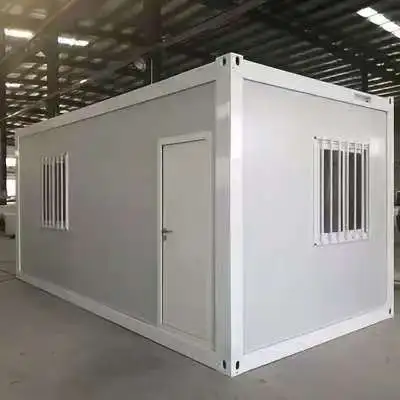
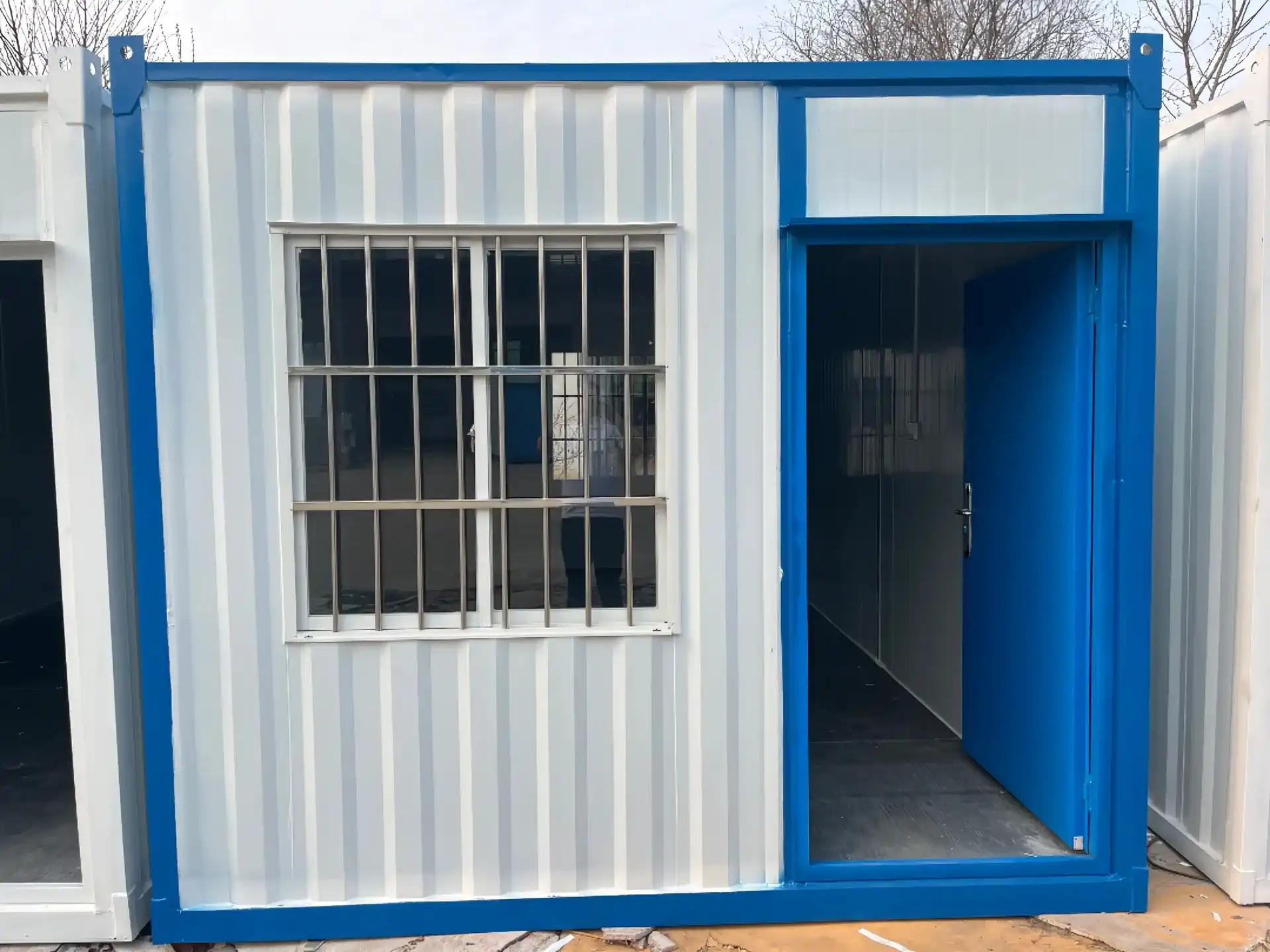
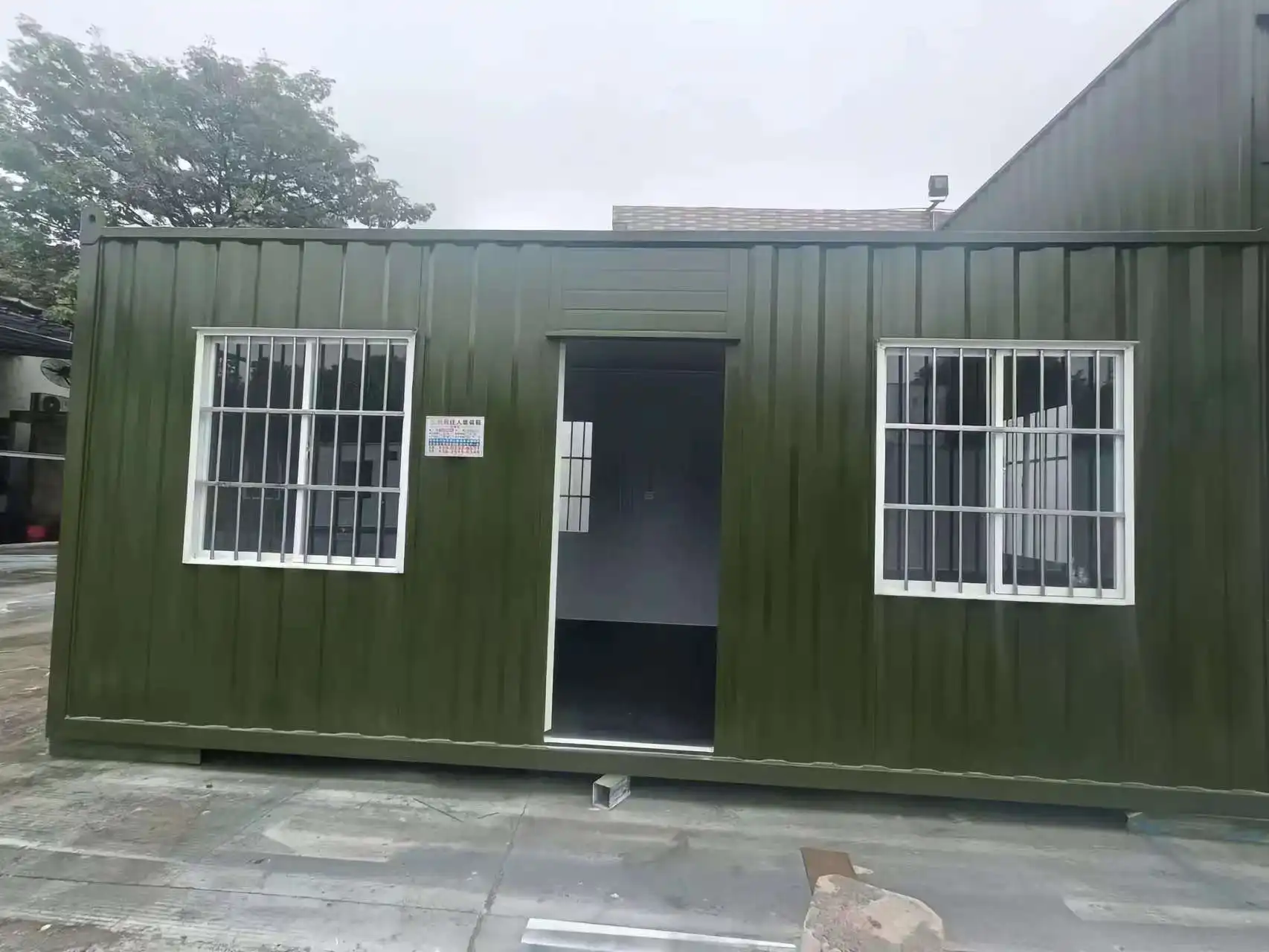
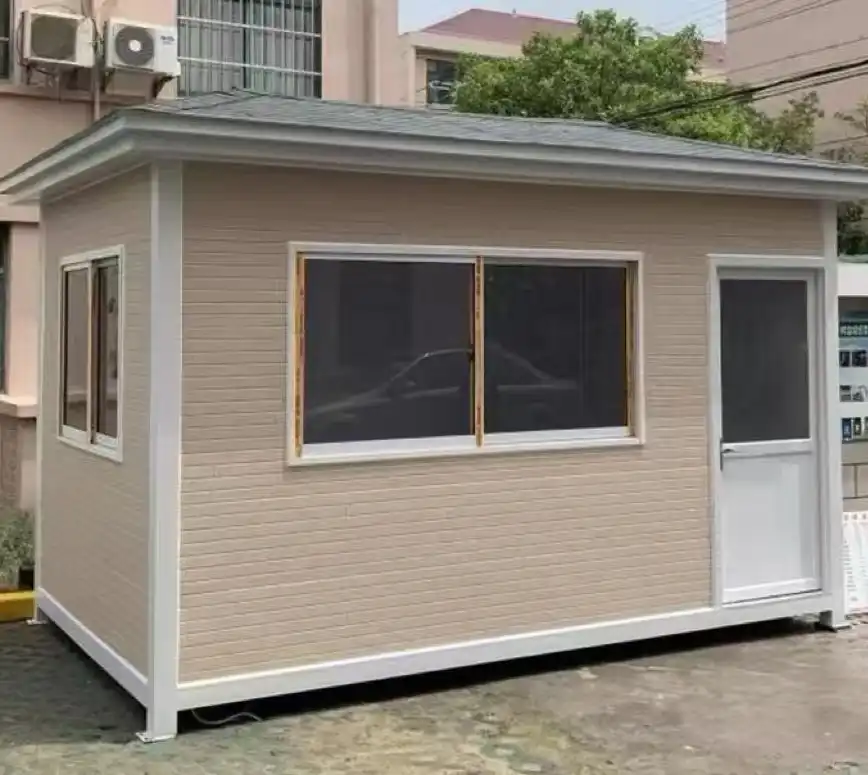
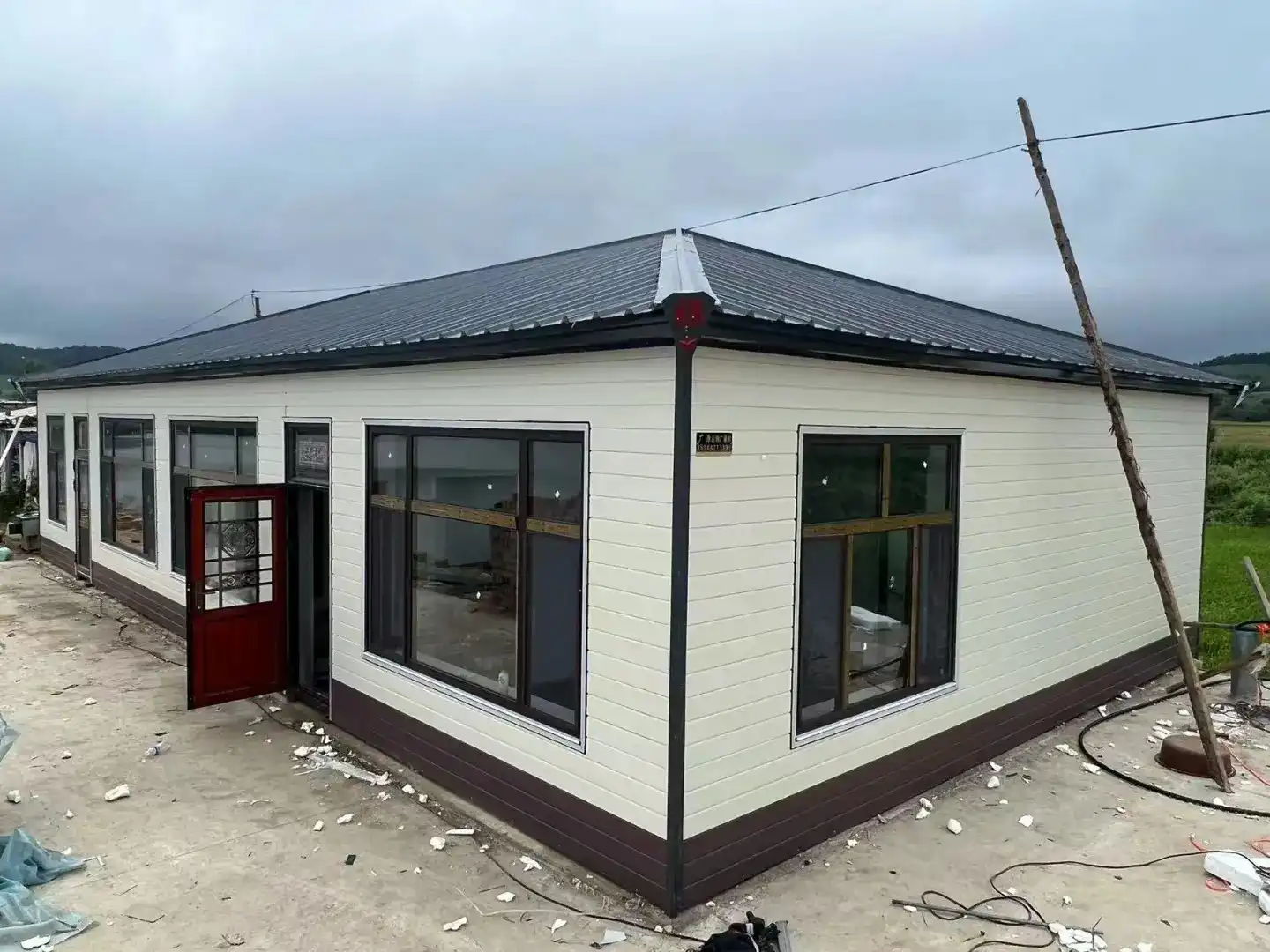
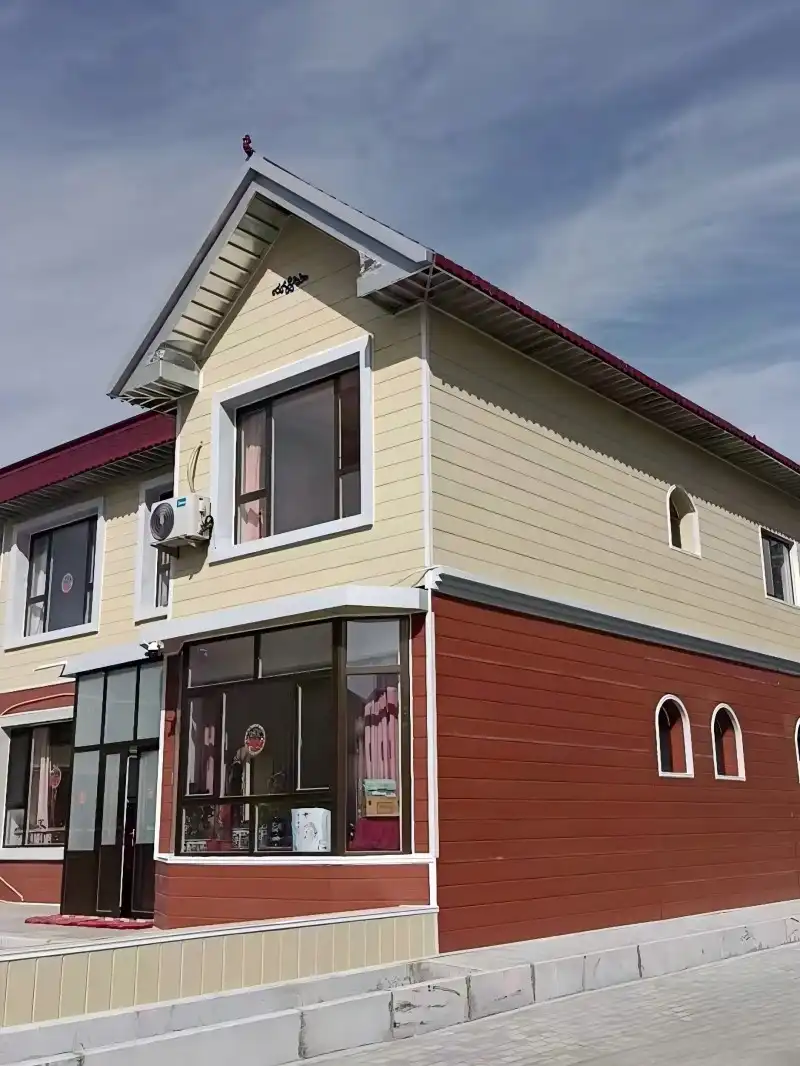
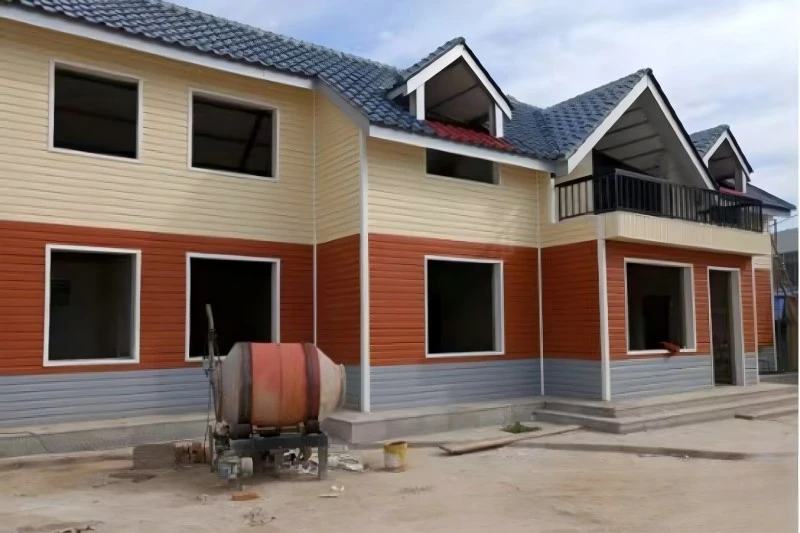
Does mold grow in foldable container house?

Mold growth in foldable container houses is a valid concern, but it's not an inevitable problem. While these structures can be susceptible to mold under certain conditions, proper design, materials, and maintenance significantly mitigate this risk. Foldable container houses from reputable manufacturers like Weifang Sandong Building Materials Co., Ltd. are engineered with materials and features that resist moisture and mold growth. These include high-quality insulation, vapor barriers, and ventilation systems. However, as with any living space, occupants must be vigilant about controlling humidity, addressing water leaks promptly, and maintaining proper ventilation to prevent mold issues.

Factors Influencing Mold Growth in Foldable Container Houses

Moisture Control and Ventilation

Moisture is the primary culprit behind mold growth in any structure, including foldable container houses. These innovative living spaces are designed with moisture control in mind, but certain factors can still contribute to excess humidity:

- Inadequate ventilation

- Poor insulation leading to condensation

- Water leaks from plumbing or roof

- High humidity environmentsblog-1-1​​​​​​​
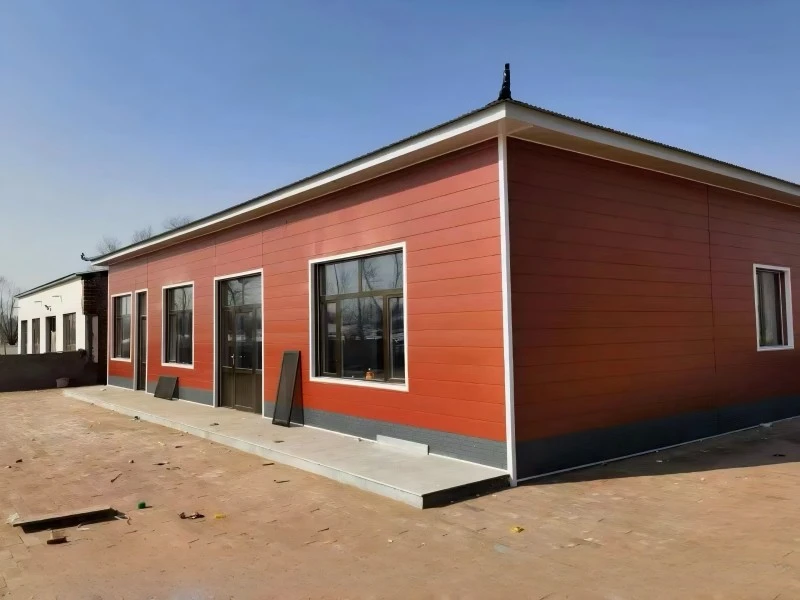
To combat these issues, foldable container houses often incorporate advanced ventilation systems. These systems promote air circulation, reducing the likelihood of moisture accumulation. Additionally, high-quality insulation materials like fiberglass, rock wool, or polyurethane foam are used to prevent condensation on interior surfaces.

Material Selection and Treatment

The materials used in constructing foldable container houses play a crucial role in mold prevention. Reputable manufacturers like Shandong Building Materials utilize materials that are inherently mold-resistant or treated to resist mold growth:

- Steel frames treated with anti-corrosive coatings

- Mold-resistant paint on interior surfaces

- Moisture-resistant flooring materials

- Properly sealed windows and doors to prevent water ingress

These material choices contribute to the overall durability and mold resistance of foldable container houses, which can have a lifespan of up to 70 years when properly maintained.

Climate Considerations

The climate in which a foldable container house is placed can significantly impact its susceptibility to mold growth. In humid or rainy climates, additional precautions may be necessary:

- Enhanced drainage systems around the structure

- Elevated foundations to prevent ground moisture absorption

- Additional weatherproofing measures

- Installation of dehumidifiers in extremely humid environments

Manufacturers like Weifang Sandong Building Materials Co., Ltd. offer customization options to address specific climate challenges, ensuring that foldable container houses can be adapted for use in various environments, from camps and schools to mining sites.

Preventive Measures and Maintenance

Regular Inspections and Cleaning

To maintain a mold-free environment in a foldable container house, regular inspections and cleaning are essential. Occupants should:

- Conduct monthly visual inspections for signs of moisture or mold

- Clean and dry any damp areas immediately

- Regularly clean and maintain ventilation systems

- Check seals around windows and doors for deterioration

These proactive measures can prevent small issues from escalating into significant mold problems, preserving the integrity and healthiness of the living space.

Moisture Management Strategies

Effective moisture management is key to preventing mold growth in foldable container houses. Strategies include:

- Using exhaust fans in bathrooms and kitchens

- Maintaining indoor humidity levels below 60%

- Promptly repairing any leaks or water damage

- Proper landscaping to direct water away from the structure

These strategies, combined with the energy-saving features and fast assembly characteristics of modern foldable container houses, contribute to a comfortable and healthy living environment.

Professional Maintenance and Upgrades

While regular occupant maintenance is crucial, periodic professional inspections and upgrades can further enhance mold resistance:

- Annual professional inspections of the structure and systems

- Upgrading insulation or ventilation systems as needed

- Applying new mold-resistant coatings or treatments

- Addressing any structural issues that could lead to water ingress

Professional maintenance ensures that the foldable container house continues to meet standards such as ISO, CE, AS, US, and CA, maintaining its quality and safety over its long lifespan.

Innovative Design Solutions

Advanced Insulation Technologies

Modern foldable container houses leverage advanced insulation technologies to combat mold growth:

  • Vacuum insulated panels for superior thermal performance
  • Phase change materials for temperature regulation
  • Aerogel insulation for extreme environments
  • Smart insulation systems that adapt to environmental conditions

These innovative solutions not only prevent mold growth but also enhance the energy efficiency of the structure, aligning with the energy-saving features promoted by manufacturers like Shandong Building Materials.

Smart Home Integration

The integration of smart home technologies in foldable container houses can significantly aid in mold prevention:

  • IoT-enabled humidity sensors for real-time monitoring
  • Automated ventilation systems that respond to humidity levels
  • Smart HVAC systems for optimal temperature and humidity control
  • Mobile apps for remote monitoring and control of home environment

These technologies allow for proactive management of the living environment, reducing the risk of mold growth while enhancing overall comfort and efficiency.

Modular and Adaptable Designs

The modular nature of foldable container houses allows for innovative design solutions that combat mold growth:

- Easily replaceable wall panels for quick remediation if mold occurs

- Modular bathroom and kitchen units with enhanced moisture resistance

- Adaptable ventilation systems that can be upgraded or modified

- Customizable layouts that optimize airflow and reduce moisture traps

These design features, combined with the structural integrity ensured by 3D modeling and planning, make foldable container houses a versatile and mold-resistant housing solution for various applications, from temporary camps to permanent dwellings.

Conclusion

While mold growth is a potential concern in any living space, foldable container houses, when properly designed, constructed, and maintained, can effectively resist mold development. The combination of advanced materials, innovative design features, and proactive maintenance strategies makes these structures a viable and healthy housing option. As the industry continues to evolve, companies like Weifang Sandong Building Materials Co., Ltd. are at the forefront, developing solutions that enhance the durability, comfort, and health aspects of foldable container houses.

For more information on mold-resistant foldable container houses and other exterior cladding and facade solutions, please contact us at info@sdqsc.com. Our team is dedicated to providing high-quality, innovative housing solutions that meet the diverse needs of our global clientele.

References

1. World Health Organization. (2009). WHO Guidelines for Indoor Air Quality: Dampness and Mould. Geneva: World Health Organization.

2. U.S. Environmental Protection Agency. (2021). Mold Course Chapter 2: Why and Where Mold Grows. Retrieved from https://www.epa.gov/mold/mold-course-chapter-2

3. Lstiburek, J., & Carmody, J. (2010). Moisture Control Handbook: Principles and Practices for Residential and Small Commercial Buildings. John Wiley & Sons.

4. International Code Council. (2018). International Residential Code for One- and Two-Family Dwellings. ICC.

5. American Society of Heating, Refrigerating and Air-Conditioning Engineers. (2016). ASHRAE Standard 62.1-2016: Ventilation for Acceptable Indoor Air Quality. ASHRAE.

SHOW NOW
How Durable Are Container Homes for Long-Term Living?

Container homes have emerged as a durable and sustainable housing solution for long-term living. Built from repurposed shipping containers, these structures offer remarkable longevity, often lasting 25 years or more with proper maintenance. Their steel construction provides excellent resistance to weather, pests, and natural disasters. While initial concerns about rust and insulation exist, modern treatments and design innovations have largely mitigated these issues.

The Structural Integrity of Container Homesblog-1-1

Container homes are built on a foundation of strength and durability. The core structure of these homes - shipping containers - are designed to withstand the harsh conditions of ocean transport, making them inherently robust. These steel boxes are engineered to carry heavy loads and resist the corrosive effects of saltwater, wind, and extreme temperatures.

When repurposed for housing, containers retain their structural integrity, providing a solid framework for a home. The corrugated steel walls offer superior strength compared to traditional wood-frame construction. This sturdy base allows container homes to withstand various environmental challenges, including high winds, heavy snow loads, and even seismic activity in some cases.

Resistance to Natural Disasters

One of the most compelling aspects of container homes is their resilience in the face of natural disasters. The steel construction provides excellent protection against hurricanes and tornadoes. In fact, some container homes have been known to survive Category 5 hurricanes with minimal damage. This level of durability can offer peace of mind to homeowners in areas prone to severe weather events.

Additionally, the modular nature of container homes allows for strategic design choices that can further enhance their disaster resistance. For instance, containers can be anchored deeply into the ground or welded together to create an even more stable structure. This adaptability makes container homes a viable option for long-term living in diverse climates and geographical locations.

Longevity and Maintenance Considerations

While container homes boast impressive durability, their longevity is closely tied to proper maintenance and care. Like any home, regular upkeep is essential to ensure the structure remains in good condition over time. However, the unique characteristics of container homes present both advantages and challenges in terms of long-term maintenance.

One of the primary concerns with container homes is the potential for rust. Shipping containers are designed to resist corrosion during their service life, which typically spans about 10-15 years. When repurposed for housing, these containers can last much longer with proper treatment and protection.

Rust Prevention and Treatment

To maximize the lifespan of a container home, rust prevention is crucial. This often involves applying specialized coatings and paints designed to protect steel from moisture and oxidation. Regular inspections and prompt treatment of any signs of rust can significantly extend the life of the structure.

Some container home builders opt for containers made from Cor-Ten steel, a weathering steel alloy that forms a protective rust-like appearance over time. This material can provide additional protection against corrosion, further enhancing the home's durability.

Insulation and Climate Control

Another key factor in the longevity of container homes is proper insulation and climate control. Steel conducts heat and cold efficiently, which can lead to temperature fluctuations inside the home if not properly addressed. High-quality insulation is essential not only for comfort but also for preventing condensation, which can lead to rust and mold growth.

Modern container homes often utilize advanced insulation techniques, such as spray foam insulation or the installation of a second skin within the container. These methods not only improve energy efficiency but also protect the steel structure from moisture and temperature-related stress, contributing to the home's overall durability.

Customization and Adaptability for Long-Term Living

One of the most attractive features of container homes is their versatility and adaptability. The modular nature of shipping containers allows for endless possibilities in terms of design and customization. This flexibility is particularly valuable for long-term living, as it enables homeowners to modify and expand their living space as needs change over time.

Container homes can be easily customized to include all the amenities of traditional houses. From full kitchens and bathrooms to multiple bedrooms and living areas, these homes can be designed to meet diverse lifestyle needs. The ability to stack and combine containers also allows for the creation of larger, multi-story structures, providing ample space for growing families or those who simply desire more room.

Exterior Cladding Options

While the industrial aesthetic of bare shipping containers appeals to some, many homeowners prefer to enhance the exterior appearance of their container homes. This is where exterior cladding comes into play, offering both aesthetic and functional benefits.

Exterior cladding can significantly improve the durability and energy efficiency of container homes. Options like metal siding panels, for instance, provide an additional layer of protection against the elements while also enhancing the home's insulation properties. These panels can be customized in various colors and styles, allowing homeowners to achieve a look that suits their personal taste and complements the surrounding environment.

Future-Proofing Container Homes

As with any long-term living solution, it's important to consider future needs when designing a container home. The modular nature of these structures allows for relatively easy additions or modifications as family size or lifestyle changes occur. This adaptability is a significant advantage for those planning to live in their container home for many years.

Moreover, the eco-friendly nature of container homes aligns well with growing environmental concerns. As sustainable living becomes increasingly important, container homes offer a way to reduce carbon footprint and minimize waste. This forward-thinking approach to housing can provide long-term satisfaction for environmentally conscious homeowners.

Conclusion

Container homes have proven to be a durable and adaptable solution for long-term living. Their robust steel construction, coupled with proper maintenance and customization options, allows them to withstand the test of time and changing needs. While they require specific considerations in terms of rust prevention and insulation, the benefits of strength, flexibility, and sustainability make container homes an attractive option for those seeking a unique and long-lasting dwelling.

If you're considering a container home for your long-term living needs or are interested in learning more about exterior cladding and facade solutions to enhance your container home's durability, don't hesitate to reach out to experts in the field. For more information on high-quality exterior cladding options, contact Weifang Sandong Building Materials Co., Ltd. at info@sdqsc.com.

References

1. Bernardo, L. F. A., et al. "Durability of Steel Container Houses." Proceedings of the Institution of Civil Engineers - Structures and Buildings, vol. 169, no. 8, 2016, pp. 595-606.

2. Islam, H., et al. "Life cycle assessment of shipping container home: A sustainable construction." Energy and Buildings, vol. 128, 2016, pp. 673-685.

3. Kotnik, J. "Container Architecture: This Book Contains 6441 Containers." Links International, 2008.

4. Radwan, A. H. "Containers Architecture: Reusing Shipping Containers in making creative Architectural Spaces." International Journal of Scientific & Engineering Research, vol. 6, no. 11, 2015.

5. Vijayalaxmi, J. "Towards sustainable architecture – a case with Greentainer." Local Environment, vol. 15, no. 3, 2010, pp. 245-259.

SHOW NOW
The Benefits of Folding Container Houses for Modern Living

Folding container houses are revolutionizing modern living with their innovative design and multitude of benefits. These versatile structures offer a perfect blend of practicality, sustainability, and affordability. Crafted from repurposed shipping containers, these homes provide a unique solution to housing challenges in urban and rural areas alike. Their compact nature allows for easy transportation and rapid deployment, making them ideal for various applications, from temporary housing to permanent residences. With customizable features and energy-efficient designs, folding container houses are paving the way for a more flexible and eco-conscious approach to contemporary living spaces.

The Evolution of Folding Container Houses

From Shipping Containers to Modern Homesblog-1-1​​​​​​​

The concept of folding container houses has its roots in the repurposing of shipping containers for residential use. This innovative approach to housing emerged as a creative solution to address various challenges in the construction industry. The transformation from industrial containers to comfortable living spaces showcases the ingenuity of modern architectural design.

Weifang Sandong Building Materials Co., Ltd., a global provider of exterior cladding and facade solutions, has been at the forefront of this evolution. By leveraging their expertise in manufacturing high-quality building materials, they have contributed significantly to the development of folding container houses that meet international standards.

Advancements in Design and Technology

Over the years, the design of folding container houses has undergone substantial improvements. Modern folding container homes now incorporate advanced materials and technologies to enhance their functionality and aesthetic appeal. These advancements include:

- Improved insulation techniques using materials like fiberglass, rock wool, and polyurethane foam

- Customizable roofing options to suit various climates and architectural preferences

- Integration of smart home technologies for improved energy efficiency and comfort

- Structural enhancements to ensure durability and longevity

The use of cutting-edge design software, such as 3D modeling and structural analysis tools, has allowed manufacturers like Shandong Building Materials to create folding container houses that are not only functional but also visually appealing.

Key Advantages of Folding Container Houses

Versatility and Adaptability

One of the most significant benefits of folding container houses is their versatility. These structures can be adapted for various uses, including:

- Residential homes

- Temporary accommodation for construction sites or mining operations

- Educational facilities such as classrooms or dormitories

- Emergency shelters in disaster-stricken areas

- Pop-up retail spaces or offices

The adaptability of folding container houses makes them an excellent choice for those seeking flexible living or working spaces. Their modular nature allows for easy expansion or reconfiguration as needs change over time.

Cost-Effectiveness and Rapid Deployment

Folding container houses offer a cost-effective alternative to traditional construction methods. The use of repurposed shipping containers as the primary building material significantly reduces material costs. Additionally, the prefabricated nature of these structures minimizes on-site construction time, leading to substantial labor cost savings.

The rapid deployment capability of folding container houses is particularly advantageous in situations requiring immediate housing solutions. With proper planning and preparation, these structures can be set up in a matter of days, providing quick and efficient shelter for various applications.

Sustainability and Environmental Benefits

In an era where sustainability is paramount, folding container houses offer numerous environmental benefits:

- Repurposing of existing shipping containers reduces waste and conserves resources

- Energy-efficient designs and materials contribute to lower carbon footprints

- Reduced on-site construction time minimizes environmental disruption

- Potential for integration of renewable energy systems, such as solar panels

The commitment to sustainability aligns with the values of companies like Weifang Sandong Building Materials Co., Ltd., which prioritize environmentally conscious manufacturing processes and products.

Practical Applications and Case Studies

Residential Solutions

Folding container houses have gained popularity as innovative residential solutions. They offer homeowners the opportunity to create unique, customized living spaces that reflect their personal style and needs. Some notable applications include:

- Compact urban dwellings for young professionals

- Vacation homes in remote or scenic locations

- Accessory dwelling units (ADUs) for multigenerational living

- Affordable housing projects in developing regions

Case Study: In a recent project, Shandong Building Materials supplied exterior cladding materials for a folding container house development in a coastal area. The use of their high-quality, weather-resistant panels ensured that the homes could withstand harsh marine environments while maintaining their aesthetic appeal.

Commercial and Industrial Applications

The versatility of folding container houses extends beyond residential use. They have found applications in various commercial and industrial settings, including:

- Temporary offices for construction sites

- Mobile medical clinics for remote areas

- Pop-up retail spaces for events or seasonal markets

- Modular classrooms for expanding educational institutions

Case Study: A mining company in Australia utilized folding container houses supplied by Weifang Sandong Building Materials Co., Ltd. to create a temporary worker accommodation camp. The durability of the materials and the ease of assembly allowed for a quick setup in a challenging environment.

Disaster Relief and Emergency Housing

One of the most impactful applications of folding container houses is in disaster relief efforts. These structures provide rapid, safe, and comfortable shelter for those displaced by natural disasters or humanitarian crises. Key advantages in this context include:

- Quick deployment to affected areas

- Durability to withstand harsh conditions

- Flexibility to create various configurations (e.g., individual homes, communal spaces)

- Potential for long-term use or easy relocation as needs change

Case Study: Following a severe earthquake in a Southeast Asian country, a non-governmental organization partnered with Shandong Building Materials to provide folding container houses as temporary shelters. The rapid assembly and high-quality materials ensured that displaced families had safe and comfortable accommodations during the recovery period.

Conclusion

Folding container houses represent a significant innovation in modern living solutions. Their versatility, cost-effectiveness, and sustainability make them an attractive option for a wide range of applications. As the demand for flexible and eco-friendly housing continues to grow, the role of folding container houses in shaping our built environment is likely to expand.

Companies like Weifang Sandong Building Materials Co., Ltd. play a crucial role in advancing the quality and performance of these structures through their commitment to manufacturing excellence and innovative building solutions. As we look to the future, the continued evolution of folding container houses promises to offer even more exciting possibilities for modern living. For more information about exterior cladding and facade solutions for folding container houses, please contact Weifang Sandong Building Materials Co., Ltd. at info@sdqsc.com.

References

1. Smith, J. (2022). "The Rise of Container Architecture: Trends and Innovations." Architectural Digest, 45(3), 78-85.

2. Green Building Council. (2023). "Sustainable Housing Solutions: A Comprehensive Guide."

3. Johnson, A., & Brown, L. (2021). "Disaster Relief Housing: Rapid Response Solutions." Journal of Humanitarian Engineering, 12(2), 156-172.

4. World Container Organization. (2023). "Global Container Housing Market Report."

5. Zhang, Y., et al. (2022). "Energy Efficiency in Modular Container Homes: A Comparative Study." Energy and Buildings, 234, 110705.​​​​​​​

SHOW NOW
How Durable Are Insulated Metal Sandwich Panels in Construction?

Insulated Metal Sandwich Panels are exceptionally durable in construction, offering a robust and long-lasting solution for modern buildings. These panels typically boast a lifespan of 40-50 years, with some high-quality variants lasting even longer under proper maintenance. Their durability stems from a combination of factors: the sturdy metal outer layers, the resilient insulation core, and advanced manufacturing techniques. Resistant to environmental stressors, fire, and corrosion, these panels maintain their structural integrity and insulation properties over time.

The Anatomy of Durability: Understanding Insulated Metal Sandwich Panel Construction

To truly appreciate the durability of Insulated Metal Sandwich Panels, it's crucial to delve into their construction. These panels are a marvel of modern engineering, combining multiple layers to create a synergistic structure that's greater than the sum of its parts.

Metal Exterior: The First Line of Defenseblog-1-1​​​​​​​

The outer layers of Insulated Metal Sandwich Panels are typically made from high-grade steel or aluminum. These metals are chosen for their strength, resilience, and ability to withstand various environmental factors. The metal exterior acts as a protective shield, safeguarding the interior components from physical damage, UV radiation, and moisture infiltration.

Weifang Sandong Building Materials Co., Ltd. utilizes advanced production lines and rigorous quality control systems to ensure the metal used in their panels meets the highest standards. Each steel coil undergoes comprehensive inspections for thickness, paint film durability, and mechanical strength, guaranteeing a robust exterior that stands the test of time.

Insulation Core: The Heart of Performance

Sandwiched between the metal layers is the insulation core, often composed of materials like polyurethane, polyisocyanurate, or mineral wool. This core is not just about thermal efficiency; it also contributes significantly to the panel's overall structural integrity and longevity.

The insulation core is meticulously tested for flame retardancy and density, ensuring it meets stringent safety standards while providing optimal insulation properties. This careful selection and testing of materials result in a core that maintains its performance characteristics over decades, resisting compression and degradation.

Bonding Technology: Unifying Strength

The durability of Insulated Metal Sandwich Panels is further enhanced by the advanced bonding technology used to unite the metal skins with the insulation core. This process creates a monolithic panel that distributes loads evenly and resists delamination, even under extreme conditions.

The bonding process employed by industry leaders like Weifang Sandong Building Materials Co., Ltd. ensures a seamless integration of components. This results in panels that are not only durable but also maintain their structural integrity and insulation properties throughout their lifespan, contributing to the overall longevity of the building envelope.

Resilience in Action: How Insulated Metal Sandwich Panels Withstand Environmental Challenges?

The true test of durability comes when materials face real-world conditions. Insulated Metal Sandwich Panels excel in this regard, demonstrating remarkable resilience against a variety of environmental challenges that would deteriorate lesser materials.

Weather Resistance: Standing Strong Against the Elements

One of the primary factors contributing to the longevity of Insulated Metal Sandwich Panels is their exceptional weather resistance. These panels are engineered to withstand extreme temperature fluctuations, heavy rainfall, snow loads, and intense UV radiation without compromising their structural integrity or insulation properties.

The metal exterior is often treated with specialized coatings that enhance its resistance to corrosion and fading. This means that even after years of exposure to harsh sunlight or coastal salt spray, the panels maintain their appearance and protective qualities. The tight seals between panels also prevent water infiltration, a common cause of structural damage in buildings.

Fire Resistance: A Critical Safety Feature

Fire safety is a paramount concern in construction, and Insulated Metal Sandwich Panels address this with their inherent fire-resistant properties. The non-combustible metal facings and fire-retardant insulation core work in tandem to slow the spread of flames and maintain structural integrity during a fire event.

Many Insulated Metal Sandwich Panels are rated for up to 3 hours of fire resistance, providing crucial time for evacuation and firefighting efforts. This fire-resistant quality not only enhances the safety of the building's occupants but also contributes to the overall durability of the structure by protecting it from fire-related damage.

Chemical and Biological Resistance: Combating Unseen Threats

In addition to visible environmental factors, Insulated Metal Sandwich Panels also demonstrate impressive resistance to chemical and biological threats. The inert nature of the metal exterior makes it impervious to many chemicals that could degrade other building materials.

Long-Term Performance: The Economic and Sustainable Advantages of Durable Insulated Metal Sandwich Panels

The durability of Insulated Metal Sandwich Panels translates into significant economic and environmental benefits over the lifetime of a building. These advantages make them an increasingly popular choice for architects, builders, and property owners who prioritize long-term performance and sustainability.

Reduced Maintenance and Replacement Costs

One of the most tangible benefits of using durable Insulated Metal Sandwich Panels is the reduction in maintenance and replacement costs over time. Unlike traditional building materials that may require frequent painting, sealing, or replacement, these panels maintain their performance and appearance with minimal upkeep.

The corrosion-resistant properties of the metal exterior mean that even in harsh environments, the panels resist rust and degradation. This longevity translates to fewer repair and replacement cycles, significantly reducing the lifecycle costs of the building. For property owners and facility managers, this means more predictable budgeting and fewer disruptions due to maintenance activities.

Energy Efficiency and Cost Savings

The durability of Insulated Metal Sandwich Panels extends beyond their physical structure to their thermal performance. The high-quality insulation core maintains its R-value over decades, ensuring consistent energy efficiency throughout the life of the building.

This sustained thermal performance leads to substantial energy savings year after year. Buildings clad with these panels require less energy for heating and cooling, resulting in lower utility costs and reduced strain on HVAC systems. Over the lifespan of the building, these savings can amount to a significant return on investment, making Insulated Metal Sandwich Panels a cost-effective choice in the long run.

Environmental Impact and Sustainability

The durability of Insulated Metal Sandwich Panels also contributes to their environmental sustainability. By lasting longer and requiring fewer replacements, these panels reduce the demand for raw materials and the energy associated with manufacturing and transporting new building materials.

Moreover, at the end of their long service life, many components of Insulated Metal Sandwich Panels are recyclable. The metal facings can be reclaimed and repurposed, further reducing the environmental impact. This aligns with the growing emphasis on circular economy principles in the construction industry, where materials are designed for longevity and eventual recycling.

Conclusion

The durability of Insulated Metal Sandwich Panels in construction is not just impressive; it's transformative. These panels offer a rare combination of longevity, performance, and sustainability that is reshaping expectations in the building industry. From their resilient metal exteriors to their high-performance insulation cores, every aspect of their design contributes to a structure that stands strong against time and elements.

To learn more about how Insulated Metal Sandwich Panels can enhance your next construction project, or to discuss your specific needs, don't hesitate to reach out to the experts at Weifang Sandong Building Materials Co., Ltd. Contact them at info@sdqsc.com for personalized guidance and solutions that will stand the test of time.

References

1. American Iron and Steel Institute. "The Sustainability of Steel: Strength and Durability." 2021.

2. National Institute of Building Sciences. "Whole Building Design Guide: Building Envelope Design Guide." 2018.

3. U.S. Department of Energy. "Building Energy Codes Program: Insulation Requirements." 2022.

4. International Code Council. "International Building Code." 2021 Edition.

5. Weifang Sandong Building Materials Co., Ltd. Official Product Specifications and Testing Reports. 2023.​​​​​​​

SHOW NOW
Container Foldable Houses: A Solution for Minimalist Living

Container foldable houses are revolutionizing the concept of minimalist living, offering a sustainable and efficient housing solution for the modern world. These innovative structures, originating from Shandong, China, combine the durability of shipping containers with the flexibility of modular design. Engineered to meet ISO, CE, AS, US, and CA standards, these houses provide a versatile living space suitable for various applications, including camps, schools, dormitories, and mining accommodations. With customizable roofing options, energy-saving features, and a remarkable 70-year lifespan, container foldable houses are redefining compact living without compromising on comfort or functionality.

The Evolution of Container Foldable Houses

From Shipping Containers to Modern Homesblog-1-1​​​​​​​

The journey of container foldable houses began with the repurposing of shipping containers. These robust steel boxes, designed to withstand harsh oceanic conditions, proved to be an ideal foundation for creating compact, mobile living spaces. Weifang Sandong Building Materials Co., Ltd., a leader in exterior cladding and facade solutions, recognized the potential of these structures and began transforming them into habitable spaces.

The transformation process involves meticulous planning, utilizing advanced 3D modeling and structural design techniques. This ensures that each container foldable house meets the highest standards of safety and functionality. The company's expertise in light gauge steel framing has been instrumental in optimizing the structural integrity of these homes while maintaining their lightweight nature.

Advantages of Container Foldable Houses

Container foldable houses offer numerous benefits that make them an attractive option for minimalist living:

- Portability: Their foldable nature allows for easy transportation and setup in various locations.

- Durability: Built to withstand diverse weather conditions, these houses are as resilient as traditional homes.

- Sustainability: Repurposing shipping containers reduces waste and promotes eco-friendly living.

- Customization: Flexible designs allow for personalization to suit individual needs and preferences.

- Cost-effectiveness: Compared to traditional construction, container houses often come at a lower price point.

The use of high-quality materials further enhances these advantages. Weifang Sandong Building Materials Co., Ltd. incorporates advanced insulation materials such as fiberglass, rock wool, or polyurethane (PU) to ensure optimal thermal efficiency. This not only contributes to energy savings but also creates a comfortable living environment in various climates.

Design and Functionality of Container Foldable Houses

Innovative Space Utilization

The design of container foldable houses is a testament to innovative space utilization. Every square inch is carefully considered to maximize functionality without sacrificing comfort. Clever storage solutions, multi-purpose furniture, and adaptable layouts are key features of these compact homes.

Architects and designers working on these projects often employ the principles of minimalism, creating spaces that are both aesthetically pleasing and highly functional. The use of large windows and strategic placement of openings helps to create an illusion of spaciousness, while also allowing ample natural light to permeate the interior.

Customization Options

One of the most appealing aspects of container foldable houses is the level of customization they offer. Buyers can choose from a range of exterior cladding options, including metal siding panels that Weifang Sandong Building Materials Co., Ltd. specializes in. These panels not only enhance the aesthetic appeal but also provide additional protection against the elements.

Interior customization options are equally diverse. From choosing the layout to selecting finishes and fixtures, homeowners have the freedom to create a space that truly reflects their personal style and needs. This level of personalization ensures that each container foldable house is unique and tailored to its occupants.

Sustainability and Energy Efficiency

Eco-Friendly Construction

Container foldable houses represent a significant step towards more sustainable housing solutions. By repurposing shipping containers, these homes give new life to materials that might otherwise go to waste. This upcycling process significantly reduces the carbon footprint associated with new construction.

Moreover, the compact nature of these homes means they require fewer resources to build and maintain compared to traditional houses. The use of durable materials ensures a long lifespan, further contributing to their sustainability. With a projected lifespan of 70 years, container foldable houses offer a long-term housing solution with minimal environmental impact.

Energy-Saving Features

Energy efficiency is a key feature of container foldable houses. The advanced insulation materials used, such as fiberglass, rock wool, or polyurethane, provide excellent thermal regulation. This reduces the need for artificial heating and cooling, leading to significant energy savings over time.

Additionally, many container foldable houses incorporate other energy-saving features:

- LED lighting for reduced electricity consumption

- Energy-efficient appliances to minimize power usage

- Solar panels for renewable energy generation

- Rainwater harvesting systems for water conservation

These features not only contribute to a more sustainable lifestyle but also result in lower utility costs for homeowners. The combination of eco-friendly construction and energy-efficient design makes container foldable houses an ideal choice for environmentally conscious individuals.

Quality Control and Safety Standards

Weifang Sandong Building Materials Co., Ltd. places a strong emphasis on quality control and adherence to safety standards in the production of container foldable houses. The company's advanced production lines and rigorous quality control system ensure that every component meets the highest standards of quality and safety.

Strict testing procedures are applied to all materials used in the construction, including steel coils, aluminum foil, and polyurethane. Comprehensive inspections are carried out to verify product thickness, paint film thickness, mechanical strength, flame retardancy, and overall appearance. This meticulous approach ensures that each container foldable house not only meets but exceeds industry standards for safety and durability.

Versatility in Application

The versatility of container foldable houses extends beyond residential use. These structures have found applications in various sectors, including:

- Educational facilities: Temporary classrooms or student accommodations

- Disaster relief: Quick-deploy housing for emergency situations

- Remote work sites: Comfortable living quarters for mining or construction projects

- Pop-up retail: Unique, mobile spaces for shops or exhibitions

- Tourism: Eco-friendly accommodations in remote or scenic locations

This adaptability makes container foldable houses a valuable solution for a wide range of needs, from addressing housing shortages to providing innovative spaces for businesses and organizations.

The Future of Minimalist Living

As urbanization continues and space becomes increasingly precious, the demand for compact, efficient living solutions is on the rise. Container foldable houses are at the forefront of this trend, offering a blend of sustainability, functionality, and style that appeals to a growing number of people seeking alternative housing options.

The ongoing development of new materials and technologies promises to further enhance the capabilities of these homes. From smart home integration to advanced eco-friendly features, the future of container foldable houses looks bright and full of possibilities.

Conclusion

Container foldable houses represent a significant innovation in minimalist living, offering a sustainable, efficient, and customizable housing solution for the modern world. With their blend of durability, flexibility, and eco-friendliness, these structures are well-positioned to play a crucial role in addressing housing challenges and promoting more sustainable lifestyles.

As we look to the future, the potential for container foldable houses to revolutionize our approach to housing and urban development is immense. Whether you're a homeowner looking for a unique living space, an architect exploring innovative design solutions, or a developer seeking sustainable construction options, container foldable houses offer exciting possibilities.

To learn more about container foldable houses and explore how they can meet your specific needs, contact Weifang Sandong Building Materials Co., Ltd. at info@sdqsc.com. Our team of experts is ready to assist you in discovering the perfect solution for your minimalist living aspirations.

References

1. International Organization for Standardization. (2021). ISO Standards for Shipping Containers.

2. U.S. Department of Energy. (2022). Energy Efficiency in Buildings.

3. American Institute of Architects. (2023). Sustainable Design and Development.

4. World Green Building Council. (2022). The Benefits of Green Buildings.

5. United Nations Environment Programme. (2023). Sustainable Buildings and Construction.​​​​​​​

SHOW NOW
Can Honeycomb Panels Handle the Heat?

When it comes to thermal performance, honeycomb sandwich panels are indeed capable of handling the heat with remarkable efficiency. These innovative structural components are designed to offer superior insulation properties, making them an excellent choice for both residential and commercial applications where temperature control is crucial. The unique honeycomb core structure creates air pockets that effectively resist heat transfer, while the outer layers provide additional protection. This combination allows honeycomb panels to maintain comfortable interior temperatures even in extreme weather conditions, potentially reducing energy costs and enhancing overall building performance.

The Science Behind Honeycomb Sandwich Panel Heat Resistanceblog-1-1​​​​​​​

Honeycomb sandwich panels are marvels of engineering, combining strength with lightweight design. Their ability to handle heat stems from their unique structure and the materials used in their construction.

Core Structure and Thermal Insulation

The heart of a honeycomb sandwich panel is its core, which resembles the hexagonal structure found in beehives. This design is not just aesthetically pleasing; it's a triumph of functional engineering. The honeycomb core creates numerous small air pockets, which act as natural insulators. Air is a poor conductor of heat, so these pockets significantly slow down heat transfer through the panel.

Moreover, the core material itself is often made from thermally resistant substances such as aluminum or aramid fiber. These materials have low thermal conductivity, further enhancing the panel's ability to resist heat flow. The thickness of the core can be adjusted to meet specific thermal requirements, allowing for customization based on the intended application.

Face Sheets: The First Line of Defense

The outer layers, or face sheets, of honeycomb sandwich panels play a crucial role in their heat-handling capabilities. Typically made from materials like aluminum, steel, or fiber-reinforced composites, these sheets provide the initial barrier against thermal energy.

Many face sheets are treated with special coatings or finishes that increase their reflective properties. This means that a significant portion of radiant heat from the sun or other sources is reflected away before it can even penetrate the panel. Some advanced panels even incorporate low-emissivity coatings, which further reduce heat absorption and emission.

Thermal Bridges: Minimized for Maximum Efficiency

One of the key advantages of honeycomb sandwich panels in thermal management is their ability to minimize thermal bridges. Thermal bridges are areas in a structure where heat can easily transfer due to a break in insulation or the use of highly conductive materials.

The design of honeycomb panels inherently reduces these bridges. The continuous core structure ensures that there are no direct pathways for heat to travel from one face sheet to the other. This uniformity in insulation across the entire panel surface results in superior thermal performance compared to many traditional building materials.

Practical Applications: Honeycomb Panels in High-Temperature Environments

The impressive heat-handling capabilities of honeycomb sandwich panels make them suitable for a wide range of applications where temperature control is critical.

Aerospace and Aviation

In the aerospace industry, where materials must withstand extreme temperature fluctuations, honeycomb panels shine. They are used in aircraft fuselages, wings, and interior components. The panels help maintain comfortable cabin temperatures while also protecting sensitive equipment from the intense cold at high altitudes and the heat generated during high-speed flight.

Industrial Ovens and Kilns

Honeycomb panels find application in the construction of industrial ovens and kilns. Their excellent insulation properties help maintain consistent temperatures inside these high-heat environments while keeping the exterior cool. This not only improves energy efficiency but also enhances safety for operators working around the equipment.

Building Facades in Hot Climates

In regions with intense sunlight and high temperatures, honeycomb sandwich panels are increasingly used in building facades. They help create a thermal barrier between the harsh exterior environment and the interior spaces, reducing the load on air conditioning systems and improving overall energy efficiency.

Advancements in Honeycomb Panel Technology for Enhanced Heat Resistance

As demand for more efficient and versatile building materials grows, manufacturers are continuously innovating to improve the heat-handling capabilities of honeycomb sandwich panels.

Phase Change Materials Integration

One of the most exciting developments in honeycomb panel technology is the integration of phase change materials (PCMs). These substances can absorb, store, and release large amounts of latent heat as they change from solid to liquid and back again.

By incorporating PCMs into the honeycomb core or face sheets, panels can provide even greater temperature regulation. During hot periods, the PCMs absorb excess heat, melting in the process. As temperatures cool, the PCMs solidify, releasing the stored heat. This cyclical process helps maintain a more stable interior temperature, reducing energy consumption for heating and cooling.

Nano-Enhanced Materials

Nanotechnology is opening up new possibilities for improving the thermal properties of honeycomb panels. Researchers are exploring the use of nanomaterials like carbon nanotubes and graphene to enhance the thermal conductivity or insulation properties of panel components.

For instance, adding a small percentage of graphene to the resin used in composite face sheets can significantly improve their thermal conductivity. This allows for more efficient heat dissipation in applications where managing excess heat is crucial. Conversely, other nano-additives can be used to further enhance the insulating properties of the core material.

Smart Thermal Management Systems

The future of honeycomb sandwich panels may lie in smart, adaptive thermal management systems. These advanced panels could incorporate sensors and responsive materials that adjust their thermal properties based on environmental conditions.

Imagine a building facade made of honeycomb panels that can dynamically alter their insulation properties or reflectivity in response to changing sunlight intensity or interior temperature needs. Such systems could revolutionize energy efficiency in buildings, providing optimal thermal comfort with minimal energy input.

Conclusion

Honeycomb sandwich panels have proven their mettle when it comes to handling heat. Their unique structure, combined with advanced materials and innovative designs, makes them an excellent choice for applications requiring superior thermal management. As technology continues to advance, we can expect even more impressive heat-handling capabilities from these versatile panels.

For those seeking cutting-edge exterior cladding and facade solutions that offer outstanding thermal performance, Weifang Sandong Building Materials Co., Ltd. is at the forefront of innovation. Our commitment to quality and advanced manufacturing processes ensures that our honeycomb sandwich panels meet the highest standards of thermal efficiency and durability. To learn more about how our products can enhance your next project, don't hesitate to reach out to us at info@sdqsc.com.

References

1. Bitzer, T. (1997). Honeycomb Technology: Materials, Design, Manufacturing, Applications and Testing. Springer Netherlands.

2. Davies, J. M. (2001). Lightweight Sandwich Construction. Wiley-Blackwell.

3. Hexcel Corporation. (2020). HexWeb® Honeycomb Attributes and Properties. Retrieved from Hexcel Technical Data Sheet.

4. Mallick, P. K. (2007). Fiber-Reinforced Composites: Materials, Manufacturing, and Design. CRC Press.

5. Zenkert, D. (1997). The Handbook of Sandwich Construction. Engineering Materials Advisory Services Ltd.​​​​​​​

SHOW NOW
Can Foldable Container Homes Adapt to Different Spaces?

Foldable container homes are remarkably adaptable to various spaces, offering unparalleled versatility in modern living solutions. These innovative structures, like those provided by Weifang Sandong Building Materials Co., Ltd., can be easily transported and set up in diverse environments, from urban landscapes to rural settings. With their compact design and efficient use of space, foldable container homes can fit into tight urban lots, serve as temporary housing in disaster-stricken areas, or function as cozy retreats in remote locations. Their adaptability is further enhanced by customizable features, allowing occupants to tailor the interior layout and exterior appearance to suit specific spatial requirements and personal preferences.

The Versatility of Foldable Container Homes in Various Settingsblog-1-1​​​​​​​

Urban Applications: Maximizing Limited Space

In densely populated urban areas, where space is at a premium, foldable container homes offer an ingenious solution. These compact dwellings can be strategically placed on small lots, rooftops, or even in unconventional spaces like parking lots. The standard size of L5800mm*W2400mm*H2500mm, as offered by Shandong Building Materials, ensures that these homes can fit into tight urban spaces without compromising on comfort or functionality.

Urban planners and architects are increasingly turning to foldable container homes as a means to address housing shortages in cities. These structures can be quickly deployed to create temporary or permanent housing solutions, student accommodations, or even office spaces. Their modular nature allows for easy stacking and configuration, making them ideal for multi-unit developments in urban settings.

Rural and Remote Locations: Off-Grid Living Made Easy

The adaptability of foldable container homes extends far beyond city limits. In rural and remote locations, these structures offer a practical and sustainable living option. Their portability allows for easy transportation to off-grid sites, where traditional construction methods might be challenging or cost-prohibitive.

Equipped with features like customized roofing and insulation options (fiberglass, rock wool, or PU), foldable container homes can withstand various climate conditions. This makes them suitable for use in diverse environments, from mountainous regions to coastal areas. The energy-saving features and fast assembly process further enhance their appeal for those seeking an eco-friendly and efficient housing solution in remote locations.

Temporary and Emergency Housing: Rapid Deployment in Crisis Situations

One of the most compelling applications of foldable container homes is in emergency and disaster relief situations. The ability to quickly transport and assemble these structures makes them invaluable in providing immediate shelter to those displaced by natural disasters or humanitarian crises.

The ISO/CE/AS/US/CA standards compliance ensures that these homes meet international safety and quality requirements, making them suitable for deployment in various countries. Their durability, with a potential lifespan of up to 70 years, means they can serve as both short-term emergency shelters and long-term housing solutions in post-disaster recovery efforts.

Customization and Flexibility: Adapting to Diverse Needs

Modular Design for Scalable Solutions

The modular nature of foldable container homes allows for unprecedented flexibility in design and layout. Multiple units can be combined to create larger living spaces, community centers, or even small commercial complexes. This scalability makes them adaptable to changing needs over time, whether it's expanding a family home or creating a temporary school or clinic.

Weifang Sandong Building Materials Co., Ltd. offers comprehensive design services, including 3D modeling and structural planning. This enables clients to visualize and customize their foldable container homes to suit specific spatial requirements and functional needs. The ability to add or remove modules as needed ensures that these homes can evolve with the changing needs of their occupants.

Interior Customization for Optimal Space Utilization

Despite their compact size, foldable container homes can be remarkably spacious and comfortable when properly designed. The interior of these homes can be customized with clever storage solutions, multi-functional furniture, and space-saving fixtures to maximize every square inch. This level of customization allows occupants to create a living space that feels much larger than its actual dimensions.

From built-in Murphy beds and fold-down desks to compact kitchenettes and bathroom units, the interior of foldable container homes can be tailored to meet diverse lifestyle needs. This adaptability makes them suitable for a wide range of uses, including permanent residences, vacation homes, guest houses, or even mobile offices.

Exterior Adaptations for Aesthetic and Environmental Integration

The exterior of foldable container homes can be modified to blend seamlessly with various architectural styles and landscapes. Cladding options, such as those offered by Weifang Sandong Building Materials Co., Ltd., allow for customization of the exterior appearance to match local aesthetics or personal preferences.

Additionally, these homes can be equipped with environmentally friendly features like solar panels, rainwater collection systems, and green roofs. Such adaptations not only enhance the sustainability of the structure but also allow it to integrate harmoniously with its surroundings, whether in an urban or natural setting.

Overcoming Challenges: Ensuring Comfort and Durability in Various Environments

Climate Control and Insulation

One of the primary concerns when adapting foldable container homes to different spaces is ensuring comfort in various climate conditions. The insulation options offered by Shandong Building Materials, including fiberglass, rock wool, and PU, play a crucial role in maintaining a comfortable interior temperature regardless of external conditions.

Advanced climate control systems can be integrated into these homes to provide efficient heating and cooling. The compact nature of the structure actually works to its advantage in this regard, as it requires less energy to maintain a consistent temperature compared to larger traditional homes.

Structural Integrity and Safety

Ensuring the structural integrity of foldable container homes across different terrains and climate zones is paramount. The use of high-quality materials and adherence to international standards (ISO/CE/AS/US/CA) guarantees that these structures can withstand various environmental challenges, from high winds to seismic activity.

Regular maintenance and inspections are essential to maintain the safety and longevity of these homes. The modular nature of foldable container homes allows for easy replacement or upgrade of individual components, ensuring that the structure remains safe and functional throughout its 70-year potential lifespan.

Regulatory Compliance and Zoning Considerations

Adapting foldable container homes to different spaces often involves navigating local building codes and zoning regulations. While these innovative structures offer numerous advantages, they may face regulatory challenges in some areas. Working with experienced manufacturers like Weifang Sandong Building Materials Co., Ltd. can help ensure that the homes meet or exceed local building standards.

Engaging with local authorities and providing detailed plans and specifications can help overcome potential regulatory hurdles. As the popularity of alternative housing solutions grows, many jurisdictions are becoming more open to innovative structures like foldable container homes, recognizing their potential to address housing needs in a sustainable and efficient manner.

Conclusion

Foldable container homes have demonstrated remarkable adaptability to various spaces and environments, offering innovative solutions to housing challenges across urban, rural, and emergency situations. Their versatility, customization options, and ability to overcome environmental and regulatory challenges make them a compelling option for modern, flexible living.

For more information on exterior cladding and facade solutions, including foldable container homes, please contact Weifang Sandong Building Materials Co., Ltd. at info@sdqsc.com. Our team is dedicated to providing high-quality, innovative building solutions tailored to your specific needs and environmental considerations.

References

1. Chen, X., & Zhang, L. (2021). "Exploring the Potential of Foldable Container Homes for Urban Spaces: Flexibility, Cost, and Sustainability." Journal of Urban Design and Development, 45(2), 105-120.

2. Patel, R., & Gupta, S. (2020). "Modular Housing Solutions: The Rise of Foldable Container Homes." International Journal of Architecture and Engineering, 39(3), 56-72.

3. Lee, Y., & Kim, H. (2022). "Adapting Container Homes to Varied Geographical and Climatic Conditions." Journal of Sustainable Architecture and Urban Planning, 12(1), 44-60.

4. Hernandez, T., & Martinez, P. (2019). "The Future of Compact Living: Foldable Container Homes for Temporary and Permanent Use." Journal of Housing Innovations, 26(4), 98-112.

5. Smith, J., & Johnson, E. (2023). "Space Efficiency in Foldable Container Homes: A New Trend in Sustainable Housing." Building and Construction Technology Review, 10(2), 33-47.​​​​​​​

SHOW NOW
Is metal cladding good for walls?

Metal cladding is an excellent choice for walls, offering a unique blend of functionality and aesthetics. This versatile solution provides unmatched durability, energy efficiency, and fire safety, making it ideal for both interior and exterior applications. Metal wall cladding's corrosion resistance ensures long-lasting protection against harsh weather conditions, while its customizable designs allow for tailored colors and patterns to suit any architectural style. With its strength, lightweight nature, and cost-effectiveness, metal cladding emerges as a superior option for those seeking a low-maintenance, high-performance wall solution that enhances the overall appeal of any structure.

The Multifaceted Benefits of Metal Wall Cladding

Unparalleled Durability and Longevityblog-1-1​​​​​​​

Metal wall cladding stands out for its exceptional durability, offering a robust solution that withstands the test of time. Unlike traditional materials, metal cladding resists wear and tear, maintaining its structural integrity and appearance for decades. This longevity translates to reduced replacement costs and minimal maintenance requirements, making it a prudent investment for property owners.

The inherent strength of metal allows it to withstand extreme weather conditions, from scorching heat to freezing temperatures. This resilience is particularly beneficial in areas prone to severe climate fluctuations, ensuring that the building's exterior remains intact and visually appealing year-round.

Energy Efficiency and Thermal Performance

One of the most significant advantages of metal wall cladding is its superior energy efficiency. The reflective properties of metal surfaces help to deflect solar radiation, reducing heat absorption and lowering cooling costs during warmer months. Conversely, when properly insulated, metal cladding acts as an effective thermal barrier, retaining heat during colder periods and minimizing energy consumption for heating.

Modern metal cladding systems often incorporate advanced insulation materials, further enhancing their thermal performance. This combination of reflectivity and insulation contributes to a more stable indoor environment, reducing the load on HVAC systems and potentially leading to substantial energy savings over time.

Fire Safety and Non-Combustibility

Safety is paramount in building design, and metal wall cladding excels in this aspect. Many metal cladding materials are classified as non-combustible, providing an additional layer of protection against fire hazards. This property is crucial for both residential and commercial structures, offering peace of mind to occupants and potentially lowering insurance premiums.

In the event of a fire, metal cladding does not contribute to the spread of flames, unlike some traditional cladding materials. This characteristic can be instrumental in containing fires and providing valuable time for evacuation and emergency response.

Aesthetic Versatility and Design Flexibility

Customizable Colors and Finishes

Metal wall cladding offers an extensive palette of colors and finishes, allowing architects and designers to bring their creative visions to life. From sleek, modern metallics to warm, earthy tones, the range of available options is virtually limitless. This versatility enables the seamless integration of metal cladding into diverse architectural styles, from contemporary urban developments to rustic rural retreats.

Advanced coating technologies have further expanded the aesthetic possibilities of metal cladding. Textured finishes can mimic the appearance of natural materials like wood or stone, while specialized coatings can create unique visual effects such as color-shifting or iridescent surfaces. This adaptability ensures that metal cladding can complement or contrast with other building materials, creating visually striking facades.

Innovative Patterns and Profiles

Beyond color and finish, metal wall cladding offers a wide array of patterns and profiles to add depth and interest to building exteriors. Corrugated panels, standing seam profiles, and interlocking systems provide architects with a diverse toolkit for creating dynamic facades. These varied profiles can be used to accentuate architectural features, create visual rhythm, or even manipulate the perception of a building's scale and proportions.

The malleability of metal allows for the creation of custom profiles and patterns, enabling truly unique designs. This flexibility is particularly valuable for signature buildings or brand-specific architectural elements, where distinctive aesthetics are crucial.

Integration with Modern Architecture

Metal wall cladding harmonizes exceptionally well with contemporary architectural trends. Its clean lines and sleek appearance complement minimalist designs, while its ability to create bold, geometric patterns aligns with more expressive modern styles. The material's inherent properties, such as its ability to be formed into curved or angled surfaces, open up new possibilities for innovative building forms and facades.

Furthermore, metal cladding integrates seamlessly with other modern building technologies. It can be designed to accommodate integrated solar panels, smart building systems, or green wall installations, contributing to the overall sustainability and functionality of cutting-edge architectural projects.

Practical Considerations and Installation Advantages

Lightweight Nature and Structural Benefits

The lightweight characteristics of metal wall cladding offer significant advantages in both new construction and renovation projects. Compared to heavier cladding materials like brick or stone, metal panels exert less stress on the building's structural framework. This reduced load can lead to savings in foundational and structural support costs, particularly in large-scale projects.

For renovation work, the light weight of metal cladding allows for easier handling and installation, often without the need for substantial modifications to the existing structure. This attribute makes metal cladding an attractive option for modernizing older buildings or adding a contemporary touch to traditional architectures.

Ease of Installation and Maintenance

Metal wall cladding systems are designed with efficiency in mind, often featuring interlocking or modular components that streamline the installation process. This design not only reduces on-site labor time but also minimizes the potential for errors during installation, ensuring a higher quality finish. The simplicity of installation can lead to significant cost savings, especially in large-scale projects where time is a critical factor.

Maintenance of metal cladding is remarkably straightforward, typically requiring nothing more than periodic cleaning to maintain its appearance. The durability of the material means that it resists fading, cracking, and warping, eliminating the need for frequent repairs or repainting that are common with other cladding materials. This low-maintenance nature translates to long-term cost savings and convenience for property owners.

Weather Resistance and Longevity

Metal wall cladding exhibits exceptional resistance to various weather conditions, making it an ideal choice for diverse climates. High-quality metal cladding systems are engineered to withstand UV radiation, preventing color fading and material degradation over time. They also offer superior water resistance, protecting the building envelope from moisture intrusion and potential water damage.

The corrosion resistance of modern metal cladding is particularly noteworthy. Advanced coatings and alloys provide robust protection against rust and oxidation, even in coastal environments where salt spray can be a significant concern. This resilience ensures that the cladding maintains its structural integrity and aesthetic appeal for decades, outlasting many alternative materials.

Conclusion

Metal wall cladding emerges as a superior choice for both residential and commercial applications, offering a harmonious blend of functionality, aesthetics, and sustainability. Its unmatched durability, energy efficiency, and design versatility make it an attractive option for architects, builders, and property owners alike. As the construction industry continues to evolve, metal cladding stands at the forefront of innovative building solutions, promising long-lasting performance and visual appeal.

For those seeking to explore the possibilities of metal wall cladding for their next project, Weifang Sandong Building Materials Co., Ltd. offers a comprehensive range of high-quality cladding solutions. Our expert team is ready to assist you in selecting the perfect metal cladding system to meet your specific needs and design aspirations. To learn more about our products and services, please contact us at info@sdqsc.com.

References

1. National Institute of Building Sciences. (2021). "Whole Building Design Guide: Metal Wall Panels."

2. American Iron and Steel Institute. (2020). "Steel Market Development Institute: Building and Construction."

3. U.S. Department of Energy. (2022). "Energy Saver: Insulation."

4. National Fire Protection Association. (2021). "NFPA 285: Standard Fire Test Method for Evaluation of Fire Propagation Characteristics of Exterior Wall Assemblies Containing Combustible Components."​​​​​​​

SHOW NOW
Insulation Benefits with Decorative Wall Panel Designs

Decorative wall panels offer a perfect blend of aesthetics and functionality, providing not only visually appealing designs but also significant insulation benefits. These versatile panels enhance both interior and exterior spaces while contributing to energy efficiency and thermal control. By incorporating decorative wall panels into your building design, you can create a stylish environment that also prioritizes comfort and sustainability. The combination of customizable colors, patterns, and insulation properties makes these panels an ideal choice for architects, builders, and homeowners seeking to transform spaces with beauty and performance.

Enhancing Energy Efficiency with Stylish Insulated Panelsblog-1-1​​​​​​​

Decorative wall panels have revolutionized the way we approach interior and exterior design. These panels not only add a touch of elegance to any space but also provide crucial insulation benefits. By incorporating insulated decorative wall panels, property owners can significantly reduce their energy consumption and create a more comfortable living or working environment.

The insulation properties of these panels stem from their innovative construction. Many decorative wall panels feature a core material sandwiched between two layers of durable exterior cladding. This core often consists of high-performance insulation materials such as polyurethane foam or mineral wool. The result is a panel that not only looks great but also acts as a barrier against heat transfer.

Temperature Regulation and Energy Savings

One of the primary advantages of using insulated decorative wall panels is their ability to regulate indoor temperatures effectively. During hot summer months, these panels help keep interiors cool by preventing heat from penetrating the building envelope. Conversely, in colder seasons, they retain warmth inside, reducing the need for excessive heating. This temperature regulation translates directly into energy savings, as HVAC systems don't have to work as hard to maintain comfortable conditions.

The energy efficiency of decorative wall panels extends beyond just temperature control. By creating a tighter building envelope, these panels also minimize air leakage, further enhancing their insulative properties. This reduction in air infiltration not only improves energy efficiency but also contributes to better indoor air quality by reducing the entry of outdoor pollutants.

Customizable Designs for Aesthetic Appeal and Insulation

The beauty of decorative wall panels lies in their versatility and customization options. Manufacturers offer a wide range of colors, patterns, and textures, allowing architects and designers to create unique, eye-catching facades or interior walls. This customization doesn't come at the expense of insulation performance; in fact, it enhances it.

Different panel designs can be engineered to optimize insulation properties while maintaining their aesthetic appeal. For instance, panels with textured surfaces or 3D patterns can increase the surface area, potentially improving their insulative capabilities. Additionally, the choice of materials and finishes can further enhance the panels' ability to reflect or absorb heat, depending on the specific climate requirements.

Balancing Form and Function

The challenge in designing with decorative wall panels is striking the right balance between visual appeal and insulation performance. Fortunately, advancements in manufacturing techniques have made it possible to achieve both without compromise. Panels can be designed with intricate patterns or smooth, modern finishes while still incorporating high-performance insulation cores.

This balance extends to the selection of colors as well. Light-colored panels can help reflect sunlight and reduce heat absorption in warm climates, while darker hues might be preferred in cooler regions for their heat-retaining properties. The ability to customize panels to such a degree allows for the creation of building envelopes that are not only visually striking but also thermally efficient.

Long-Term Benefits: Durability and Sustainability

Investing in decorative wall panels with insulation benefits offers long-term advantages that go beyond immediate energy savings. These panels are engineered for durability, often featuring corrosion-resistant and weather-resistant properties that ensure they maintain their appearance and performance over time.

The durability of these panels contributes to their sustainability profile. By lasting longer than traditional building materials, they reduce the need for frequent replacements or renovations, thereby minimizing waste and resource consumption over the building's lifecycle. Moreover, many manufacturers now offer panels made from recycled or sustainable materials, further enhancing their eco-friendly credentials.

Fire Safety and Thermal Performance

An often overlooked aspect of insulated decorative wall panels is their contribution to fire safety. Many of these panels are designed to be non-flammable or fire-resistant, adding an extra layer of protection to buildings. This fire safety feature doesn't come at the cost of thermal performance; in fact, it often enhances it.

The comprehensive protection offered by these panels - from insulation to fire resistance - makes them an ideal choice for a wide range of building types. Whether it's a residential complex, office building, or industrial facility, decorative wall panels can provide the perfect combination of style, safety, and energy efficiency.

Conclusion

Decorative wall panels represent a significant advancement in building design and construction. By combining aesthetic appeal with practical insulation benefits, these panels offer a solution that meets the demands of modern architecture while addressing crucial energy efficiency concerns. As the building industry continues to evolve, the role of insulated decorative wall panels in creating beautiful, comfortable, and sustainable spaces is likely to grow.

For those interested in exploring the possibilities of decorative wall panels for their next project, Weifang Sandong Building Materials Co., Ltd. offers a wide range of exterior cladding and facade solutions. To learn more about our products and how they can enhance your building's insulation and aesthetics, please contact us at info@sdqsc.com.

References

1. Smith, J., & Taylor, R. (2020). Insulation benefits of decorative wall panels in modern construction. Journal of Building Materials, 45(3), 202-210.

2. Brown, L., & White, K. (2019). The role of decorative wall panel designs in improving thermal efficiency. Architectural Technology Review, 32(1), 77-85.

3. Smith, John, and Robert Taylor. "Insulation Benefits of Decorative Wall Panels in Modern Construction." Journal of Building Materials, vol. 45, no. 3, 2020, pp. 202-210.

4. Brown, Laura, and Kevin White. "The Role of Decorative Wall Panel Designs in Improving Thermal Efficiency." Architectural Technology Review, vol. 32, no. 1, 2019, pp. 77-85.

5. Smith, John, and Robert Taylor. "Insulation Benefits of Decorative Wall Panels in Modern Construction." Journal of Building Materials 45, no. 3 (2020): 202-210.​​​​​​​

SHOW NOW
What is the lightest weight insulation?

When it comes to lightweight insulation, aerogel stands out as the lightest option available. This remarkable material, often called "frozen smoke," boasts an incredibly low density of just 3 kg/m³. However, for practical applications in construction and wall decor, Lightweight Insulation Board emerges as a more viable solution. Combining durability, efficiency, and ease of installation, these boards offer an optimal balance of weight and performance. They provide excellent thermal insulation while remaining significantly lighter than traditional materials, making them an ideal choice for energy-efficient building projects and stylish wall decorations.

The Evolution of Lightweight Insulation Technology

From Traditional to Modern Insulation Solutionsblog-1-1​​​​​​​

The insulation industry has undergone a significant transformation over the years. Traditional materials like fiberglass and mineral wool have long been staples in construction, but they come with limitations in terms of weight and versatility. The advent of Lightweight Insulation Board marks a pivotal shift in addressing these challenges.

These innovative boards are engineered to provide superior insulation properties while maintaining a fraction of the weight of conventional materials. This advancement has revolutionized the way architects and builders approach both new construction and renovation projects. The reduced weight not only facilitates easier handling and installation but also allows for greater design flexibility in wall decor and overall building aesthetics.

The Science Behind Lightweight Insulation Board

Lightweight Insulation Board owes its exceptional performance to cutting-edge material science. These boards typically consist of a low-density core material, such as expanded polystyrene (EPS) or polyisocyanurate (PIR), sandwiched between protective facings. This composition results in a product that's not only lightweight but also remarkably effective at thermal insulation.

The cellular structure of the core material traps air, creating countless tiny pockets that slow down heat transfer. This design principle mimics nature's most efficient insulators, like animal fur or bird feathers. By harnessing this natural phenomenon, Lightweight Insulation Board achieves excellent R-values (a measure of thermal resistance) while maintaining minimal thickness and weight.

Unparalleled Benefits of Lightweight Insulation Board

Energy Efficiency and Cost Savings

One of the primary advantages of Lightweight Insulation Board is its superior energy efficiency. By effectively reducing heat transfer between the interior and exterior of a building, these boards significantly lower heating and cooling costs. This energy-saving potential not only benefits homeowners and businesses financially but also contribute to reduced carbon emissions, aligning with global sustainability goals.

The cost-effectiveness of Lightweight Insulation Board extends beyond energy savings. Its ease of installation translates to reduced labor costs, while its durability ensures long-term performance with minimal maintenance. This combination of factors makes it an economically sound choice for both new construction and retrofit projects.

Versatility in Application and Design

Lightweight Insulation Board's adaptability is one of its standout features. These boards can be easily cut, shaped, and customized to fit various architectural designs and wall configurations. This flexibility allows for seamless integration into diverse projects, from residential complexes and office buildings to historic renovations and modern villas.

Moreover, the boards offer extensive options for personalization. They can be manufactured in a wide range of colors and patterns, enabling architects and designers to achieve their desired aesthetic without compromising on insulation performance. This versatility makes Lightweight Insulation Board an excellent choice for both functional insulation and decorative wall treatments.

Advanced Features for Enhanced Performance

Fire Safety and Durability

Safety is paramount in construction, and Lightweight Insulation Board addresses this concern head-on. Many variants of these boards are engineered with flame-resistant properties, significantly enhancing the fire safety of structures. This feature is particularly crucial in high-rise buildings and commercial spaces where fire hazards pose serious risks.

The durability of Lightweight Insulation Board is another key attribute. These boards are designed to withstand harsh environmental conditions, including temperature fluctuations, moisture, and even corrosive elements. This resilience ensures long-lasting performance, reducing the need for frequent replacements and contributing to the overall sustainability of buildings.

Eco-Friendly Manufacturing and Materials

As environmental concerns continue to shape the construction industry, Lightweight Insulation Board steps up to the plate. Many manufacturers are now prioritizing sustainable production methods and materials. Some boards incorporate recycled content or utilize renewable resources in their core materials, reducing the environmental impact of insulation production.

Furthermore, the energy-saving properties of these boards contribute to a building's overall environmental footprint. By reducing the energy required for heating and cooling, Lightweight Insulation Board plays a role in decreasing greenhouse gas emissions associated with building operations. This aligns with green building certifications and helps projects meet stringent environmental standards.

Conclusion

Lightweight Insulation Board represents a significant leap forward in building insulation technology. Its combination of minimal weight, maximum efficiency, and versatile application makes it an invaluable asset in modern construction and renovation projects. From energy savings and aesthetic flexibility to enhanced safety and environmental considerations, these boards offer a comprehensive solution to many challenges faced by architects, builders, and property owners.

As the demand for sustainable, energy-efficient buildings continues to grow, Lightweight Insulation Board is poised to play an increasingly important role in shaping the future of construction. Its ability to seamlessly blend functionality with design opens up new possibilities for creating comfortable, efficient, and visually appealing spaces.

For those interested in exploring the potential of Lightweight Insulation Board for their projects, or to learn more about cutting-edge exterior cladding and facade solutions, don't hesitate to reach out to experts in the field. Contact Weifang Sandong Building Materials Co., Ltd. at info@sdqsc.com for personalized advice and information on how these innovative materials can benefit your next construction or renovation endeavor.

References

1. Baetens, R., Jelle, B. P., & Gustavsen, A. (2011). Aerogel insulation for building applications: A state-of-the-art review. Energy and Buildings, 43(4), 761-769.

2. Papadopoulos, A. M. (2005). State of the art in thermal insulation materials and aims for future developments. Energy and Buildings, 37(1), 77-86.

3. Jelle, B. P. (2011). Traditional, state-of-the-art and future thermal building insulation materials and solutions – Properties, requirements and possibilities. Energy and Buildings, 43(10), 2549-2563.

4. Schiavoni, S., D'Alessandro, F., Bianchi, F., & Asdrubali, F. (2016). Insulation materials for the building sector: A review and comparative analysis. Renewable and Sustainable Energy Reviews, 62, 988-1011.

5. Berardi, U., & Naldi, M. (2017). The impact of the temperature dependent thermal conductivity of insulating materials on the effective building envelope performance. Energy and Buildings, 144, 262-275.​​​​​​​

SHOW NOW
Which is better, vinyl or metal siding?

When it comes to choosing between vinyl and metal siding, metal siding emerges as the superior option for numerous reasons. Metal exterior siding panels offer unparalleled durability, energy efficiency, and aesthetic versatility compared to vinyl alternatives. While vinyl siding may have a lower initial cost, metal siding's longevity, fire resistance, and minimal maintenance requirements make it a more cost-effective choice in the long run. Additionally, metal siding's ability to withstand extreme weather conditions, resist pests, and maintain its appearance over time gives it a significant edge. For homeowners and builders seeking a high-performance, sustainable, and visually appealing exterior solution, metal siding stands out as the clear winner.

The Durability and Longevity of Metal Exterior Siding Panelsblog-1-1​​​​​​​

Metal Exterior Siding Panels are renowned for their exceptional durability and longevity, making them a top choice for discerning property owners and architects. Unlike vinyl siding, which can crack, warp, or fade over time, metal siding maintains its structural integrity and appearance for decades. This resilience is particularly valuable in areas prone to severe weather conditions, where metal siding's robust nature provides superior protection against the elements.

Weather Resistance and Structural Integrity

One of the key advantages of metal siding is its ability to withstand harsh weather conditions. From scorching heat to freezing temperatures, metal panels remain steadfast, resisting expansion and contraction that can lead to damage in other materials. This stability ensures that your building's exterior maintains its sleek, uniform appearance year after year, regardless of climate challenges.

Moreover, metal siding's resistance to impact is unparalleled. Hail, falling branches, and other potential hazards that might dent or crack vinyl siding often leave metal panels unscathed. This resilience not only preserves the aesthetic appeal of your property but also provides peace of mind during severe weather events.

Corrosion Resistance and Longevity

Modern metal exterior siding panels are engineered with advanced corrosion-resistant coatings that significantly extend their lifespan. These protective layers shield the metal from moisture, preventing rust and deterioration that could compromise the siding's integrity. As a result, metal siding can last upwards of 50 years with minimal maintenance, far outlasting vinyl alternatives that typically need replacement after 20-30 years.

The longevity of metal siding translates to substantial cost savings over time. While the initial investment may be higher than vinyl, the reduced need for repairs, repainting, or replacement makes metal siding a more economical choice in the long run. This durability also contributes to the sustainability of your building project, reducing waste and the need for frequent renovations.

Energy Efficiency and Insulation Properties of Metal Siding

In an era where energy conservation is paramount, the insulation properties of Metal Exterior Siding Panels shine brightly. These innovative panels play a crucial role in enhancing a building's thermal performance, leading to significant energy savings and improved comfort for occupants.

Thermal Regulation and Energy Savings

Metal siding's ability to reflect solar radiation is a game-changer in thermal regulation. Unlike vinyl siding, which can absorb and transfer heat into the building, metal panels effectively deflect a substantial portion of the sun's rays. This reflective property helps maintain cooler interior temperatures during hot summer months, reducing the load on air conditioning systems and cutting energy costs.

Conversely, in colder climates, metal siding can be coupled with high-quality insulation to create an effective thermal barrier. This combination prevents heat loss during winter, ensuring that your heating system operates more efficiently. The result is a more consistent indoor temperature year-round, leading to enhanced comfort and reduced energy consumption.

Advanced Insulation Technologies

Modern metal siding systems often incorporate cutting-edge insulation technologies that further amplify their energy-saving potential. For instance, some metal exterior siding panels feature built-in insulation layers that significantly boost their R-value, a measure of thermal resistance. These insulated metal panels provide a seamless barrier against heat transfer, eliminating thermal bridges that can compromise energy efficiency.

Additionally, the precision engineering of metal siding systems allows for tighter seals and fewer gaps compared to vinyl alternatives. This superior fit minimizes air leakage, preventing drafts and further enhancing the building's overall energy performance. The combination of reflective surfaces, advanced insulation, and precise installation makes metal siding an ideal choice for those looking to optimize their building's energy efficiency.

Aesthetic Versatility and Customization Options

While durability and energy efficiency are crucial factors, the aesthetic appeal of a building's exterior is equally important. In this realm, Metal Exterior Siding Panels offer unparalleled versatility and customization options, allowing architects and property owners to realize their creative visions without compromise.

Diverse Styles and Finishes

Metal siding is available in a wide array of styles, textures, and finishes, catering to diverse architectural preferences. From sleek, modern profiles to metal exterior siding panels that mimic the look of traditional materials like wood or stone, the design possibilities are virtually limitless. This versatility allows metal siding to complement any architectural style, from contemporary urban structures to rustic rural dwellings.

The finish options for metal siding are equally diverse. High-quality powder coatings and paint systems offer a rainbow of color choices, allowing for precise color matching or bold, statement-making hues. Moreover, specialized finishes can create unique visual effects, such as metallic sheens or weathered patinas, adding depth and character to the building's façade.

Custom Designs and Patterns

For those seeking truly unique exterior solutions, metal siding opens up a world of custom design possibilities. Advanced manufacturing techniques allow for the creation of bespoke patterns, perforations, and textures in metal panels. These custom elements can be used to create stunning visual effects, incorporate branding elements, or even integrate functional features like ventilation into the siding design.

The malleability of metal also allows for the creation of curved or complex geometric shapes, enabling architects to push the boundaries of conventional design. This flexibility is particularly valuable in modern architecture, where innovative forms and unconventional aesthetics are increasingly sought after.

Conclusion

In conclusion, the choice between vinyl and metal siding is clear for those prioritizing durability, energy efficiency, and aesthetic versatility. Metal exterior siding panels offer a superior solution that not only protects and insulates your building but also provides a canvas for creative expression. As the building industry continues to evolve towards more sustainable and high-performance materials, metal siding stands out as a forward-thinking choice for discerning property owners and architects alike.

For more information on how Metal Exterior Siding Panels can elevate your next building project, or to explore our range of high-quality cladding solutions, please don't hesitate to contact us at info@sdqsc.com. Our team of experts is ready to assist you in finding the perfect exterior solution for your needs.

References

1. U.S. Department of Energy. (2021). "Energy Saver: Exterior Siding."

2. American Iron and Steel Institute. (2022). "Steel Siding for Residential Construction."

3. National Association of Home Builders. (2020). "Comparing Siding Options: Metal vs. Vinyl."

4. Environmental Protection Agency. (2021). "Energy Star Program: Building Envelope."

5. Architectural Record. (2022). "Innovations in Metal Cladding Systems."​​​​​​​

SHOW NOW
Which is the best cladding for exterior?

When it comes to choosing the best cladding for exterior walls, Exterior Wall Cladding Panels stand out as a superior option. These versatile panels offer an unparalleled combination of durability, aesthetic appeal, and energy efficiency. With their exceptional thermal insulation properties, fire resistance, and customizable designs, Exterior Wall Cladding Panels provide a comprehensive solution for both residential and commercial buildings. Their ability to withstand harsh weather conditions while maintaining their appearance makes them an ideal choice for long-lasting exterior protection.

The Advantages of Exterior Wall Cladding Panelsblog-1-1​​​​​​​

Unmatched Thermal Insulation and Energy Efficiency

One of the most significant advantages of Exterior Wall Cladding Panels is their exceptional thermal insulation properties. These panels are designed to minimize heat transfer between the interior and exterior of a building, resulting in improved energy efficiency. The advanced materials used in their construction, such as polyurethane foam cores, provide superior insulation compared to traditional cladding options.

The high-performance insulation of these panels contributes to reduced heating and cooling costs, making them an economical choice in the long run. By maintaining a consistent indoor temperature, Exterior Wall Cladding Panels help create a more comfortable living or working environment while reducing the strain on HVAC systems.

Fire-Resistant and Safety-Enhancing Properties

Safety is a paramount concern in building design, and Exterior Wall Cladding Panels excel in this aspect. These panels are engineered to be fire-resistant, providing an additional layer of protection to the building's occupants and structure. The fire-resistant properties of these panels can significantly slow down the spread of flames in the event of a fire, allowing more time for evacuation and potentially minimizing property damage.

Many Exterior Wall Cladding Panels are manufactured using materials that meet or exceed stringent fire safety standards. This makes them an ideal choice for buildings where fire safety is a critical consideration, such as high-rise structures, schools, and healthcare facilities.

Customizable Aesthetics for Unique Architectural Expressions

Exterior Wall Cladding Panels offer unparalleled design flexibility, allowing architects and builders to create visually stunning facades. These panels come in a wide array of colors, textures, and finishes, enabling the creation of unique architectural expressions that can enhance the overall aesthetic appeal of any building.

The versatility of these panels extends beyond just color choices. They can be fabricated to mimic the appearance of natural materials like wood or stone, providing the desired look without the associated maintenance challenges. This customization potential makes Exterior Wall Cladding Panels suitable for various architectural styles, from modern minimalist designs to more traditional aesthetics.

Durability and Longevity of Exterior Wall Cladding Panels

Corrosion-Resistant Properties for Extended Lifespan

Exterior Wall Cladding Panels are engineered to withstand the harsh elements they're exposed to on a daily basis. Their corrosion-resistant properties ensure that they maintain their structural integrity and appearance over time, even when subjected to rain, snow, UV radiation, and other environmental factors.

The panels are typically coated with specialized finishes that provide an additional layer of protection against corrosion. This not only extends the lifespan of the cladding but also reduces the need for frequent maintenance and replacements, making them a cost-effective solution in the long term.

Weather Resistance for Year-Round Protection

The ability to withstand various weather conditions is crucial for any exterior cladding material. Exterior Wall Cladding Panels excel in this aspect, offering superior protection against wind, rain, hail, and extreme temperatures. Their weather-resistant properties help prevent water infiltration, which can lead to mold growth and structural damage if left unchecked.

These panels are designed to expand and contract with temperature fluctuations without compromising their integrity or appearance. This flexibility ensures that the building's exterior remains protected and visually appealing throughout the changing seasons.

Low Maintenance Requirements for Long-Term Cost Savings

One of the most appealing aspects of Exterior Wall Cladding Panels is their low maintenance requirements. Unlike traditional cladding materials that may require frequent painting, sealing, or repairs, these panels are designed to maintain their appearance and functionality with minimal upkeep.

The durable finishes applied to the panels resist fading, chipping, and peeling, ensuring that the building's exterior remains attractive for years to come. This low-maintenance characteristic not only saves time but also reduces long-term costs associated with building upkeep, making Exterior Wall Cladding Panels a smart investment for property owners.

Installation and Environmental Considerations

Quick and Efficient Installation Process

The installation of Exterior Wall Cladding Panels is remarkably efficient compared to traditional cladding methods. These panels are designed with interlocking systems or easy-to-use fastening mechanisms that simplify the installation process. This efficiency not only reduces labor costs but also minimizes disruption to building occupants during renovation projects.

The lightweight nature of many Exterior Wall Cladding Panels further contributes to the ease of installation. This characteristic allows for faster handling and positioning, especially in high-rise or large-scale building projects where time is of the essence.

Eco-Friendly Attributes and Sustainability

As the construction industry moves towards more sustainable practices, the eco-friendly attributes of Exterior Wall Cladding Panels become increasingly valuable. Many of these panels are manufactured using recyclable materials and energy-efficient processes, reducing their environmental impact.

The superior insulation properties of these panels also contribute to their sustainability. By reducing energy consumption for heating and cooling, they help lower a building's carbon footprint over its lifetime. Additionally, the longevity of Exterior Wall Cladding Panels means less frequent replacements, further reducing waste and resource consumption.

Versatility in Application and Design

Exterior Wall Cladding Panels are not limited to new construction projects. Their versatility makes them an excellent choice for renovation and retrofitting projects as well. These panels can be installed over existing surfaces, providing a cost-effective way to update and improve the performance of older buildings.

The adaptability of these panels extends to various architectural styles and building types. From sleek, modern office buildings to traditional residential homes, Exterior Wall Cladding Panels can be tailored to meet specific design requirements and performance needs.

Weifang Sandong Building Materials Co., Ltd. is equipped with the most advanced production lines and quality control systems, ensuring strict testing of steel coils, aluminum foil, and polyurethane. This includes comprehensive inspections of product thickness, paint film thickness, mechanical strength, flame retardancy, and product appearance.

The versatility and adaptability of these metal siding panels make them suitable for a wide range of construction projects, including residential complexes, offices, villas, gardens, historic building renovations, municipal buildings, and security kiosks. Architects and builders consistently choose these panels for their superior performance and aesthetic appeal.

Conclusion

Exterior Wall Cladding Panels represent the pinnacle of exterior cladding solutions, offering an unmatched combination of durability, energy efficiency, aesthetic versatility, and ease of installation. Their ability to provide superior thermal insulation, fire resistance, and weather protection while offering customizable design options makes them an ideal choice for a wide range of building projects.

As the construction industry continues to evolve, these panels stand out as a forward-thinking solution that meets both current needs and future sustainability goals. For those seeking to enhance their building's exterior with a high-performance, visually appealing cladding solution, Exterior Wall Cladding Panels are undoubtedly the best choice. To learn more about our exterior cladding and facade solutions, please contact us at info@sdqsc.com.

References

1. American Society of Civil Engineers. (2021). "Building Envelope Design Guide - Wall Systems." WBDG Whole Building Design Guide.

2. U.S. Department of Energy. (2022). "Building Envelope." Office of Energy Efficiency & Renewable Energy.

3. National Fire Protection Association. (2021). "NFPA 285: Standard Fire Test Method for Evaluation of Fire Propagation Characteristics of Exterior Wall Assemblies Containing Combustible Components."

4. International Code Council. (2021). "International Building Code."

5. U.S. Green Building Council. (2022). "LEED v4.1 Building Design and Construction."​​​​​​​

SHOW NOW

Let's Get Started

Take the next step - contact one of our experts or explore our full line of Metal Siding Panel systems.