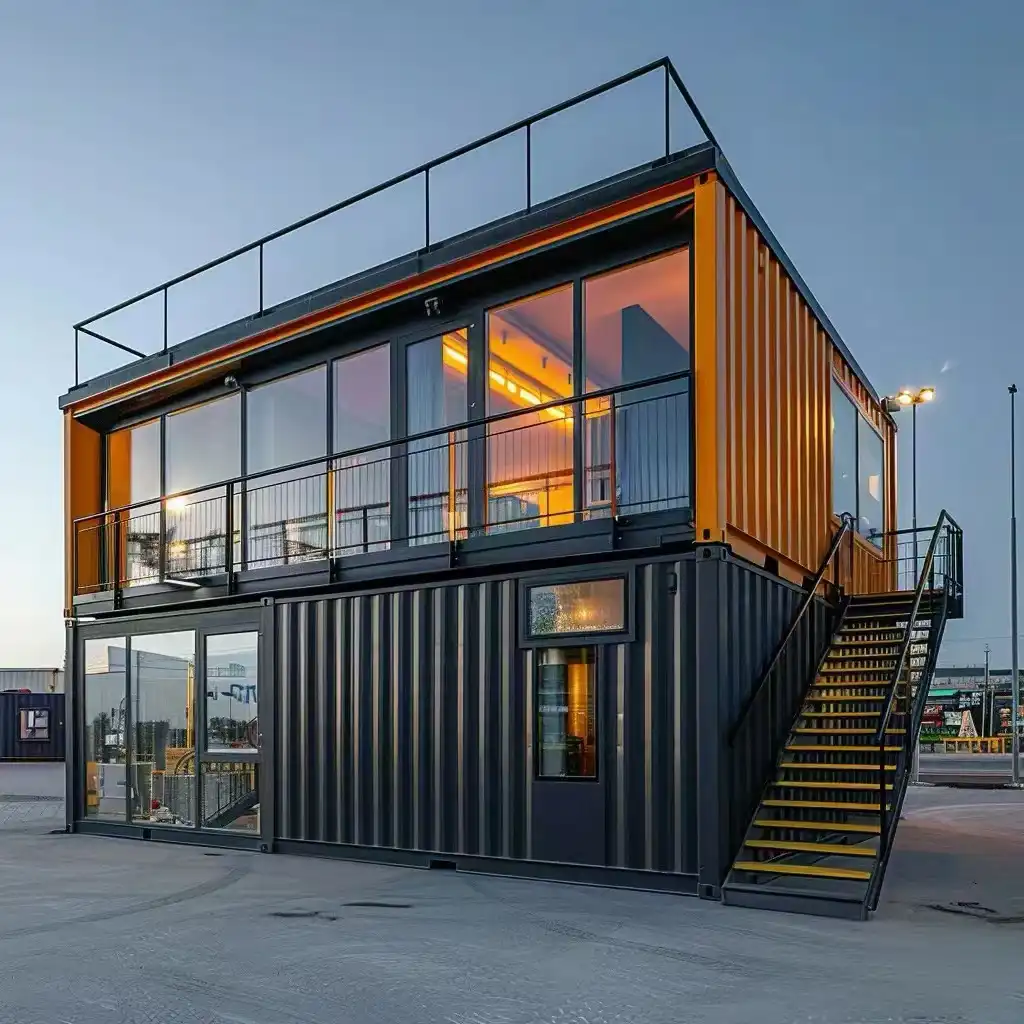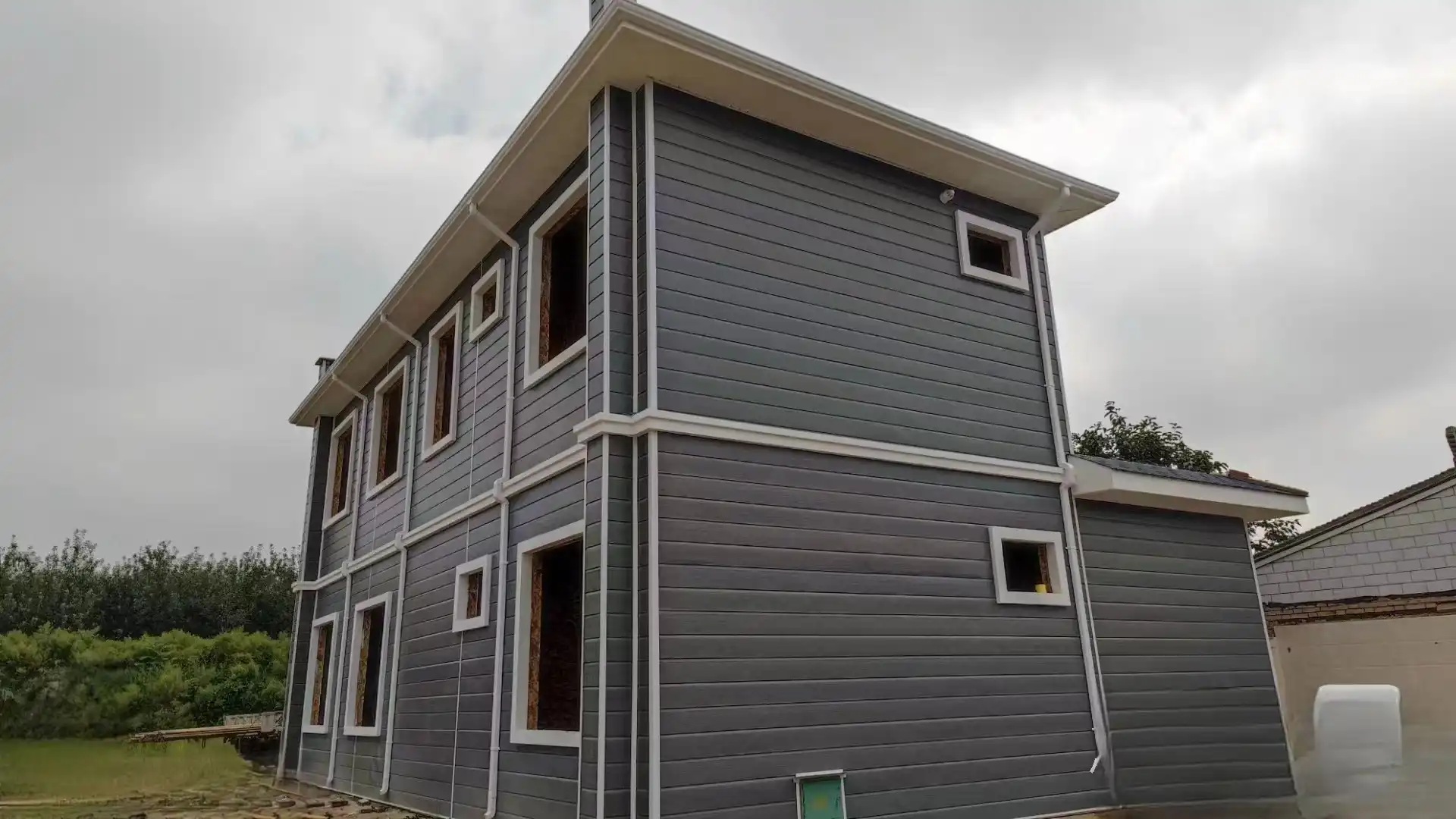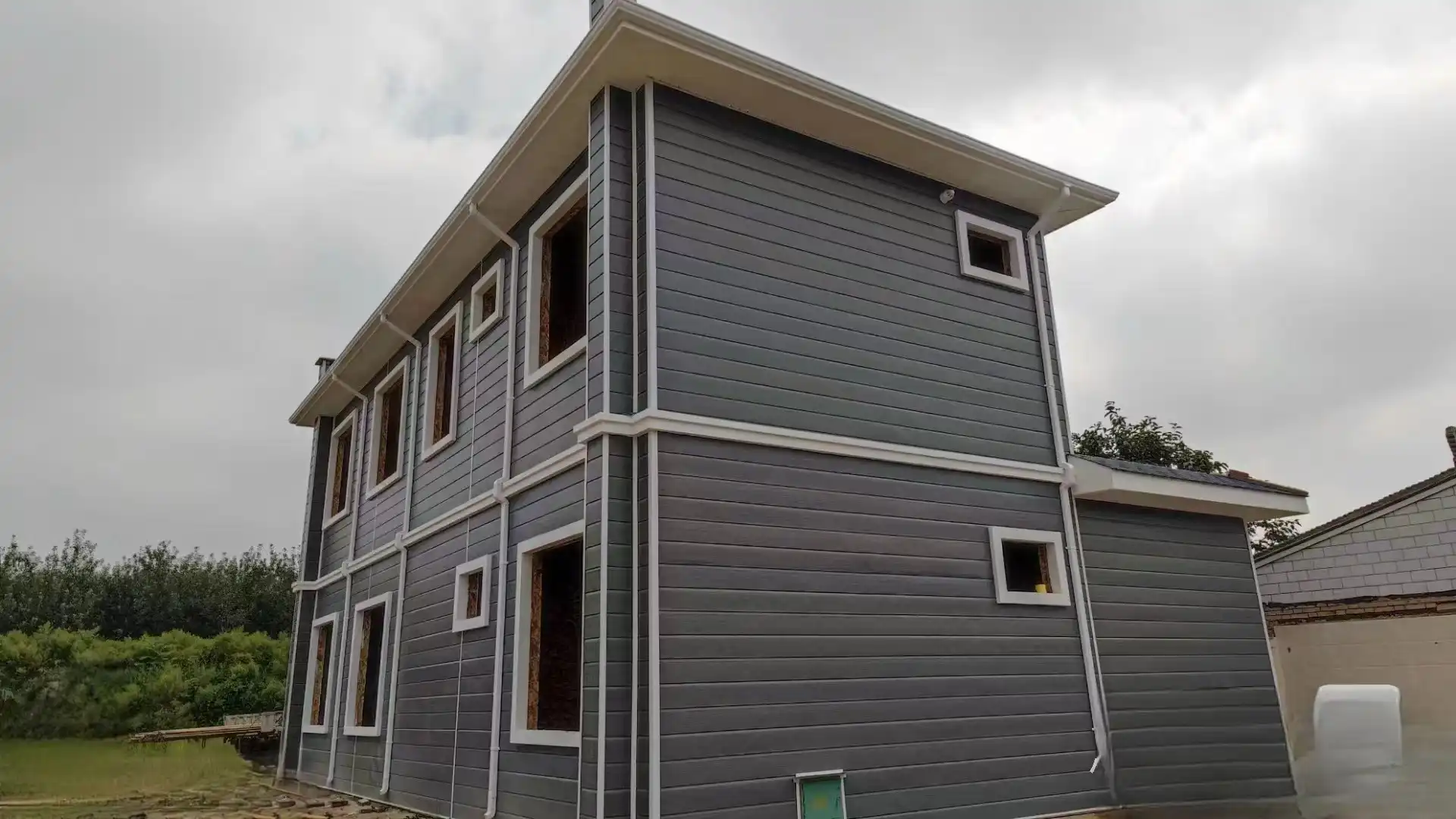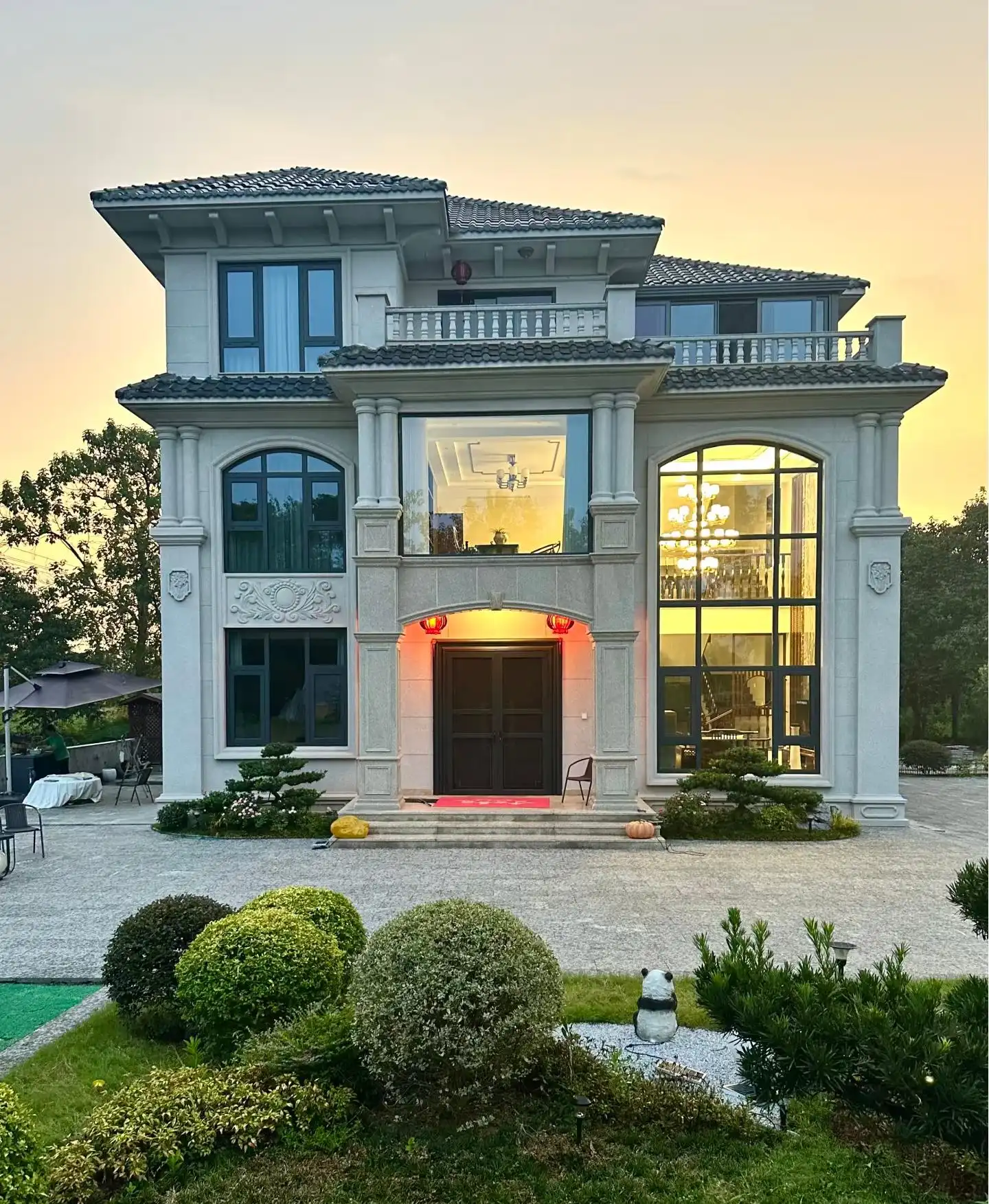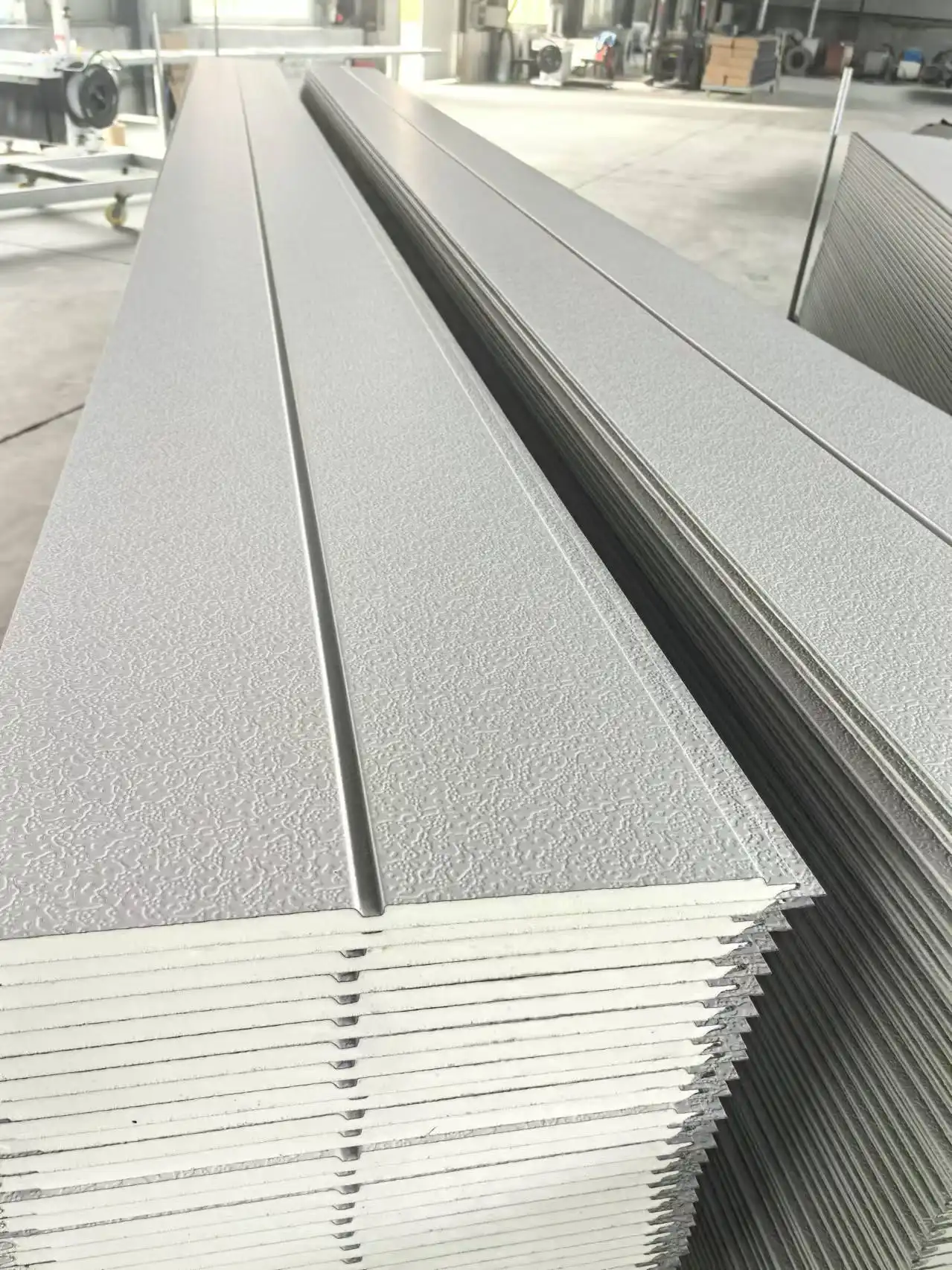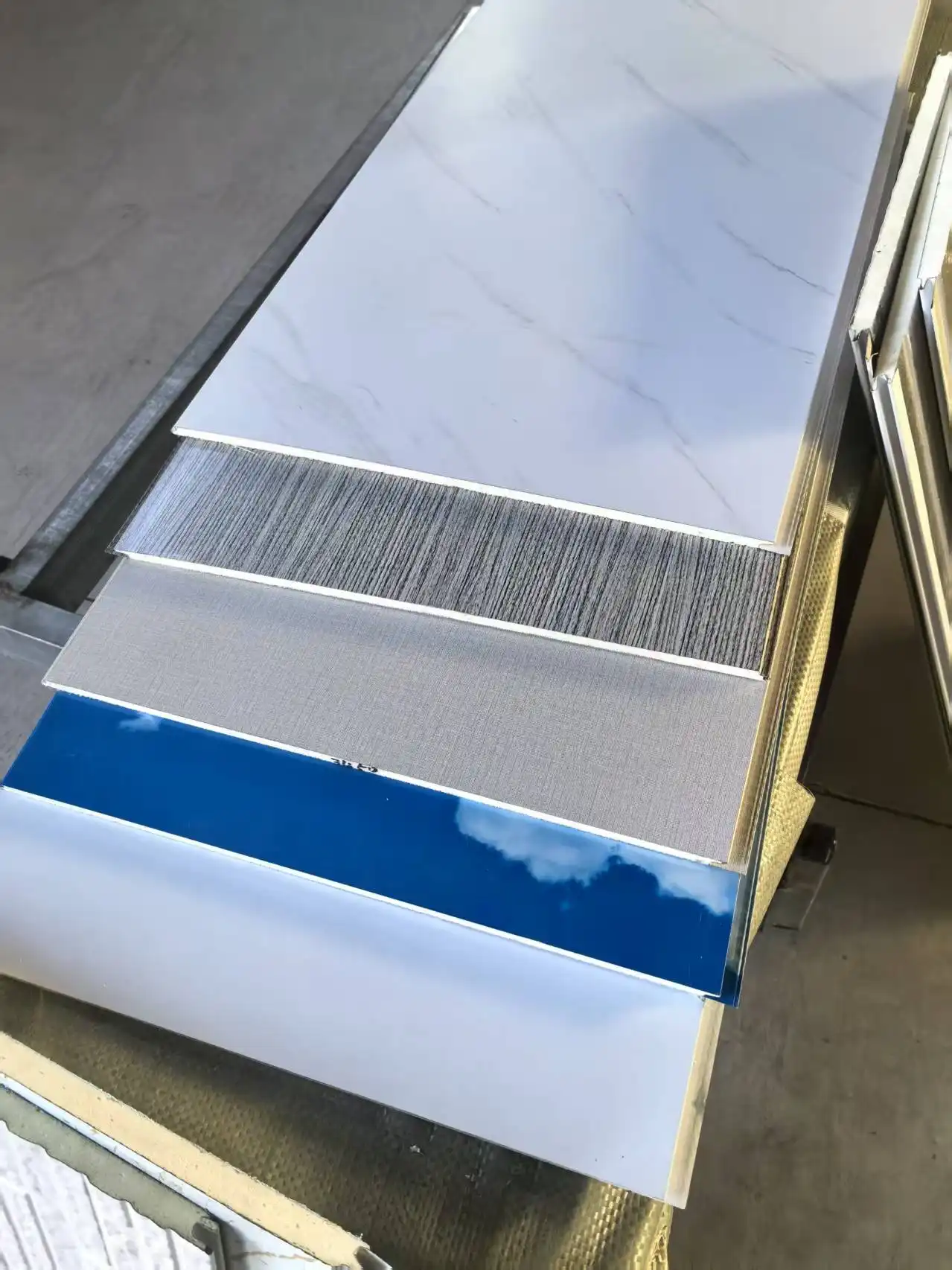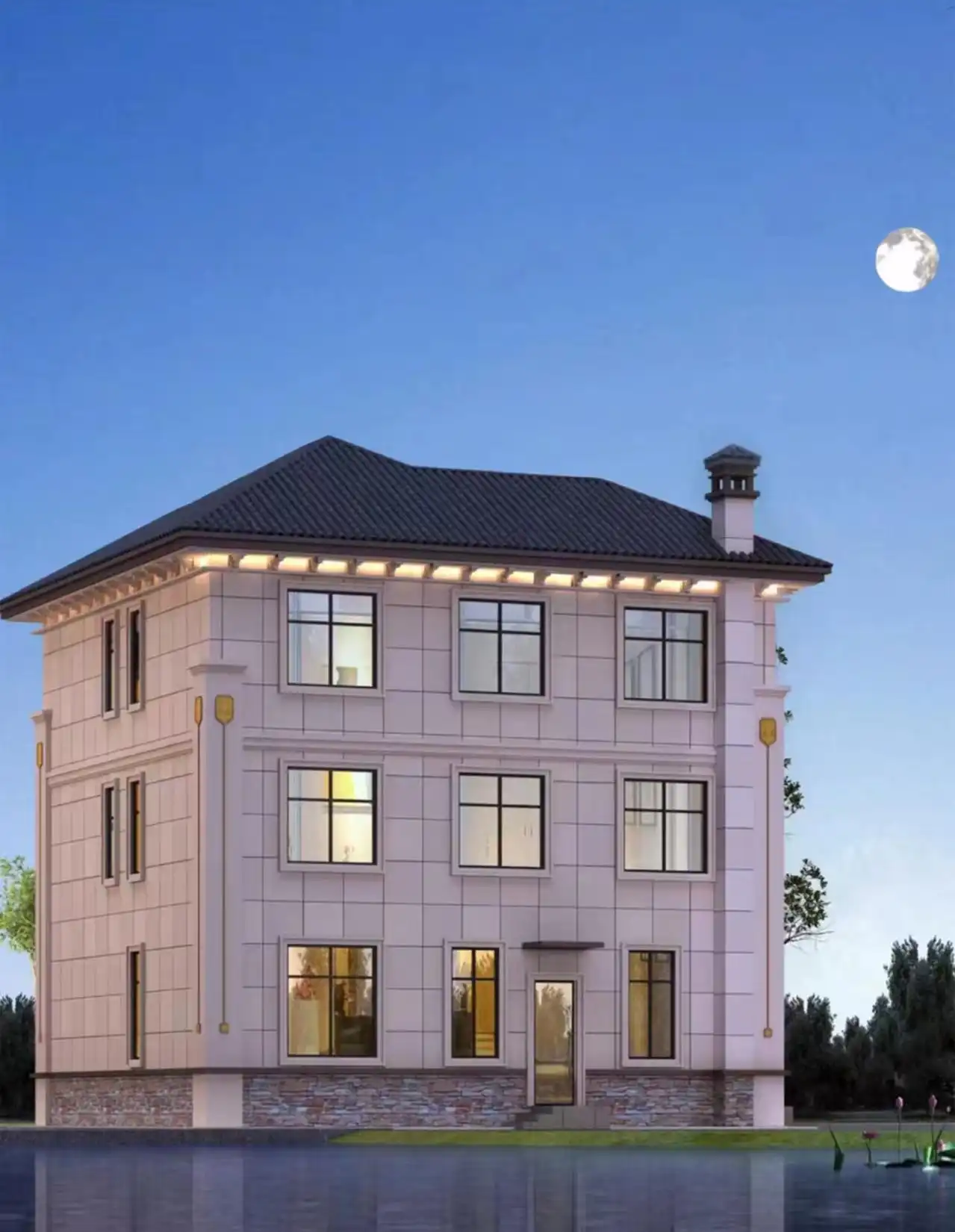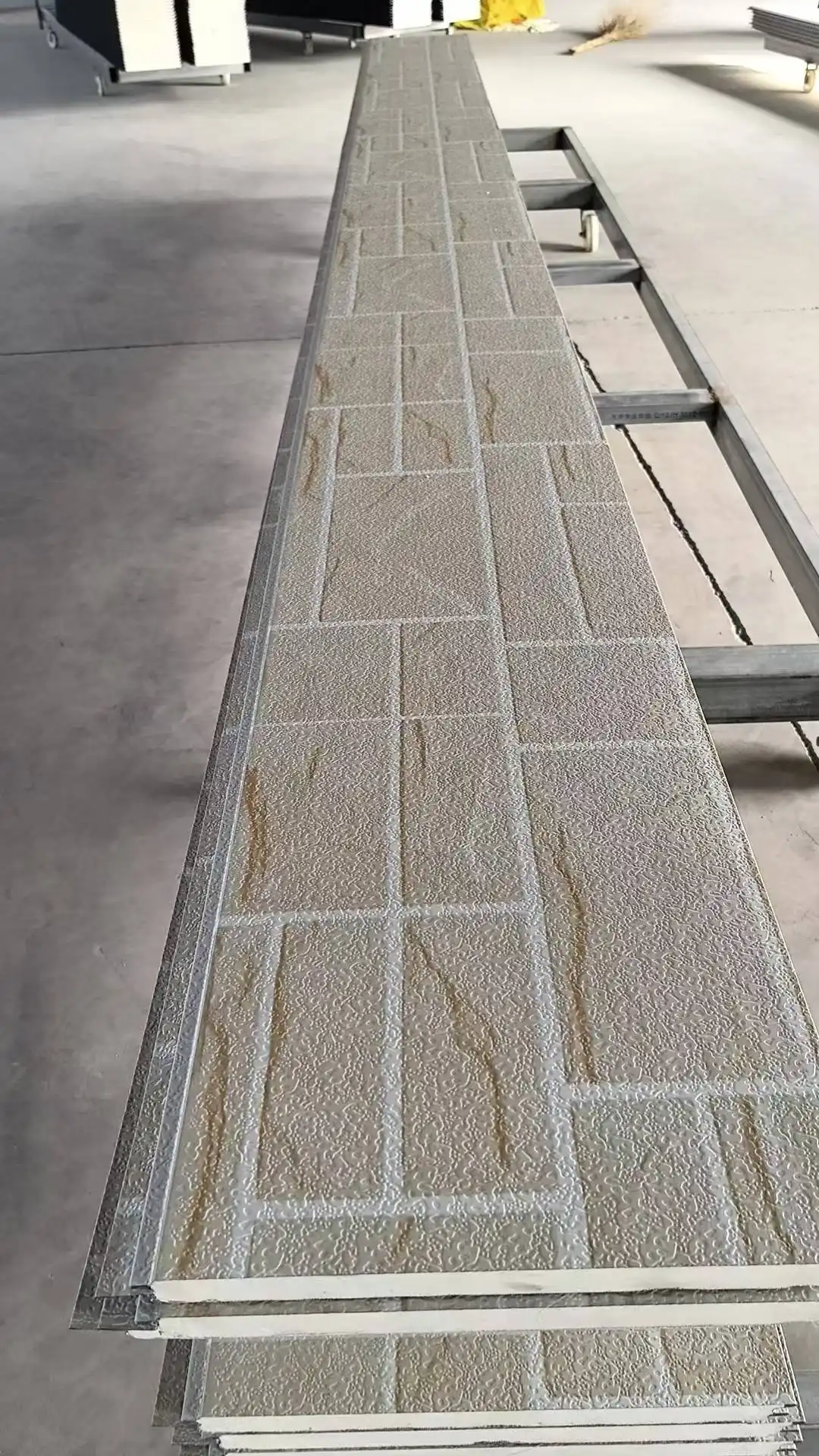
banner

blog

What are exterior panels?

When it comes to enhancing the aesthetic appeal and functionality of buildings, exterior panels play a pivotal role. These versatile architectural elements have revolutionized the way we approach building design and construction. In this comprehensive guide, we'll delve into the world of exterior panels, exploring their types, benefits, and applications.

Comprehending Exterior Panels: More Than Just a Pretty Facade

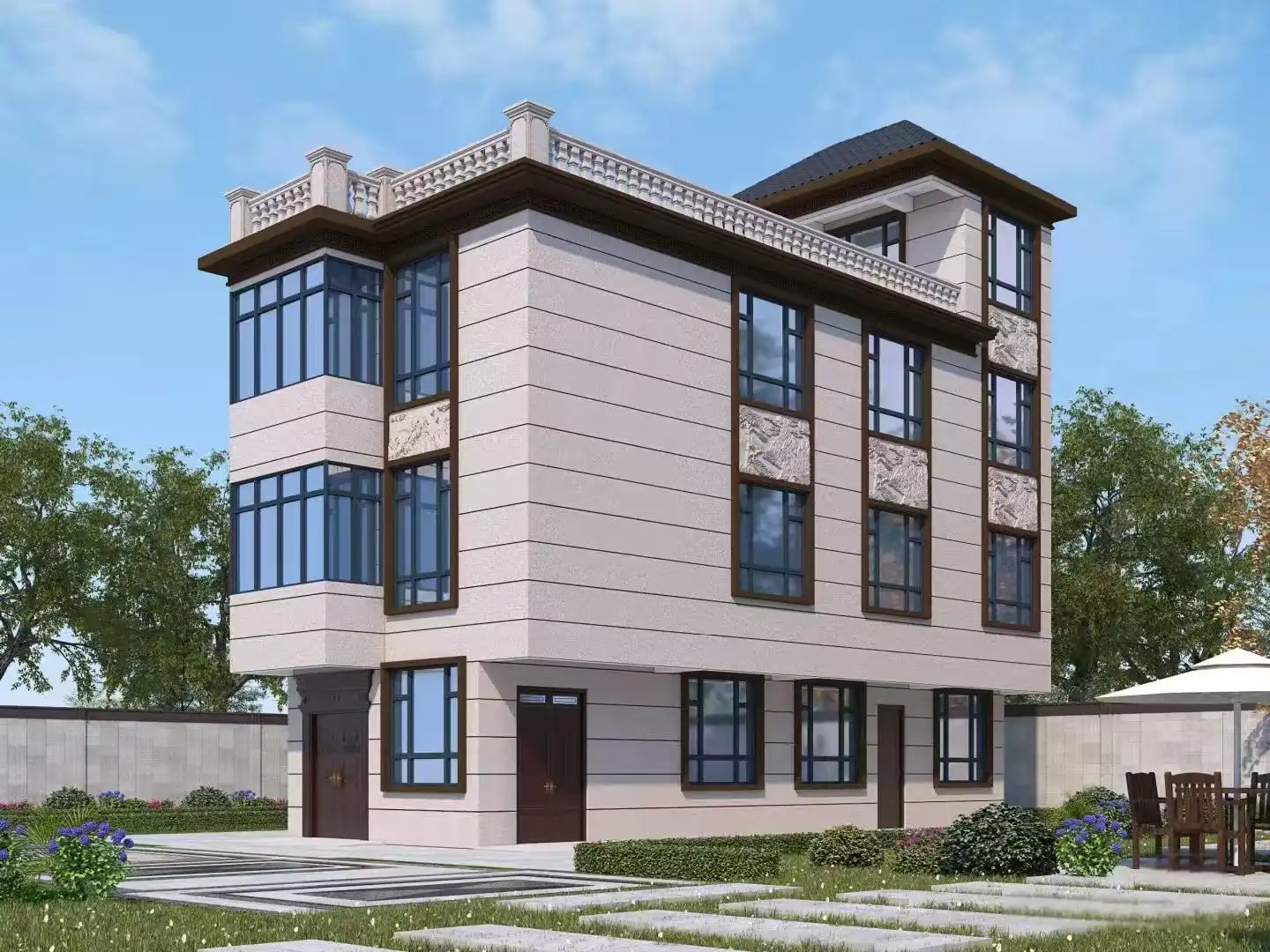
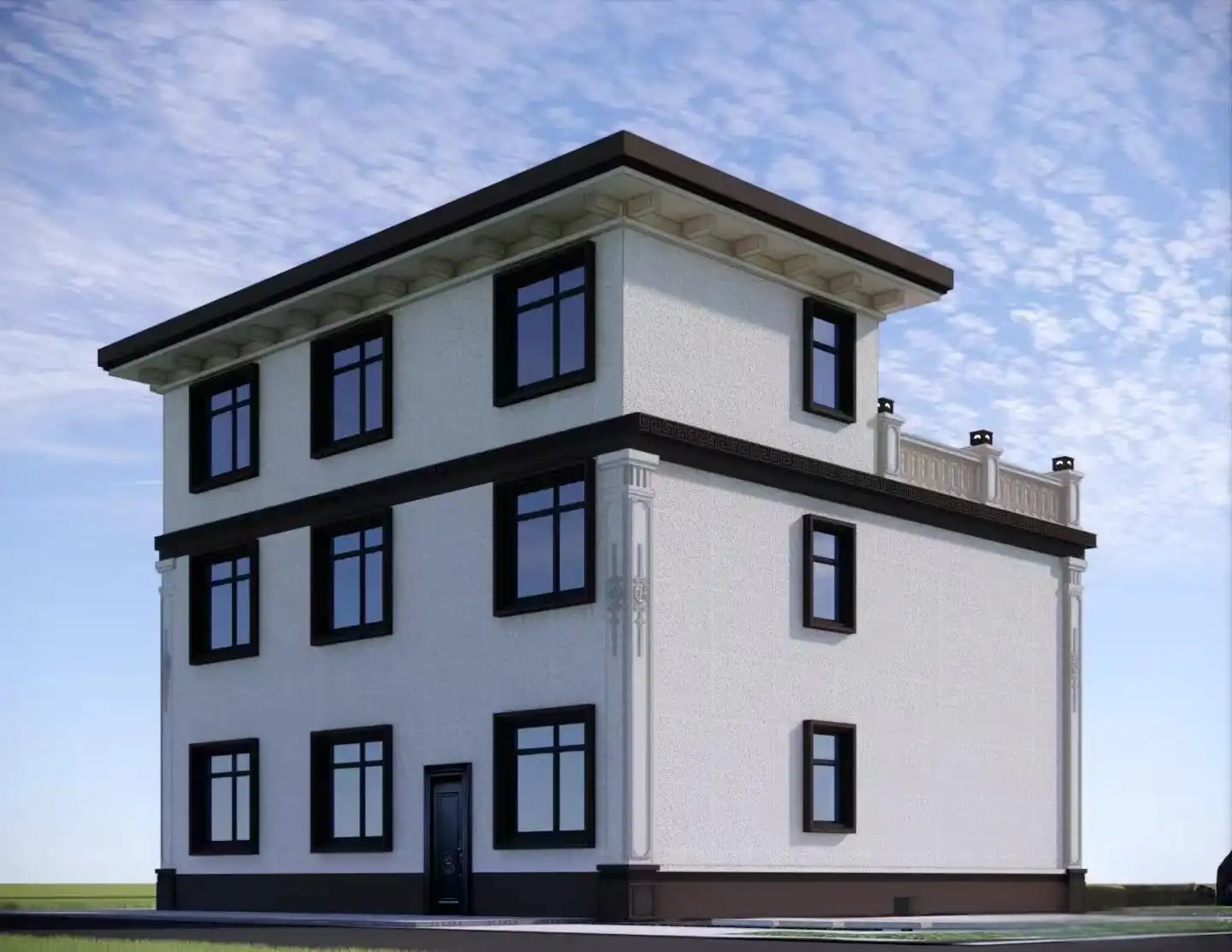
Exterior panels, also known as cladding or siding, are the outer skin of a building. They serve as a protective layer against the elements while contributing significantly to the overall appearance of the structure. These panels come in a variety of materials, each offering unique properties and visual characteristics.

Modern exterior panels are not merely decorative elements; they're engineered to provide insulation, weather resistance, and durability. The evolution of these panels has been driven by advancements in material science and manufacturing techniques, resulting in products that combine form and function in unprecedented ways.

One of the leading manufacturers in this field is Weifang Sandong Building Materials Co., Ltd., a global provider of exterior cladding and facade solutions. Their state-of-the-art production lines and rigorous quality control systems ensure that every panel meets the highest standards of performance and aesthetics.

The Diverse World of Exterior Panel Materials

The realm of exterior panels is vast and varied, offering architects and builders a plethora of options to suit different project requirements. Let's explore some of the most popular materials used in exterior panels:

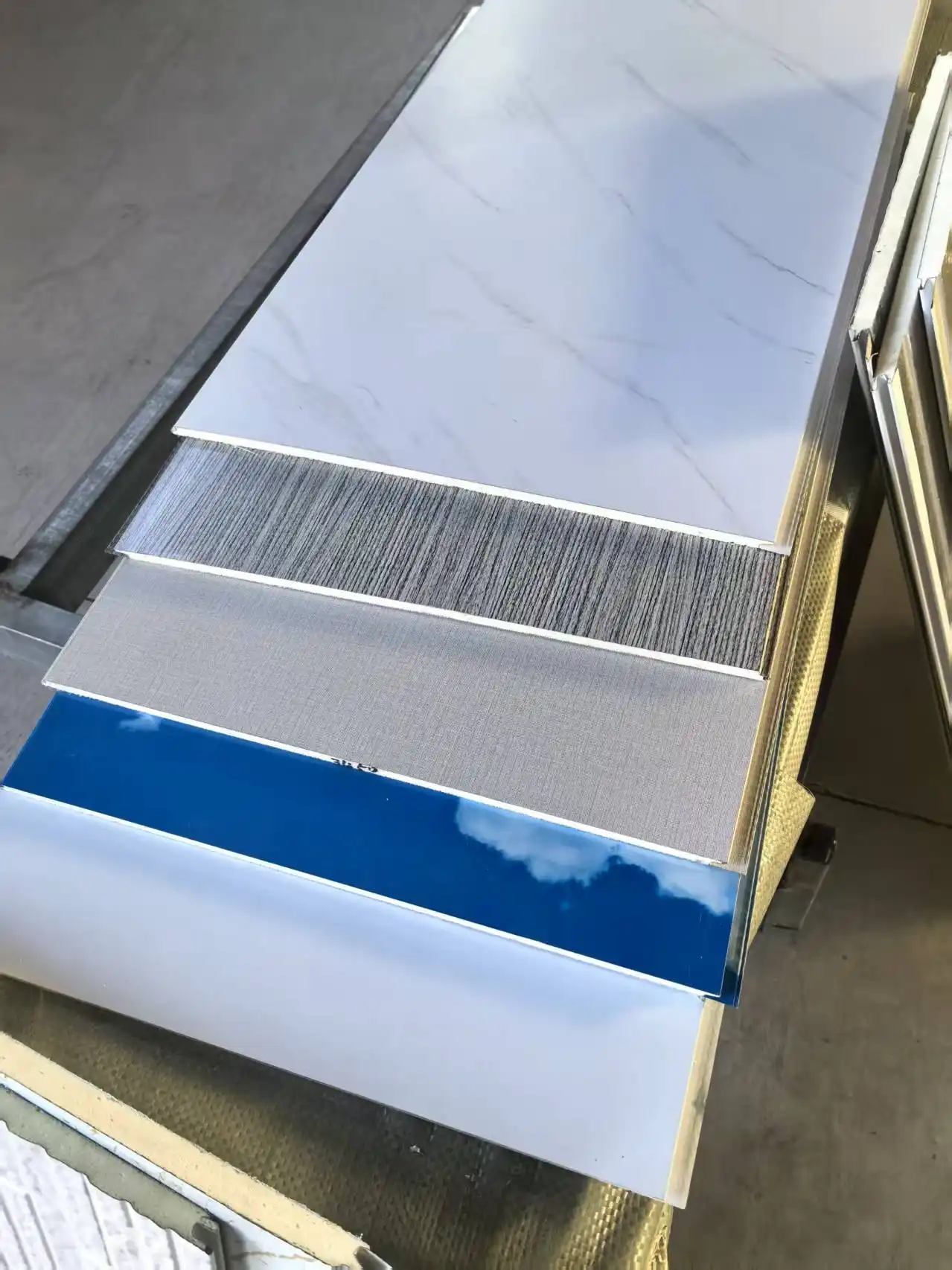
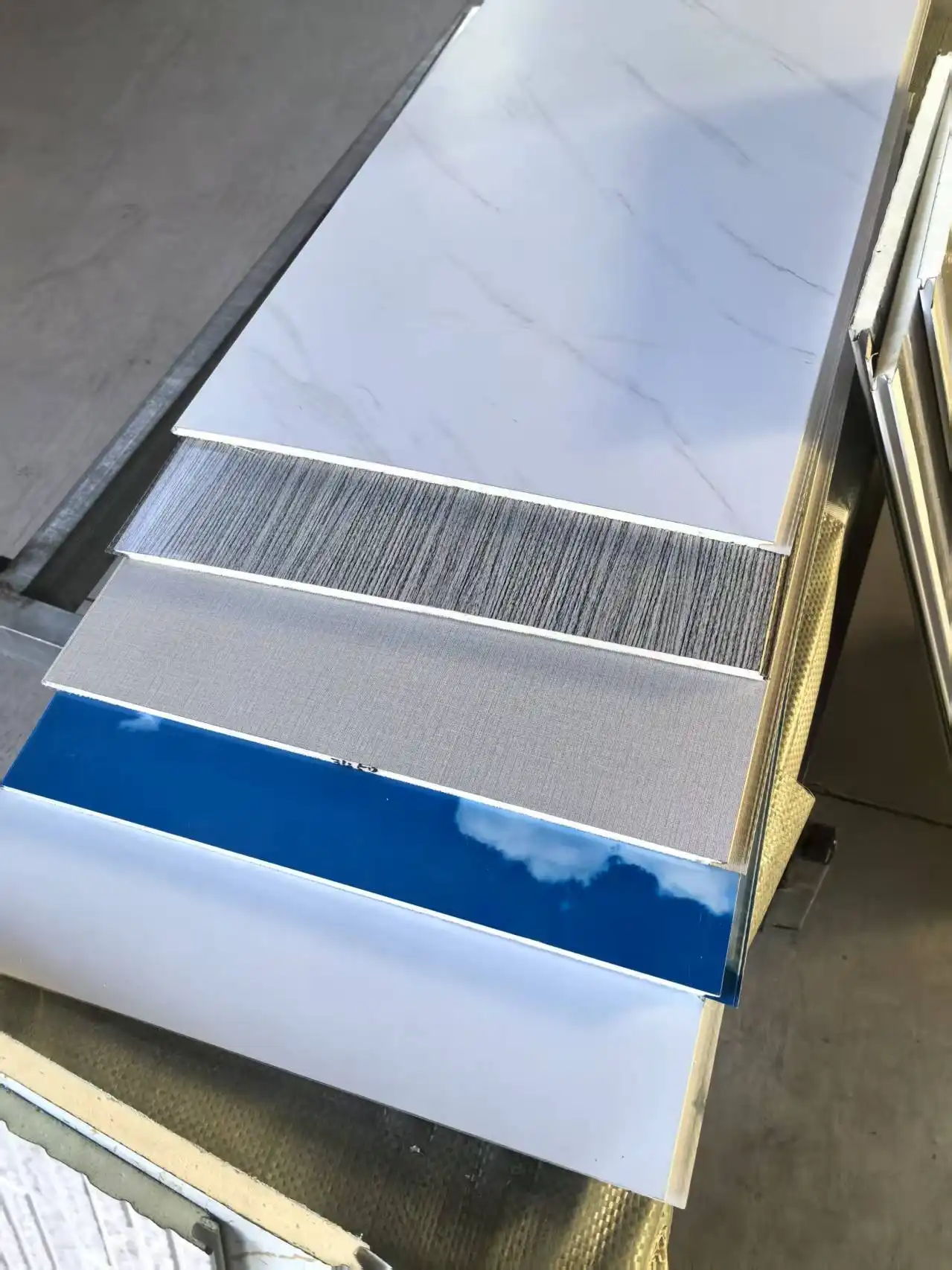
- Metal Panels: These include aluminum and steel panels, known for their durability and sleek appearance. Metal panels are often used in modern architectural designs and can be customized with various finishes and colors.

- Fiber Cement Panels: Combining the strength of cement with the flexibility of cellulose fibers, these panels offer excellent durability and fire resistance. They can mimic the look of wood or stone while requiring less maintenance.

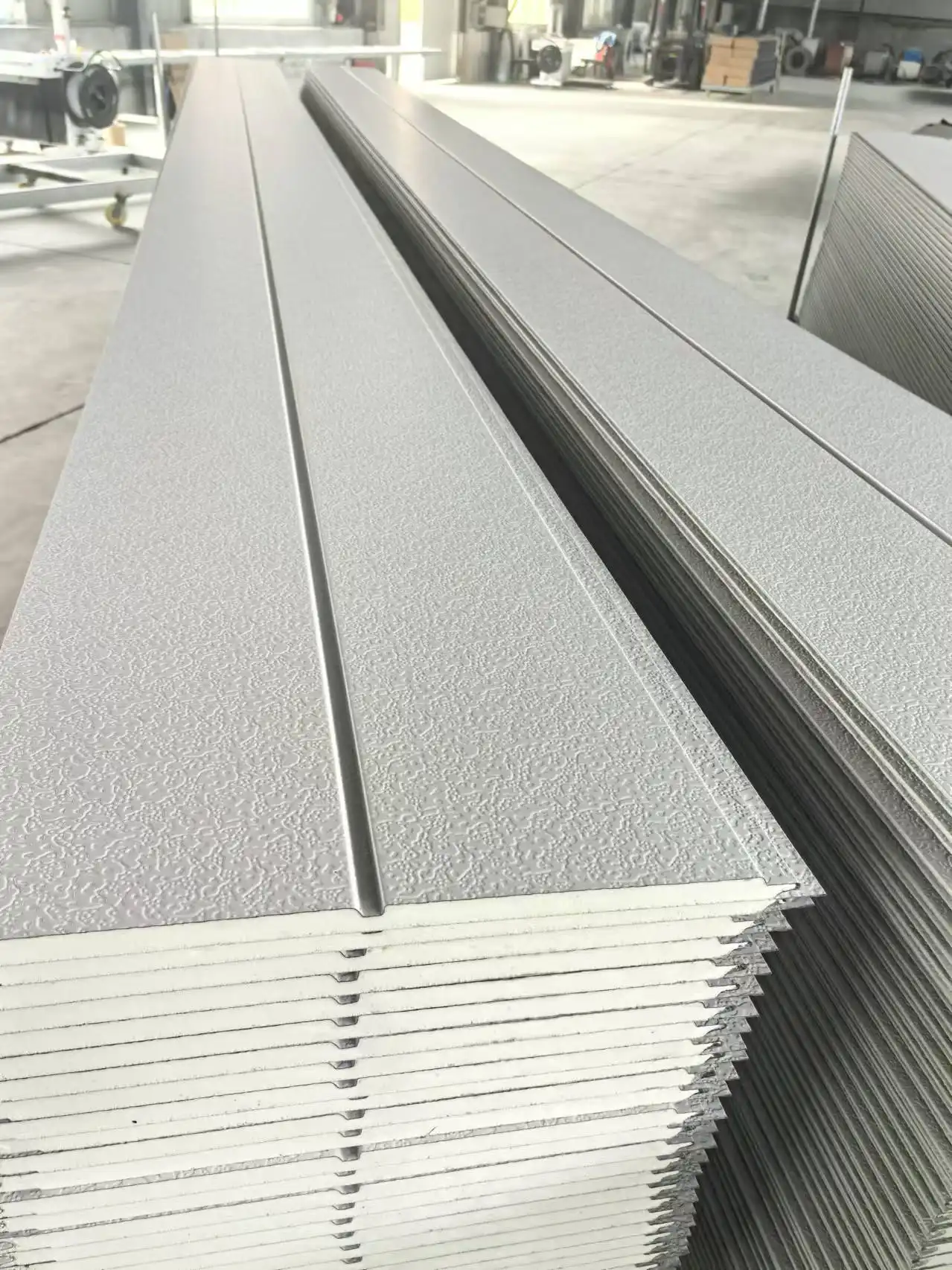
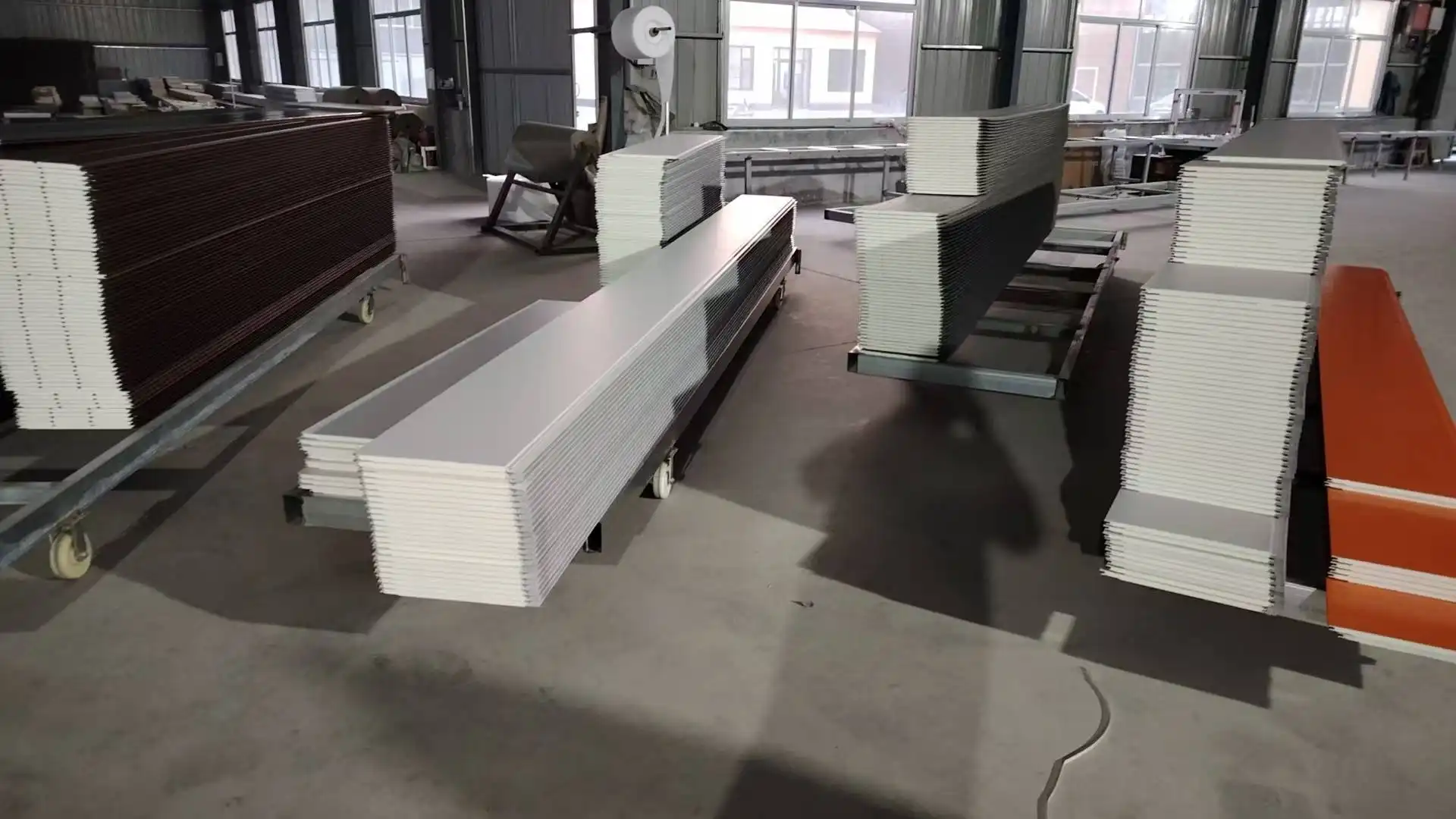
- Composite Panels: These panels are made from a combination of materials, often including a core material sandwiched between two metal sheets. They offer excellent insulation properties and can be designed to meet specific architectural requirements.

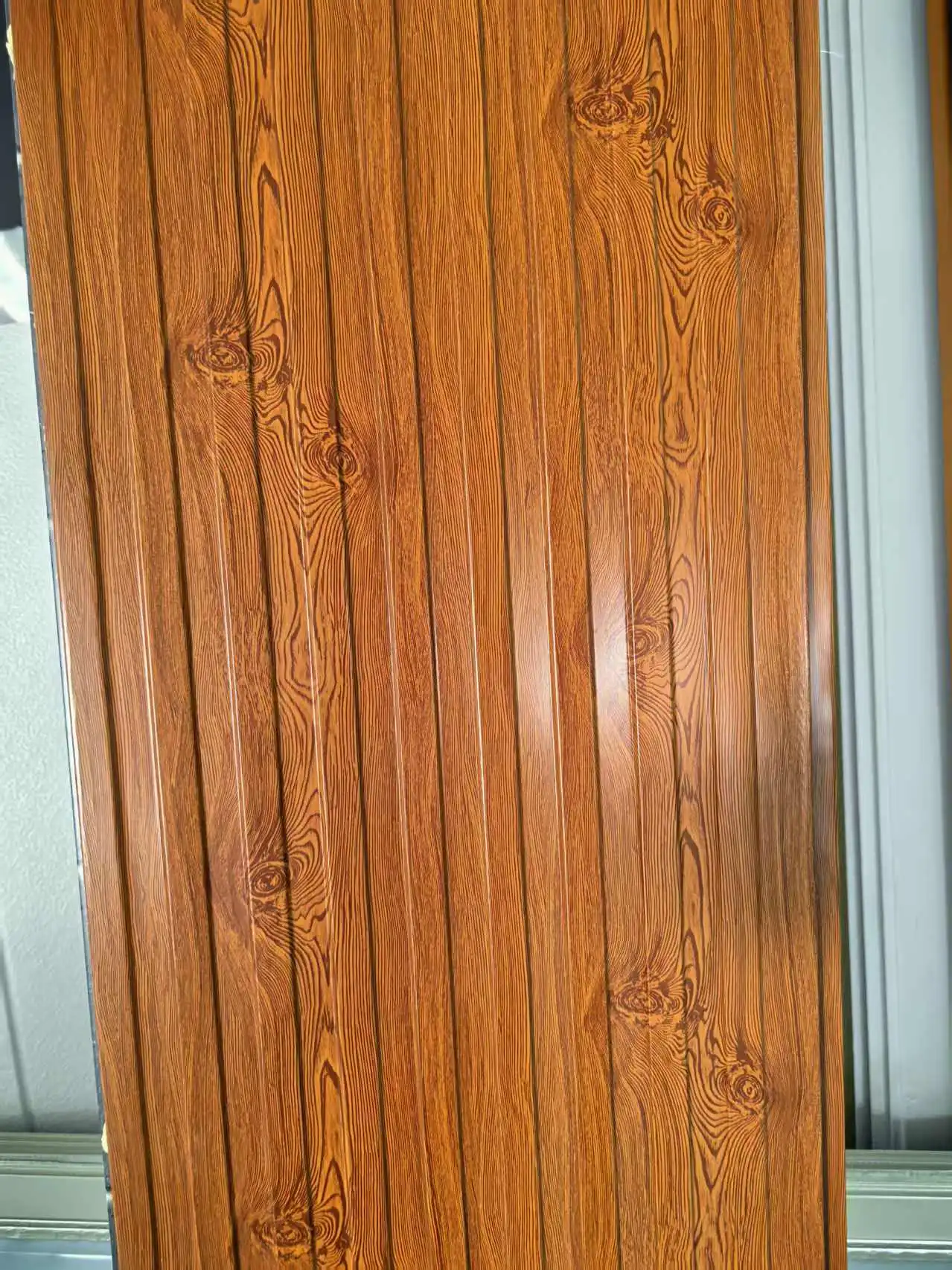
- Wood Panels: Natural wood panels provide a warm, organic look and can be treated for enhanced durability. They're popular in residential and rustic-style commercial buildings.

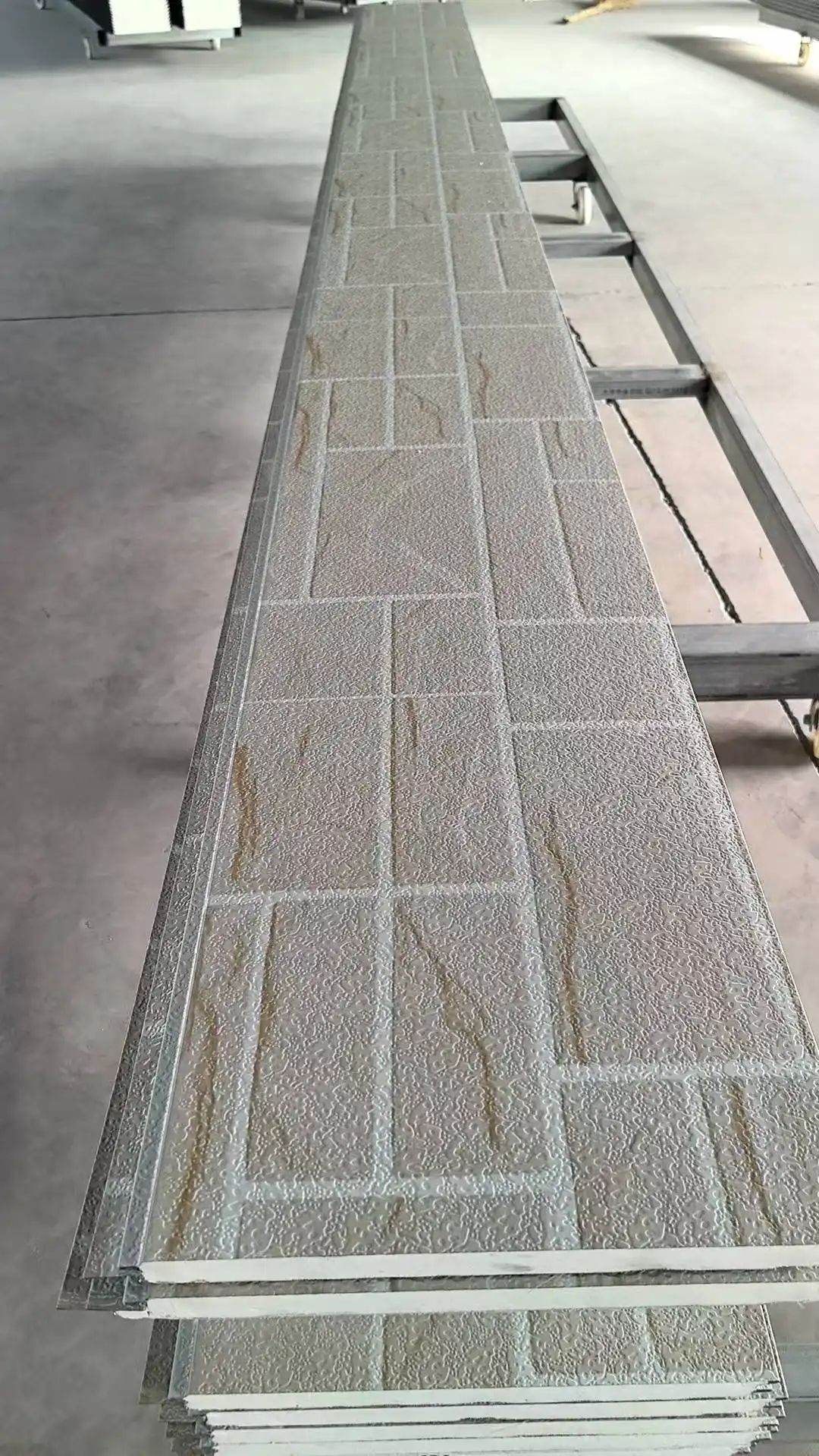
- Stone Veneer Panels: These panels offer the look of natural stone without the weight and installation complexities. They're ideal for creating a luxurious, high-end appearance.

- Glass Panels: Used extensively in modern architecture, glass panels allow for maximum natural light and create a sense of openness. They can be treated for improved energy efficiency and safety.

The Multifaceted Benefits of Exterior Panels

The adoption of exterior panels in construction projects has grown exponentially, and for good reason. These architectural elements offer a myriad of benefits that extend far beyond aesthetics:

- Enhanced Energy Efficiency: Many exterior panels, especially insulated varieties, contribute significantly to a building's thermal performance. By reducing heat transfer, they help maintain comfortable indoor temperatures and can lead to substantial energy savings.

- Weather Protection: High-quality exterior panels act as a shield against harsh weather conditions. They protect the building's structure from rain, wind, snow, and UV radiation, thereby extending the lifespan of the building.

- Aesthetic Versatility: With a wide range of colors, textures, and finishes available, exterior panels offer unparalleled design flexibility. They allow architects to create visually striking facades that can either blend in with the surroundings or make a bold architectural statement.

- Low Maintenance: Many modern exterior panels are designed to be low-maintenance. They resist fading, cracking, and warping, and can often be cleaned with simple methods, reducing long-term upkeep costs.

- Improved Acoustics: Certain types of exterior panels, particularly those with insulating properties, can help reduce noise transmission from the outside, creating a more peaceful indoor environment.

- Fire Resistance: Many exterior panel materials, such as fiber cement and certain metal panels, offer excellent fire resistance, enhancing the overall safety of the building.

- Quick Installation: Compared to traditional building methods, exterior panels often allow for faster installation, reducing construction time and labor costs.

- Sustainability: Many exterior panel materials are recyclable or made from recycled content, aligning with green building practices and contributing to LEED certification points.

Applications: Where Exterior Panels Shine?

The versatility of exterior panels makes them suitable for a wide range of applications across various sectors of the construction industry. Let's explore some of the common and innovative uses of these architectural elements:

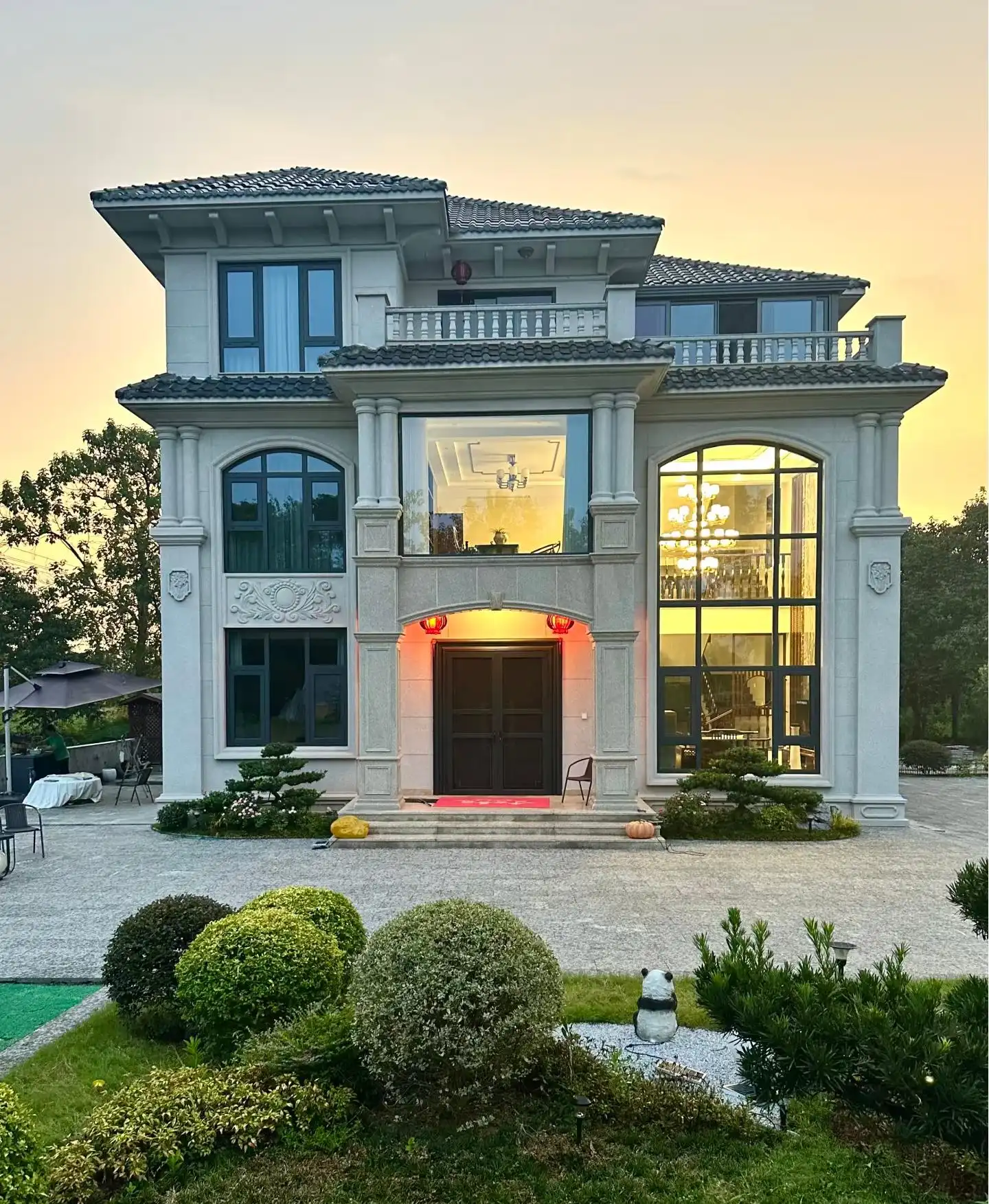
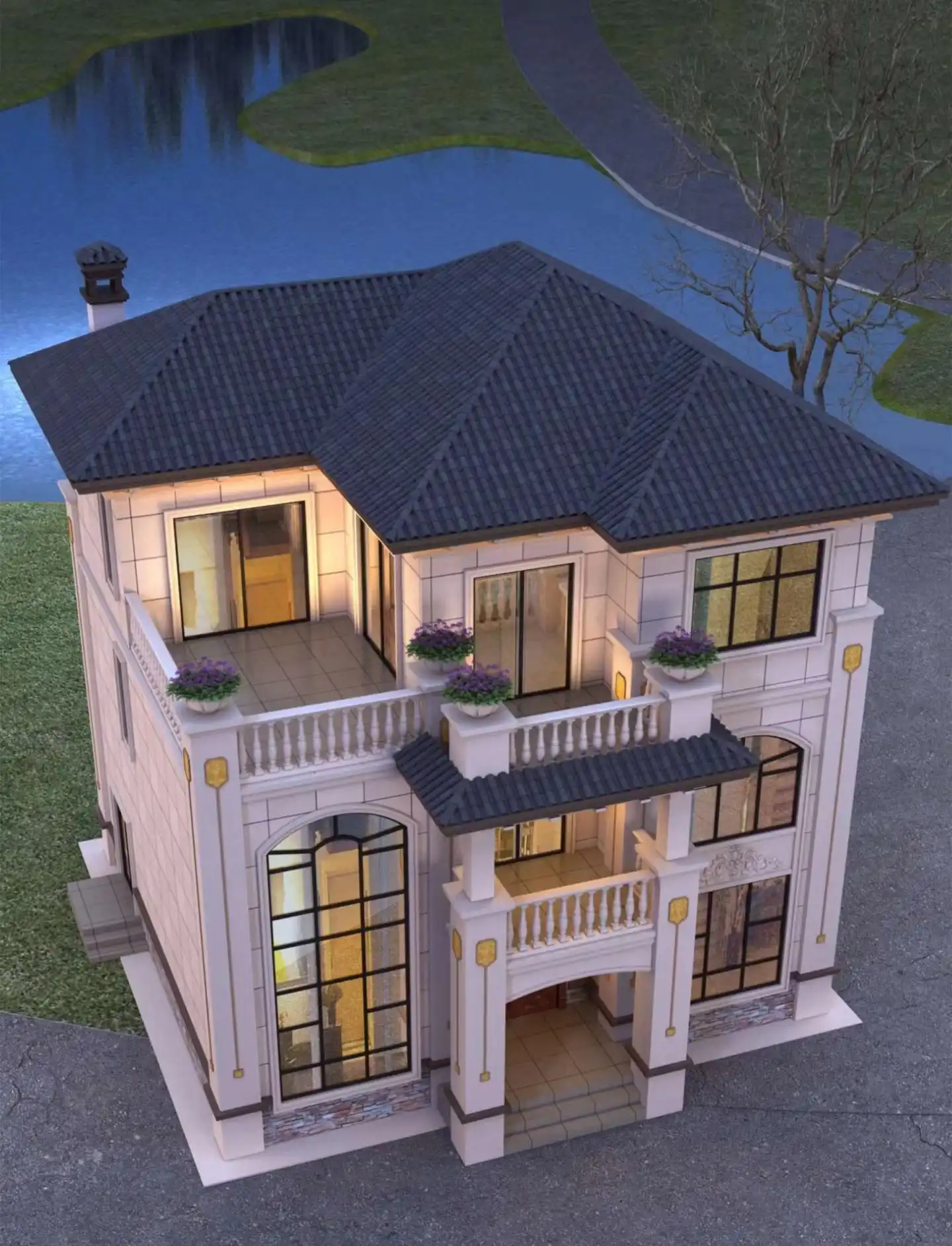
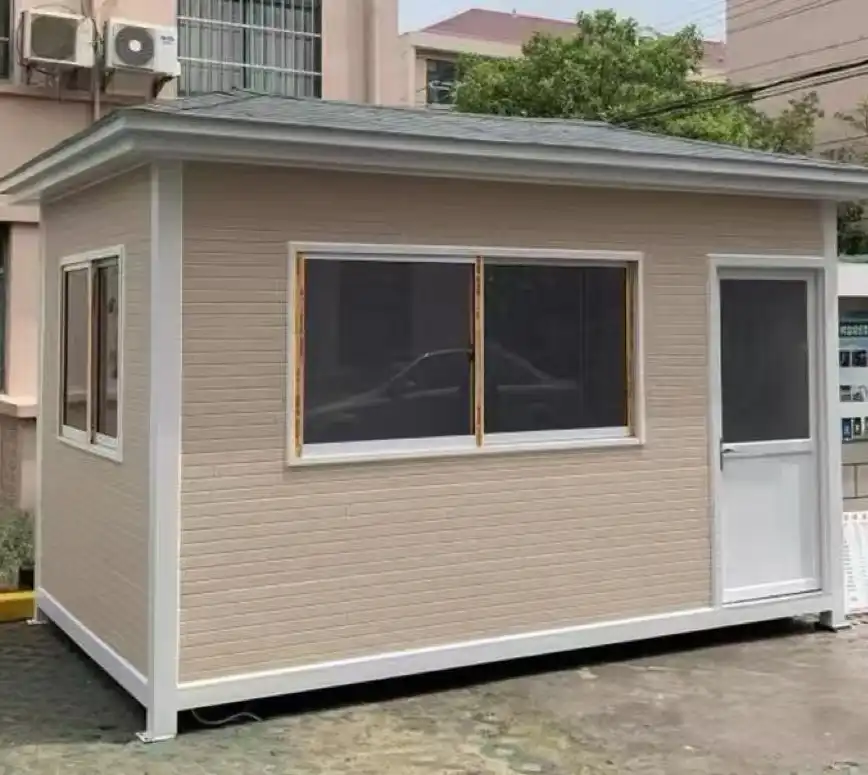
1. Residential Buildings: From single-family homes to multi-story apartment complexes, exterior panels can transform the look of residential buildings while providing essential protection against the elements. They're particularly popular for creating modern, low-maintenance facades.

2. Commercial Structures: Office buildings, retail centers, and industrial facilities often utilize exterior panels to create distinctive, professional appearances. The durability and low maintenance requirements of these panels make them ideal for high-traffic commercial environments.

3. Educational Institutions: Schools, universities, and research facilities benefit from the energy efficiency and aesthetic versatility of exterior panels. These buildings often require a balance of functionality and inspiring design, which exterior panels can readily provide.

4. Healthcare Facilities: Hospitals and clinics use exterior panels to create clean, welcoming facades. The ability to maintain a sterile environment extends to the building's exterior, where easy-to-clean panels can contribute to overall hygiene.

5. Hospitality Sector: Hotels and resorts often use exterior panels to create striking, memorable designs that set them apart in competitive markets. The panels can be used to evoke specific themes or complement natural surroundings.

6. Sports and Recreation: Stadiums, gyms, and recreational facilities benefit from the durability and weather resistance of exterior panels. These structures often face harsh conditions and high usage, making robust exterior solutions crucial.

7. Transportation Hubs: Airports, train stations, and bus terminals use exterior panels to create modern, efficient-looking structures that can withstand high traffic and varying weather conditions.

8. Cultural and Civic Buildings: Museums, theaters, and government buildings often use exterior panels to create iconic designs that reflect their importance in the community.

9. Renovation Projects: Exterior panels are an excellent solution for updating the look and performance of older buildings. They can be installed over existing structures, providing a cost-effective facelift and improved energy efficiency.

10. Temporary Structures: The ease of installation and removal makes certain types of exterior panels ideal for temporary buildings such as exhibition halls or emergency shelters.

Conclusion

Exterior panels represent a confluence of aesthetics, functionality, and innovation in modern architecture. As we've explored, these versatile elements offer a wide array of benefits, from enhanced energy efficiency and weather protection to aesthetic flexibility and low maintenance requirements. Their applications span across various sectors of the construction industry, making them a cornerstone of contemporary building design. As technology advances and environmental concerns become more pressing, we can expect exterior panels to evolve further. Future developments may include even more sustainable materials, improved insulation properties, and perhaps integration with smart building technologies.

To learn more about exterior cladding and facade solutions, or to discuss your specific project needs, don't hesitate to reach out to the experts at Weifang Sandong Building Materials Co., Ltd. You can contact them at info@sdqsc.com. Their team of professionals is ready to help you explore the possibilities and find the perfect exterior panel solution for your next project.

References

1. American Institute of Architects. (2021). "Exterior Wall Systems: Design Guide."

2. Building Science Corporation. (2020). "Guide to Exterior Wall Claddings."

3. Journal of Architectural Engineering. (2019). "Advancements in Exterior Panel Technologies."

4. National Institute of Building Sciences. (2022). "Whole Building Design Guide: Exterior Enclosures."

5. Environmental Protection Agency. (2021). "Energy Star Building Upgrade Manual."

SHOW NOW
Creative Ways to Use Exterior Panels for Home Design

Exterior panels have become a game-changer in modern home design, offering a perfect blend of aesthetics and functionality. These versatile architectural elements not only enhance the visual appeal of your home but also provide excellent insulation and protection against the elements. In this article, we'll explore innovative and creative ways to incorporate exterior panels into your home design, transforming your living space into a stunning masterpiece.

Elevating Your Home's Façade with Exterior Panels

The façade of your home serves as its first impression, and using exterior panels offers endless opportunities to create a striking and unique look. One creative approach is to mix and match various panel materials, colors, and textures to achieve a visually dynamic exterior. For example, combining sleek, modern metal panels with warm, wood-textured ones can strike a perfect balance between contemporary elegance and natural warmth, giving your home a welcoming yet sophisticated appearance.

Another innovative technique involves incorporating geometric patterns into the façade using exterior panels. By arranging panels in varying shapes and sizes or installing them at different angles, you can create a bold, architectural statement. Geometric arrangements add movement and visual interest to the exterior, making your home stand out in any neighborhood. Whether it's a series of angular shapes or a more intricate pattern, the effect can be both modern and artistic.

If you prefer a more understated approach, consider using exterior panels to emphasize specific architectural features of your home. For example, contrasting panel colors or textures around windows and doors can create a striking visual frame, making these focal points stand out. Alternatively, you could use panels to accentuate the roofline or highlight other structural elements, such as columns or corners, to add depth and character to your façade without overwhelming the overall design.

Reimagining Interior Spaces with Exterior Panels

While typically reserved for exterior use, these versatile panels can be just as effective inside your home, offering both functional and aesthetic benefits. One innovative idea is to incorporate exterior panels as feature walls in living rooms or bedrooms. With their unique textures and finishes, these panels can bring added depth, warmth, and character to any interior, turning a simple wall into a striking focal point that captures attention.

In open-plan living spaces, exterior panels can also serve as an elegant way to define different areas without the need for traditional, solid walls. For instance, a partition made from semi-transparent or perforated panels can subtly separate the dining area from the living room, creating clear zones while preserving an open, airy atmosphere. This approach works particularly well in modern homes where fluidity and space are important, offering both privacy and openness in one design solution.

Another creative and often overlooked application is using exterior panels on ceilings. Paneled ceilings can add a sense of texture and visual interest, transforming an often-overlooked surface into a key design element. When combined with strategic lighting, this approach can make a room feel larger or more inviting, especially in spaces with higher ceilings. The play of shadows and light on the panels can also create a warm, ambient atmosphere that enhances the overall mood of the room.

By thinking beyond their traditional use, exterior panels offer a multitude of ways to elevate the interior of your home. Whether used to create striking feature walls, define spaces in an open-plan layout, or add unexpected dimension to ceilings, these panels can help transform your living spaces with style and sophistication.

Outdoor Living Spaces Enhanced by Exterior Panels

Exterior panels can play a crucial role in creating inviting outdoor living spaces. One innovative idea is to use these panels to construct a modern pergola or gazebo in your backyard. The durability and weather-resistant properties of exterior panels make them ideal for such structures, providing both shade and style. For those with a flair for the dramatic, consider using exterior panels to create an outdoor accent wall. This could serve as a stunning backdrop for a garden or patio area, adding a touch of sophistication to your outdoor space.

Exterior panels can also be used to construct stylish privacy screens or fences. By choosing panels with interesting textures or patterns, you can transform a functional barrier into a design feature in its own right. The possibilities for creative use of exterior panels in home design are virtually limitless. From enhancing your home's curb appeal to reimagining interior spaces and elevating outdoor living areas, these versatile architectural elements offer a world of design opportunities.

At Weifang Sandong Building Materials Co., Ltd., we're committed to manufacturing and distributing the world's finest cladding products, including a wide range of exterior panels. Our advanced production lines and rigorous quality control system ensure that each panel meets the highest standards of quality and performance.

Our exterior panels undergo comprehensive inspections for thickness, paint film thickness, mechanical strength, flame retardancy, and appearance. This meticulous attention to detail makes our panels suitable for a variety of construction projects, from residential complexes and offices to historic building renovations and municipal structures.

Conclusion

In conclusion, exterior panels represent a powerful tool in the modern designer's toolkit, offering a blend of form and function that can transform any home. By thinking outside the box and exploring creative applications, you can use these versatile elements to create a home that's truly unique and reflective of your personal style. If you're ready to explore the possibilities of exterior panels for your home design project, we invite you to reach out to us at info@sdqsc.com. Our team of experts is ready to help you bring your vision to life.

References

1. Brock, L., & Brown, J. (2020). Innovative Exterior Design: Trends and Technologies. Architectural Digest, 45(3), 78-85.

2. Chen, H., & Wang, Y. (2021). Sustainable Building Materials: A Comprehensive Review. Journal of Green Building, 16(2), 121-140.

3. Davis, M. (2019). The Art of Architectural Cladding. BuildingGreen, 28(4), 12-18.

4. Evans, R., & Smith, T. (2022). Energy Efficiency in Modern Home Design. Energy and Buildings, 254, 111563.

5. Johnson, K. (2021). Exterior Panels: A Guide to Selection and Installation. Professional Builder, 86(5), 32-39.

SHOW NOW
How Decorative Cladding Can Boost Your Home's Value?

When it comes to enhancing your home's aesthetic appeal and increasing its market value, few improvements can match the impact of decorative interior cladding. This versatile design element has gained immense popularity among homeowners and interior designers alike, thanks to its ability to transform ordinary spaces into stunning, eye-catching environments. In this comprehensive guide, we'll explore the various ways decorative cladding can elevate your home's ambiance and potentially increase its resale value.

The Aesthetic Appeal of Decorative Interior Cladding

Decorative interior cladding offers a myriad of design possibilities, allowing homeowners to express their unique style and create visually striking interiors. From sleek, modern panels to rustic wood-inspired finishes, the options are virtually limitless. These cladding solutions can be applied to walls, ceilings, and even furniture, providing a cohesive look throughout your living spaces.

One of the key advantages of decorative cladding is its ability to mimic high-end materials at a fraction of the cost. For instance, you can achieve the luxurious look of marble or the warmth of natural wood without the associated maintenance and expense. This versatility allows homeowners to create upscale interiors that can significantly boost the perceived value of their property.

Moreover, decorative cladding can be used to accentuate architectural features or create focal points within a room. By strategically applying cladding to specific areas, such as a feature wall or around a fireplace, you can draw attention to the most impressive aspects of your home's design. This targeted approach can make a lasting impression on potential buyers and contribute to a higher valuation of your property.

Practical Benefits of Decorative Cladding

While the aesthetic appeal of decorative interior cladding is undeniable, its practical benefits are equally impressive. These functional advantages can play a crucial role in increasing your home's value and attractiveness to potential buyers.

Durability is a key factor that sets decorative cladding apart from traditional wall finishes. High-quality cladding materials are designed to withstand daily wear and tear, resisting scratches, dents, and fading. This longevity translates to lower maintenance costs and a consistently attractive appearance over time, both of which are highly valued by homeowners and prospective buyers.

Another significant benefit of decorative cladding is its insulative properties. Many cladding materials offer excellent thermal and acoustic insulation, helping to regulate indoor temperatures and reduce noise transmission between rooms. This can lead to improved energy efficiency and lower utility bills, which are increasingly important considerations in today's environmentally conscious real estate market.

Furthermore, decorative cladding can provide an additional layer of protection for your walls, shielding them from moisture, impact damage, and general wear. This protective function can extend the lifespan of your home's structural elements, potentially saving you money on repairs and renovations in the long run.

Maximizing ROI with Strategic Cladding Choices

To truly maximize the return on investment (ROI) of decorative interior cladding, it's essential to make strategic choices that align with current design trends and buyer preferences. By doing so, you can ensure that your cladding investment not only enhances your living experience but also adds tangible value to your property.

One approach is to focus on high-traffic areas and spaces that typically influence buyers' decisions. For example, applying decorative cladding in entryways, living rooms, and master bedrooms can create a strong first impression and set your home apart from others on the market. Similarly, using cladding to upgrade kitchens and bathrooms – two areas that heavily influence property values – can yield significant returns.

When selecting cladding materials and designs, it's wise to opt for timeless styles that have broad appeal. While bold patterns and trendy colors may be tempting, they can quickly become dated and potentially turn off some buyers. Instead, consider neutral tones and classic textures that can complement a variety of decor styles and stand the test of time.

It's also worth noting that the quality of installation plays a crucial role in the overall impact of decorative interior cladding. Professional installation ensures that the cladding is properly secured, aligned, and finished, resulting in a polished look that can significantly enhance your home's perceived value. While DIY installation may be tempting for cost-saving reasons, the expertise of professionals can make a substantial difference in the final result and its impact on your home's value.

Weifang Sandong Building Materials Co., Ltd., a global provider of exterior cladding and facade solutions, offers a wide range of high-quality cladding options suitable for various applications. Their products, which include exterior wall claddings, insulated sandwich wall panels, and light gauge steel framing, are manufactured using advanced production lines and undergo strict quality control measures. This ensures that each cladding panel meets the highest standards of performance and aesthetics.

The versatility of their metal siding panels makes them ideal for a diverse range of construction projects, from residential complexes and offices to historic building renovations and municipal structures. Architects and builders often choose these products for their superior performance, durability, and aesthetic appeal, all of which contribute to increasing a property's value.

Conclusion

In conclusion, decorative interior cladding represents a powerful tool for homeowners looking to enhance their living spaces and boost their property's market value. By combining aesthetic appeal with practical benefits, cladding solutions offer a unique opportunity to create stunning interiors that stand out in the competitive real estate market. Whether you're planning to sell your home in the near future or simply want to invest in its long-term value, decorative cladding is an option worth serious consideration.

For more information on exterior cladding and facade solutions that can complement your interior design choices and further enhance your home's value, don't hesitate to contact Weifang Sandong Building Materials Co., Ltd. at info@sdqsc.com. Their expertise in high-quality cladding products can help you make informed decisions that align with your design goals and investment objectives.

References

1. National Association of Realtors. (2022). Remodeling Impact Report.

2. Journal of Real Estate Research. (2021). The Impact of Home Improvements on Residential Property Values.

3. Architectural Digest. (2023). Interior Design Trends: The Power of Decorative Cladding.

4. Building Design + Construction. (2022). Innovations in Interior Cladding Materials.

5. Home & Design Magazine. (2023). Maximizing ROI: Smart Home Upgrades for 2023.

SHOW NOW
What’s the Best Material for Exterior Panels?

When it comes to enhancing the aesthetics and functionality of buildings, exterior panels play a pivotal role. These versatile components not only contribute to a structure's visual appeal but also provide crucial protection against the elements. As the demand for innovative and efficient building solutions continues to grow, the question arises: what's the best material for exterior panels? In this comprehensive guide, we'll delve into the world of exterior cladding, exploring various materials, their benefits, and how to choose the ideal option for your project.

Understanding the Importance of Exterior Panels

Exterior panels, also known as cladding or siding, serve as the protective skin of a building. They shield the structure from weather-related damage, enhance insulation, and contribute significantly to the overall aesthetic appeal. The right choice of exterior panels can transform a mundane building into an architectural masterpiece while simultaneously improving its energy efficiency and durability.

In today's construction landscape, the options for exterior panels are diverse and ever-evolving. From traditional materials like wood and brick to modern alternatives such as metal and composite panels, each option brings its own set of advantages and considerations. The selection process involves weighing factors such as climate conditions, building codes, maintenance requirements, and design preferences.

As we explore the best materials for exterior panels, it's crucial to consider the advancements in manufacturing technologies. Modern production lines, like those utilized by leading companies in the industry, ensure that materials meet stringent quality standards. These advanced systems conduct comprehensive inspections of crucial aspects such as thickness, paint film durability, mechanical strength, flame retardancy, and overall appearance, guaranteeing that the final product exceeds expectations in both performance and aesthetics.

blog-1-1Comparing Popular Materials for Exterior Panels

The market offers a plethora of options when it comes to exterior panel materials. Let's examine some of the most popular choices and their unique characteristics:

Metal Panels

Metal siding panels have gained immense popularity in recent years, thanks to their durability, versatility, and sleek appearance. Typically made from materials like aluminum or steel, these panels offer excellent resistance to weather, fire, and pests. They're also relatively low-maintenance and can be recycled at the end of their lifespan, making them an environmentally conscious choice.

One of the standout features of metal panels is their adaptability to various architectural styles. Whether you're working on a modern office complex, a traditional residential building, or even renovating a historic structure, metal panels can be customized to suit your aesthetic needs. Their versatility extends to different finishes and colors, allowing for creative expression in design.

Fiber Cement Panels

Fiber cement has emerged as a formidable contender in the exterior panel market. This composite material, made from a mixture of cement, cellulose fibers, and sand, offers a unique combination of durability and aesthetic versatility. Fiber cement panels can mimic the appearance of wood, stone, or even metal, providing architects and homeowners with a wide range of design possibilities.

One of the primary advantages of fiber cement is its resistance to fire, rot, and pests. Unlike wood, it doesn't warp or expand with moisture, making it an excellent choice for areas with high humidity or frequent rainfall. Fiber cement panels also boast impressive longevity, often coming with warranties of 30 years or more.

Composite Panels

Composite panels represent the cutting edge of exterior cladding technology. These panels are typically made from a combination of materials, such as aluminum, plastic, or wood fibers, bonded together to create a product that offers the best qualities of its component parts. The result is a lightweight yet durable panel that can provide excellent insulation and weather resistance.

One of the most significant advantages of composite panels is their customizability. Manufacturers can adjust the composition and finish of these panels to meet specific project requirements, whether that's enhanced fire resistance, improved sound insulation, or a particular aesthetic effect. This flexibility makes composite panels a favorite among architects looking to push the boundaries of design while maintaining high performance standards.

Factors to Consider When Choosing Exterior Panels

Selecting the ideal material for exterior panels involves careful consideration of various factors. Here are some key aspects to keep in mind:

Climate and Environmental Conditions

The local climate plays a crucial role in determining the most suitable exterior panel material. Areas prone to high humidity, salt air, or extreme temperature fluctuations require materials that can withstand these challenging conditions without degrading. For instance, metal panels with corrosion-resistant coatings might be ideal for coastal regions, while fiber cement could be a better choice for areas with frequent temperature changes.

Consider also the potential impact of natural disasters such as hurricanes, earthquakes, or wildfires. Some materials offer better resistance to these events, potentially reducing damage and improving building safety.

Energy Efficiency and Sustainability

In an era of increasing environmental awareness, the energy efficiency of building materials has become a top priority. Look for exterior panels that offer good insulation properties to help regulate indoor temperatures and reduce energy consumption. Many modern panel systems incorporate advanced insulation technologies, contributing to a building's overall energy performance.

Sustainability is another crucial factor. Consider the lifecycle of the material, including its production process, lifespan, and recyclability. Materials that can be recycled or repurposed at the end of their life cycle contribute to a more sustainable construction industry.

Maintenance Requirements and Longevity

The long-term costs associated with exterior panels extend beyond the initial purchase and installation. Consider the maintenance requirements of different materials. While some may have a higher upfront cost, their durability and low maintenance needs could result in significant savings over time.

Longevity is closely tied to maintenance. Materials that can withstand the test of time without frequent repairs or replacements offer better value in the long run. Look for products with robust warranties and proven track records in similar applications and environments.

Aesthetic Versatility and Design Integration

The visual impact of exterior panels cannot be overstated. The chosen material should align with the overall architectural vision of the project. Consider how different materials can be customized in terms of color, texture, and finish to achieve the desired aesthetic effect.

Additionally, think about how the exterior panels will integrate with other building elements such as windows, doors, and roofing. A cohesive design that harmonizes all these components can significantly enhance the overall appearance of the structure.

Building Codes and Regulations

Compliance with local building codes and regulations is non-negotiable. Different regions may have specific requirements regarding fire resistance, wind load capacity, or energy efficiency standards for exterior cladding. Ensure that your chosen material meets or exceeds these regulatory standards.

Working with reputable manufacturers and suppliers can help navigate these regulatory requirements. They often provide detailed product specifications and can offer guidance on compliance issues.

Conclusion

Choosing the best material for exterior panels is a multifaceted decision that requires careful consideration of various factors. From the durability and energy efficiency of metal panels to the versatility of fiber cement and the cutting-edge performance of composite materials, each option offers unique benefits suited to different project requirements.

For more information on exterior cladding and facade solutions, including expert guidance on selecting the ideal materials for your project, don't hesitate to reach out to industry leaders. Contact Weifang Sandong Building Materials Co., Ltd. at info@sdqsc.com to explore their range of high-quality exterior panels and receive personalized advice for your specific needs.

References

1. Building Science Corporation. (2021). "Cladding Systems." https://www.buildingscience.com/documents/digests/bsd-105-cladding-systems

2. National Institute of Building Sciences. (2022). "Whole Building Design Guide: Exterior Insulation and Finish Systems (EIFS)." https://www.wbdg.org/guides-specifications/building-envelope-design-guide/wall-systems/exterior-insulation-and-finish-systems-eifs

3. American Institute of Architects. (2023). "Exterior Wall Systems." https://www.aia.org/resources/8066-exterior-wall-systems

4. U.S. Department of Energy. (2022). "Building Envelope." https://www.energy.gov/energysaver/design/building-envelope

5. Green Building Alliance. (2023). "Building Envelope." https://www.go-gba.org/resources/green-building-methods/building-envelope/

SHOW NOW
What to Know Before Installing New Exterior Panels?

Exterior panels have become increasingly popular in modern architecture, offering a blend of aesthetics and functionality that can transform the look and performance of any building. Whether you're considering a facelift for your home or planning a commercial project, understanding the ins and outs of exterior panels is crucial for making informed decisions. This comprehensive guide will walk you through the essential aspects of exterior panel installation, helping you navigate the process with confidence.

Comprehending Exterior Panel Types and Materials

Before diving into the installation process, it's imperative to familiarize yourself with the various types of exterior panels available in the market. Exterior panels come in a diverse range of materials, each with its unique set of characteristics and benefits. Metal siding panels, for instance, are renowned for their durability and versatility. These panels are crafted from high-quality steel coils or aluminum foil, undergoing rigorous quality control measures to ensure superior performance. The manufacturing process involves comprehensive inspections of product thickness, paint film resilience, mechanical strength, and flame retardancy.

Another popular option is insulated sandwich wall panels. These panels combine insulation and exterior cladding in one product, offering excellent thermal performance and simplified installation. They're particularly beneficial for projects where energy efficiency is a top priority. For those seeking a more natural look, wood-based panels like Oriented Strand Board (OSB) provide an attractive alternative. OSB panels offer a balance of strength, durability, and aesthetic appeal, making them suitable for both residential and commercial applications.

Each type of exterior panel has its own set of advantages, and the choice often depends on factors such as climate, building design, budget, and personal preferences. It's worth consulting with experts or reaching out to reputable manufacturers like Weifang Sandong Building Materials Co., Ltd. for guidance on selecting the most appropriate panels for your specific project.

blog-1-1Preparing for Exterior Panel Installation

Once you've selected the right exterior panels for your project, thorough preparation is key to ensuring a smooth installation process. This preparation phase encompasses several crucial steps that can significantly impact the final outcome of your project. Firstly, a comprehensive assessment of the existing structure is paramount. This evaluation should include checking for any structural issues, water damage, or insulation problems that need to be addressed before panel installation begins. Ignoring these underlying issues could lead to complications down the line, potentially compromising the performance and longevity of your new exterior panels.

Next, consider the climate and weather conditions in your area. Different regions have varying environmental challenges, from extreme heat to heavy rainfall or snow. Your chosen exterior panels should be able to withstand these conditions while maintaining their appearance and functionality. For instance, in areas prone to high humidity, panels with enhanced moisture resistance might be necessary.

Another crucial aspect of preparation is ensuring proper ventilation. Adequate airflow between the panels and the building structure helps prevent moisture buildup, which can lead to mold growth and structural damage over time. This often involves installing a rainscreen system or furring strips to create an air gap behind the panels. Don't overlook the importance of obtaining necessary permits and adhering to local building codes. Regulations can vary significantly between jurisdictions, and compliance is essential to avoid legal issues and ensure the safety and integrity of your installation.

The Installation Process and Best Practices

With thorough preparation complete, it's time to delve into the installation process itself. While the specific steps can vary depending on the type of exterior panels you've chosen, there are some universal best practices to keep in mind. Begin by establishing a level starting point. This is typically done by installing a starter strip or base rail along the bottom edge of the wall. Ensuring this initial row is perfectly level is crucial, as it sets the foundation for the entire installation. Any discrepancies at this stage can lead to misalignment issues as you progress upwards.

When it comes to cutting panels, precision is key. Use appropriate tools for the material you're working with – for metal panels, a circular saw with a metal-cutting blade or tin snips are often suitable, while wood-based panels might require a different approach. Always measure twice and cut once to minimize waste and ensure a clean fit. Proper fastening is another critical aspect of panel installation. Overtightening fasteners can lead to panel distortion or damage, while loose fasteners may compromise the panels' ability to withstand wind and other environmental forces. Follow the manufacturer's guidelines regarding fastener type, placement, and installation technique.

Pay special attention to joints and seams between panels. These areas are potential weak points for water infiltration if not properly sealed. Use recommended sealants or gaskets to ensure a watertight seal, and consider overlapping panels where possible to provide an additional barrier against moisture. For insulated panels, maintaining the integrity of the insulation layer is crucial. Avoid compressing the insulation during installation, as this can reduce its effectiveness. Ensure that any gaps or seams in the insulation are properly sealed to prevent thermal bridging.

Conclusion

Installing new exterior panels is a significant undertaking that can dramatically enhance both the appearance and performance of your building. By understanding the different types of panels available, thoroughly preparing for the installation, and following best practices during the process, you can ensure a successful outcome that will stand the test of time.

Remember that while this guide provides a solid foundation of knowledge, every project is unique. Don't hesitate to consult with professionals or reach out to experienced manufacturers for tailored advice. If you're looking for high-quality exterior panels and expert guidance, consider contacting Weifang Sandong Building Materials Co., Ltd. at info@sdqsc.com. With their extensive range of exterior cladding solutions and commitment to quality, they can help bring your vision to life.

Investing in exterior panels is not just about improving your building's aesthetics – it's about creating a durable, energy-efficient, and low-maintenance envelope that will protect and enhance your property for years to come. With careful planning and execution, your new exterior panels can provide lasting value and satisfaction.

References

1. Building Science Corporation. (2020). "Cladding Design." https://www.buildingscience.com/documents/digests/bsd-013-cladding-design

2. National Institute of Building Sciences. (2021). "Wall Systems." Whole Building Design Guide. https://www.wbdg.org/guides-specifications/building-envelope-design-guide/wall-systems

3. American Society of Civil Engineers. (2019). "Minimum Design Loads and Associated Criteria for Buildings and Other Structures." ASCE/SEI 7-16.

4. International Code Council. (2021). "International Building Code (IBC)."

5. U.S. Department of Energy. (2022). "Building Envelope." Energy Saver. https://www.energy.gov/energysaver/design/buildings-energy-efficiency/building-envelope

SHOW NOW
Affordable Decorative Cladding Options for Every Room

When it comes to enhancing the aesthetic appeal of your living spaces, decorative interior cladding has emerged as a versatile and cost-effective solution. This innovative approach to interior design allows homeowners to transform their rooms with minimal effort and maximum impact. In this comprehensive guide, we'll explore a variety of affordable decorative cladding options that can breathe new life into every room of your home.

Revolutionizing Interiors with Decorative Wall Panels

Decorative interior cladding has revolutionized the way we approach interior design. Gone are the days when plain painted walls were the only option for homeowners on a budget. Today, a plethora of materials and styles are available, allowing you to create stunning visual effects that were once the preserve of high-end interior designers.

One of the most popular options in the realm of decorative interior cladding is the use of textured wall panels. These panels come in a variety of materials, including wood, PVC, and composite materials. They offer a quick and easy way to add depth and character to any room. From rustic barn wood effects to sleek, modern geometric patterns, there's a textured panel to suit every taste and decor style.

For those seeking a more opulent look, faux stone panels have become increasingly popular. These lightweight panels mimic the appearance of natural stone but come without the hefty price tag or installation challenges associated with real stone. They're particularly effective in creating feature walls in living rooms or adding a touch of luxury to bathrooms.

blog-1-1Eco-Friendly and Budget-Conscious Cladding Solutions

As environmental consciousness grows, so does the demand for eco-friendly decorative interior cladding options. Reclaimed wood panels have surged in popularity, offering a sustainable way to add warmth and character to interiors. These panels not only provide a unique aesthetic but also contribute to reducing waste in the construction industry.

For the budget-conscious homeowner, peel-and-stick wall panels offer an affordable and DIY-friendly option. These self-adhesive panels come in a variety of designs, from faux brick to intricate 3D patterns. They're easy to install and can be removed without damaging the underlying wall, making them ideal for renters or those who like to frequently update their decor.

Another eco-friendly and cost-effective option is bamboo cladding. Known for its rapid growth and sustainability, bamboo offers a unique texture and natural beauty to interior spaces. It's particularly effective in creating a calming, spa-like atmosphere in bathrooms or as an accent wall in bedrooms.

Innovative Materials Transforming Interior Spaces

The world of decorative interior cladding is constantly evolving, with new materials and technologies emerging to offer even more design possibilities. One such innovation is the use of metal cladding in interior spaces. Once reserved for exterior applications, metal panels are now making their way indoors, offering a sleek, contemporary look that's perfect for modern interiors.

Weifang Sandong Building Materials Co., Ltd., a global provider of exterior cladding and facade solutions, has been at the forefront of this trend. Their advanced production lines and quality control systems ensure that their metal siding panels meet the highest standards of durability and aesthetics. These versatile panels can be used in various interior applications, from creating industrial-chic feature walls in living rooms to adding a touch of sophistication to home offices.

Another innovative material gaining traction in the world of decorative interior cladding is cork. This natural material offers excellent acoustic properties, making it ideal for use in home theaters or music rooms. Cork panels come in a variety of colors and textures, allowing for creative and unique wall designs that also contribute to a more comfortable sound environment.

For those looking to make a bold statement, illuminated panels are an exciting option. These panels incorporate LED lighting into their design, creating stunning visual effects that can transform a room from ordinary to extraordinary. They're particularly effective in creating ambient lighting in bedrooms or as eye-catching displays in entertainment areas.

Glass cladding is another material that's seeing increased use in interior spaces. From frosted glass panels that offer privacy while allowing light to pass through, to colored glass that adds vibrancy to any room, this material offers a unique blend of functionality and aesthetics.

The versatility of decorative interior cladding extends beyond walls. Ceiling cladding is becoming increasingly popular as homeowners look for ways to add interest to often-neglected overhead spaces. From intricate tin ceiling tiles that evoke a vintage feel to modern, glossy panels that reflect light and create the illusion of more space, ceiling cladding can dramatically alter the perception of a room.

One of the key advantages of modern decorative interior cladding is its ability to mimic more expensive materials. High-quality laminate panels, for instance, can convincingly replicate the look of exotic woods or natural stone at a fraction of the cost. This allows homeowners to achieve a high-end look without breaking the bank.

It's worth noting that the success of any decorative interior cladding project lies not just in the choice of material, but also in the quality of installation. While many cladding options are designed for DIY installation, complex projects or those involving specialized materials may benefit from professional installation to ensure the best results.

The growing trend towards biophilic design – incorporating elements of nature into interior spaces – is also influencing the development of new cladding materials. From panels embedded with real moss to those that mimic the texture and appearance of tree bark, these nature-inspired options offer a way to bring the outdoors in, creating calming and restorative interior environments.

Conclusion

In conclusion, decorative interior cladding offers a world of possibilities for transforming your living spaces. Whether you're looking to create a cozy retreat, a sleek modern office, or a vibrant family room, there's a cladding option to suit your needs and budget. By carefully considering the unique requirements of each room and exploring the wide range of materials available, you can create stunning interiors that reflect your personal style and enhance your daily living experience.

For more information on exterior cladding and facade solutions, including innovative options that can be adapted for interior use, don't hesitate to contact Weifang Sandong Building Materials Co., Ltd. at info@sdqsc.com. Their expertise in high-quality cladding products can help you find the perfect solution for your next interior design project.

References

1. Aksamija, A. (2016). Sustainable facades: Design methods for high-performance building envelopes. John Wiley & Sons.

2. Lstiburek, J. W. (2017). Building science for building enclosures. Building Science Press.

3. Pérez-Lombard, L., Ortiz, J., & Pout, C. (2008). A review on buildings energy consumption information. Energy and buildings, 40(3), 394-398.

4. Straube, J. F., & Burnett, E. F. P. (2005). Building science for building enclosures. Building Science Press.

5. Tenpierik, M. J. (2017). Acoustic materials: Designing for sound absorption. Delft University of Technology.

SHOW NOW
Top 5 Decorative Cladding Materials and Their Benefits

Decorative interior cladding has emerged as a game-changer in modern interior design, offering a perfect blend of aesthetics and functionality. As homeowners and designers seek innovative ways to elevate indoor spaces, the versatility and visual appeal of decorative cladding materials have made them increasingly popular. In this comprehensive guide, we'll explore the top five decorative cladding materials that are transforming interiors and discuss their numerous benefits.

The Rise of Decorative Interior Cladding

Interior cladding has come a long way from its utilitarian origins. Today, it serves as a powerful design element that can dramatically alter the ambiance of any room. Decorative interior cladding offers a myriad of options, allowing for customization and personalization of spaces to suit individual tastes and preferences.

The surge in popularity of enriching cladding can be credited to a few components. Advancements in fabricating advances have driven the improvement of differing materials and wraps up, growing the imaginative conceivable outcomes for originators and property holders alike. Besides, the developing accentuation on feasible and eco-friendly building practices has impelled the creation of innovative cladding solutions that are both aesthetically pleasing and environmentally responsible.

As we delve into the top five decorative cladding materials, it's important to note that each option brings its unique set of characteristics and advantages. From natural wood to high-tech composites, the world of decorative interior cladding offers something for every style and budget.

blog-1-1Unveiling the Top 5 Decorative Cladding Materials

Wood Paneling: Timeless Elegance and Warmth

Wood paneling remains a perennial favorite in the realm of decorative interior cladding. Its natural beauty, warmth, and versatility make it an excellent choice for a wide range of interior styles, from rustic to contemporary.

Benefits:

  • Adds a touch of nature and warmth to any space
  • Available in a variety of wood species, each with unique grain patterns and colors
  • Can be stained or painted to achieve desired looks
  • Offers excellent insulation properties
  • Durable and long-lasting when properly maintained

Wood paneling can be installed in various patterns, such as horizontal planks, vertical boards, or intricate geometric designs. This flexibility allows for creative expression and the ability to tailor the look to complement existing décor or serve as a focal point in a room.

Stone Veneer: Natural Sophistication

Stone veneer has gained immense popularity as a decorative interior cladding material, offering the luxurious look of natural stone without the hefty weight and installation challenges of solid stone.

Benefits:

  • Provides a stunning, high-end appearance
  • Lightweight and easier to install compared to full stone
  • Available in a wide range of colors and textures
  • Adds texture and depth to walls
  • Durable and low-maintenance

Stone veneer can be used to create accent walls, fireplace surrounds, or even entire room claddings. It's particularly effective in creating a sense of grandeur and sophistication in living rooms, entryways, and home offices. The natural variations in color and texture of stone veneer add depth and visual interest to any space.

Metal Panels: Modern Sophistication

Metal panels have surged in popularity as a decorative interior cladding option, particularly in contemporary and industrial-inspired interiors. Their sleek, modern appearance and versatility make them a favorite among designers and architects.

Benefits:

  • Offers a sleek, contemporary aesthetic
  • Available in various finishes, including brushed, polished, and patinated
  • Highly durable and resistant to wear
  • Can be molded into unique shapes and patterns
  • Excellent for creating statement walls or accent features

Metal panels can be fabricated from various materials, including aluminum, steel, copper, and brass. Each metal brings its unique characteristics and aesthetic appeal. For instance, copper panels develop a beautiful patina over time, while stainless steel maintains its lustrous appearance for years.

Textured Wall Panels: Dimensional Appeal

Textured wall panels have revolutionized the world of decorative interior cladding by offering three-dimensional surfaces that add depth and visual intrigue to any space. These panels come in a wide array of designs, from subtle waves to bold geometric patterns.

Benefits:

  • Creates visual depth and interest
  • Available in various materials, including MDF, PVC, and recycled materials
  • Can improve room acoustics
  • Easy to install and replace
  • Offers endless design possibilities

Textured wall panels are particularly effective in spaces that lack architectural interest or in rooms where you want to create a focal point. They can transform a plain wall into a work of art, adding character and style to bedrooms, living rooms, or even commercial spaces like restaurants and hotels.

Glass Cladding: Luminous Elegance

Glass cladding represents the epitome of modern elegance in decorative interior design. Its ability to manipulate light and create a sense of openness makes it a popular choice for contemporary interiors.

Benefits:

  • Enhances natural light and creates a sense of spaciousness
  • Available in various colors, textures, and opacities
  • Can be backlit for dramatic effect
  • Easy to clean and maintain
  • Offers a sleek, modern aesthetic

Glass cladding can be used in various applications, from full wall panels to decorative accents. It's particularly effective in areas where you want to create a sense of openness or in spaces that lack natural light. The reflective properties of glass can help brighten a room and make it feel more spacious.

Choosing the Right Decorative Cladding for Your Space

Selecting the ideal decorative interior cladding material for your space requires careful consideration of several factors:

  1. Aesthetic Goals: Consider the overall style and ambiance you want to achieve in your space. Each cladding material offers a unique look and feel that can dramatically impact the room's atmosphere.
  2. Functionality: Think about the practical requirements of the space. For instance, if you're cladding a bathroom, you'll need a material that can withstand moisture and humidity.
  3. Maintenance: Consider how much time and effort you're willing to invest in maintaining your cladding. Some materials, like wood, may require regular upkeep, while others, like metal or glass, are relatively low-maintenance.
  4. Budget: Decorative cladding materials vary widely in price. Determine your budget early in the planning process to help narrow down your options.
  5. Installation: Some cladding materials are easier to install than others. If you're planning a DIY project, consider options that are more user-friendly.
  6. Sustainability: If eco-friendliness is a priority, look for cladding materials made from recycled or sustainable sources.

Conclusion

Decorative interior cladding has transformed the way we approach interior design, offering endless possibilities for creating unique and captivating spaces. Whether you opt for the timeless warmth of wood, the natural beauty of stone veneer, the modern sophistication of metal, the dimensional appeal of textured panels, or the luminous elegance of glass, each material brings its own set of benefits and aesthetic qualities to your interior spaces.

For expert advice on choosing the right decorative cladding for your project or to explore a wide range of high-quality cladding options, don't hesitate to reach out to the professionals at Weifang Sandong Building Materials Co., Ltd. Their team of experts is ready to assist you in finding the perfect solution for your interior design needs. Contact them at info@sdqsc.com to start transforming your space today.

References

1. Roth, L. M., & Clark, A. C. (2018). Understanding architecture: Its elements, history, and meaning. Routledge.

2. Ching, F. D. K. (2014). Building construction illustrated. John Wiley & Sons.

3. Ballast, D. K. (2013). Interior detailing: Concept to construction. John Wiley & Sons.

4. Aksamija, A. (2013). Sustainable facades: Design methods for high-performance building envelopes. John Wiley & Sons.

5. Friedman, A. (2012). Fundamentals of sustainable dwellings. Island Press.

SHOW NOW
Common Mistakes When Installing Interior Cladding and How to Avoid Them

Decorative interior cladding has become increasingly popular in recent years, offering homeowners and designers a versatile way to enhance the aesthetic appeal of indoor spaces. However, the installation process can be fraught with pitfalls for the uninitiated. In this comprehensive guide, we'll explore the most common mistakes people make when installing interior cladding and provide expert tips on how to sidestep these issues, ensuring a flawless finish that will stand the test of time.

Inadequate Surface Preparation: The Foundation of Success

One of the most critical yet often overlooked aspects of installing decorative interior cladding is proper surface preparation. Many DIY enthusiasts and even some professionals underestimate the importance of this step, leading to a host of problems down the line. A common blunder is failing to assess and address underlying wall issues before installation. Uneven surfaces, moisture problems, or structural defects can compromise the adhesion and longevity of your cladding. To avoid this, thoroughly inspect the wall for any imperfections, cracks, or signs of dampness. Repair any damages and ensure the surface is clean, dry, and level before proceeding.

Another frequent misstep is neglecting to apply a suitable primer. Priming the surface not only improves adhesion but also helps prevent moisture penetration and potential mold growth. Choose a primer that's compatible with both your wall material and the cladding you plan to install.

To ensure optimal results, consider these steps:

  • Remove any existing wallpaper, paint, or loose plaster
  • Fill and sand any holes or cracks
  • Clean the surface thoroughly to remove dust and debris
  • Apply a high-quality primer suitable for your specific cladding material
  • Allow sufficient drying time before proceeding with installation

blog-1-1Improper Material Selection and Planning: A Recipe for Disappointment

Choosing the right materials for your decorative interior cladding project is paramount to its success. Unfortunately, many people fall into the trap of selecting materials based solely on aesthetics, without considering crucial factors such as durability, maintenance requirements, and suitability for the intended space. A common error is opting for materials that aren't appropriate for the room's conditions. For instance, using moisture-sensitive cladding in bathrooms or kitchens can lead to warping, mold growth, and premature deterioration. It's essential to choose cladding that can withstand the specific environmental challenges of each room.

Another frequent mistake is underestimating the amount of material needed for the project. This can result in costly delays and inconsistencies in the final appearance. To avoid this, carefully measure the area to be clad, accounting for windows, doors, and any other obstacles. Add an extra 10-15% to your calculations to allow for cuts, waste, and potential errors.

Consider these factors when selecting and planning your decorative interior cladding project:

  • Room function and environmental conditions (humidity, temperature fluctuations, etc.)
  • Material durability and maintenance requirements
  • Compatibility with existing décor and architectural style
  • Installation method and complexity
  • Budget constraints and long-term value

It's also crucial to consider the weight of the cladding material and ensure that your walls can support it. Some heavier cladding options may require additional structural support, which should be factored into your planning process. To make an informed decision, research different cladding materials thoroughly, consult with experts, and if possible, view samples in person to get a better sense of their texture and appearance. Remember that high-quality cladding from reputable manufacturers, such as Weifang Sandong Building Materials Co., Ltd., often offers superior performance and longevity, making it a wise investment in the long run.

Installation Errors: The Devil is in the Details

Even with proper preparation and material selection, the installation process itself can be a minefield of potential mistakes. These errors can range from minor aesthetic issues to major structural problems that compromise the integrity of your decorative interior cladding. One of the most prevalent mistakes is improper alignment and spacing. Failing to establish a level starting point or neglecting to use spacers can result in uneven gaps and a haphazard appearance. To avoid this, use a laser level to ensure a straight baseline and maintain consistent spacing throughout the installation.

Another common error is incorrect cutting techniques. Rushed or imprecise cuts can lead to ill-fitting panels, exposed edges, and an overall unprofessional look. Invest in the right tools for your specific cladding material, such as a fine-toothed saw for wood panels or a scoring tool for PVC cladding. Take your time with each cut, and remember the old adage: measure twice, cut once. Adhesive application is another area where many DIYers falter. Using too little adhesive can result in panels that don't adhere properly, while using too much can cause unsightly seepage and make cleanup difficult. Follow the manufacturer's guidelines for adhesive application, and consider using a notched trowel to ensure even distribution.

Here are some additional tips to ensure a smooth installation process:

  • Acclimate your cladding materials to the room's temperature and humidity for at least 48 hours before installation
  • Work in small sections to maintain control and precision
  • Use appropriate fasteners and follow recommended spacing guidelines
  • Pay special attention to corners, edges, and areas around fixtures
  • Allow sufficient drying time between stages of the installation

Conclusion

Installing decorative interior cladding can transform your living spaces, adding depth, texture, and personality to your home. By avoiding the common pitfalls of inadequate surface preparation, improper material selection, and installation errors, you can ensure a successful project that stands the test of time. Remember that the key to a flawless interior cladding installation lies in thorough planning, careful execution, and attention to detail. Don't hesitate to seek expert advice or professional assistance if you're unsure about any aspect of the process.

For more information on high-quality cladding solutions and expert guidance, reach out to Weifang Sandong Building Materials Co., Ltd. at info@sdqsc.com. With their extensive range of exterior and interior cladding options, including metal siding panels suitable for various applications, they can help you find the perfect solution for your project.

References

1. Building Science Corporation. (2021). "Interior Wall Cladding Systems: Design and Installation Best Practices."

2. Journal of Building Engineering. (2020). "Performance evaluation of interior wall cladding materials: A comprehensive review." Volume 32, 101527.

3. International Journal of Engineering Research and Technology. (2019). "Analysis of Common Failures in Interior Cladding Systems and Mitigation Strategies." ISSN: 2278-0181, Vol. 8 Issue 06.

4. Architectural Digest. (2022). "The Do's and Don'ts of Interior Wall Cladding."

5. Construction and Building Materials Journal. (2021). "Innovative interior cladding materials: Properties, performance, and applications." Volume 286, 122978.

SHOW NOW
Can You Install Cladding Over Old Walls?

When it comes to revamping the look of your domestic or office space, one address that frequently emerges is whether you can introduce cladding over ancient dividers. The brief reply is yes, but there are a few variables to consider before setting out on this transformative venture. In this comprehensive direct, we'll investigate the ins and outs of introducing cladding over existing dividers, with a focus on decorative interior cladding choices that can breathe unused life into your space.

The Benefits of Cladding Over Old Walls

Introducing cladding over old dividers offers various preferences that make it an attractive choice for both private and commercial spaces. One of the essential benefits is the capacity to drastically modify the appearance of a room without the requirement for broad pulverization or recreation. This can be particularly advantageous when managing with notable buildings or structures where preserving the unique engineering is pivotal.

Decorative interior cladding, in specific, gives an opportunity to introduce texture, color, and visual intrigue to something else plain or harmed dividers. Whether you're pointing for a provincial wood look, a smooth advanced taste, or something in between, there's a cladding option to suit your fashion inclinations.

Beyond aesthetics, cladding can also offer practical benefits. It can help improve insulation, reducing energy costs and enhancing comfort. Additionally, cladding can provide an extra layer of protection against moisture, mold, and other environmental factors that might otherwise damage your walls.

blog-1-1Preparing Your Walls for Cladding Installation

Before you begin the process of installing decorative interior cladding over your old walls, it's crucial to properly prepare the surface. This preparation phase is vital to ensure a successful installation and longevity of your new cladding.

Start by thoroughly inspecting the existing walls for any signs of damage, such as cracks, dampness, or structural issues. These problems should be addressed and repaired before proceeding with the cladding installation. Ignoring underlying issues could lead to more significant problems down the line and potentially compromise the integrity of your new cladding.

Once any repairs have been made, clean the walls thoroughly to remove any dirt, dust, or debris. This step is essential for ensuring proper adhesion of the cladding materials. Depending on the current wall surface, you may need to sand or prime the walls to create an ideal base for the cladding.

It's also important to consider the weight of your chosen cladding material. Some decorative interior cladding options can be quite heavy, so you'll need to ensure that your existing walls can support the additional weight. In some cases, you may need to reinforce the wall structure or use special mounting systems to distribute the weight evenly.

Choosing the Right Decorative Interior Cladding

When it comes to selecting decorative interior cladding for your old walls, the options are virtually limitless. From natural materials like wood and stone to modern alternatives such as metal panels and PVC, there's a cladding solution to suit every taste and budget. Wood cladding remains a popular choice for its warmth and versatility. It can be used to create a rustic, traditional look or a more contemporary feel, depending on the type of wood and finish chosen. Reclaimed wood cladding has gained popularity in recent years, offering a sustainable option with unique character and history.

For those seeking a more industrial or modern aesthetic, metal cladding panels can be an excellent choice. These panels come in a variety of finishes and can add a sleek, sophisticated touch to any interior space. They're also highly durable and easy to maintain, making them a practical option for high-traffic areas. Stone veneer cladding provides the look of natural stone without the weight and cost associated with solid stone. This option can add texture and visual interest to your walls, creating a striking focal point in any room.

PVC and composite cladding materials offer a budget-friendly alternative that doesn't compromise on style. These synthetic options come in a wide range of colors and textures, allowing you to achieve the look of more expensive materials at a fraction of the cost. They're also typically easier to install and maintain, making them an attractive option for DIY enthusiasts.

When selecting your decorative interior cladding, consider factors such as the overall style of your space, the level of maintenance you're willing to undertake, and any specific requirements you may have, such as fire resistance or acoustic properties. It's also wise to consider the longevity of the material and how it might age over time.

The Installation Process

Once you've prepared your walls and chosen your decorative interior cladding, it's time to move on to the installation process. While the specific steps may vary depending on the type of cladding you've selected, there are some general principles that apply to most installations.

Begin by measuring your walls carefully and planning the layout of your cladding. This step is crucial for ensuring a polished, professional-looking result. Pay particular attention to corners, windows, and doors, as these areas may require special cuts or additional preparation.

Next, install any necessary backing or support systems. This might include furring strips for wood cladding or a metal frame for heavier materials. These support systems help create a level surface for your cladding and can also provide space for additional insulation if desired.

Maintenance and Care

Once your new decorative interior cladding is installed, proper maintenance is key to keeping it looking its best for years to come. The specific care requirements will depend on the material you've chosen, but there are some general guidelines to keep in mind. For most types of cladding, regular dusting or vacuuming with a soft brush attachment can help prevent the buildup of dirt and debris. Avoid using abrasive cleaning tools or harsh chemicals, as these can damage the surface of your cladding.

Wood cladding may require occasional refinishing to maintain its appearance and protect it from moisture. The frequency of refinishing will depend on the type of wood and the finish used, as well as the conditions in your home. Metal cladding is generally low-maintenance but may benefit from periodic wiping with a damp cloth to remove any accumulated dust or grime. Be sure to dry the surface thoroughly to prevent water spots or potential corrosion.

Conclusion

Installing decorative interior cladding over old walls can be a transformative project that breathes new life into your space. With careful preparation, thoughtful material selection, and proper installation, you can achieve stunning results that enhance both the aesthetics and functionality of your interior walls.

If you're ready to explore the possibilities of cladding for your space, or if you have any questions about the products and solutions available, don't hesitate to reach out to the experts at Weifang Sandong Building Materials Co., Ltd. Their team of professionals can provide guidance on selecting the right cladding for your project and offer insights into the latest trends and innovations in the industry. Contact them today at info@sdqsc.com to take the first step towards transforming your walls and elevating your interior design.

References

1. Building Science Corporation. "Cladding Systems." https://www.buildingscience.com/documents/digests/bsd-013-cladding-systems

2. National Institute of Building Sciences. "Wall Systems." https://www.wbdg.org/guides-specifications/building-envelope-design-guide/wall-systems

3. Journal of Construction Engineering. "Advances in Building Cladding Materials and Techniques." https://www.hindawi.com/journals/jcen/

4. Architectural Digest. "Interior Cladding: The Latest Trend in Home Design." https://www.architecturaldigest.com/

5. American Society for Testing and Materials (ASTM). "Standard Specification for Adhered Manufactured Stone Masonry Veneer Units." https://www.astm.org/

SHOW NOW
How to Use Wood Paneling to Create Cozy Spaces?

Wood paneling has made a triumphant comeback in home interior design, offering a versatile and charming way to add warmth and character to any room. Whether you're looking to create a rustic retreat or a modern sanctuary, home interior wood paneling can transform your space into a cozy haven. In this comprehensive guide, we'll explore the myriad ways you can incorporate wood paneling into your home, along with expert tips and inspiring ideas to help you achieve the perfect ambiance.

The Allure of Wood Paneling in Modern Interiorsblog-1-1

Wood paneling has advanced distant past its 1970s cellar rec room affiliations. Today's domestic insides wood paneling choices are advanced, different, and versatile to different plan styles. From smooth, modern establishments to recovered animal dwelling place wood for a more natural tasteful, wood paneling offers a plenty of conceivable outcomes to improve your living spaces.

The characteristic warmth and surface of wood can right away change a cold, sterile room into a welcoming withdraw. It's not fair approximately aesthetics; wood paneling can moreover give cover, making strides your home's vitality effectiveness. In addition, it can veil flaws in dividers and ceilings, making it an amazing arrangement for more seasoned homes or spaces that require a facelift.

When selecting wood paneling for your domestic, consider the existing design and your individual fashion. Light-colored woods like pine or birch can brighten a room and make it feel more open, whereas darker woods like walnut or mahogany loan a sense of class and gravitas. The introduction of the boards – flat, vertical, or indeed inclining – can moreover drastically influence the seen measurements of a space.

Creative Applications of Wood Paneling Throughout Your Home

Home interior wood paneling isn't limited to fully covering walls. There are numerous creative ways to incorporate this versatile material into your decor:

  • Accent Walls: Create a focal point in any room by applying wood paneling to a single wall. This can add depth and interest without overwhelming the space.
  • Ceiling Treatments: Wood-paneled ceilings can add an unexpected element of coziness and visual interest overhead.
  • Built-in Shelving: Integrate wood paneling into custom shelving units for a cohesive and sophisticated storage solution.
  • Headboards: A wood-paneled headboard can serve as a stunning centerpiece in a bedroom, adding texture and warmth.
  • Kitchen Islands: Wrap your kitchen island in wood paneling to create a striking contrast with sleek countertops and appliances.
  • Sliding Doors: Replace traditional closet doors with wood-paneled sliding doors for a modern twist on room dividers.

The versatility of wood paneling allows for endless creativity. You can mix and match different types of wood, experiment with various finishes, or even incorporate reclaimed wood for an eco-friendly approach. The key is to balance the wood elements with other textures and materials in your space to create a harmonious and inviting atmosphere.

Tips for Installing and Maintaining Wood Paneling

While the aesthetic appeal of home interior wood paneling is undeniable, proper installation and maintenance are crucial for long-lasting beauty and functionality. Here are some essential tips to keep in mind:

  • Acclimation: Allow wood panels to acclimate to your home's environment for at least 48 hours before installation to prevent warping or shrinking.
  • Preparation: Ensure walls are clean, dry, and free of imperfections before installing paneling.
  • Moisture Barrier: In areas prone to humidity, like bathrooms or basements, install a moisture barrier behind the paneling to prevent water damage.
  • Proper Sealing: Apply a high-quality sealant to protect the wood from moisture, stains, and UV damage.
  • Regular Cleaning: Dust wood paneling regularly with a soft, dry cloth or vacuum with a brush attachment to prevent buildup.
  • Avoid Excess Moisture: Clean spills immediately and use minimal water when cleaning to prevent damage to the wood.
  • Refinishing: Periodically refinish wood paneling to maintain its luster and protect it from wear and tear.

When selecting wood paneling, consider options that align with your lifestyle and maintenance preferences. Some engineered wood products offer enhanced durability and easier maintenance, making them ideal for high-traffic areas or homes with children and pets.

It's worth noting that companies like Weifang Sandong Building Materials Co., Ltd. offer a range of exterior cladding solutions that can complement your interior wood paneling choices. While their focus is on exterior applications, the principles of quality and durability in their products can inform your interior design decisions.

Home interior wood paneling is more than just a design trend; it's a timeless way to add character, warmth, and value to your living spaces. By thoughtfully incorporating wood elements into your home, you can create cozy, inviting environments that reflect your personal style and enhance your daily life. Whether you opt for a subtle accent wall or commit to a fully paneled room, the key is to balance the wood with other elements in your space. Consider pairing wood paneling with soft textiles, plants, and strategic lighting to create a layered, welcoming atmosphere that invites relaxation and comfort.

As you embark on your wood paneling project, remember that the beauty of wood lies in its natural variations and imperfections. Embrace the unique grain patterns and knots as part of the charm that makes each installation truly one-of-a-kind. With proper care and maintenance, your wood-paneled spaces will continue to evolve and develop character over time, becoming an integral part of your home's story.

Conclusion

Incorporating home interior wood paneling into your living spaces is an excellent way to create cozy, inviting environments that stand the test of time. From accent walls to ceiling treatments, the possibilities are endless for infusing warmth and character into your home. By following proper installation and maintenance practices, you can ensure that your wood paneling remains beautiful and functional for years to come.

As you consider your options for interior design, don't forget to think about how your choices might complement exterior elements as well. For expert advice on exterior cladding and facade solutions that can enhance your home's overall aesthetic, feel free to reach out to the professionals at Weifang Sandong Building Materials Co., Ltd. at info@sdqsc.com. Their expertise in exterior materials can provide valuable insights for creating a cohesive look that extends from the inside out.

References

1. Architectural Digest. "Wood Paneling Ideas for Every Room." Retrieved from https://www.architecturaldigest.com/gallery/wood-paneling-ideas

2. The Old House. "How to Install Wood Paneling." Retrieved from https://www.thisoldhouse.com/walls/21015353/how-to-install-wood-paneling

3. Better Homes & Gardens. "Wood Paneling Ideas That Don't Look Dated." Retrieved from https://www.bhg.com/home-improvement/walls/wood-paneling-ideas/

4. The Spruce. "How to Clean Wood Paneling." Retrieved from https://www.thespruce.com/how-to-clean-wood-paneling-1900643

SHOW NOW
How to Care for Your Black Metal Siding?

Black metal house siding has become increasingly popular in modern architecture, offering a sleek and sophisticated aesthetic to residential and commercial buildings alike. Its striking appearance, coupled with durability and low maintenance requirements, makes it an attractive choice for many property owners. However, to keep your black metal siding looking its best and performing optimally, proper care and maintenance are essential. In this comprehensive guide, we'll explore the best practices for caring for your black metal siding, ensuring its longevity and preserving its eye-catching appearance.

Understanding Black Metal Siding: Composition and Benefits

Before delving into maintenance techniques, it's crucial to understand what black metal siding is andblog-1-1 why it's such a popular choice. Black metal siding typically consists of steel or aluminum panels coated with a specialized paint finish that gives it its distinctive dark hue. This type of siding is known for its resilience, fire resistance, and ability to withstand harsh weather conditions.

Weifang Sandong Building Materials Co., Ltd., a global provider of exterior cladding and facade solutions, offers high-quality black metal siding panels that are versatile and adaptable. These panels are suitable for various construction projects, including residential complexes, offices, villas, gardens, historic building renovations, municipal buildings, and security kiosks. The company's advanced production lines and stringent quality control systems ensure that each panel meets the highest standards of durability and aesthetics.

The benefits of black metal siding extend beyond its striking appearance. It's energy-efficient, helping to regulate indoor temperatures and potentially reducing heating and cooling costs. Additionally, metal siding is recyclable, making it an environmentally friendly option for eco-conscious homeowners and builders.

Essential Maintenance Tips for Black Metal Siding

Maintaining your black metal siding doesn't have to be a daunting task. With regular care and attention, you can keep your siding looking immaculate for years to come. Here are some essential tips to help you care for your black metal house siding:

Regular Cleaning

One of the most important aspects of caring for your black metal siding is regular cleaning. Dust, dirt, and other environmental pollutants can accumulate on the surface over time, dulling its appearance and potentially leading to more serious issues if left unchecked.

To clean your black metal siding:

  1. Start by rinsing the siding with a garden hose to remove loose debris.
  2. Use a soft-bristled brush or a cloth with a mixture of mild soap and water to gently scrub the surface.
  3. Pay special attention to areas under eaves or near vegetation where dirt tends to accumulate.
  4. Rinse thoroughly with clean water to remove all soap residue.

For stubborn stains, you may need to use a specialized cleaner designed for metal siding. Always test any new cleaning product on a small, inconspicuous area first. It's recommended to clean your black metal house siding at least once a year, or more frequently if you live in an area with high pollution or near saltwater.

Inspection and Repair

Regular inspections are crucial for identifying and addressing potential issues before they escalate. Here's what you should look for during your inspections:

  1. Check for any signs of damage, such as dents, scratches, or loose panels.
  2. Look for areas where the paint may be chipping or peeling.
  3. Inspect the caulking around windows, doors, and other openings to ensure it's intact and not cracking or peeling.
  4. Check for any signs of rust, especially in areas where the metal might have been exposed due to damage.

Protecting Against Environmental Factors

While black metal siding is designed to withstand various environmental conditions, taking proactive steps to protect it can extend its lifespan and maintain its appearance:

  1. Trim trees and bushes near your home to prevent branches from scratching the siding.
  2. Be cautious when using lawn equipment near the siding to avoid accidental damage.
  3. Consider applying a protective clear coat to enhance the siding's resistance to fading and weathering. Consult with a professional to determine if this is necessary for your specific type of metal siding.
  4. In areas prone to high humidity or near the coast, pay extra attention to preventing and addressing any signs of corrosion.
  5. By implementing these maintenance practices, you can ensure that your black metal house siding remains a striking feature of your property for years to come.

Advanced Care Techniques for Longevity

While regular cleaning and inspection form the foundation of black metal siding care, there are additional steps you can take to enhance its longevity and appearance:

Professional Cleaning and Restoration

While regular DIY cleaning is essential, scheduling a professional cleaning every few years can be beneficial. Professional cleaners have access to specialized equipment and cleaning solutions that can restore your siding's luster without damaging the surface. They can also identify and address issues that might be missed during routine inspections.

Paint Touch-ups and Refinishing

Over time, even the highest quality black metal siding may show signs of wear or fading. When this occurs, consider these options:

  1. For small areas of damage or fading, use touch-up paint specifically designed for metal siding. Ensure the paint matches the original color and finish.
  2. For more extensive fading or if you want to change the color, consider having your siding professionally refinished. This process involves cleaning the siding thoroughly, addressing any damage, and applying a new coat of paint or finish.
  3. Always consult with a professional before undertaking any major refinishing project to ensure compatibility with your specific type of metal siding.

Addressing Specific Challenges

Black metal siding may face unique challenges depending on your location and climate:

  1. In areas with high sun exposure, consider using UV-resistant coatings to prevent fading.
  2. In regions with heavy snowfall, be cautious when removing snow near the siding to avoid scratches or dents.
  3. In coastal areas, regular rinsing with fresh water can help prevent salt accumulation and potential corrosion.

Conclusion

Caring for your black metal house siding is an investment in your property's appearance and value. With its durability, energy efficiency, and striking aesthetic, black metal siding is an excellent choice for modern homes and buildings. By following these care and maintenance tips, you can ensure that your siding continues to enhance your property's curb appeal for years to come. Remember, while many maintenance tasks can be done by homeowners, some situations may require professional expertise. If you're unsure about any aspect of caring for your black metal siding, don't hesitate to consult with experts in the field.

For more information on black metal siding and other exterior cladding solutions, feel free to contact Weifang Sandong Building Materials Co., Ltd. at info@sdqsc.com. Their team of experts can provide guidance on selecting, installing, and maintaining high-quality metal siding for your property.

References

1. American Iron and Steel Institute. (2021). "Steel Siding Care and Maintenance Guide."

2. National Association of Home Builders. (2020). "Exterior Siding Materials: Maintenance and Longevity."

3. Journal of Building Engineering. (2019). "Performance and Durability of Metal Cladding Systems in Architecture."

4. Environmental Protection Agency. (2022). "Sustainable Materials Management for Construction and Demolition."

5. International Journal of Architectural Engineering Technology. (2021). "Innovations in Metal Siding for Energy-Efficient Buildings."

SHOW NOW
The Pros and Cons of Wood Paneling in Interior Design

Wood paneling has been a staple in home interiors for centuries, evolving from rustic cabin walls to sophisticated design elements in modern homes. As we delve into the world of home interior wood paneling, we'll explore its advantages, potential drawbacks, and how it can transform your living spaces. Whether you're considering a full-scale renovation or simply looking to add warmth to a room, understanding the nuances of wood paneling can help you make informed decisions for your home.

The Aesthetic Appeal and Versatility of Wood Panelingblog-1-1

One of the most compelling reasons property holders select for wood paneling is its unparalleled stylish offer. The characteristic grain designs, surfaces, and tints of wood bring a natural warmth to contribute that few other materials can coordinate. From the wealthy, dim tones of walnut to the light, vaporous feel of pine, wood paneling offers a range of choices to suit any plan preference.

The flexibility of wood paneling is another noteworthy advantage. It can be connected in different designs and styles, from conventional vertical boards to more modern level formats or indeed perplexing geometric plans. This adaptability permits for inventive expression in insides plan, making it conceivable to accomplish looks extending from provincial charm to smooth modernism.

Moreover, wood paneling can be a transformative component in a room's engineering. It can make the dream of tallness when introduced vertically or include a sense of width with flat situation. Architects regularly utilize wood paneling to emphasize central focuses, such as chimneys or built-in bookshelves, including profundity and character to these features.

The material nature of home interior wood paneling too contributes to its offer. Not at all like level painted dividers, wood boards offer a substantial surface that can make a space feel welcoming and cozy. This tangible perspective of wood can altogether improve the generally climate of a room, making a more immersive and comfortable environment.

Practical Benefits and Considerations of Wood Paneling

Beyond aesthetics, wood paneling offers several practical benefits that homeowners should consider. One of the most notable advantages is its insulating properties. Wood is a natural insulator, helping to regulate temperature and potentially reduce energy costs. This can be particularly beneficial in older homes or in regions with extreme climates.

Wood paneling can also provide acoustic benefits, absorbing sound and reducing echo in large or open spaces. This makes it an excellent choice for home theaters, music rooms, or areas where noise control is a concern. The sound-dampening qualities of wood can create a more peaceful and enjoyable living environment.

Durability is another factor to consider when evaluating wood paneling for your home. High-quality wood panels, when properly installed and maintained, can last for decades. This longevity can make wood paneling a cost-effective choice in the long run, despite potentially higher upfront costs compared to other wall treatments.

However, it's important to weigh these benefits against some potential drawbacks. Wood paneling requires regular maintenance to preserve its appearance and integrity. This may include periodic cleaning, refinishing, or sealing, depending on the type of wood and finish used. In humid environments, home interior wood paneling can be susceptible to warping or mold growth if not properly treated and maintained.

Another consideration is the impact on room size. While wood paneling can add depth and character to a space, it may also make small rooms feel more cramped if not thoughtfully applied. Careful planning and design are crucial to ensure that wood paneling enhances rather than overwhelms a room's proportions.

Installation, Maintenance, and Modern Trends in Wood Paneling

The installation process for wood paneling can vary in complexity depending on the chosen style and the condition of the underlying walls. While some homeowners may opt for a DIY approach with simpler panel systems, professional installation is often recommended to ensure proper fitting, especially for more intricate designs or when dealing with uneven surfaces.

Maintenance requirements for wood paneling can be a significant factor in the decision-making process. Regular dusting and occasional gentle cleaning with wood-specific products are typically sufficient for day-to-day care. However, wood paneling may need refinishing or resealing every few years to maintain its appearance and protective qualities. The frequency of this maintenance depends on factors such as the type of wood, the finish used, and environmental conditions.

In recent years, there has been a resurgence of interest in wood paneling, with modern interpretations breathing new life into this classic design element. Contemporary trends include using reclaimed wood for a rustic, eco-friendly appeal, mixing wood species for a more eclectic look, and incorporating wood panels as accent walls rather than full-room treatments.

Innovations in wood processing and finishing have also expanded the possibilities for home interior wood paneling. Engineered wood products offer increased stability and resistance to environmental factors, while new finishing techniques can enhance the natural beauty of wood or create entirely new looks, such as weathered or whitewashed effects.

For those concerned about sustainability, it's worth noting that many manufacturers now offer wood paneling products certified by organizations like the Forest Stewardship Council (FSC), ensuring that the wood comes from responsibly managed forests. This allows homeowners to enjoy the beauty of wood paneling while making environmentally conscious choices.

When considering wood paneling for your home, it's crucial to think about how it will integrate with your overall design scheme. Wood paneling can serve as a unifying element, tying together different areas of an open-plan space, or as a contrasting feature that adds visual interest to a room. The key is to balance the wood paneling with other design elements to create a cohesive and harmonious interior.

Conclusion

In conclusion, wood paneling remains a versatile and impactful design choice for home interiors. Its ability to add warmth, texture, and character to a space is unmatched by many other materials. While it does require careful consideration in terms of installation, maintenance, and design integration, the potential benefits often outweigh the challenges for many homeowners.

For more information on exterior cladding and facade solutions that complement your interior design choices, feel free to contact us at info@sdqsc.com. Our team at Weifang Sandong Building Materials Co., Ltd. is equipped with advanced production lines and quality control systems, ensuring that all our products, including metal siding panels, meet the highest standards of quality and performance. Whether you're working on residential complexes, offices, villas, or historic building renovations, our home interior wood paneling offers both superior performance and aesthetic appeal to elevate your project.

References

1. Forest Stewardship Council. (2023). Certification. https://fsc.org/en/certification

2. American Hardwood Export Council. (2022). Sustainability. https://www.americanhardwood.org/en/environmental-profile/sustainability

3. U.S. Department of Energy. (2021). Insulation. https://www.energy.gov/energysaver/insulation

4. Architectural Digest. (2023). Wood Paneling Ideas. https://www.architecturaldigest.com/gallery/wood-paneling-ideas

SHOW NOW

Let's Get Started

Take the next step - contact one of our experts or explore our full line of Metal Siding Panel systems.