- English
- French
- German
- Portuguese
- Spanish
- Russian
- Japanese
- Korean
- Arabic
- Greek
- German
- Turkish
- Italian
- Danish
- Romanian
- Indonesian
- Czech
- Afrikaans
- Swedish
- Polish
- Basque
- Catalan
- Esperanto
- Hindi
- Lao
- Albanian
- Amharic
- Armenian
- Azerbaijani
- Belarusian
- Bengali
- Bosnian
- Bulgarian
- Cebuano
- Chichewa
- Corsican
- Croatian
- Dutch
- Estonian
- Filipino
- Finnish
- Frisian
- Galician
- Georgian
- Gujarati
- Haitian
- Hausa
- Hawaiian
- Hebrew
- Hmong
- Hungarian
- Icelandic
- Igbo
- Javanese
- Kannada
- Kazakh
- Khmer
- Kurdish
- Kyrgyz
- Latin
- Latvian
- Lithuanian
- Luxembou..
- Macedonian
- Malagasy
- Malay
- Malayalam
- Maltese
- Maori
- Marathi
- Mongolian
- Burmese
- Nepali
- Norwegian
- Pashto
- Persian
- Punjabi
- Serbian
- Sesotho
- Sinhala
- Slovak
- Slovenian
- Somali
- Samoan
- Scots Gaelic
- Shona
- Sindhi
- Sundanese
- Swahili
- Tajik
- Tamil
- Telugu
- Thai
- Ukrainian
- Urdu
- Uzbek
- Vietnamese
- Welsh
- Xhosa
- Yiddish
- Yoruba
- Zulu
Top Mistakes to Avoid When Importing Folding Container Houses
A growing trend in building and business real estate development is the importation of folding container houses, which can be used in a wide range of ways and at low cost. But getting these new flexible designs requires careful planning to avoid making mistakes that will cost a lot of money, cause projects to run late, or lower quality standards. Procurement managers and building experts who work in this specialized market area need to understand how to source goods internationally, make sure they follow the rules, and evaluate suppliers.
Common Importing Mistakes in Folding Container House Procurement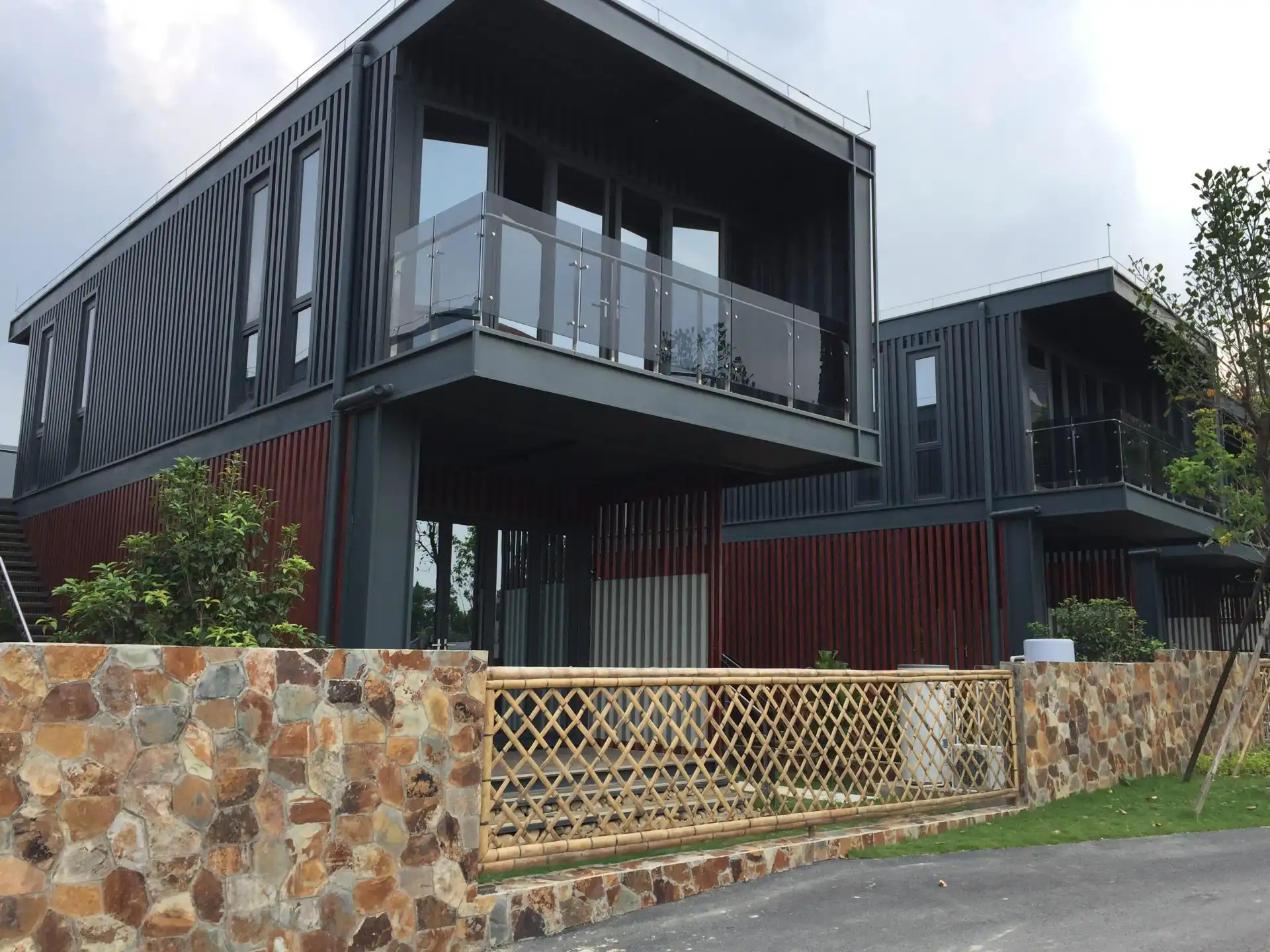
Misunderstanding Product Specifications and Customization Limits
When looking for portable container structures, many buying teams don't realize how complicated modular building specs can be. The exact size needs, weight limits, and growth options must match the conditions on the project site and the way it will be used. It is important to carefully look at the folding container house because different makers use different hinge systems, locking mechanisms, and ways to strengthen the structure, all of which have an effect on how long it lasts and how well it works.
During the design step, climate-specific factors aren't always given enough attention. Insulation, airflow, and weatherproofing norms are very different in places with mild weather and places with extreme weather. A container house that works well in mild seaside climates might not work well in cold winter climates or intense summer heat, which wastes energy and makes it hard for people to stay comfortable.
Underestimating Total Cost of Ownership
Aside from the initial purchase price, buyers are often surprised by other costs that they didn't expect. Transporting heavy goods, special tools for moving it, customs fees, and local permit fees can add 25 to 40 percent to the base unit cost. Installation needs often call for expert workers who know how to put together flexible systems, which adds to the cost of labor that regular construction teams can't handle. Changes in the value of the dollar and longer payment terms can cause financial risks that need to be hedged or prices need to be made more flexible. A lot of buying teams don't make good payment plans that protect against changes in the exchange rate when project timelines are extended.
Quality and Compliance Pitfalls When Choosing Manufacturers
Inadequate Supplier Verification and Certification Review
To choose trustworthy makers, you need to do a lot more research than just comparing prices. There are big differences between providers when it comes to international building standards like ISO licenses, structural engineering approvals, and fire safety compliance. Some makers may say that their products meet more than one standard without showing proof or testing results from a third party. When planning large-scale launches or phased project rollouts, figuring out the production capacity is very important. Manufacturers who don't have many production sites may find it hard to meet deadlines for large orders on time. This could mess up building plans and cause delays in multiple project phases.
Overlooking After-Sales Support and Technical Assistance
Post-delivery support capabilities often determine long-term project success more than initial product quality. Manufacturers offering comprehensive technical documentation, installation training, and responsive customer service provide substantial value during deployment and operational phases. Companies lacking established service networks in destination markets may leave buyers without recourse when technical issues arise. Warranty terms and replacement part availability deserve careful evaluation, particularly for projects in remote locations where local service providers may be unavailable. Understanding repair procedures and component sourcing becomes essential for maintaining operational continuity throughout the structure's intended lifespan.
Logistic and Installation Challenges in International Procurement
Misunderstanding International Trade Terms and Shipping Responsibilities
Not understanding the rules of international trade and who is responsible for shipping Different types of delivery terms, like FOB (Free on Board), CIF (Cost, Insurance, and Freight), and DDP (Delivered Duty Paid), change the buyer's duties and risk exposure during travel in big ways. A lot of the time, buying teams agree to bad terms without thinking about how they will affect insurance, customs clearing, and coordinating deliveries. Because of how they are folded up and how their weight is distributed, container shipping operations need special care. Some folding container house designs might not fit in standard shipping containers. In this case, flat-rack shipping or specialized cargo boats are needed, which adds to the cost of shipping and delays arrival times.
Navigating Import Regulations and Documentation Requirements
When it comes to customs, paperwork for modular buildings is often put into complicated regulatory groups that are different from paperwork for normal building materials or finished goods. Standard freight forwarders might not expect that building parts will need extra checks, structural engineering certifications, or environmental compliance paperwork. Compliance with local building codes varies a lot from place to place, and some areas have special rules for modular or premade buildings. Early communication with local building officials helps find possible delays in approvals or changes that need to be made that could affect project plans.
Strategic Considerations: Making the Right Folding Container House Choice
Comparing Alternative Building Solutions
It takes a full lifetime study to compare folding container houses to regular modular buildings, site-built construction, or normal shipping container changes. While folding pieces are easier to move and cost less to ship, they might not last as long or use the inner room as efficiently as purpose-built modular systems. As environmental standards become required for many business and government projects, energy-saving factors become more important in the buying process. Advanced foldable house designs may be worth the extra money if they have high-performance insulation systems, energy-efficient HVAC integration, and the ability to work with green energy sources.
Balancing Customization with Cost Control
Different makers have very different levels of customization options. Some offer a lot of design freedom, while others focus on basic setups. Knowing how much unique features, special finishes, or non-standard sizes will cost helps buying teams balance the need for good looks with limited funds. Standardization has benefits beyond just lowering costs. It also makes upkeep easier, makes parts replaceable, and speeds up the installation process. Projects that need more than one unit often benefit from uniform specs that make it easier to coordinate operations and save money when buying in bulk.
 How to Avoid Pitfalls: Best Practices for Importing Folding Container Houses?
Establishing Comprehensive Communication Protocols
To have good relationships with suppliers, you need to be able to talk to them easily and write down clear instructions that are easy to understand during the production and delivery stages. Regular reviews of milestones, progress reports, and quality checks help find problems early on, before they affect project timelines or quality standards. Before committing to big orders, trying samples and prototypes can tell you a lot about the quality of the product, how it's put together, and how well it works. Factory trips and pre-shipment checks are common parts of many successful buying programs. They make sure that suppliers can do what they say they can do and that the quality of the products being shipped is good.
Implementing Risk Management Strategies
As part of a full risk assessment, the supplier's financial health, production capacity, and quality control systems that could affect order completion are all looked at. Having a number of different suppliers and keeping backup choices handy can help lower the risks that come with production delays, quality problems, or provider business interruptions. The terms of the contract should include performance promises, delivery dates, quality standards, and ways to settle disagreements in a way that protects the buyer's interests and keeps the relationship with the seller good. A legal study of foreign contracts helps find problems that might arise with who has authority, what laws apply, and how the contracts are enforced.
Conclusion
Successfully importing folding container houses requires careful attention to product specifications, supplier selection, logistics coordination, and regulatory compliance. Procurement professionals who invest time in thorough planning, comprehensive supplier evaluation, and risk management strategies can avoid costly mistakes that compromise project success. The growing market for modular building solutions offers significant opportunities for cost-effective, flexible construction approaches, but success depends on understanding the unique challenges and requirements of international procurement in this specialized sector.
FAQ
What are typical lead times for folding container house orders?
Production schedules for folding container houses typically range from 4-8 weeks for standard configurations, with custom designs requiring 6-12 weeks depending on complexity and manufacturer capacity. International shipping adds 2-6 weeks depending on destination and shipping method, while customs clearance and final delivery may require additional time based on local import procedures and documentation requirements.
How do I ensure compliance with local building codes?
Building code compliance requires early coordination with local authorities and experienced suppliers familiar with destination market requirements. Many reputable manufacturers maintain certification databases and can provide engineering documentation that addresses specific regional standards, but buyers should verify requirements independently and consult with local building officials during the planning phase.
Are financing options available for bulk purchases?
Many suppliers offer flexible financing arrangements for large orders, including extended payment terms, letter of credit arrangements, and installment payment schedules. Third-party financing through equipment leasing companies or trade finance specialists can provide additional options for managing cash flow and project financing requirements.
Partner with Weifang Sandong Building Materials Co.,Ltd. for Your Next Project
Weifang Sandong Building Materials Co.,Ltd. brings decades of expertise in manufacturing and supplying high-quality modular building solutions, including innovative folding container house designs that meet international standards. Our comprehensive approach to B2B procurement includes detailed technical support, competitive pricing structures, and reliable delivery schedules that help construction professionals avoid common importing pitfalls. Contact our experienced team at info@sdqsc.com to discuss your specific project requirements and discover how our folding container house manufacturer capabilities can streamline your procurement process.
References
1.International Building Code Council. "Modular Building Standards and Import Regulations." Construction Industry Guidelines, 2023.
2.Smith, Robert J. "Global Trade Practices in Modular Construction Materials." Journal of International Procurement, Vol. 45, No. 3, 2023.
3.Chen, Maria L. "Supply Chain Risk Management in Construction Industry Imports." Industrial Engineering Quarterly, 2023.
4.Thompson, David K. "Quality Assurance Protocols for International Building Component Sourcing." Construction Management Review, Issue 127, 2023.
5.Wilson, Sarah M. "Cost Analysis Framework for Modular Building Procurement." Procurement Professional Magazine, Spring 2023.
6.Anderson, Michael P. "Regulatory Compliance in Cross-Border Construction Material Trade." International Trade Law Review, Vol. 78, 2023.