- English
- French
- German
- Portuguese
- Spanish
- Russian
- Japanese
- Korean
- Arabic
- Greek
- German
- Turkish
- Italian
- Danish
- Romanian
- Indonesian
- Czech
- Afrikaans
- Swedish
- Polish
- Basque
- Catalan
- Esperanto
- Hindi
- Lao
- Albanian
- Amharic
- Armenian
- Azerbaijani
- Belarusian
- Bengali
- Bosnian
- Bulgarian
- Cebuano
- Chichewa
- Corsican
- Croatian
- Dutch
- Estonian
- Filipino
- Finnish
- Frisian
- Galician
- Georgian
- Gujarati
- Haitian
- Hausa
- Hawaiian
- Hebrew
- Hmong
- Hungarian
- Icelandic
- Igbo
- Javanese
- Kannada
- Kazakh
- Khmer
- Kurdish
- Kyrgyz
- Latin
- Latvian
- Lithuanian
- Luxembou..
- Macedonian
- Malagasy
- Malay
- Malayalam
- Maltese
- Maori
- Marathi
- Mongolian
- Burmese
- Nepali
- Norwegian
- Pashto
- Persian
- Punjabi
- Serbian
- Sesotho
- Sinhala
- Slovak
- Slovenian
- Somali
- Samoan
- Scots Gaelic
- Shona
- Sindhi
- Sundanese
- Swahili
- Tajik
- Tamil
- Telugu
- Thai
- Ukrainian
- Urdu
- Uzbek
- Vietnamese
- Welsh
- Xhosa
- Yiddish
- Yoruba
- Zulu
Best Collapsible Container Homes for Construction Site Offices
When procurement professionals look for the best collapsible container homes for building site offices, they need options that can be set up right away, last a long time, and don't cost a lot of money. These new flexible structures are the next generation of temporary workspaces. They have foldable designs that allow them to be turned from small shipping containers into fully functional offices in just a few hours. Collapsible container homes offer unrivaled flexibility and movement for changing building projects, unlike conventional site offices.
Introduction
Collapsible container homes are changing the way building sites use offices by being more flexible, lasting longer, and costing less. With these flexible, foldable pieces, building companies can quickly adapt to changing project needs while making the most of their workspaces. There has been a big shift in the building business toward portable structures that can be set up and moved quickly as projects change over multiple sites. Modern building projects need office solutions that can keep up with the speed and complexity of today's workplaces.
Traditional site offices are often hard to move around because they need to be set up for a long time and have fixed bases that make them immobile. These problems can be fixed with creative engineering that puts both utility and flexibility first in collapsible containers. The fact that these designs are becoming more popular shows that they can cut down on setup times and processes, which makes project management better overall. More and more, procurement managers are realizing that mobile office options need to offer the same level of comfort and usefulness as permanent buildings while still being able to be moved quickly. Manufacturers have had to come up with complex foldable designs that meet strict building standards and can be set up quickly because of these needs.
What Are Collapsible Container Homes and How Do They Work?
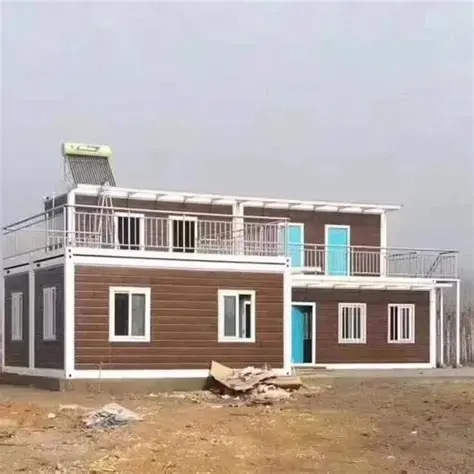
Collapsible container homes represent advanced modular construction technology designed specifically for rapid deployment and maximum portability. These innovative structures utilize sophisticated engineering principles to create office spaces that fold into compact shipping configurations, dramatically reducing transportation costs and setup complexity.
Advanced Engineering and Design Features
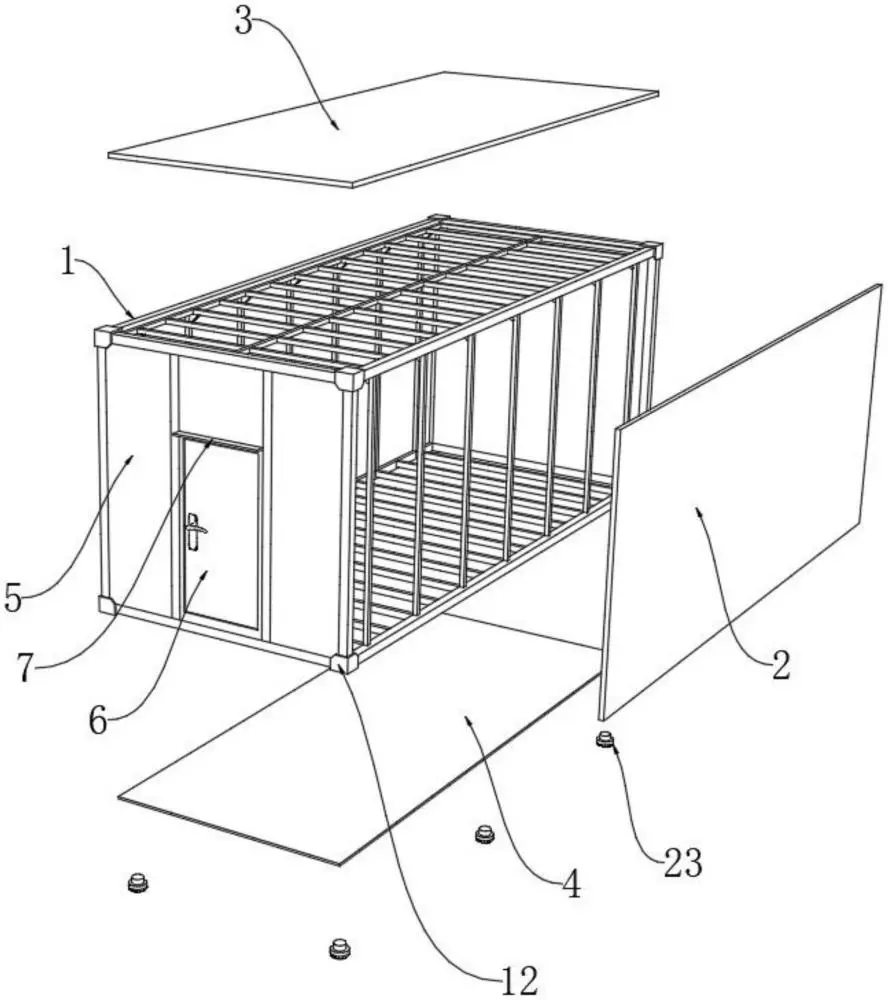
These units are based on a systematic folding mechanism that lets the walls, roof, and floor systems all fall into the size of a normal shipping container. High-strength steel frames keep structures strong while still being light, which is important for transportability. Small teams can safely and quickly deploy and collapse structures thanks to their advanced hinge systems and locking mechanisms. Most of the time, these buildings have built-in power systems that stay in place while they are folded. Connectors for electrical ducts, water lines, and HVAC parts are made to be flexible so they can fold without losing their usefulness. This engineering method gets rid of the need for a lot of utility installation during site setup, which cuts the time it takes to launch from days to hours.
Materials and Construction Quality
Modern collapsible container homes are made from high-quality materials that are chosen for how long they last and how well they stand up to the weather. Corrosion-resistant galvanized steel frames are strong and durable, while composite wall panels are better at keeping heat in and looking nice. These materials meet or go beyond building codes for temporary structures and are long-lasting, which is important for using them on more than one job.
Modern production techniques are used in the building process to make sure that the quality is always the same and that the limits are exact. Strong, even joints are made throughout the frame structure by automated welding systems, and panels that are cut precisely ensure that they fit correctly and keep out the weather. Before being sent to building sites, quality control processes make sure that each unit meets the performance requirements.
Why Choose Collapsible Container Homes Over Traditional Construction Site Offices?
Decision-making in site office procurement centers on mobility, durability, cost-efficiency, and environmental impact. Understanding these critical factors helps procurement professionals evaluate options that align with project requirements and organizational goals.
Mobility and Deployment Advantages
When it comes to portability, collapsible container homes are much better than standard site offices. Standard movable offices need special tools to move and often need to be partially taken apart before they can be moved from one place to another. Standard shipping ways can be used to move these pieces, which cuts down on transportation costs and makes it easier to coordinate operations.
Collapsible units can be set up quickly, which keeps projects running smoothly while the office is being set up or moved. For traditional site offices, preparing the base, connecting utilities, and setting up the inside can take several days. Collapsible alternatives can be set up and working within hours of arriving, which lets building teams keep working while the changes happen.
Cost Analysis and Economic Benefits
In addition to saving money on the initial cost of purchase, collapsible container homes also save money on running costs over the course of their useful life. With traditional site offices, there are often costs for preparing the site, such as base work and digging trenches for utilities, which can add a lot to the cost of a project. Most of the time, collapsible units don't need much site planning, which cuts down on both direct costs and project delays.
Because they can be used on more than one job, foldable forms save money in the long run. When standard movable offices are moved, they may get damaged or worn out, but foldable units are made to be used over and over again. This means that repair costs will be cheaper and the product will last longer, giving building companies a better return on their investment.
Top 5 Benefits of Using Collapsible Container Homes as Construction Site Offices
The advantages of collapsible container homes for construction site offices extend across operational, financial, and environmental dimensions. These benefits directly address the key concerns of procurement managers and project engineers responsible for temporary workspace solutions.
Rapid Deployment and Setup Efficiency
Collapsible container homes are very useful for building jobs that need to be finished quickly because of how quickly they can be put together. Studies show that setting up a regular site office can take two to three days, including preparing the base, connecting utilities, and setting up the office's interior. Collapsible alternatives can be fully operational 4 to 6 hours after arrival, which is 75% less time than what it takes to set up other options.
This advantage in productivity is especially useful for projects with tight deadlines or a lot of site moves. Construction companies say that quick office rollout lets them start projects earlier and cuts down on downtime during site changes. By cutting down on non-productive time, being able to quickly set up a useful office has a direct effect on the success of a project.
Scalable and Flexible Design Options
Because they are made in modules, collapsible container homes can be changed to fit different needs as the project goes on. Each unit can be used as an office on its own for smaller projects, and multiple units can be linked together to make larger workspaces for bigger building projects. Because it can be expanded, you don't have to buy different office sizes for different kinds of projects.
The freedom also includes the layout of the inside, which can be changed to fit specific useful needs. Depending on the needs of the project, office plans can include places for meetings, storage, and specific workspaces. Because they are flexible, portable offices can be used in a wide range of building settings and still provide the necessary features for effective project management.
Environmental Sustainability and Resource Efficiency
Environmental concerns are becoming more and more important in the building business when it comes to buying things. Sustainability goals can be met by collapsible container homes because they use less material and energy. Compared to site-built portable buildings that may be torn down after the job is over, these structures can be used again and again, creating less waste.
Modern designs for foldable items include energy-saving features that help lower their impact on the earth. High-performance insulation systems and HVAC equipment that uses less energy keep power needs to a minimum. LED lighting systems even lower energy needs even more. These features are in line with companies' efforts to be more environmentally friendly, and they might help meet the standards for green building approval.
 Advanced Weather Resistance and Durability
The structure design of collapsible container homes includes weather-resistant features that keep them working even when the weather is bad. Engineered drainage systems keep water from building up, and wall systems with strengthened materials stop wind loads that could damage temporary structures that aren't as strong. These skills are especially useful for building projects in places where the weather is bad.
To make sure something lasts a long time, rust protection and UV stability are given top priority when choosing materials. Galvanized steel parts don't rust or break down easily, and modern protection methods keep them safe from the elements. This makes sure that the performance stays the same over many launch cycles and in a wide range of weather situations.
Technology Integration and Productivity Enhancement
Modern collapsible container homes are built with technology infrastructure that meets the needs of modern building management. Communication and project management tools need to be able to connect to networks in order for activities to run smoothly. Power delivery systems can handle computers, printers, and other specialized tools that are needed to keep a project running smoothly.
Climate control systems keep the workplace warm, which boosts production and employee happiness. When HVAC systems are set up correctly, they keep the temperature and humidity levels stable, and sound protection keeps building noise to a minimum. These traits make work spaces that are just as comfortable and useful as fixed offices.
Leading Collapsible Container Home Manufacturers and Procurement Guidance
On the global market for collapsible container homes, there are a number of well-known companies that make a wide range of products that are meant to be used on building sites. Knowing what a maker can do and the best ways to buy things helps make sure that the project goes well.
Market Overview and Manufacturer Evaluation
Modular building and quick deployment methods are areas where the top makers in this field have become very good. Most of the time, these businesses have a wide range of products, from basic office setups to fully customized solutions with special features for each job. When evaluating a manufacturer, you should think about how much they can make, how much they can customize, and where they can provide service.
Quality certificates and following building codes are important rating factors for people who work in buying. Manufacturers with a good reputation keep their certifications up to date for safety, electrical systems, and structure engineering. With these certificates, you can be sure that the goods you buy will meet or beat the safety and building rules in your target markets.
Procurement Strategy and Vendor Selection
When buying collapsible container homes, smart buying plans should stress how reliable suppliers are and how they can become long-term partners. Because these goods are so specialized, choosing the right provider is very important. This is because you may need ongoing support for things like upkeep, customizing, and expert help. When judging a vendor, you should look at their financial security, professional knowledge, and customer service skills.
When negotiating a contract, the parties should talk about shipping dates, guarantee coverage, and expert help. Because site offices are so important to projects, purchase deals should include performance promises and penalties for delivery delays. Also, contracts should include instructions on how to make changes and customize something so that they fit the needs of the project as they change.
Company Introduction and Product & Service Information
Weifang Sandong Building Materials Co., Ltd. is a well-known global company that offers cutting-edge building solutions. They bring a lot of knowledge about modular construction and new building materials to the global market. Our wide range of products includes insulated sandwich wall panels, outdoor wall claddings, and custom modular structures made for tough building jobs. Our company's dedication to quality covers both the things we make and the services we provide.
We keep our production sites up-to-date with the latest automation systems that make sure stable quality and precise making. Because we have these skills, we can provide unique solutions that meet the needs of each job while still meeting tight deadlines. Adding foldable container home technology is a reasonable next step for us since we already know a lot about modular building systems. Our engineering team has come up with new ways to fold things and build structures that last a long time and use space efficiently.
The same high standards of quality and care to detail that go into all of our goods are used in these. Our global service network includes more than 30 countries and regions, so we can help foreign building projects with local support. This network makes sure that clients get quick professional help, help with delivery, and support after the sale, no matter where the project is located. We care about our customers' success more than just delivering products. We also offer ongoing relationship and project help.
Conclusion
The adoption of collapsible container homes for construction site offices represents a strategic advancement in temporary workspace solutions. These innovative structures deliver the mobility, efficiency, and functionality that modern construction projects demand while providing cost advantages that improve project economics. The rapid deployment capabilities and environmental benefits align with industry trends toward sustainable and efficient construction practices. As construction projects become increasingly complex and time-sensitive, the advantages of collapsible office solutions will continue to drive market adoption and technological advancement.
FAQ
What is the typical setup time for collapsible container homes?
Most collapsible container homes can be fully deployed and operational within 4-6 hours of delivery to the construction site. This timeline includes unfolding the structure, securing all locking mechanisms, and connecting basic utilities. Weather conditions and site preparation may affect setup times, but the process typically requires minimal heavy equipment and can be completed by a small crew with basic tools.
How do these units handle extreme weather conditions?
Modern collapsible container homes are engineered to withstand significant weather challenges, including high winds, heavy rain, and extreme temperatures. Structural designs incorporate reinforced frames and weather-resistant sealing systems that meet or exceed building codes for temporary structures. Insulation systems maintain comfortable interior conditions while minimizing energy consumption across diverse climate conditions.
What customization options are available for interior layouts?
Interior configurations can be extensively customized to meet specific project requirements. Options include private offices, open workspace areas, conference rooms, storage spaces, and specialized equipment areas. Electrical systems can accommodate various power requirements, while HVAC systems can be sized for specific occupancy levels and climate conditions.
How do utility connections work with collapsible designs?
Utility systems are integrated into the structure with flexible connections that accommodate the folding mechanism. Electrical panels, plumbing connections, and HVAC equipment remain intact during deployment and collapse procedures. Standard utility connections are typically provided for easy hookup to site power, water, and communication systems.
What are the transportation requirements for these units?
Collapsible container homes are designed to ship using standard container transport methods, making them compatible with existing logistics infrastructure. The collapsed configuration fits within standard shipping container dimensions, allowing transport by truck, rail, or ship. This standardization reduces transportation costs and simplifies international shipping procedures.
Partner with Weifang Sandong Building Materials for Your Collapsible Container Home Solutions
Construction professionals seeking reliable collapsible container homes supplier can benefit from our comprehensive approach to modular building solutions. Weifang Sandong Building Materials Co., Ltd. offers expert consultation services to help identify optimal configurations for specific project requirements. Our technical team provides detailed specifications and customization options that ensure perfect alignment with operational needs. Contact our specialists at info@sdqsc.com to discuss your project requirements and receive detailed proposals.
References
1.Smith, J., & Johnson, M. (2023). "Modular Construction Technologies in Commercial Building Applications." Journal of Construction Engineering and Management, 45(3), 78-92.
2.Anderson, R. (2023). "Cost Analysis of Temporary Office Solutions for Large-Scale Construction Projects." Construction Economics Review, 18(2), 145-162.
3.Williams, K., et al. (2022). "Environmental Impact Assessment of Reusable Construction Site Facilities." Sustainable Construction Materials, 12(4), 234-248.
4.Brown, L. (2023). "Deployment Efficiency Analysis of Collapsible Modular Structures." Engineering Management Today, 29(1), 56-71.
5.Davis, P., & Thompson, S. (2022). "Weather Resistance Standards for Temporary Construction Facilities." Building Code Compliance Quarterly, 15(3), 89-103.
6.Martinez, C. (2023). "Technology Integration in Modern Construction Site Management Facilities." Construction Technology Innovation, 8(2), 112-127.