Metal: The Pinnacle of Durability and Design
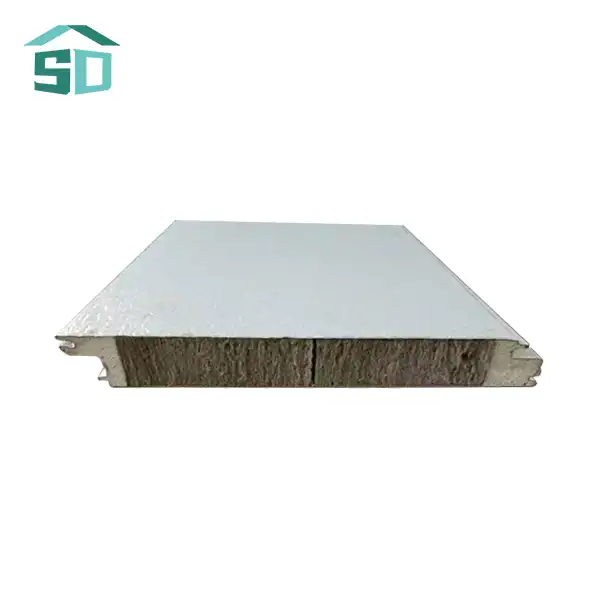
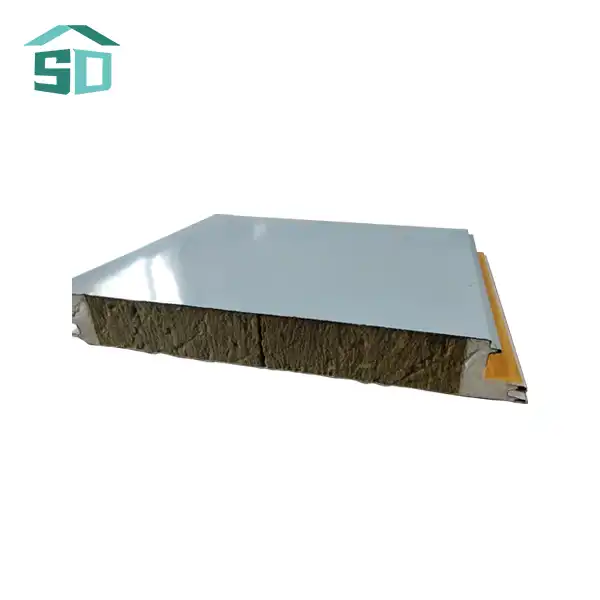
When it comes to decorative wall insulation panels, metal stands out as a top-tier material. Metal panels, particularly those manufactured by industry leaders like Sandong Building Materials, offer an unparalleled combination of strength, longevity, and aesthetic appeal. These decorative wall insulation panels are engineered to withstand harsh weather conditions while providing excellent insulation properties.
Aesthetic Versatility of Metal Panels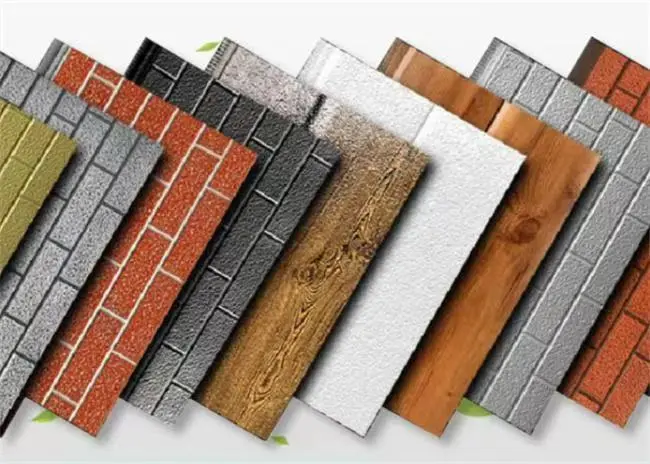
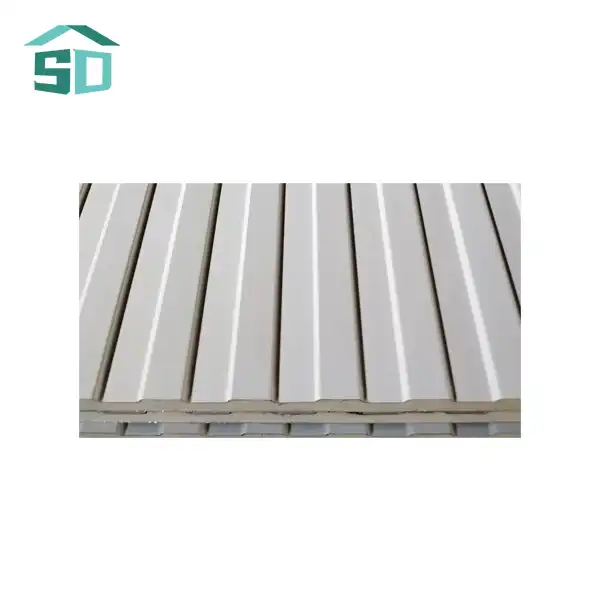
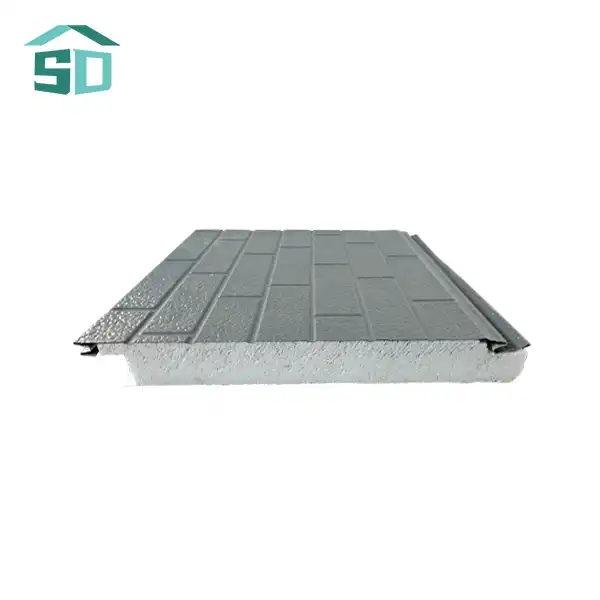
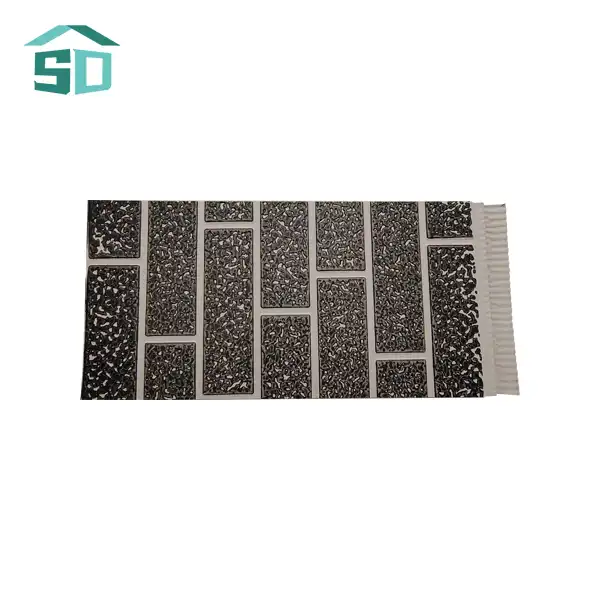
One of the most striking features of metal decorative wall insulation panels is their aesthetic versatility. Available in a wide array of colors and designs, these panels can transform the exterior of any building into a work of art. The intricate carved patterns add a touch of modern sophistication, making them suitable for both residential and commercial applications. From sleek, minimalist designs to more elaborate, textured finishes, metal panels offer limitless possibilities for architectural expression.
Durability and Weather Resistance
Decorative wall insulation panels made from metal boast exceptional durability. They are resilient against strong winds, heavy rain, and snow, ensuring the structural integrity of the building remains intact for years to come. This longevity makes metal panels a cost-effective choice in the long run, reducing the need for frequent replacements or repairs. The decorative wall insulation panels factory employs advanced production techniques to enhance the panels' resistance to corrosion, further extending their lifespan.
Fire Safety and Flame Retardancy
Safety is paramount in building construction, and metal decorative wall insulation panels excel in this aspect. These panels are specially treated for optimal flame retardancy, meeting strict safety standards. Many metal panels achieve a national B1 fire protection level, providing peace of mind to building owners and occupants. This fire-resistant property makes metal panels an ideal choice for high-rise buildings, schools, and other structures where fire safety is a critical concern.
Polyurethane: The Insulation Powerhouse
While the exterior of decorative wall insulation panels often steals the show, the insulation core plays a crucial role in their performance. Polyurethane has emerged as a leading material for this purpose, offering exceptional thermal insulation properties.
Superior Thermal Performance
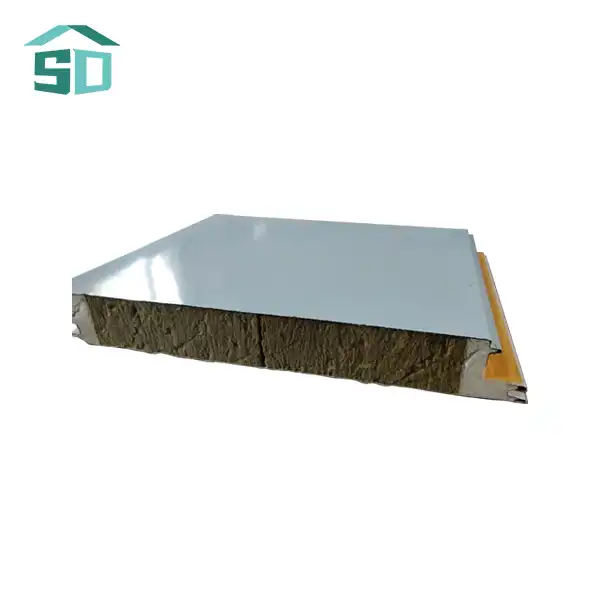
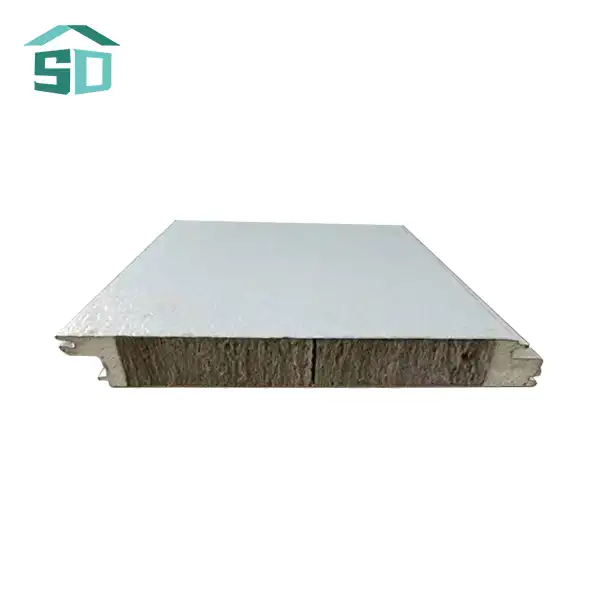
Decorative wall insulation panels featuring polyurethane cores provide unmatched thermal insulation. The closed-cell structure of polyurethane foam effectively traps air, minimizing heat transfer through the walls. This results in significant energy savings for heating and cooling, making these panels an eco-friendly choice. The decorative wall insulation panels factory carefully controls the density and thickness of the polyurethane layer to optimize its insulative properties.
Lightweight Yet Strong
Despite its excellent insulation capabilities, polyurethane is remarkably lightweight. This characteristic makes decorative wall insulation panels with polyurethane cores easier to handle and install. The reduced weight also puts less stress on the building's structural components, allowing for more design flexibility. However, don't let its light weight fool you – polyurethane panels offer impressive strength and rigidity, contributing to the overall structural integrity of the building.
Moisture Resistance
Another advantage of polyurethane in decorative wall insulation panels is its inherent moisture resistance. The closed-cell structure of the foam prevents water absorption, reducing the risk of mold growth and structural damage due to moisture. This property is particularly beneficial in humid climates or areas prone to heavy rainfall, ensuring the longevity and performance of the insulation.
Composite Materials: The Future of Decorative Insulation
As technology advances, composite materials are gaining traction in the world of decorative wall insulation panels. These innovative materials combine the best properties of different components to create panels that are truly exceptional in performance and appearance.
Fiber-Reinforced Composites
Fiber-reinforced composite decorative wall insulation panels represent a significant leap forward in panel technology. These panels typically consist of a polymer matrix reinforced with fibers such as glass, carbon, or natural materials. The result is a panel that boasts high strength-to-weight ratio, excellent durability, and superior insulation properties. The decorative wall insulation panels factory can customize the fiber content and orientation to meet specific project requirements, offering tailored solutions for diverse architectural needs.
Recycled and Sustainable Composites
As environmental concerns take center stage in the construction industry, decorative wall insulation panels made from recycled and sustainable composites are gaining popularity. These panels often incorporate recycled plastics, agricultural by-products, or other eco-friendly materials in their composition. Not only do these panels reduce the environmental impact of construction, but they also offer unique aesthetic qualities. The natural variations in recycled materials can create interesting textures and patterns, adding character to the building's exterior.
Smart Composite Panels
The future of decorative wall insulation panels lies in smart composites. These cutting-edge panels integrate technologies such as phase-change materials, which can absorb and release heat to regulate temperature more effectively. Some smart composite panels even incorporate photovoltaic cells, allowing the building envelope to generate electricity while providing insulation and aesthetic appeal. As the decorative wall insulation panels factory continues to innovate, we can expect to see more advanced features integrated into these versatile panels.
 Conclusion
Decorative wall insulation panels have come a long way, offering a perfect synergy of form and function. From the durability and design flexibility of metal panels to the exceptional insulation properties of polyurethane and the innovative potential of composite materials, the options are vast and exciting. As we continue to push the boundaries of building technology, these panels will undoubtedly play a crucial role in creating energy-efficient, visually stunning, and sustainable structures.
At Weifang Sandong Building Materials Co., Ltd., we're committed to staying at the forefront of decorative wall insulation panel technology. Our extensive range of exterior cladding solutions combines unmatched thermal insulation, fire resistance, and aesthetic customization. Whether you're looking for energy-efficient solutions, unique designs, or panels tailored to your specific project needs, we have you covered. Experience the future of building envelopes with our innovative products. For more information or to discuss your project requirements, don't hesitate to contact us at info@sdqsc.com.
FAQs
What are the main benefits of using decorative wall insulation panels?
Decorative wall insulation panels offer excellent thermal insulation, enhance aesthetic appeal, provide weather resistance, and can improve energy efficiency.
Are metal decorative wall insulation panels suitable for all climates?
Yes, metal panels are designed to withstand various weather conditions, from extreme heat to heavy snow and rain.
How do composite decorative wall insulation panels compare to traditional materials?
Composite panels often offer superior strength-to-weight ratios, better insulation, and more design flexibility compared to traditional materials.
Can decorative wall insulation panels be customized?
Absolutely! Many manufacturers, including Weifang Sandong Building Materials Co., Ltd., offer customization options for colors, designs, and even panel compositions.
Are there eco-friendly options for decorative wall insulation panels?
Yes, there are panels made from recycled and sustainable materials, contributing to greener building practices.
References
1.Building Science Corporation. (2021). "Insulation Materials and Their Properties."
2.U.S. Department of Energy. (2022). "Insulation Materials." Energy.gov.
3.American Society of Heating, Refrigerating and Air-Conditioning Engineers (ASHRAE). (2021). "ASHRAE Handbook - Fundamentals." Atlanta, GA: ASHRAE.
4.National Institute of Building Sciences. (2022). "Whole Building Design Guide - Insulation."
5.International Code Council. (2021). "International Energy Conservation Code." Washington, D.C.: ICC.