Miniature shipping container homes are creative ways for families to live that are affordable, eco-friendly, and adaptable. Using recycled shipping containers, a container home turns them into comfortable living spaces, meeting the growing need for alternative housing choices. Through recycled materials, these modular housing units reduce their environmental effect and are useful for downsizing, short-term housing, guest housing, and long-term living.
The Growing Appeal of Container Architecture for Modern Families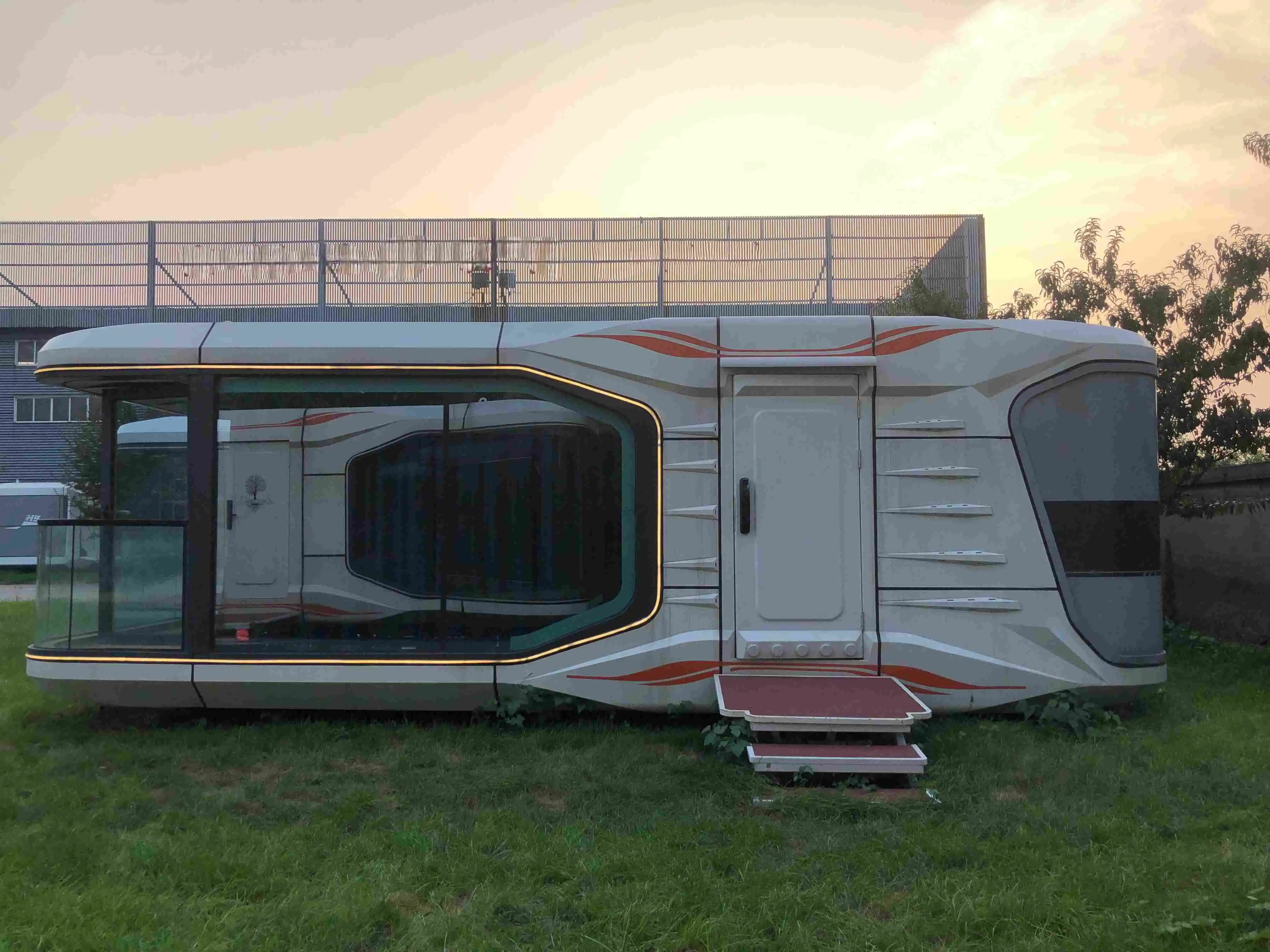
The use of containers has changed the way we think about homes for families. The move toward smaller homes shows that families' priorities are changing; they value events over things. Shipping container homes are portable, long-lasting, and flexible in a way that other types of homes can't match.
Families today all over the world have trouble finding affordable homes. For an alternative that costs a lot less than traditional building, container houses are a good choice. Shipping containers are made of steel, which makes them very durable. They can last for decades in tough weather. This makes them perfect for a wide range of conditions and places.
Because these buildings are made up of separate modules, families can start out small and add on as needed. This versatility is good for young families who want to grow or for empty nesters who want to move without giving up comfort.
Primary Living Space for Minimalist Families
A lot of people choose to live in container homes as their main home because they want to live a simple life. These small living areas help you live intentionally by limiting the number of things you need. If you plan well, you can make the most of the 320 square feet of living room in a standard 40-foot shipping container.
People who live in containers often connect more than one unit to make their living areas bigger. One good thing about this way of life is that it lets you have more than one place to sleep, live, and work. People in the same family can talk to each other and spend time together more easily in container homes because the floors are open.
It's very important to make the most of the room in these homes. Built-in storage, furniture that can be used for more than one thing, and making the most of vertical space can make it easy for families to live in smaller areas. A lot of families say that living in well-planned container homes makes their relationships stronger and the stress in their lives lessen.
Affordable Guest Houses and Extended Family Housing
You can use container homes as guest houses or for living with extended family. They are easy to set up and work well for families who need extra room right away. It takes months to build a standard house, but only a few weeks to ship and set up a prefabricated home.
People whose grown children are moving in with them can stay close to family while still having their own space in a separate container unit. You can get full kitchens, bathrooms, and living rooms in these units so that everyone in the family has their own space and feels safe.
These spots are also liked by college kids who are going home because they give them a chance to be alone. Container homes give young people independence while still keeping them linked to family support systems because they have their own entrance and are self-contained.
Vacation Retreats and Weekend Getaways
More and more, families are using portable homes as holiday homes and weekend getaways. Container homes can be put on remote sites where it might not be possible or cost-effective to build a regular house. Because they last a long time, they can be used on the beach, in the mountains, or in the country.
Families can move their vacation homes if their plans change because these buildings are mobile. Some families even move their container getaways from season to season to take advantage of better weather or more fun activities.
Vacation container homes often have big windows and outdoor living areas that make it hard to tell the difference between inside and outside. This way of thinking about design makes the leisure experience better while keeping the comfortable amenities inside.
Home Offices and Creative Workspaces
With more people working from home, there is a need for specialized home office spaces. Container homes give families separate places to work that keep everyone from being distracted and set professional limits. With the right insulation, electrical systems, and internet access, these areas can be made to fit your needs.
Container spaces are used by creative families as art studios, music rooms, or work shops. When built correctly, these can block out noise, which makes them perfect for activities that might bother people in the main house. Many windows and skylights put in the right places let in a lot of natural light, which artists really like.
Teenage family members can do better in school when they have separate study spaces. Container study rooms are quiet places that aren't affected by other things in the house, and parents can easily get in and check on their kids.
Rental Income and Investment Properties
Families who are smart use container homes to rent out their land and make money. Depending on the rules in your area, these flats can be used as Airbnb rentals, long-term rentals, or student housing. Because they cost less to build, they give investors a faster return on their money than regular rental properties.
Container rental flats are especially good for housing markets in cities. These choices for affordable housing help with housing shortages and give property owners extra ways to make money. Container design has a unique look that often brings in high rental rates from people who want to live in a unique place.
Families with bigger homes can put up several container units to make small rental villages. This method makes the best use of land while giving people a variety of housing choices on a single property.
Emergency Housing and Disaster Relief Solutions
Container homes are great emergency living options for families who have to move temporarily. Container homes can quickly provide temporary living during natural disasters, home renovations, or job relocations.
Because they are strong, container homes can be used in places where bad weather is common. The steel design is better at standing up to high winds, flooding, and earthquakes than many other types of buildings. Families who live in areas that are prone to disasters can rest easy knowing that their things will last.
Container housing is being used more and more by the government and aid groups to house families temporarily during emergencies. They are very useful for large-scale emergency response attempts because they can quickly send out multiple units.
Educational and Learning Spaces
Containers are often turned into special learning spaces by families who homeschool. These areas can have library areas, technology for learning, and science labs that are set up to fit the needs of the program. Getting away from home chores makes it easier to focus on learning.
Families who are part of community education programs can also use container classes. Homeschooling groups can share these mobile classrooms, or they can be used for specific types of programs, like learning about farming or being outside.
The eco-friendly design of container classrooms lets kids learn about green living and being responsible for the world through hands-on activities. The classrooms are used for regular schoolwork while the students learn about green building practices.
 Conclusion
Container homes are a practical, long-lasting, and cheap way for families to live that fits their modern lifestyles. These flexible buildings can be used as both main homes and rental properties, giving people a lot of options for how to live. Because they are durable, portable, and can be customized, they are perfect for families looking for alternative homes. As housing costs continue to rise around the world, container homes are a smart way for families to live that puts both saving money and caring for the environment first.
Frequently Asked Questions
Are container homes safe for families with children?
Absolutely. When properly constructed with appropriate insulation and safety features, container homes provide safe environments for families. The steel structure offers excellent protection from weather and intruders. Proper ventilation, non-toxic materials, and compliance with building codes ensure healthy living conditions for children and adults alike.
How much does a family container home typically cost?
Container home costs vary significantly based on size, finishes, and location. Basic container conversions start around $30,000-50,000, while fully customized family homes can range from $100,000-200,000. This represents substantial savings compared to traditional construction, which often costs 20-50% more for similar square footage.
Can container homes be expanded as families grow?
A: Yes, one of the greatest advantages of modular housing is expandability. Additional containers can be connected to existing structures to create more bedrooms, living areas, or specialized spaces. This flexibility allows families to adapt their homes to changing needs without relocating or major reconstruction projects.
Why Choose Weifang Sandong Building Materials for Your Container Home Project?
Weifang Sandong Building Materials Co., Ltd. is one of the best places to get container homes because they have a lot of experience with cladding and facade options for the outside. Our experience making high-quality building materials works perfectly for building and customizing container homes.
Our insulated sandwich wall panels make container homes more energy efficient, so they are comfortable all year, no matter what the weather is like. Our high-tech insulation systems help families save energy in a way that is on par with old-fashioned building methods. These panels are also more fireproof and structurally sound than most changes to containers.
We know that every family has different needs. During the design and installation process, our team offers full technical help. We work closely with families to make sure their container home meets all of their useful and aesthetic needs, from coming up with the initial idea to the final installation.
With clients in more than 30 countries, we bring global knowledge to every container home project. Because we've worked all over the world, we know how to deal with different building codes, climate needs, and cultural tastes so we can provide solutions that work perfectly in each location.
Are you ready to learn more about how container homes can help your family? Our skilled staff can help you come up with the best answer for your needs. We give you the tools and knowledge you need to be successful whether you're looking for a main residence, a guest house, or an investment property. Email us at info@sdqsc.com to talk about your container home project and find out why families all over the world trust our building services.
References
1. Smith, J. & Anderson, M. (2023). "Modular Container Housing: A Comprehensive Guide for Modern Families." Sustainable Architecture Publishing.
2. Chen, L. (2022). "The Economics of Alternative Housing: Container Homes vs Traditional Construction." Journal of Affordable Housing Development, Vol. 15, pp. 78-95.
3. Rodriguez, C. & Thompson, K. (2023). "Family Living in Small Spaces: Psychological and Social Impacts of Container Home Living." Housing Psychology Quarterly, Issue 3.
4. Williams, R. (2022). "Structural Integrity and Safety Standards in Container Architecture." Building Safety Engineering Review, Vol. 28, No. 4.
5. Johnson, P. & Lee, S. (2023). "Environmental Benefits of Recycled Container Housing: A Life Cycle Assessment." Green Building Materials Journal, Spring Edition.
6. Brown, A. (2022). "Zoning Regulations and Legal Considerations for Container Home Development." Municipal Planning and Development Quarterly, Vol. 12, pp. 45-62.