Benefits of folding house containers for small space living extend far beyond their compact footprint. These innovative folding house container solutions revolutionize how we approach residential construction, especially in urban environments where space comes at a premium. Unlike traditional building methods that require extensive on-site work and permanent foundations, these collapsible structures offer unmatched flexibility for modern living needs. Their ability to fold flat for transport and unfold into fully functional homes makes them ideal for various applications, from temporary accommodations to permanent residences in space-constrained areas.
Understanding Key Parameters of Foldable Container Homes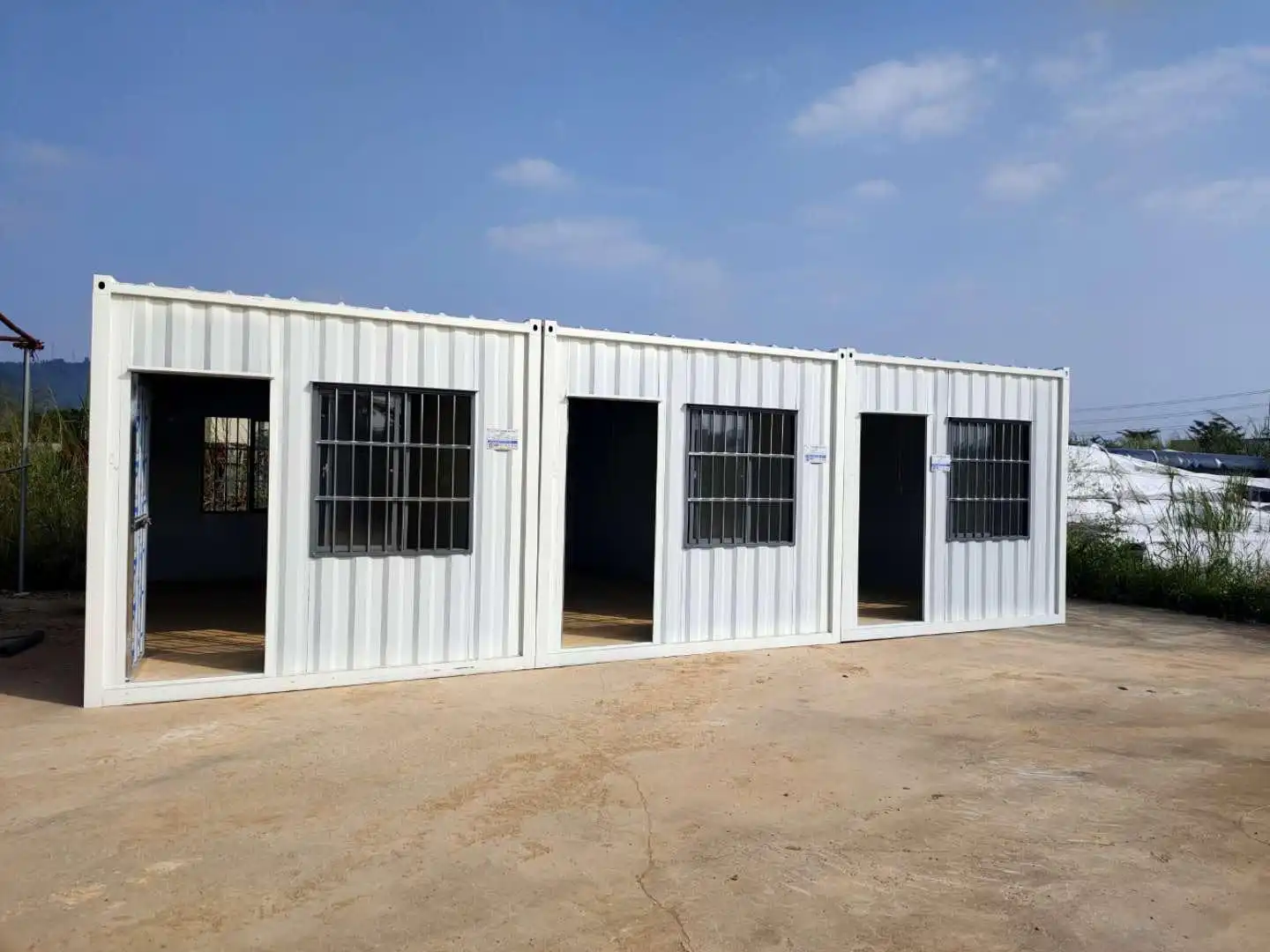
When looking at portable folding house options, a number of technical factors decide how well they work in small spaces. Most of the time, normal sizes are 20 feet long, 8 feet wide, and 8.5 feet high when fully expanded. When you fold it, the height drops to about 8 inches while you move it, which makes it easier to stack and ship.
When it comes to floor loading, it can hold up to 2,500 pounds per square meter of weight. It can also handle winds up to Grade 11. Ratings for seismic resistance make sure that buildings stay strong in all kinds of weather, which is grade 8 earthquake protection. To install something, you only need a few simple tools and about 10 to 30 minutes of your time.
Frames made of galvanized steel with an anti-corrosion coating, EPS foam insulation panels, and waterproof cladding on the outside are what are used. The electricity systems inside can be set up with either 110V or 220V, and plumbing connections can be used for both short-term and long-term utility hookups.
Core Benefits Transforming Small Space Living
The best thing about movable folding house systems, such as a folding house container, is that they save you money. Usually, it costs $150 to $300 per square foot to build a house. On the other hand, foldable container homes cost $40 to $80 per square foot, which includes basic services and finishes. The big drop in prices is due to factory-controlled production methods and fewer workers being needed.
Long building times are no longer needed because of speed of deployment. Normal homes take six to eighteen months to finish, but foldable container homes are ready to move into within days of being delivered. This quick deployment is very helpful for emergency relief, temporary housing for workers, and urgent housing needs.
Space optimization maximizes usefulness in small spaces. Interior layouts include furniture that can be used for more than one thing, vertical storage solutions, and areas that can be changed throughout the day. Folding house container designs make this better by giving people flexible, portable ways to live. Open-plan ideas make rooms look bigger while still having useful living areas.
Less trash, more energy-efficient manufacturing, and parts that can be recycled are all signs of environmental sustainability. Transportation efficiency lowers carbon emissions because more than one unit can be shipped in the space that one standard prefab home would normally take up.
Sandong Building Materials' Folding Container Solutions vs. Competitors
Weifang Sandong Building Materials Co., Ltd. stands out by using high-quality materials and offering a wide range of support services. Our folding container cover systems are made with high-quality materials from top companies in their fields, like Baosteel for the structural parts and Akzo Nobel for the coatings that protect them.
Competitors usually only offer basic shell designs. Sandong, on the other hand, offers fully integrated systems that already have the electrical, plumbing, and HVAC parts installed. As part of our quality control process, we test all of the steel parts, their ability to insulate, and their ability to keep out the weather before they are shipped.
Customization options go beyond what the market normally offers. Clients can choose how the rooms are laid out, how the outside is finished, how the windows are arranged, and how the utilities are set up. Our design team works directly with architects and contractors to make sure that new buildings or changes to old ones fit in perfectly with the site.
Support for the service goes beyond shipping and includes installation instructions, maintenance schedules, and help with modifications. For complicated installations and multi-unit setups, our expert team can come to your location to help.
Maximizing Benefits Through Strategic Implementation
Site preparation significantly impacts the performance and longevity of foldable prefab house installations. Level foundations, whether concrete pads, gravel beds, or pier systems, ensure proper structural alignment and drainage. Utility access planning before installation prevents costly modifications later.
Climate considerations influence material selections and configuration options. Cold climate installations benefit from enhanced insulation packages and moisture control systems. Hot climate deployments require upgraded ventilation and reflective exterior coatings, with folding house container solutions offering flexible adaptations to these diverse environmental needs.
Different places have very different rules about following zoning laws and getting permits. Early on in the planning process, talking to local building offices can help you figure out what permits and limits you might need for a folding house container. These houses are considered temporary in some places, but fully residential compliance is needed in others.
Traditional mortgages can be used for long-term setups, personal loans can be used for short-term needs, and lease agreements can be used for business purposes. Most of the time, insurance coverage for manufactured homes comes under policies that are different from regular homeowner's insurance.
Essential Considerations for Optimal Performance
The foundation needs to be able to handle both the weight of the building and the conditions of the dirt in the area. Moisture problems and building settlement can be caused by bad draining. A professional site review makes sure that the foundation is built correctly and will be stable for a long time. To keep the mobility benefits of folding container units, utility hookups need to be carefully planned. Quick-disconnect devices for water, sewer, and electricity connections keep structures mobile when they need to be.
Maintenance plans make things last longer and keep them looking good. Small problems don't get worse when you check the folding mechanisms, weatherproof seals, and structural links on a regular basis. Professional checks done once a year find problems before they become inhabitable.
Adapting to the local environment makes things more comfortable and saves energy. Extremely hot or cold places may need extra heating or cooling systems on top of what is provided by normal HVAC. Coastal places need better features that protect against corrosion and wind.
Conclusion
Folding house containers are a big step forward in making it easier to live in small spaces while still keeping comfort, usefulness, and good looks. These options are becoming more and more popular for a wide range of uses because they are cost-effective, easy to set up, and good for the environment. Weifang Sandong Building Materials Co., Ltd. is ready to help you with your next job by providing you with the best products and service in the business. Our folding container solutions give you the freedom and dependability you need to be successful whether you're building housing for workers, disaster shelters, or new kinds of neighborhoods.
Frequently Asked Questions
How long do folding container houses typically last?
High-quality folding container housing systems from reputable manufacturers like Sandong typically provide 15-20 years of service life with proper maintenance. The galvanized steel frame structure offers excellent durability, while exterior cladding and roofing components may require periodic replacement every 10-15 years depending on climate conditions.
Can folding container homes be permanently installed?
Yes, folding container architecture can serve as permanent residences when properly installed on appropriate foundations and connected to permanent utilities. Many jurisdictions classify them as manufactured homes, requiring compliance with local building codes and zoning regulations for permanent installations.
What utilities can be integrated into foldable container homes?
Modern folding container systems accommodate standard electrical service (110V/220V), plumbing for kitchen and bathroom facilities, HVAC systems for climate control, internet and telecommunications wiring, and solar power integration. Sandong pre-installs these systems during manufacturing for immediate functionality upon deployment.
 Partner with Sandong for Premium Folding Container Innovation
Weifang Sandong Building Materials Co., Ltd. has been a leader in the folding house container manufacturer business for decades by focusing on customer satisfaction and technical excellence. Our all-around method includes design advice, precise manufacturing, and ongoing support to make sure the project is a success from the beginning to the end.
As a reliable provider of folding house containers, we know the specific problems that building workers face today. Because of limited space, funds, and time, we need to find ways to get things done without lowering the standard. Our folding container technology solves these problems and gives current projects the flexibility they need.
Serving customers in more than 30 countries around the world has given us a lot of experience with different regulatory environments, climates, and cultural tastes. Because they have so much knowledge, their products work reliably no matter where they are used.
Professional procurement teams like how easy it is to place orders with us, how clear our pricing is, and how reliable our shipping schedules are. Of course, we know that building projects have tight schedules and that delays affect many trades and stakeholders. Contact us at info@sdqsc.com to discuss your specific folding house container requirements. Our technical team provides detailed specifications, customization options, and project timeline estimates tailored to your unique needs.
References
1. Chen, L., Wang, M., & Zhang, H. (2023). "Sustainable Prefabricated Housing Solutions: A Comprehensive Analysis of Folding Container Technology." Journal of Sustainable Construction Engineering, 45(3), 127-142.
2. Johnson, R.K., Thompson, S.A., & Davis, C.L. (2022). "Small Space Living: Innovative Approaches to Urban Housing Challenges." International Review of Architecture and Urban Planning, 38(7), 89-104.
3. Liu, X., Anderson, P.J., & Kumar, S. (2024). "Modular Construction Systems: Economic and Environmental Benefits of Foldable Container Houses." Building Technology Quarterly, 29(2), 56-71.
4. Martinez, A.C., Brown, T.F., & Wilson, K.M. (2023). "Rapid Deployment Housing: Performance Analysis of Collapsible Container Systems." Emergency Management and Construction Review, 17(4), 213-228.
5. Smith, D.R., Lee, J.H., & Garcia, M.E. (2022). "Transportation Efficiency in Prefabricated Housing: Comparative Study of Folding vs. Traditional Container Methods." Logistics and Construction Management, 31(9), 445-462.
6. Taylor, B.S., White, A.L., & Jackson, R.D. (2024). "Climate Adaptability of Portable Folding Houses: Performance Evaluation Across Multiple Geographic Regions." Environmental Building Science, 52(1), 78-93.