Understanding the Challenges of Rainy Climates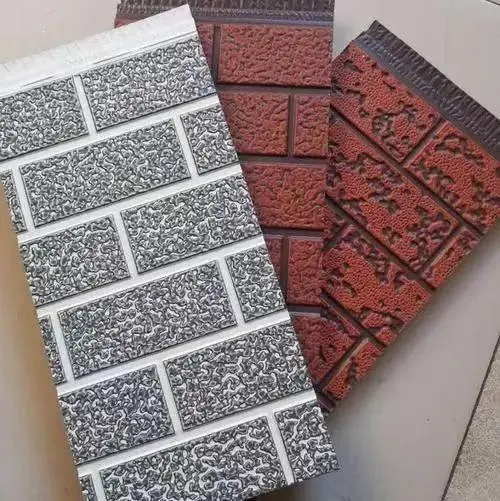
The Impact of Moisture on Building Exteriors
Rainy regions present unique challenges for exterior wall cladding. Constant exposure to moisture can lead to a host of problems, including mold growth, rot, and structural damage. Quality exterior wall cladding acts as a protective barrier, shielding your building's structure from these moisture-related issues. It's essential to choose a cladding material that can withstand prolonged exposure to rain and humidity without deteriorating or losing its protective properties.
Importance of Water-Resistant Exterior Wall Cladding
Water-resistant exterior wall cladding is paramount in rainy regions. It prevents water infiltration, which can cause extensive damage to the building's interior and compromise its structural integrity. The right cladding system not only repels water but also allows for proper ventilation, preventing moisture buildup within the walls. This balance between water resistance and breathability is crucial for maintaining a healthy building envelope in wet climates.
Considering Thermal Performance in Wet Conditions
In addition to water resistance, thermal performance is another critical factor to consider when selecting exterior wall cladding for rainy regions. Wet conditions can affect a building's thermal efficiency, potentially leading to increased energy costs. Choosing a cladding system with good insulation properties can help maintain a comfortable indoor temperature and reduce energy consumption, even in challenging weather conditions.
Key Features to Look for in Exterior Wall Cladding for Rainy Regions
Water Resistance and Moisture Management
When evaluating exterior wall cladding options for rainy regions, water resistance should be at the top of your list. Look for materials that are specifically designed to repel water and prevent moisture infiltration. Some exterior wall cladding systems incorporate advanced moisture management features, such as built-in drainage channels or ventilated designs, which help to direct water away from the building and promote quick drying after rainfall.
Durability and Weather Resistance
Durability is paramount when choosing exterior wall cladding for wet climates. The cladding material should be able to withstand not only constant moisture but also other weather-related challenges such as UV radiation, temperature fluctuations, and wind-driven rain. Materials like metal siding panels, fiber cement, and certain types of composites are known for their exceptional durability and weather resistance, making them excellent choices for rainy regions.
Low Maintenance Requirements
In areas with frequent rainfall, maintaining exterior wall cladding can be a challenge. Opt for cladding materials that require minimal upkeep to save time and resources in the long run. Some modern exterior wall cladding options, such as those offered by reputable exterior wall cladding manufacturers, feature self-cleaning surfaces or are resistant to mold and mildew growth, significantly reducing maintenance needs in humid environments.
Top Exterior Wall Cladding Options for Rainy Climates
Metal Siding Panels: A Durable and Versatile Solution
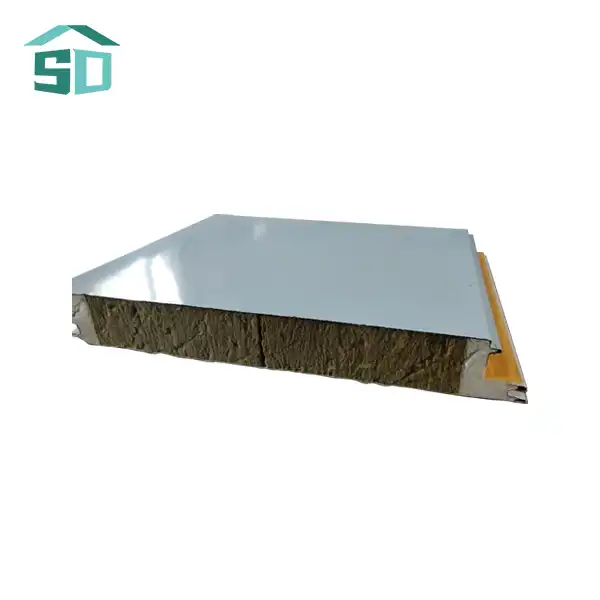
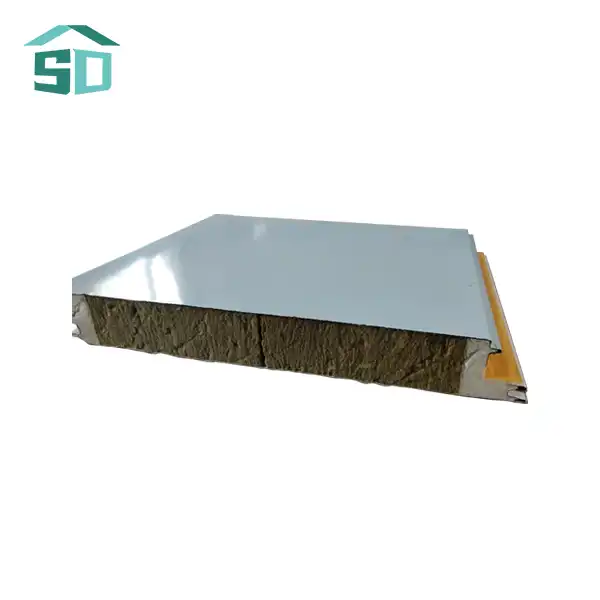
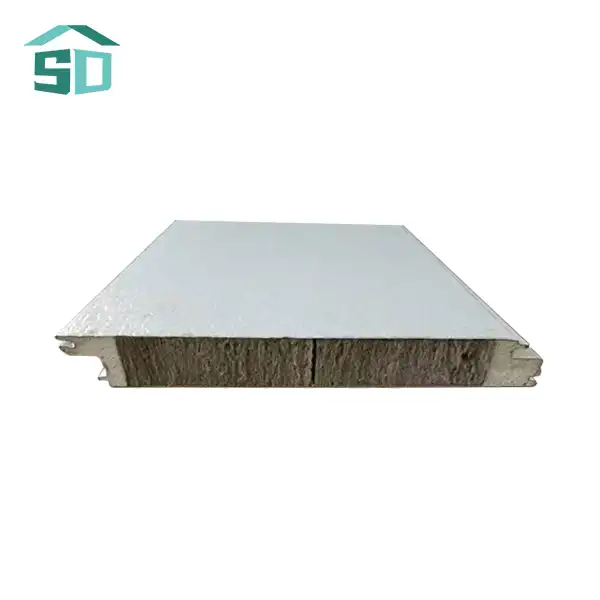
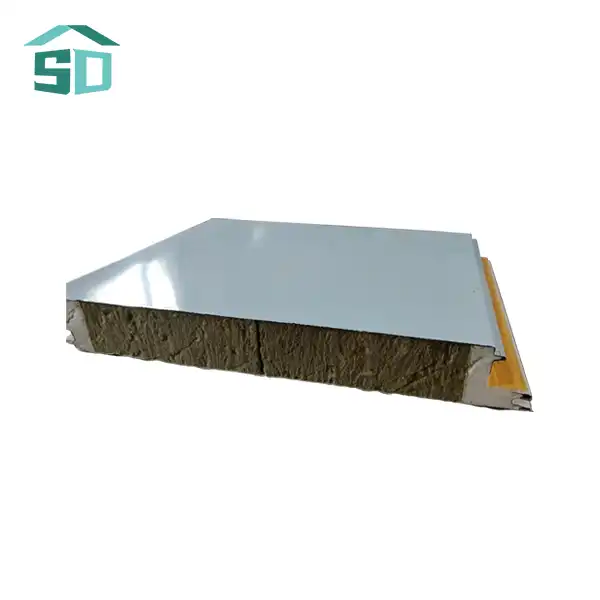
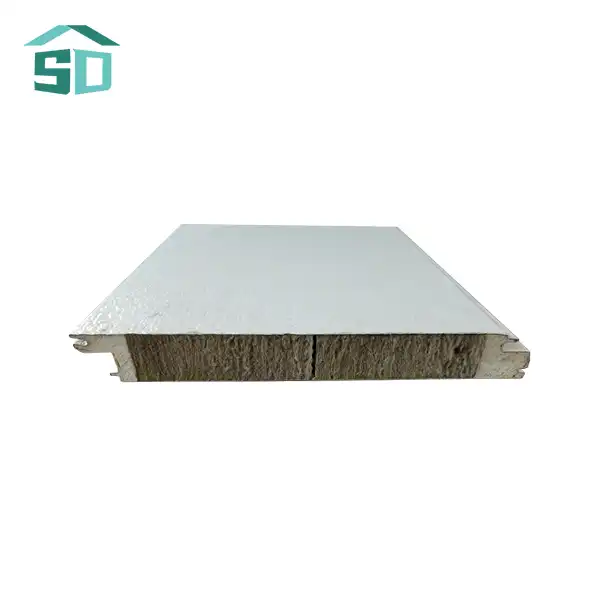
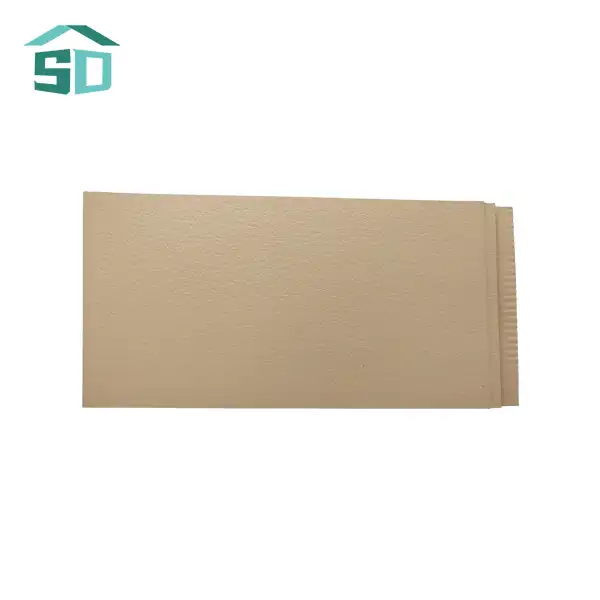
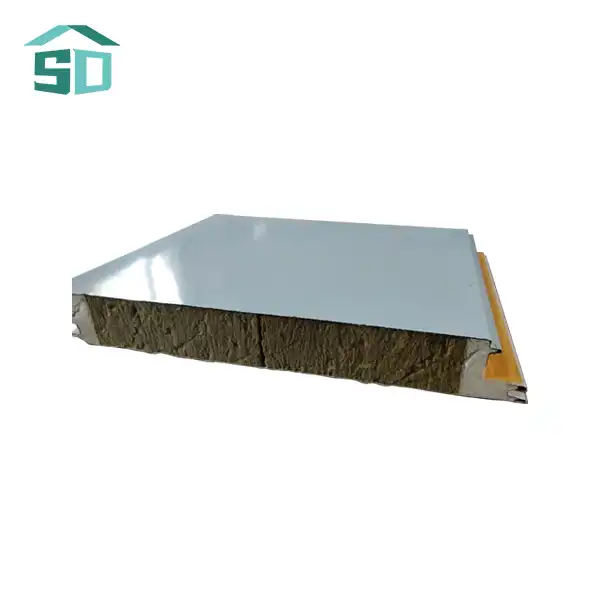
Metal siding panels have emerged as a top choice for exterior wall cladding in rainy regions. These panels offer exceptional durability, water resistance, and low maintenance requirements. Advanced metal siding systems, like those provided by Sandong Building Materials, are designed to withstand harsh weather conditions, including strong winds and heavy rain. They are available in a variety of colors and designs, allowing for both aesthetic appeal and functional protection against the elements.
Fiber Cement: Combining Strength and Style
Fiber cement is another excellent option for exterior wall cladding in wet climates. This composite material offers the look of wood or stone but with superior durability and moisture resistance. Fiber cement cladding is resistant to rot, warping, and insect damage, making it well-suited for rainy environments. It also provides good fire resistance and can be painted in various colors to suit different architectural styles.
High-Performance Composites: Innovative Solutions for Wet Climates
Innovative composite materials are gaining popularity as exterior wall cladding options for rainy regions. These advanced materials often combine the best properties of different substances to create cladding that is highly resistant to moisture, UV radiation, and temperature changes. Some composites even incorporate self-cleaning technologies or anti-microbial properties, making them particularly suitable for humid, rainy climates.
Conclusion
Choosing the right exterior wall cladding for rainy regions requires careful consideration of various factors, including water resistance, durability, and maintenance requirements. By prioritizing these aspects and selecting high-quality materials from reputable exterior wall cladding manufacturers, you can ensure long-lasting protection for your building. Remember, the best cladding solution will not only shield your structure from moisture but also enhance its aesthetic appeal and energy efficiency.
At Weifang Sandong Building Materials Co., Ltd., we understand the unique challenges posed by rainy climates. Our range of exterior wall cladding solutions, including metal siding panels, is designed to provide superior protection and lasting beauty in even the wettest environments. For expert advice on selecting the perfect exterior wall cladding for your project, don't hesitate to reach out to us at info@sdqsc.com. Let us help you safeguard your building with durable, stylish, and weather-resistant cladding solutions.
 FAQs
FAQs
What is the most durable exterior wall cladding for rainy regions?
Metal siding panels and fiber cement are among the most durable options for rainy climates, offering excellent water resistance and longevity.
How often should exterior wall cladding be maintained in wet environments?
Maintenance frequency depends on the material, but high-quality cladding like metal panels may only require annual inspections and occasional cleaning.
Can exterior wall cladding improve a building's energy efficiency in rainy areas?
Yes, certain cladding materials provide additional insulation, helping to maintain indoor temperatures and reduce energy costs in wet, humid conditions.
Is it possible to install exterior wall cladding over existing siding in rainy regions?
In many cases, yes. However, it's crucial to ensure proper moisture management and ventilation when adding new cladding over existing materials.
How does exterior wall cladding contribute to a building's overall weather resistance?
Quality cladding acts as a protective barrier, repelling water, managing moisture, and shielding the building's structure from weather-related damage.
References
1.Building Science Corporation. (2021). "Moisture Control for Building Envelopes."
2.American Society of Civil Engineers. (2020). "Minimum Design Loads and Associated Criteria for Buildings and Other Structures."
3.National Institute of Building Sciences. (2022). "Whole Building Design Guide: Building Envelope Design Guide."
4.International Code Council. (2021). "International Building Code."
5.U.S. Department of Energy. (2022). "Building Energy Codes Program: Building Envelope."