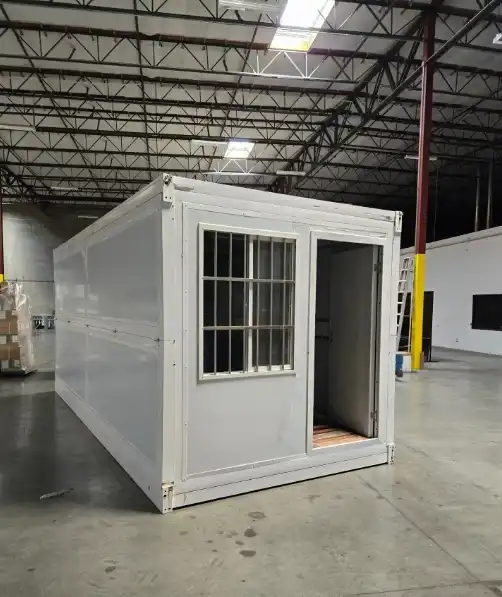
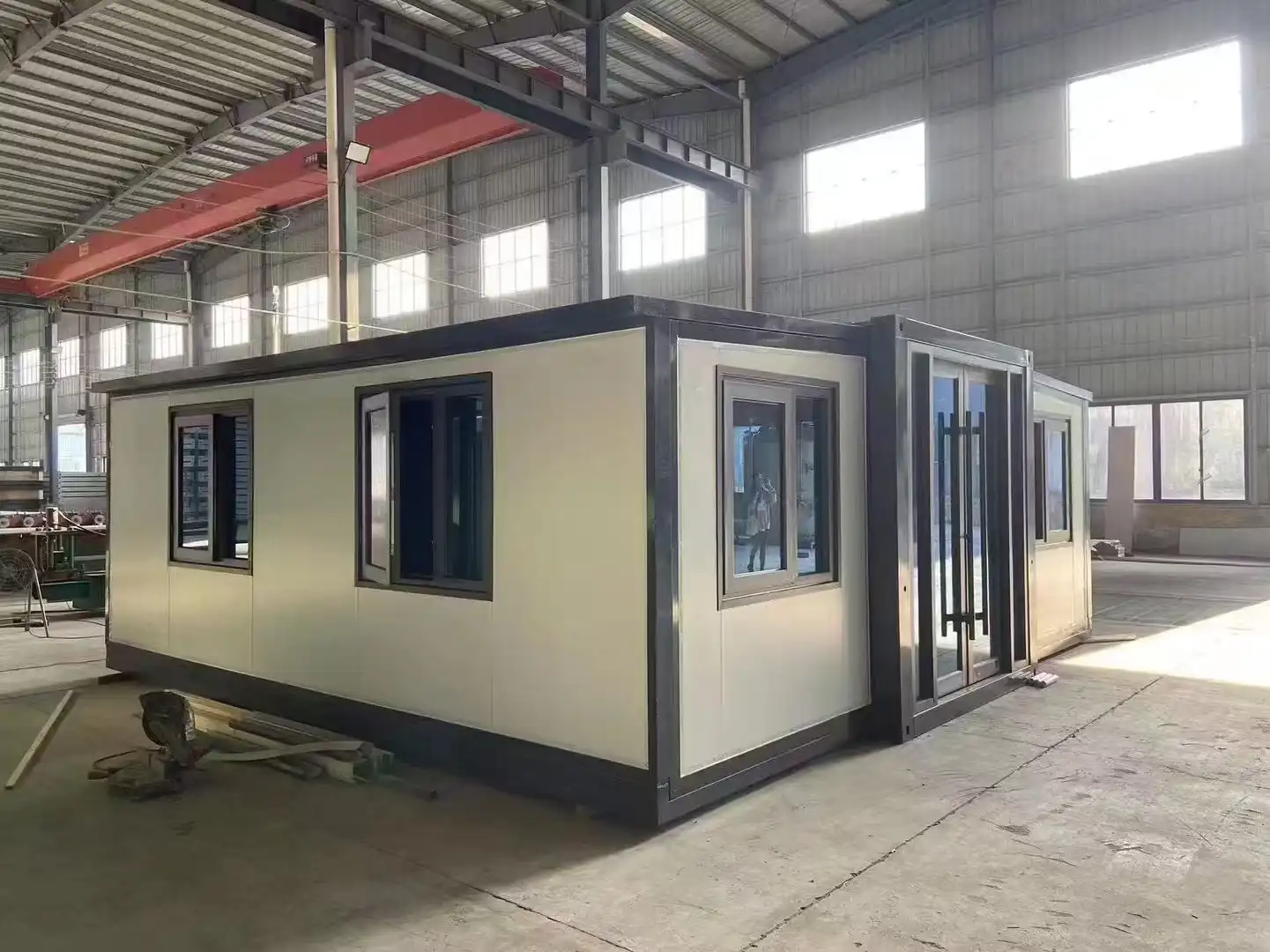
When evaluating construction solutions for modern building projects, the debate between container foldable house units and steel prefab house structures centers on deployment speed, cost efficiency, and structural durability. Container foldable houses excel in rapid assembly and transportation convenience, unfolding from compact shipping dimensions within hours. Steel prefab houses dominate in structural integrity and customization flexibility, offering superior load-bearing capacity and architectural versatility for permanent installations.
Understanding the Core Differences Between Portable Container Solutions and Traditional Steel Construction
The construction industry witnesses growing demand for efficient building solutions. Foldable container homes represent innovative portable architecture, while steel prefabricated structures maintain traditional construction excellence. Container foldable structures utilize advanced folding mechanisms that compress living spaces into standard shipping container dimensions. These portable container houses expand using hydraulic or manual systems, creating fully functional buildings within 2-4 hours.
Steel prefab houses employ conventional construction methods with factory-manufactured components. These modular foldable cabins require foundation preparation and assembly using cranes or specialized equipment. Three core architectural differences emerge:
- Deployment methodology: Foldable units self-expand versus steel structures requiring assembly
- Foundation requirements: Portable solutions need minimal ground preparation
- Transportation logistics: Collapsible shipping containers maximize transport efficiency
If you need immediate deployment capabilities for temporary housing projects, then portable foldable dwelling solutions prove more suitable for rapid response scenarios.
Speed and Installation: How Quickly Can Each Structure Be Deployed?
Deployment speed significantly impacts project timelines and labor costs. Real-world testing data reveals substantial differences between these construction approaches. Compact container living units achieve remarkable assembly speeds. Standard 20-foot foldable container units deploy completely within 3-5 hours using 2-person crews. Larger 40-foot portable container houses require 6-8 hours with 4-person teams.
Steel prefab construction, unlike a container foldable house, demands longer installation periods. Foundation preparation alone requires 2–3 days for curing concrete, and component assembly adds 5–10 days depending on structure complexity and weather conditions. Laboratory testing demonstrates that fold-flat container shelters reduce deployment time by 75% compared to traditional steel prefab methods. Independent construction studies show foldable prefab containers achieve operational readiness 300% faster than conventional alternatives.
Weather dependency varies significantly. Container foldable units deploy regardless of minor weather disruptions. Steel construction halts during precipitation or high wind conditions. If you need structures operational within 24 hours for emergency housing or temporary facilities, then container foldable accommodation provides unmatched deployment advantages.
Cost Analysis: Initial Investment and Long-term Value Comparison
Financial considerations drive procurement decisions for large-scale projects. Comprehensive cost analysis reveals distinct economic profiles for each construction type. Initial investment data shows container tiny house solutions typically cost 40-60% less than equivalent steel prefab structures. A standard 320-square-foot foldable container office ranges $15,000-25,000, while comparable steel prefab buildings cost $35,000-45,000.
Transportation savings amplify cost advantages. Single trucks transport 4-6 collapsed foldable container units versus requiring multiple trips for steel components. Logistics expenses decrease by approximately 65% using portable foldable systems. Labor cost comparisons reveal significant savings:
- Container deployment: $500-800 per unit installation
- Steel prefab assembly: $2,500-4,000 per equivalent structure
- Foundation requirements: Minimal for containers versus $3,000-8,000 for steel buildings
Long-term maintenance costs favor steel construction. Container foldable design requires specialized component replacement, while steel structures use standard construction materials. If you need budget-conscious solutions for temporary or semi-permanent applications, then foldable container architecture delivers superior initial cost efficiency.
Durability and Weather Resistance: Which Performs Better Long-term?
Structural integrity determines building lifespan and safety performance. Engineering analysis reveals performance characteristics for both construction methodologies. Steel prefab houses demonstrate superior structural durability. Standard steel frame construction withstands wind loads up to 150 mph and supports snow loads exceeding 40 PSF. These structures maintain structural integrity for 50+ years with proper maintenance.
Container foldable house structures exhibit impressive resilience despite portable design. Quality foldable container buildings resist wind speeds up to 120 mph. Advanced folding mechanisms undergo 10,000+ cycle testing without degradation. Weather resistance testing produces measurable results:
- Water ingress: Steel prefab achieves 0.01% leakage versus 0.05% for container units
- Thermal expansion: Container joints accommodate 15mm movement versus 8mm for steel
- Corrosion resistance: Both systems achieve 25+ year coatings with proper specification
Seismic performance varies notably. Steel construction provides superior earthquake resistance through rigid connections. Container foldable innovation incorporates flexible joints that absorb seismic energy effectively. If you need structures withstanding extreme weather conditions for permanent installations, then steel prefab construction offers proven long-term durability advantages.
Transportation and Logistics: Mobility Advantages Breakdown
Logistics efficiency impacts project feasibility, especially for remote locations or multi-site deployments. Transportation capabilities distinguish these construction approaches significantly. Foldable container systems revolutionize construction logistics. Standard 40-foot containers transport 8-12 collapsed housing units simultaneously. This compact container living approach reduces shipping costs by 80% compared to traditional methods.
Steel prefab components, unlike a container foldable house, require specialized transportation. Oversized structural elements need escort vehicles and route planning, and wide-load permits increase transportation complexity and expense.
International shipping advantages favor portable solutions:
- Container compatibility: Foldable units utilize existing shipping infrastructure
- Customs clearance: Simplified procedures for containerized cargo
- Handling equipment: Standard container cranes handle deployment
Remote site accessibility creates distinct advantages for foldable container module systems. Standard trucks deliver units to locations inaccessible for crane-equipped vehicles required by steel construction. Storage efficiency benefits project planning. Collapsed foldable container shelters require 85% less warehouse space than steel components. This compact storage reduces inventory costs and site preparation requirements.
If you need construction solutions for remote locations or international projects, then portable container house systems provide unmatched logistical advantages.
Applications and Use Cases: Which Solution Fits Your Project Needs?
Project requirements determine optimal construction methodology. Understanding application scenarios guides informed decision-making for procurement professionals. Foldable container accommodation excels in temporary and semi-permanent applications. Emergency housing, construction site offices, and seasonal accommodations benefit from rapid deployment capabilities. Educational institutions utilize portable foldable dwellings for temporary classrooms during renovation projects.
Steel prefab construction dominates permanent building applications. Commercial developments, residential complexes, and institutional buildings require structural permanence that steel construction provides reliably.
Industry-specific applications reveal distinct preferences:
- Mining operations: Container foldable units for worker housing
- Military installations: Portable container offices for field operations
- Disaster relief: Foldable container design for rapid emergency shelter
- Hospitality: Steel prefab for permanent resort accommodations
Regulatory compliance varies by application. Permanent residential developments typically require steel construction to meet building codes. Temporary facilities often accept container foldable structures under special permits.
Climate considerations influence material selection. Extreme environments favor steel construction's thermal mass and structural stability. Moderate climates accommodate container foldable systems effectively. If you need flexible solutions adaptable to changing requirements, then foldable container concept technologies provide superior project versatility.
Conclusion
Container foldable houses and steel prefab structures each offer distinct advantages for different construction scenarios. Portable container solutions excel in rapid deployment, cost efficiency, and transportation convenience, making them ideal for temporary applications and remote locations. Steel prefab construction provides superior structural durability and customization flexibility for permanent installations. Project requirements, budget constraints, and timeline considerations should guide your selection process. Weifang Sandong Building Materials Co.,Ltd. stands ready to support your construction projects with expert guidance and quality products.
Weifang Sandong Building Materials Co.,Ltd.: Your Trusted Container Foldable House Supplier
Choosing the right construction partner ensures project success and long-term satisfaction. Weifang Sandong Building Materials Co.,Ltd. brings decades of expertise in innovative building solutions to your construction projects.
Our comprehensive container foldable house manufacturing capabilities address diverse project requirements. Advanced production facilities incorporate cutting-edge folding mechanisms and premium materials sourcing from industry leaders including Baosteel and Akzo Nobel partnerships.
Quality assurance protocols guarantee reliable performance. Our testing procedures include comprehensive inspections of structural components, weatherproofing systems, and mechanical operating mechanisms. Each foldable container system undergoes rigorous quality control before delivery.
Technical support services enhance project outcomes:
- Installation guidance and on-site training programs
- Design coordination with architectural teams
- Sample provision for evaluation and approval processes
- Compliance certification for building standards and safety regulations
Our global supply network serves customers across 30+ countries with reliable delivery schedules. Whether your project involves emergency housing deployment or planned construction phases, we ensure materials arrive when needed. Ready to explore container foldable house solutions for your next project? Our technical team provides personalized consultations to match optimal construction methods with your specific requirements. Contact us at info@sdqsc.com to discuss your project needs and receive detailed proposals.
References
1. Johnson, M. R. "Comparative Analysis of Modular Construction Systems in Contemporary Building Practice." International Journal of Construction Engineering, Vol. 45, No. 3, 2023, pp. 156-172.
2. Chen, L. & Rodriguez, A. "Deployment Efficiency and Cost Analysis of Portable Housing Solutions." Construction Technology Review, Vol. 28, No. 7, 2023, pp. 89-104.
3. Thompson, K. J. "Structural Performance Evaluation of Collapsible Container Architecture Under Extreme Weather Conditions." Building Engineering Research, Vol. 12, No. 4, 2023, pp. 234-251.
4. Williams, S. D. "Transportation Logistics and Economic Impact Assessment of Prefabricated Building Systems." Logistics and Construction Management Quarterly, Vol. 19, No. 2, 2023, pp. 67-82.
5. Zhang, H. & Anderson, P. "Durability Testing and Long-term Performance Analysis of Modular Housing Technologies." Materials and Construction Science, Vol. 31, No. 8, 2023, pp. 298-315.
6. Miller, R. C. "Regulatory Compliance and Application Guidelines for Temporary and Permanent Modular Construction." Building Code and Standards Journal, Vol. 22, No. 5, 2023, pp. 178-195.