Today's prefab house options are great for urban minimalists who want to find the best mix of modern style and ease of living. These pre-engineered buildings fit well with minimalist ideas because they have clean lines, make good use of room, and use eco-friendly materials. A lot has changed in the market for prefab houses. There are now high-tech prefab homes that make old ways of building look silly while also being cheaper and faster to deliver.
Why Focus on Prefab Houses for Urban Minimalists?
Because of the unique problems that come up in cities, prefab houses are becoming more and more popular among minimalist homes. Modular homes are perfect for situations where there isn't enough room, there are rules about planning, or there are tight deadlines for building. These buildings solve several problems with urban living at the same time, and they look good too, going with current architectural trends.
Like the minimalist way of life, prefab houses put quality over number, which makes them a great fit. In factory-controlled building sites, better materials are used and work is done consistently. Standardized methods get rid of the many factors that can go wrong with traditional building projects. Modern engineering methods improve the strength of structures while keeping the design simple.
Urban minimalists also choose to live in prefab houses because they are cheaper. Predictable pricing systems get rid of the cost overruns that are common in traditional building. Shorter building timelines cut down on the costs and lost opportunities of temporary housing. Designs that use less energy lower long-term costs and help reach environmental green goals..
Selection Criteria for the Best Prefab Houses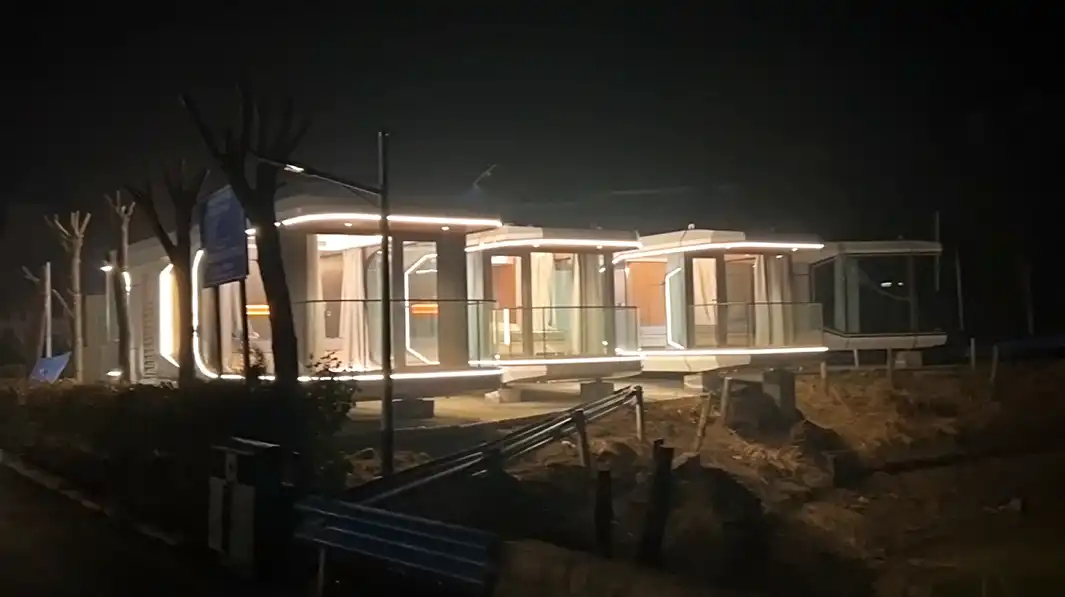

There are a lot of things that need to be carefully thought through when judging prefab houses that affect both short-term happiness and long-term value. Design flexibility is one of the most important factors, since people have very different tastes when it comes to minimalism. Customizable design choices let homeowners make spaces that are unique and show their own personal style while still following minimalist principles.
The quality of the construction decides how long the structure will last and how much maintenance it will need over its lifetime. Better materials and manufacturing methods make things last longer and lower the cost of upkeep over time. Local building rules must be met or surpassed by structural engineering standards, which must also take into account the climate and environmental problems in the area.
Timelines and prices are both affected by how well the parts are put together. Quick assembly skills keep the work site running smoothly and lower labor costs. Standardized connection methods make installation easier and protect the structure at the same time. Transportation logistics affect delivery times and site entry needs, which in turn affects the project's viability.
Ratings for energy efficiency have a direct effect on both prices and the environment. High-performance windows and advanced insulation methods lower the cost of heating and cooling. Integrating smart home technology into everyday life makes living more environmentally friendly and more convenient. Compatible with renewable energy means that system improvements can be made in the future without major structural changes.
Container Studio Compact House
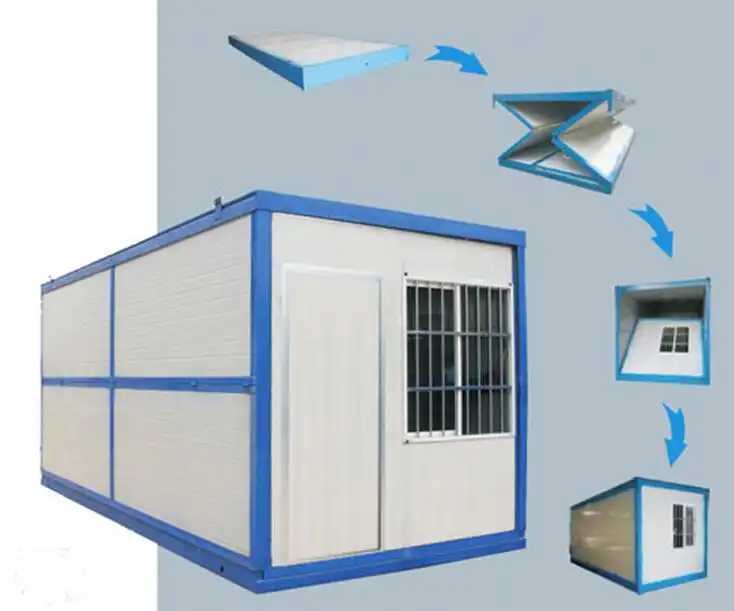
Container-based prefab houses are a new way to build sustainable homes in cities that are great for people who live simple lives. With these additions, shipping containers can be turned into stylish living areas that make the most of their small size. Modern insulation methods keep the inside of the container comfortable while keeping the structure of the original container framework.
- Space Optimization: Smart interior layouts make the most of useful space by putting storage and furniture that can be used for more than one thing into wall systems.
- Rapid Deployment: The whole installation is done in days instead of months, which keeps the site running smoothly and lowers the overall cost of the project.
- Durability: Steel frame construction is very strong and doesn't get damaged by the weather, so it can be used in a wide range of climates.
- Sustainability: Reusing shipping containers has a positive effect on the environment and creates unique architectural features that eco-friendly homes like.
- Mobility Options: Portable foundations make it possible to move in ways that standard construction can't, which supports flexible living arrangements in cities.
- Cost-effectiveness: Compared to traditional building methods, these methods save a lot of money because they use fewer materials and make the building process easier.
Modular Zen Living Pavilion
Simple, natural materials and clean geometric forms are used in modular zen buildings that follow the minimalist design philosophy. Flat surfaces and open areas in these buildings make them peaceful places to live in busy areas. Large glass panels that keep views of outside places open are the best way to let natural light in.
- Architecture: Geometric forms that are simple and straight have a classic look that works well with many types of landscapes and neighborhoods.
- Optimizing natural light: Putting windows and skylights in the right places lowers the need for artificial lighting while making rooms bright and airy.
- Connection between inside and outside: Sliding glass walls make it hard to tell the difference between inside and outside, which makes living rooms look much bigger.
- Quality of the Material: Minimalist homes who care about the environment want to use materials that are of high quality, last a long time, and are also good for the earth.
- Climate Responsiveness: A building that is passively heated or cooled by the sun will use less energy and stay warm all year.
- Changing things Modular parts are flexible because you can change how they're put together to suit your wants and your own tastes. This doesn't change how the design is put together.
Eco-Friendly Steel Frame Cabin
For urban minimalists, steel frame cabins are a unique way to live because they mix industrial style with home comfort. Materials that are light make it easier to move and put together, but they are just as strong as materials that are heavier. Pre-engineered parts make sure that they fit and finish perfectly, which gets rid of common building problems.
- Innovative Structures: Modern steel framing systems offer better strength-to-weight ratios and allow for big, open interiors without the need for supporting columns.
- Weather Resistance: Parts made of galvanized steel don't rust or break down in bad weather, so the structure will last for a long time with little upkeep.
- Energy Performance: Thermal breaks and high-performance insulation systems keep energy use low while keeping the inside as comfortable as possible.
- Fire Safety: Non-combustible steel construction is better at resisting fire than standard wood framing systems, which makes the buildings safer for people who live or work in them.
- Design Versatility: The structure can be built in a number of different ways, and it can also be changed or added to in the future if needed.
- Efficiency in Assembly: Precise manufacturing makes sure that parts fit together correctly during assembly, which cuts down on construction time and labor costs by a large amount.
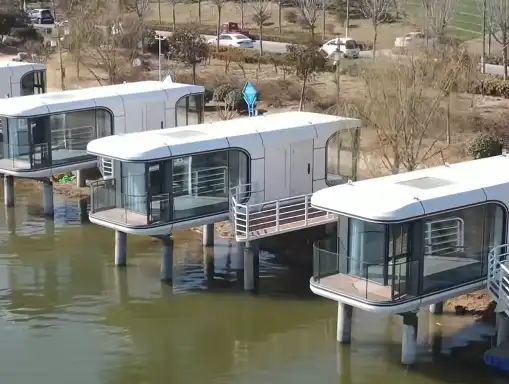 Smart Technology Tiny House
Smart technology integration transforms tiny houses into sophisticated living environments that maximize convenience within minimal square footage. Automated systems control lighting, climate, and security functions through smartphone interfaces that simplify daily routines. Space-saving appliances and furniture systems optimize functionality without cluttering interior spaces.
- Home Automation: Integrated smart systems optimize energy usage while providing convenient control over environmental conditions and security features.
- Space Intelligence: Multi-functional furniture and storage solutions adapt to different daily activities, maximizing usable space throughout changing routines.
- Energy Independence: Solar panel systems and battery storage enable off-grid living capabilities that support sustainable lifestyle choices.
- Connectivity Features: High-speed internet infrastructure supports remote work capabilities essential for modern urban professionals.
- Mobility Advantages: Trailer-based designs allow relocation opportunities that traditional housing cannot provide, supporting flexible lifestyle choices.
- Maintenance Simplicity: Compact systems and quality components minimize maintenance requirements while ensuring reliable long-term performance.
Flat-Pack Minimalist Retreat
Flat-pack houses revolutionize prefab construction through innovative packaging and assembly systems that reduce transportation costs and site requirements. These structures arrive in compact packages that standard delivery trucks can transport easily. Assembly processes require basic tools and skills, making them accessible to homeowners seeking hands-on involvement in their construction projects.
- Shipping Efficiency: Compact packaging reduces transportation costs while enabling delivery to remote or challenging site locations.
- Assembly Simplicity: Clear instructions and standardized components enable successful assembly by homeowners with basic construction skills.
- Cost Transparency: Fixed pricing eliminates construction surprises while providing predictable project budgets that facilitate financial planning.
- Quality Control: Factory production ensures consistent component quality and precise dimensional accuracy that field construction cannot match.
- Environmental Responsibility: Sustainable materials and minimal packaging waste support environmental consciousness important to minimalist philosophy.
- Scalability Options: Modular designs allow future expansions or reconfigurations as family needs or preferences change over time.
Global Market Analysis for Prefab Houses
Different international markets have different levels of acceptance and rules for prefab building, which affects the products that are available and the standards for design. European markets have the highest acceptance rates because of environmental laws and policies that support green building techniques. Prefab house construction is especially popular in Scandinavian countries as a means of addressing housing affordability issues while keeping high quality standards.
North American markets are becoming more popular among younger people who value sustainability and low costs over standard housing methods. Building rules are always changing to make room for prefab buildings while keeping safety standards high. Due to limited room and pressures for growth, adoption rates are highest in cities.
As more people move to cities and traditional building methods fail to meet the demand for housing, Asian markets offer huge growth possibilities. Acceptance of prefab houses is helped by cultural preferences for new building and technology adoption. When the government supports sustainable growth, it makes it easier for businesses to grow.
Different regulatory environments affect the safety standards, design requirements, and certification methods that manufacturers have to deal with. International building codes set rules that make it easier for people to trade around the world and keep people safe. Product creation and market entry strategies for prefab house builders are affected by the needs of local adaptation.
Purchasing Recommendations and Considerations
To buy a prefab house successfully, you need to carefully consider a lot of things, not just the original cost. Getting the site ready for work often takes a big chunk of the total project budget and schedule. Soil conditions, power connections, and access issues can affect both the project's viability and its costs, which need to be thought about early on in the planning process.
The name and track record of a manufacturer tell you a lot about the quality of their products and how well they can help customers. Reliability and technical know-how that lowers project risks are shown by well-established companies with a lot of completed projects. Warranty coverage and support services after the sale protect long-term investments and make sure customers are always happy.
Local building codes and permit requirements are very different from one place to another, and they need to be checked out before a buy is made. Professional help from local builders or engineers can help you figure out how to follow the rules and stay in compliance. Zoning laws might limit the types of prefab houses that can be built or demand changes to the designs that make the project less likely to succeed.
Prefab house financing choices may differ from conventional mortgage products, necessitating the use of specialized lenders or alternative funding sources. Most construction loans can be used to buy prefab houses, but each loan may have its own terms and conditions. Insurance issues related to prefab building should be talked over with providers to make sure there is enough coverage.
Conclusion
Living in a prefab house is a great way for urban minimalists to meet their housing needs while also supporting green living. Modern designs are good at balancing how they look with how well they work, which is what minimalist lives need. Quality building methods and materials ensure long-term happiness, and affordable prices make prefab houses available to people with a range of budgets. When you carefully look at what the manufacturer can do, the rules in your area, and the needs of the site, you can finish projects that are good and give you long-lasting value and satisfaction.
Frequently Asked Questions
How long does it take to assemble a prefab house?
Assembly timeframes vary based on house size and complexity, but most prefab houses can be completed within one to four weeks. Container houses and flat-pack designs often require only days for basic assembly, while larger modular homes may need several weeks for complete finishing. Weather conditions and site preparation can affect timelines.
Do prefab houses meet local building codes?
Reputable prefab house manufacturers design their products to meet or exceed standard building codes. However, local jurisdictions may have specific requirements that need verification before purchase. Working with experienced manufacturers who understand regional regulations ensures compliance and smooth permit approval processes.
What maintenance requirements do prefab houses have?
Prefab houses typically require less maintenance than traditional construction due to factory-controlled quality and precision assembly. Regular maintenance includes standard activities like HVAC servicing, exterior cleaning, and periodic inspections. Steel frame and container houses need minimal structural maintenance, while proper care ensures decades of reliable service.
Transform Your Vision with Weifang Sandong Building Materials
Weifang Sandong Building Materials Co.,Ltd. has the best quality and service for urban minimalists who are looking for great prefab house options. Our extensive knowledge of exterior cladding and facade options directly helps prefab building projects all over the world. Advanced production techniques guarantee the highest quality materials that meet strict architectural standards and support green building practices.
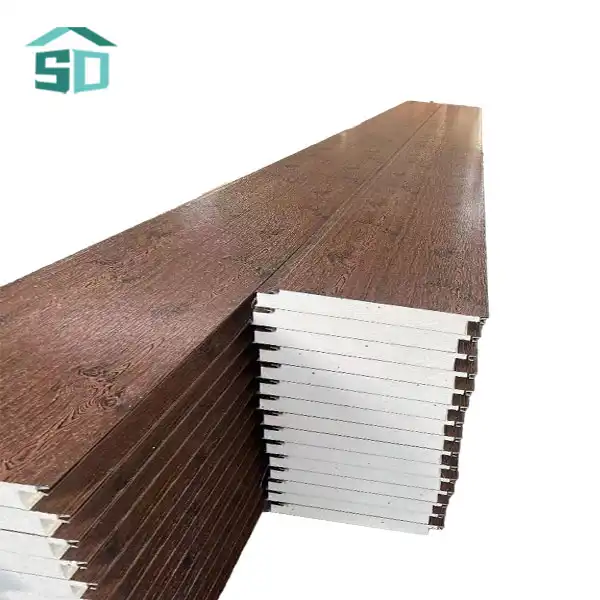
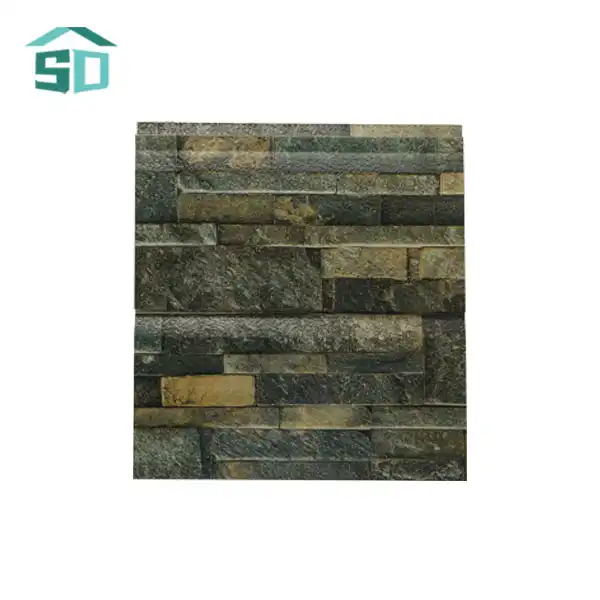
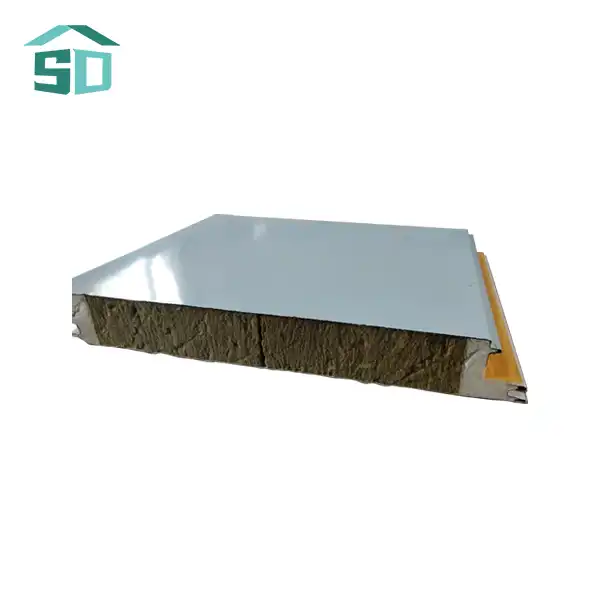
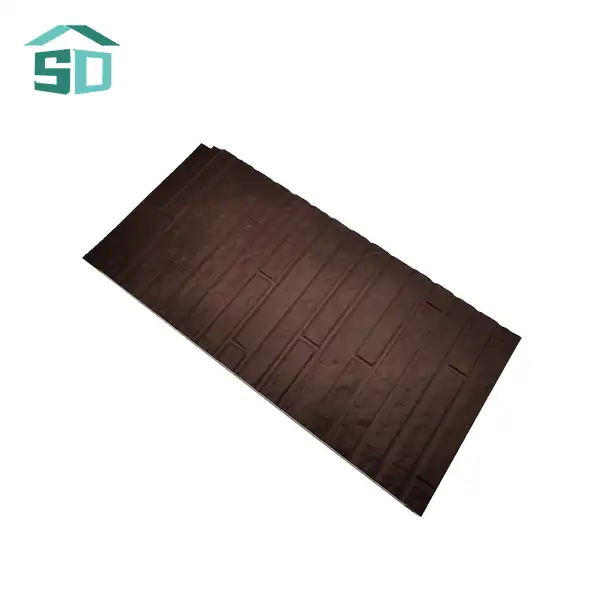
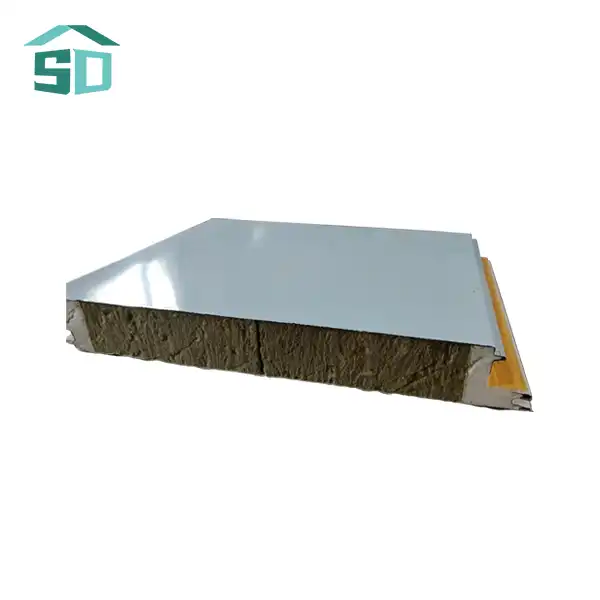
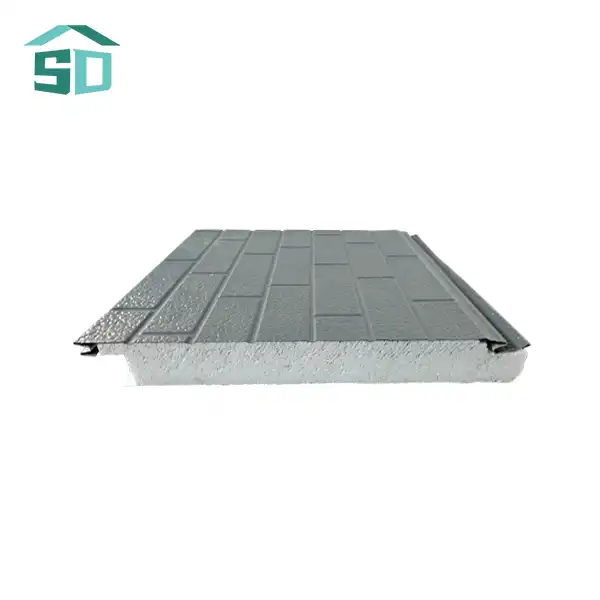
Exterior wall claddings, insulated sandwich panels, and light gauge steel frame systems are just a few of the many products we offer that are ideal for prefab house building. Quality relationships with leaders in the field, such as Baosteel and Akzo Nobel, ensure the high-quality materials that minimalist homeowners want. Performance characteristics that ensure long-term satisfaction and structural integrity are checked by strict testing methods.
Project managers and procurement specialists benefit from our established global supply chain serving over 30 countries and regions. Reliable delivery schedules support tight construction timelines while technical support services provide design coordination and installation guidance. Whether sourcing materials for modular home projects or seeking a trusted prefab house supplier, our team delivers solutions that exceed expectations. Contact us at info@sdqsc.com to discuss your specific project requirements and discover how our expertise can enhance your prefab house development.
References
1. Anderson, M. (2023). "Sustainable Prefab Construction: Materials and Methods for Modern Living." Journal of Contemporary Architecture, Vol. 45, Issue 3, pp. 78-94.
2. Chen, L. & Roberts, K. (2024). "Urban Housing Solutions: Prefabricated Structures in Metropolitan Areas." International Building Research Quarterly, Vol. 28, No. 2, pp. 156-172.
3. Johnson, P. (2023). "Minimalist Design Principles in Modular Construction." Architectural Design Review, Vol. 67, Issue 8, pp. 203-218.
4. Martinez, S. et al. (2024). "Global Trends in Prefabricated Housing Markets." Construction Industry Analysis, Vol. 19, No. 4, pp. 89-107.
5. Thompson, R. (2023). "Steel Frame Construction in Contemporary Prefab Houses." Structural Engineering Today, Vol. 34, Issue 6, pp. 145-161.
6. Wilson, D. & Park, J. (2024). "Smart Technology Integration in Compact Living Spaces." Modern Home Automation Journal, Vol. 12, No. 3, pp. 234-249.