- English
- French
- German
- Portuguese
- Spanish
- Russian
- Japanese
- Korean
- Arabic
- Greek
- German
- Turkish
- Italian
- Danish
- Romanian
- Indonesian
- Czech
- Afrikaans
- Swedish
- Polish
- Basque
- Catalan
- Esperanto
- Hindi
- Lao
- Albanian
- Amharic
- Armenian
- Azerbaijani
- Belarusian
- Bengali
- Bosnian
- Bulgarian
- Cebuano
- Chichewa
- Corsican
- Croatian
- Dutch
- Estonian
- Filipino
- Finnish
- Frisian
- Galician
- Georgian
- Gujarati
- Haitian
- Hausa
- Hawaiian
- Hebrew
- Hmong
- Hungarian
- Icelandic
- Igbo
- Javanese
- Kannada
- Kazakh
- Khmer
- Kurdish
- Kyrgyz
- Latin
- Latvian
- Lithuanian
- Luxembou..
- Macedonian
- Malagasy
- Malay
- Malayalam
- Maltese
- Maori
- Marathi
- Mongolian
- Burmese
- Nepali
- Norwegian
- Pashto
- Persian
- Punjabi
- Serbian
- Sesotho
- Sinhala
- Slovak
- Slovenian
- Somali
- Samoan
- Scots Gaelic
- Shona
- Sindhi
- Sundanese
- Swahili
- Tajik
- Tamil
- Telugu
- Thai
- Ukrainian
- Urdu
- Uzbek
- Vietnamese
- Welsh
- Xhosa
- Yiddish
- Yoruba
- Zulu

Formwork plywood
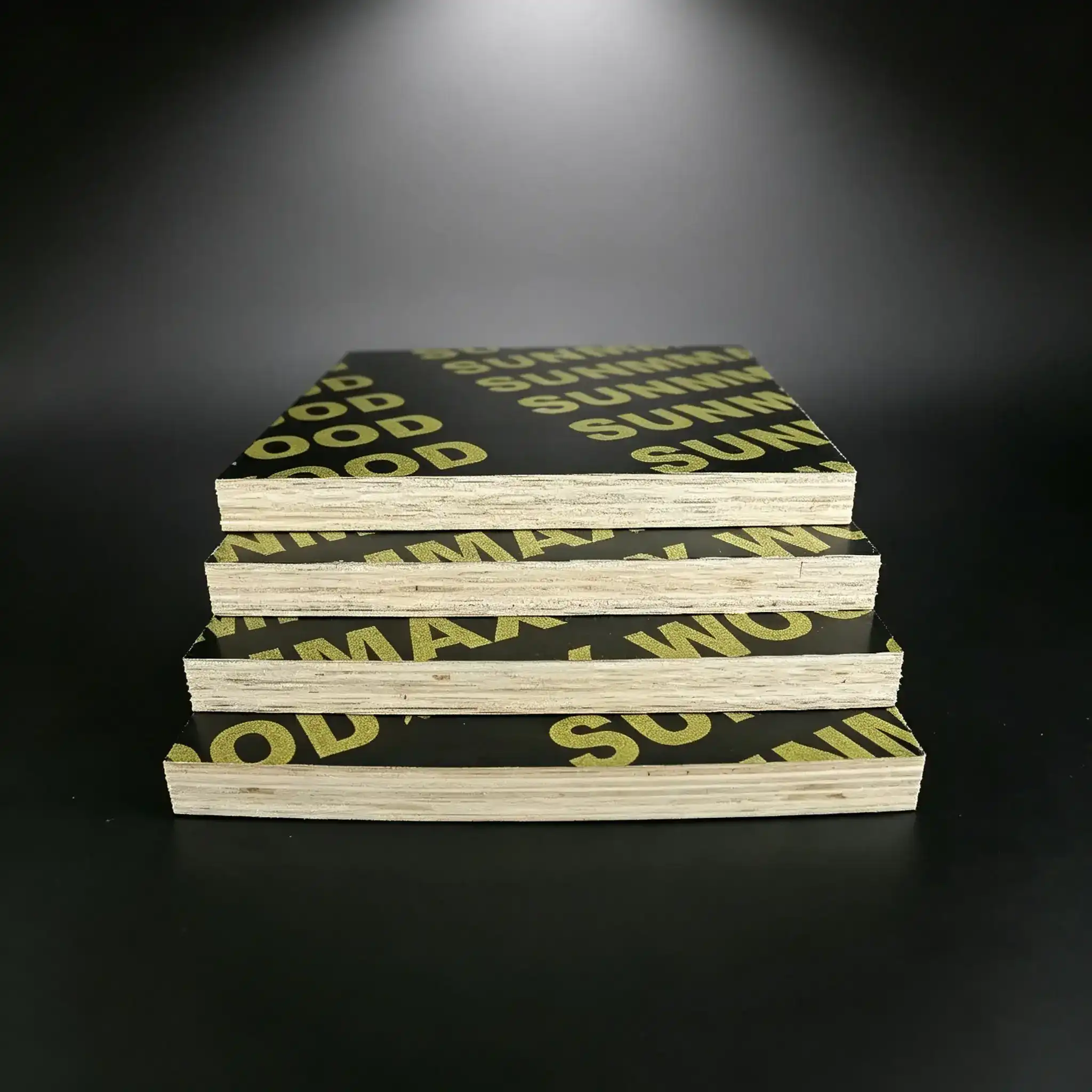
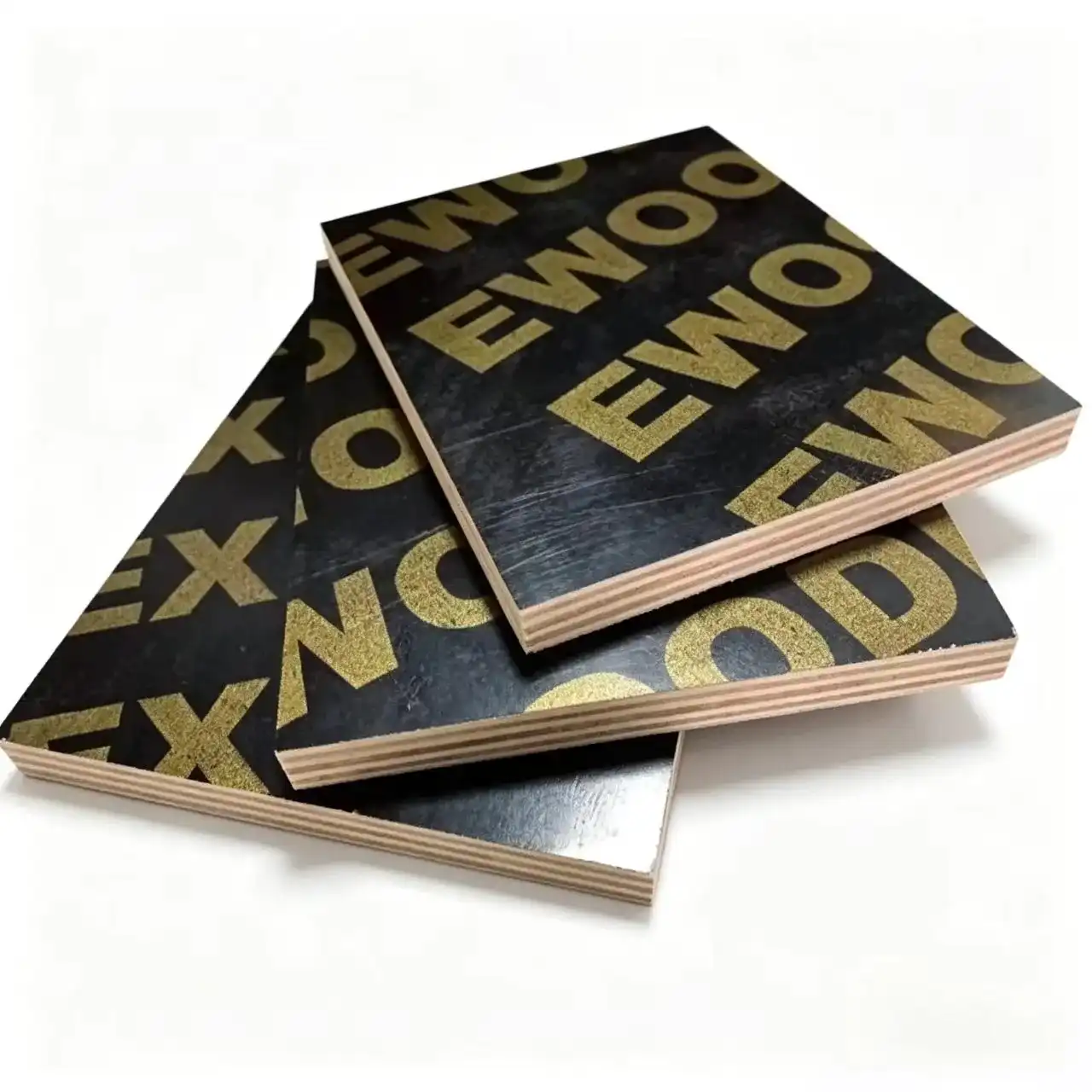
Formwork plywood is a specialized core board used for concrete pouring and engineering formwork on construction sites. It is characterized by high strength, wear resistance, deformation resistance, and high reuse rate. Its classification mainly revolves around construction scenarios, performance parameters, and process standards. San Dong Building Materials has been deeply involved in the field of building panels for many years, adhering to domestic and international construction standards, and combining with the actual material needs of construction sites, we have compiled this practical classification guide to help engineering procurement and construction parties accurately select materials and avoid material selection errors.



Classified by the number of layers of the board (core reference for engineering selection)
Formwork plywood uses odd layer veneer cross hot pressing technology, where the number of layers directly determines the thickness, compressive load-bearing capacity, and turnover times of the board. It is also the most commonly used differentiation method for construction site procurement. San Dong Building Materials has sufficient stock of mainstream layer specifications, and can produce special thicknesses and customized layers as needed.
• 7-story formwork plywood: with moderate thickness and high cost-effectiveness, it is suitable for ordinary civil buildings, low floor slabs/wall formwork, and meets the load-bearing requirements of conventional concrete pouring. It has moderate turnover times and is a commonly used foundation for construction sites.
9-layer formwork plywood: With a compact structure, strong compression resistance, and outstanding deformation resistance, it is suitable for medium and heavy-duty formwork scenarios such as high-rise buildings, bridge foundations, and municipal engineering. It has strong durability and higher turnover times than thin formwork.
Formwork plywood with 11 or more floors: thickened high-density structure, full load-bearing capacity, impact resistance, wear resistance, specially designed for heavy-duty projects such as large-scale infrastructure, elevated bridges, dams, etc., with more turnover times and lower long-term use costs.
Classified by water resistance and usage environment of adhesive layer (determining service life)
Water resistance is the core performance indicator of formwork plywood, which directly affects the weather resistance, demolding effect, and turnover times of the formwork. San Dong Building Materials strictly controls the quality of adhesive, and all series of products comply with construction standards, eliminating problems such as glue cracking, layering, and delamination.
Phenolic resin weather resistant formwork plywood: Made of high-strength phenolic resin adhesive, it is resistant to high temperatures, boiling water immersion, and outdoor rain and sun exposure. It can be stored outdoors and is suitable for harsh construction environments such as bridges, docks, and infrastructure. Its turnover times far exceed ordinary formwork.
Modified urea formaldehyde adhesive waterproof formwork plywood: It meets the standards for moisture and water resistance, is resistant to cold water immersion, and is resistant to construction moisture erosion. It is suitable for indoor buildings, basements, and ordinary building formwork support, and is not easy to crack or deform during rainy construction, with outstanding cost-effectiveness.
Classify by purpose and construction scenario (accurately match engineering requirements)
According to the actual construction conditions, it can quickly match project requirements, avoid improper material selection affecting construction progress and increasing material costs. San Dong Building Materials covers a full range of building templates, with both regular and special styles available for bulk supply.
Universal building formwork plywood: a mainstream engineering product on the market, suitable for conventional concrete pouring and formwork in residential, office, and factory buildings. The surface of the formwork is flat and smooth, and the appearance of the concrete wall after demoulding is good, meeting the needs of most civil engineering projects.
Specialized infrastructure formwork plywood: thickened and fixed, with excellent compression, wear resistance, and bending resistance, specially designed for heavy-duty infrastructure projects such as bridges, tunnels, high-speed roadbeds, and water conservancy dams, suitable for high-strength pouring conditions.
Film coated formwork plywood: The board surface is covered with polymer film, which is waterproof, anti adhesive, easy to demold, and has a high surface smoothness. It does not require secondary plastering when pouring plain concrete, making it suitable for high-end buildings and municipal engineering projects that require high wall flatness.

Classified by surface processing status
The surface technology directly affects the demolding effect, concrete forming quality, and formwork turnover times, and can be flexibly selected according to engineering standards and construction requirements.
Ordinary smooth surface formwork plywood: Conventional polishing treatment, flat and burr free surface, low cost, suitable for ordinary civil engineering formwork, meeting the needs of foundation construction.
Double sided laminated formwork plywood: Double sided laminated technology, waterproof and wear-resistant, not easy to stick, quick demoulding, significantly increased turnover, is the preferred choice for high-end engineering.
Sandblasting and shaping formwork plywood: precise sandblasting treatment, uniform thickness, minimal error, suitable for customized formwork and irregular structure construction with strict template size requirements.
Classification by raw material tree species
The raw material tree species determine the density, hardness, and load-bearing capacity of the template. San Dong Building Materials selects high-quality raw wood core materials to ensure the stability of the board structure and uniform quality.
Poplar core formwork plywood: lightweight material, easy to cut and transport, flat surface, high cost-effectiveness, suitable for conventional low rise buildings and small-scale engineering formwork support.
Birch core/pine core formwork plywood: high density, hard wood, strong compressive and deformation resistance, better durability, suitable for heavy-duty construction scenarios such as high-rise buildings and infrastructure.