- English
- French
- German
- Portuguese
- Spanish
- Russian
- Japanese
- Korean
- Arabic
- Greek
- German
- Turkish
- Italian
- Danish
- Romanian
- Indonesian
- Czech
- Afrikaans
- Swedish
- Polish
- Basque
- Catalan
- Esperanto
- Hindi
- Lao
- Albanian
- Amharic
- Armenian
- Azerbaijani
- Belarusian
- Bengali
- Bosnian
- Bulgarian
- Cebuano
- Chichewa
- Corsican
- Croatian
- Dutch
- Estonian
- Filipino
- Finnish
- Frisian
- Galician
- Georgian
- Gujarati
- Haitian
- Hausa
- Hawaiian
- Hebrew
- Hmong
- Hungarian
- Icelandic
- Igbo
- Javanese
- Kannada
- Kazakh
- Khmer
- Kurdish
- Kyrgyz
- Latin
- Latvian
- Lithuanian
- Luxembou..
- Macedonian
- Malagasy
- Malay
- Malayalam
- Maltese
- Maori
- Marathi
- Mongolian
- Burmese
- Nepali
- Norwegian
- Pashto
- Persian
- Punjabi
- Serbian
- Sesotho
- Sinhala
- Slovak
- Slovenian
- Somali
- Samoan
- Scots Gaelic
- Shona
- Sindhi
- Sundanese
- Swahili
- Tajik
- Tamil
- Telugu
- Thai
- Ukrainian
- Urdu
- Uzbek
- Vietnamese
- Welsh
- Xhosa
- Yiddish
- Yoruba
- Zulu
What is a modular prefab house: A complete guide
A modular prefab house is a completely new way to build because it combines the accuracy of factory-built homes with the speed of putting them together on-site. These innovative structures are built away from the site in controlled settings and then brought to where they will be used to be put together. When building a prefab house, instead of traditional stick-built homes, standard parts or modules are used that fit together perfectly. This allows for better quality control, faster construction, and lower costs. This complete guide covers all the important topics you need to know about modular prefabricated building, from the most basic ideas to more complex ways to use them in both business and home projects.
Understanding Modular Prefabricated Construction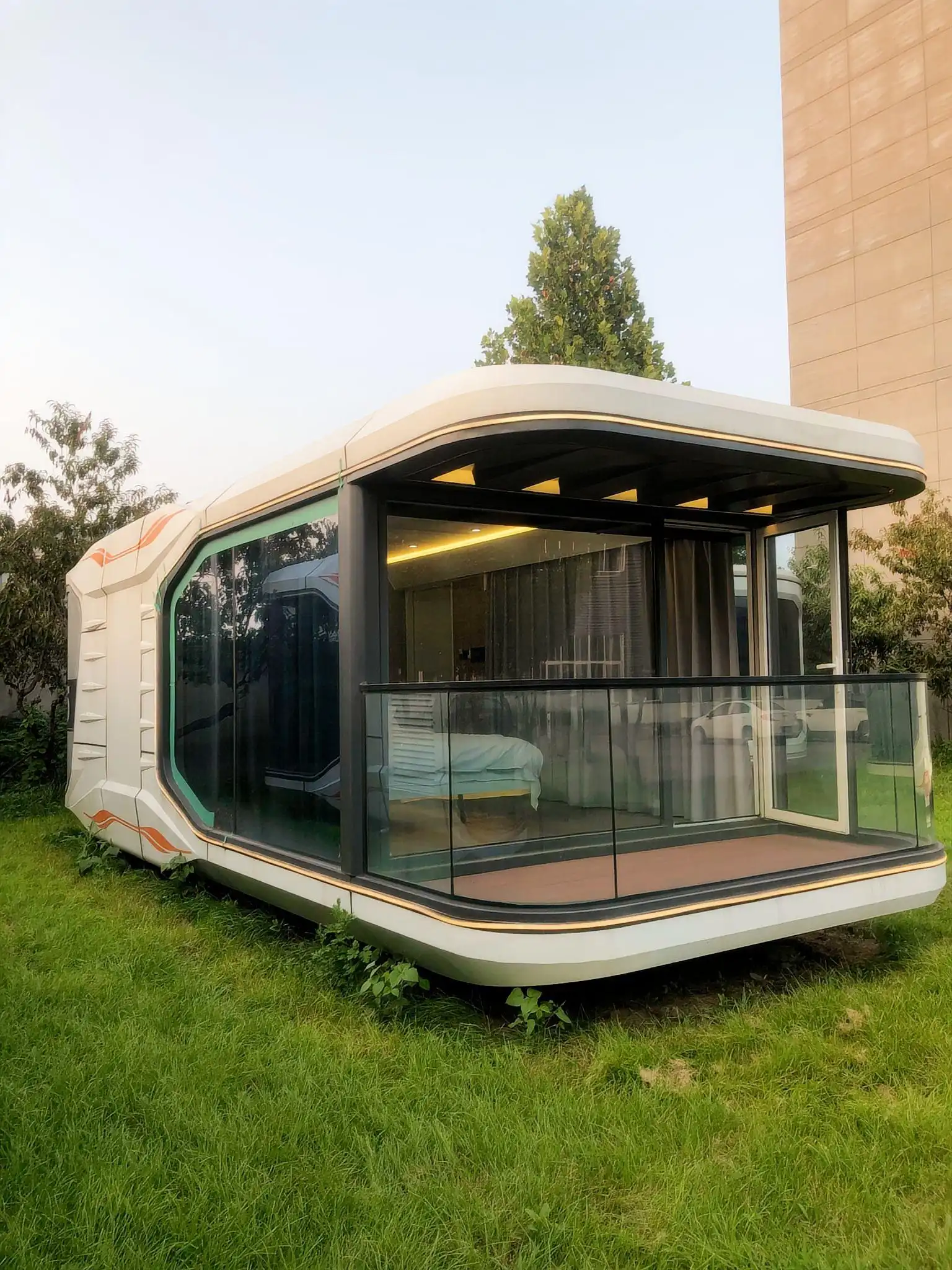
The systematic, factory-based technique of modular prefabricated construction makes it very different from traditional building methods. Each module goes through strict quality checks in climate-controlled rooms. This makes sure that the standards are always the same, which is something that building sites that depend on the weather can't do. Advanced technologies and standardized workflows are used in the manufacturing process, which makes structures that often meet or beat traditional building quality standards.
The first step in building something is thorough architectural planning, where designers make lists of what each part of the building needs. They figure out how strong something needs to be, how much weight it can hold, and how weatherproof it needs to be. Then, insulated sandwich panels, steel frame systems, and weather-resistant outer cladding solutions are used by the companies to make each module. Quality control methods make sure that every part meets strict standards for safety and performance while it is being made. Before units leave the factory, they are put through a number of advanced tests that make sure they are safe for the environment, won't catch fire, keep heat in, are stable, and are easy to use.
Types of Prefabricated Building Systems
Modular Construction
The most advanced type of prefabricated building is modular systems. Each module has full building parts, like walls, floors, roofs, and systems that work together. Manufacturers build these modules to exact specs, adding systems for plumbing, electricity, and climate control while they're still in the factory. The form of the lightweight structure makes it easy to move while still keeping the structure's integrity. Steel frame parts are very strong and durable, and they can hold a lot of weight. They can be used in multi-story buildings and in complex design arrangements.
Panelized Systems
Panelized building uses wall panels, roof sections, and floor systems that are already made and come to the job site ready to be put together. This method can also be used for prefab house projects. This method gives designers more freedom while still making the manufacturing process more efficient. Different materials, colors, and textures are available for exterior wall cladding to meet different design needs. Insulated sandwich wall panels have high-density insulation layers between the structural facings, which makes them better at keeping heat in. These panels are very good at saving energy and are easier to place than other panels on the market.
Container-Based Solutions
Shipping container homes have become popular as eco-friendly ways to live. These are made by turning old industrial containers into houses and businesses. This method can help with temporary shelters, off-grid homes, and emergency living needs without spending a lot of money. Some changes that can be made to containers are adding insulation, strengthening the structure, adding windows and doors, and finishing the inside. The idea behind portable buildings is that they can be moved when things change, which is something that standard bu
Key Components and Materials
Structural Framework
The main part of most current prefabricated systems is light gauge steel framing. It is very easy to put these parts together because they have great strength-to-weight ratios. Steel profiles, like H-beams and U-channels, make strong supports for structures that can handle a range of loads. Protecting steel with galvanized coating keeps it from rusting over time. This is especially important near water or in places with rough weather. Precision production of steel parts ensures that they will always fit together correctly during assembly.
Insulation Systems
Modern insulation technologies improve thermal efficiency while lowering energy use. The fire resistance of stone wool and glass wool materials is very high, and they also have great thermal qualities. Expanded Polystyrene (EPS) systems are a cheap way to insulate projects that want to stick to a budget. Continuous insulation methods get rid of thermal bridging, making envelopes that use less energy and need less heating and cooling. When insulation is installed correctly, it keeps the inside of a building dry and warm.
Exterior Cladding Solutions
Modern prefab house uses high-tech exterior finishing systems that look good and work well. Metal siding pieces are very resistant to the weather and come in a lot of different styles. These systems can work with a wide range of architectural styles, from modern minimalism to more classic home looks. The ability to control moisture while stopping water from getting in is possible with breathable wall systems. New covering technologies protect against UV rays, keep colors stable, and make surfaces last longer so they can be used for longer.
Advantages of Modular Prefab Construction
Speed and Efficiency
Factory-based construction eliminates weather delays and site-related complications that plague traditional building projects. Manufacturing schedules operate independently of on-site conditions, enabling parallel construction activities that significantly reduce project timelines. Quick assembly procedures minimize on-site labor requirements while reducing neighborhood disruption. Experienced installation teams complete module assembly rapidly, often finishing projects in days rather than months.
Quality Control
Controlled manufacturing environments enable consistent quality standards impossible to achieve with field construction. Indoor assembly protects materials and components from weather exposure, preventing moisture damage and material degradation. Comprehensive quality inspection protocols evaluate each component before shipment, ensuring defect-free delivery to construction sites. Standardized assembly procedures minimize human error while maintaining dimensional accuracy throughout the construction process.
Cost Effectiveness
Streamlined manufacturing processes reduce material waste while optimizing labor efficiency. Bulk purchasing power enables manufacturers to secure premium materials at competitive prices, passing cost savings to end customers. Reduced construction schedules minimize financing costs and enable faster occupancy or revenue generation. The predictable nature of modular construction eliminates cost overruns common with traditional building projects.
Environmental Benefits
Factory-based construction generates less waste compared to traditional building methods. Precise material calculations minimize excess ordering while enabling recycling of manufacturing byproducts. Energy-efficient design characteristics reduce operational energy consumption throughout building lifecycles. Sustainable materials and manufacturing processes support green building initiatives and environmental stewardship goals.
Applications Across Industries Residential Projects
Single-family homes benefit from modular construction advantages while offering unlimited design possibilities. Custom home plans accommodate unique architectural requirements while maintaining manufacturing efficiencies. Multi-family residential complexes utilize modular systems for rapid development of affordable housing solutions. Standardized modules enable cost-effective construction while providing quality living spaces for diverse communities.
Commercial Buildings
Office buildings and retail facilities leverage modular construction for quick market entry and reduced development costs. Flexible floor plans accommodate changing business needs while maintaining professional appearances. Hotels and hospitality projects utilize modular systems for rapid expansion and consistent guest experiences. Standardized room modules ensure uniform quality while enabling efficient construction schedules, and similar advantages can also be seen in prefab house applications.
Specialized Applications
Educational facilities benefit from modular construction for quick classroom expansion and temporary buildings during renovation projects. Healthcare facilities utilize modular systems for emergency medical facilities and clinic expansions. Industrial applications include security kiosks, maintenance buildings, and worker accommodation facilities. The portable nature of modular construction enables relocation as operational requirements change.
Design and Customization Options
Modern modular systems offer a lot of ways to customize them, just like traditional building methods. Architectural design companies work with manufacturers to make custom building layouts that still have the benefits of modular design. Different materials, textures, and colors are used for exterior finishes to match the building around them. Different functional needs can be met by interior layouts that include current amenities and technologies. You can make even more changes to flat-pack house systems by choosing which parts to use. To meet the exact needs of a job, builders pick out certain materials, finishes, and layouts.
Building Codes and Compliance
Modular construction must comply with local building codes and safety regulations applicable to permanent structures. International Residential Code (IRC) standards govern residential modular construction, while commercial projects follow International Building Code (IBC) requirements. Fire resistance testing ensures modular components meet safety standards for occupancy classifications and building heights. Structural engineering calculations verify load-bearing capacities and seismic resistance requirements. Environmental regulations address energy efficiency, accessibility, and sustainable construction practices. Compliance documentation accompanies each project, facilitating permit approval and inspection processes.
Future Trends in Modular Construction
Technological advances continue expanding modular construction possibilities. Building Information Modeling (BIM) enables precise design coordination and manufacturing optimization. Automated manufacturing systems increase production efficiency while maintaining quality standards. Smart home integration incorporates advanced building systems during manufacturing, creating technology-ready structures. Internet of Things (IoT) capabilities enable remote monitoring and building management systems. Sustainable materials development focuses on renewable resources and reduced environmental impact. Advanced insulation systems and energy generation technologies create net-zero energy buildings.
Conclusion
Modern, high-quality building development will be based on modular prefabrication in the future. When you combine factory-controlled production, high-tech materials, and quick assembly, you get buildings that are better than traditional ones and are built faster and cheaper. From prefab house plans and tiny house applications to large-scale commercial developments, prefabricated systems give you more performance and freedom than ever before. As technology keeps getting better and environmental responsibility grows, modular construction will be a key part of meeting the world's building needs while also saving the planet's resources for future generations.
Partner with Weifang Sandong Building Materials for Your Prefab House Projects
Business Name: Weifang Sandong Building Materials Co.,Ltd. as a reliable provider of prefab houses, giving complete solutions for modular building projects in residential, commercial, and industrial settings. As part of our wide range of products, we offer high-quality exterior wall claddings, insulated sandwich wall panels, and light gauge steel framing systems that are the basis for making great prefabricated homes.
We work with clients in more than 30 countries and regions around the world, so you can be sure that your projects will get the best materials and technical help possible. Our modern production lines work with big names in the industry, like Baosteel, Akzo Nobel, and KCC, to make sure that every part is of the highest quality. Whether you're building apartment complexes, businesses, or specialized structures, our solutions can be changed to fit a wide range of design needs while still being affordable.
Every product we sell goes through a thorough quality inspection process to make sure it meets international building standards for fire safety, structural stability, and environmental performance. Our technical team is there for you throughout the whole project, from the first design consultation to the final installation help. Do you want to learn more about how modular prefab building can change your next project? Our experienced team is ready to talk with you about your unique needs and give you full technical specifications. Email us at info@sdqsc.com to find out how our cutting-edge building materials and expert help can help you realize your idea quickly and cheaply.
References
1. National Association of Home Builders. "Modular Home Construction Guide: Standards and Practices in Factory-Built Housing." NAHB Research Center, 2023.
2. International Code Council. "IRC Standards for Modular Construction: Compliance Requirements and Inspection Protocols." ICC Publications, 2022.
3. Smith, Robert J. "Prefabricated Building Systems: Engineering Principles and Design Applications." Construction Industry Press, 2023.
4. Anderson, Maria K. "Sustainable Modular Construction: Environmental Benefits and Green Building Integration." Architectural Materials Journal, Vol. 45, 2023.
5. Thompson, David L. "Steel Frame Modular Systems: Structural Design and Assembly Techniques." Engineering Construction Quarterly, Issue 3, 2023.
6. Wilson, Sarah P. "Quality Control in Prefab Manufacturing: Best Practices and Industry Standards." Building Materials Research Institute, 2022.