The Evolution of Wall Construction: From Brick to Insulated Panels
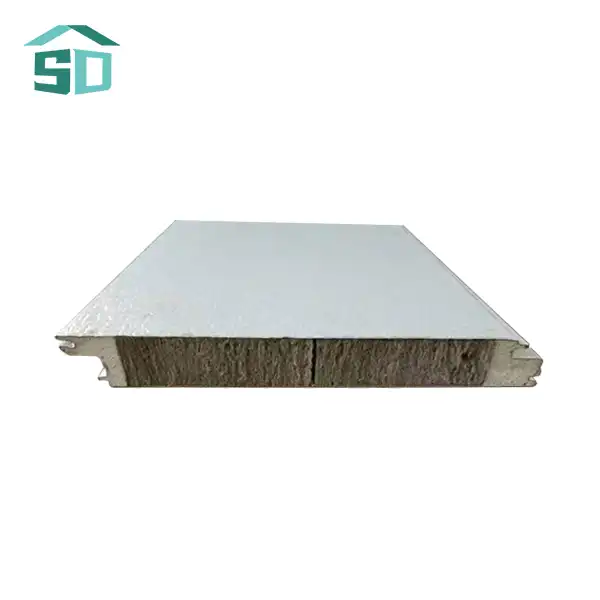
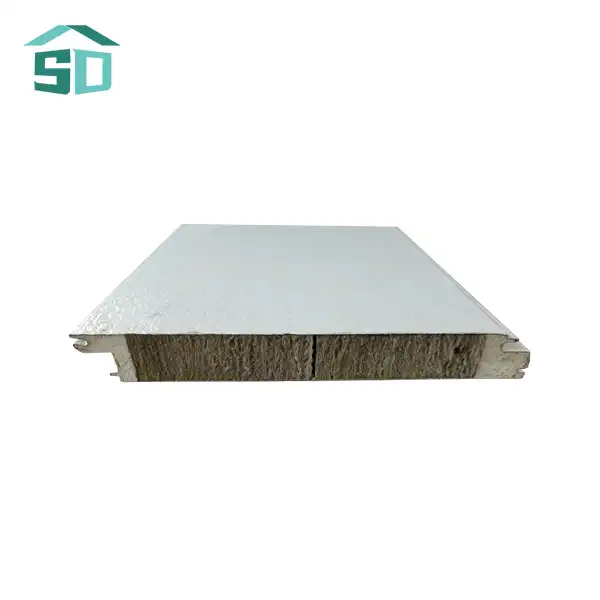
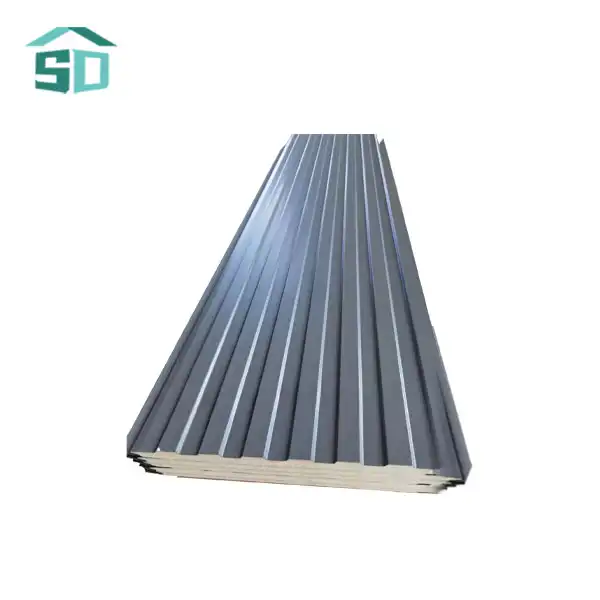
Brick has been a stalwart in construction for millennia, valued for its durability and aesthetic appeal. However, as energy efficiency becomes increasingly crucial, insulated thermal wall panels have emerged as a formidable alternative. These panels, composed of a high-performance insulating core sandwiched between two structural facings, offer a compelling combination of thermal efficiency and structural integrity.
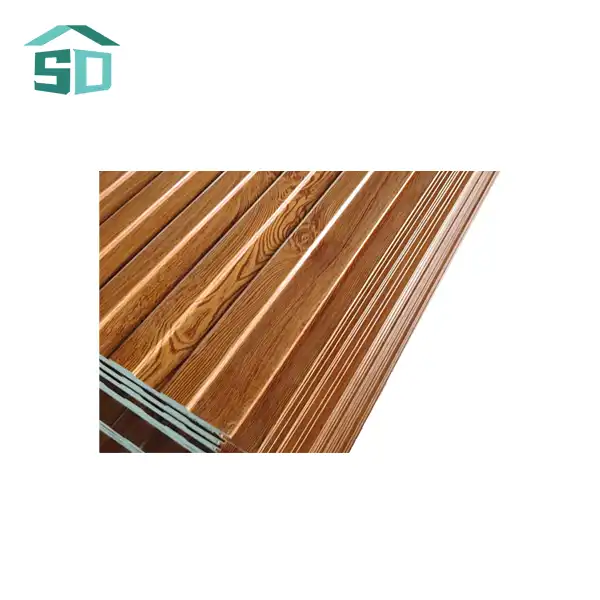
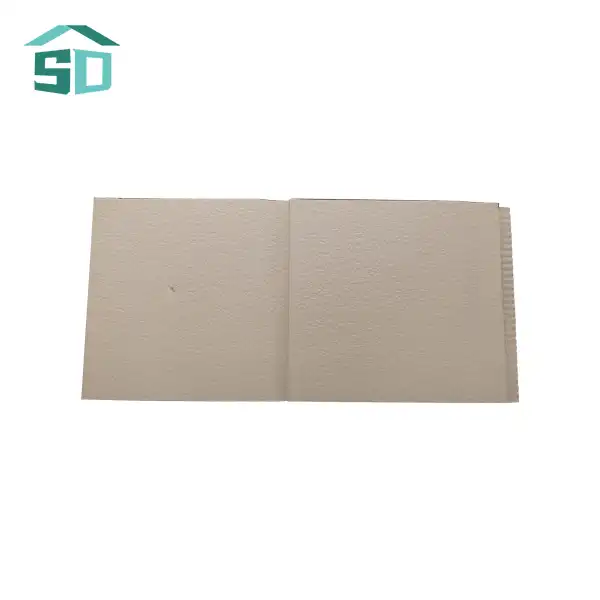
Insulated thermal wall panels, available from reputable insulated thermal wall panels suppliers like Weifang Sandong Building Materials Co., Ltd., represent a leap forward in building technology. Unlike traditional brick walls, which often require additional insulation to meet modern energy standards, these panels integrate insulation directly into the wall structure. This innovative approach not only simplifies construction but also maximizes the efficiency of the building envelope.
 Thermal Performance: A Game-Changing Difference
When it comes to thermal performance, insulated thermal wall panels have a clear advantage. The continuous insulation provided by these panels significantly reduces thermal bridging, a common issue in brick construction where heat can escape through mortar joints and less insulated areas. The result is a more consistent and effective thermal barrier, leading to improved energy efficiency and reduced heating and cooling costs.
Brick walls, while inherently possessing some thermal mass, often fall short in meeting today's stringent energy codes without substantial additional insulation. In contrast, insulated thermal wall panels are engineered to provide superior R-values, ensuring optimal thermal resistance and contributing to a more comfortable indoor environment year-round.
Construction Efficiency and Cost Considerations
The construction process itself is another area where insulated thermal wall panels demonstrate significant advantages over traditional brick walls. The prefabricated nature of these panels allows for rapid installation, potentially reducing construction time by weeks or even months compared to brick laying. This efficiency not only accelerates project timelines but can also lead to substantial cost savings in labor and overall project management.
While the initial material cost of insulated thermal wall panels may be higher than that of brick, the long-term savings in energy costs and the reduced need for additional insulation materials often result in a more favorable total cost of ownership. Moreover, the lightweight nature of these panels can lead to savings in foundation costs and structural support requirements, further offsetting initial expenses.
Versatility in Design and Application
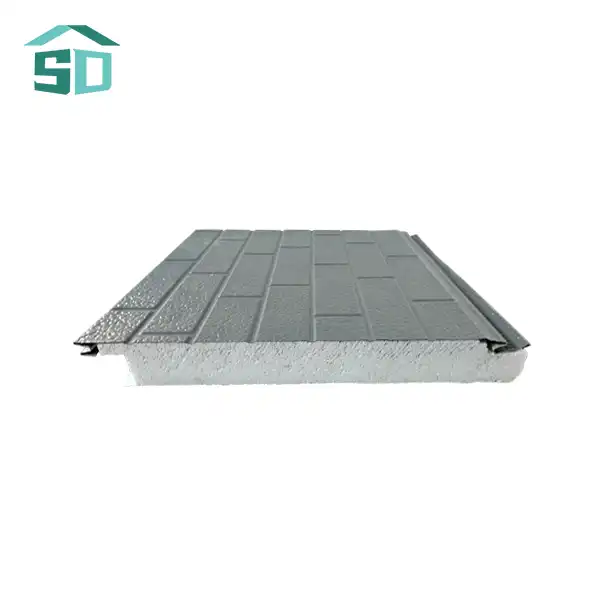
Insulated thermal wall panels offer unparalleled versatility in design and application. Available in a wide range of finishes, colors, and textures, these panels can mimic the appearance of traditional materials like brick or stone while providing superior thermal performance. This flexibility allows architects and designers to achieve their aesthetic vision without compromising on energy efficiency.
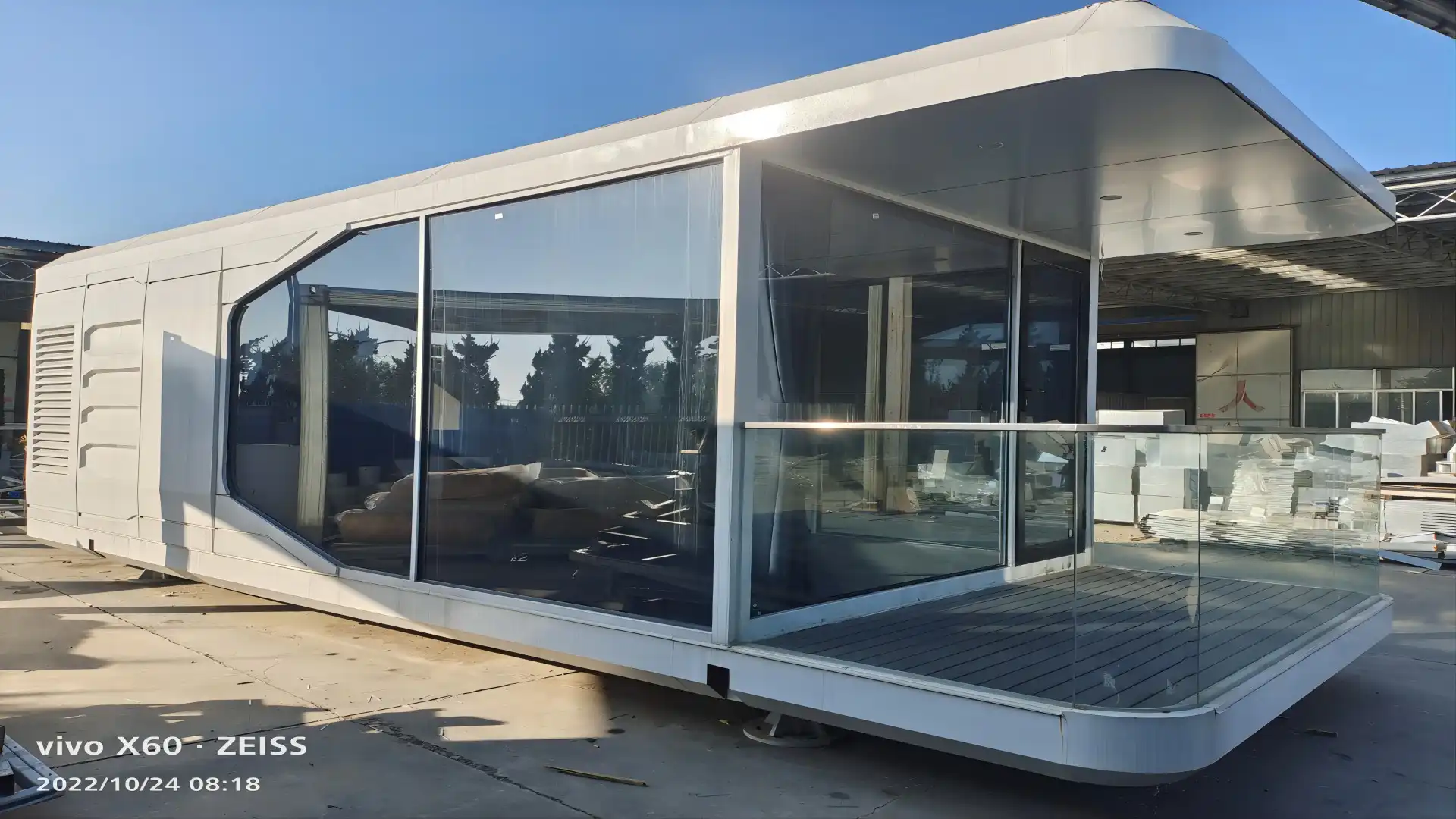
Furthermore, insulated thermal wall panels are adaptable to various building types and climates. Whether for residential homes, commercial structures, or industrial facilities, these panels can be customized to meet specific thermal requirements and architectural designs. This adaptability makes them an excellent choice for both new construction and renovation projects, offering solutions that traditional brick construction may struggle to match.
Long-Term Performance and Sustainability
When evaluating the long-term performance of building materials, sustainability and durability are key factors to consider. Insulated thermal wall panels excel in both areas, offering a lifespan comparable to or exceeding that of traditional brick walls when properly installed and maintained. The integrated nature of these panels also means fewer potential points of failure or degradation over time.
From a sustainability perspective, insulated thermal wall panels contribute significantly to reducing a building's carbon footprint. By improving energy efficiency and reducing the need for heating and cooling, these panels help lower overall energy consumption and associated greenhouse gas emissions. Additionally, many insulated thermal wall panels are manufactured using recyclable materials and can be recycled at the end of their life cycle, further enhancing their environmental credentials.
Maintenance and Long-Term Cost Efficiency
Maintenance is another area where insulated thermal wall panels shine. Unlike brick walls, which may require periodic repointing and can be susceptible to moisture issues, insulated panels typically require minimal upkeep. Their resistance to moisture, mold, and pests contributes to a healthier indoor environment and reduces long-term maintenance costs.
The superior insulation properties of these panels also translate to long-term cost savings on energy bills. Buildings equipped with insulated thermal wall panels often experience significantly lower heating and cooling costs compared to those with traditional brick construction, leading to substantial savings over the life of the building.
Conclusion
In the comparison between traditional brick walls and insulated thermal wall panels, it's clear that the latter offers significant advantages in terms of energy efficiency, construction speed, and long-term performance. While brick remains a respected and aesthetically pleasing option, the superior thermal properties, design flexibility, and overall efficiency of insulated panels make them an increasingly attractive choice for modern construction projects. As we continue to prioritize energy conservation and sustainable building practices, insulated thermal wall panels stand out as a forward-thinking solution that meets both current needs and future challenges in the construction industry.
Are you ready to elevate your next construction project with cutting-edge insulated thermal wall panels? Weifang Sandong Building Materials Co., Ltd. offers a wide range of high-performance insulated panels designed to meet your specific needs. From energy-efficient residential homes to large-scale commercial buildings, our panels provide the perfect blend of aesthetics, durability, and thermal efficiency. Contact us today at info@sdqsc.com to learn more about how our insulated thermal wall panels can transform your building's performance and appearance.
FAQ
How do insulated thermal wall panels compare to traditional brick in terms of fire resistance?
Insulated thermal wall panels are engineered to meet strict fire safety standards, often achieving Class A or B1 fire ratings. While brick is naturally fire-resistant, modern insulated panels can offer comparable or superior fire protection when properly manufactured and installed.
Can insulated thermal wall panels be used in retrofit projects?
Yes, insulated thermal wall panels are excellent for retrofit projects. Their lightweight nature and ease of installation make them ideal for updating existing structures to improve energy efficiency without requiring extensive structural modifications.
What is the typical lifespan of insulated thermal wall panels?
When properly installed and maintained, insulated thermal wall panels can last 40-50 years or more, comparable to traditional brick construction. Their durability and resistance to environmental factors contribute to their long-term performance.
References
1.U.S. Department of Energy. (2021). "Insulation Materials." Energy.gov.
2.American Society of Heating, Refrigerating and Air-Conditioning Engineers (ASHRAE). (2019). "ASHRAE Handbook - Fundamentals."
3.National Institute of Building Sciences. (2020). "Whole Building Design Guide: Building Envelope Design Guide."
4.International Code Council. (2021). "International Energy Conservation Code (IECC)."
5.Weifang Sandong Building Materials Co., Ltd. (2023). "Product Specifications and Technical Data for Insulated Thermal Wall Panels."