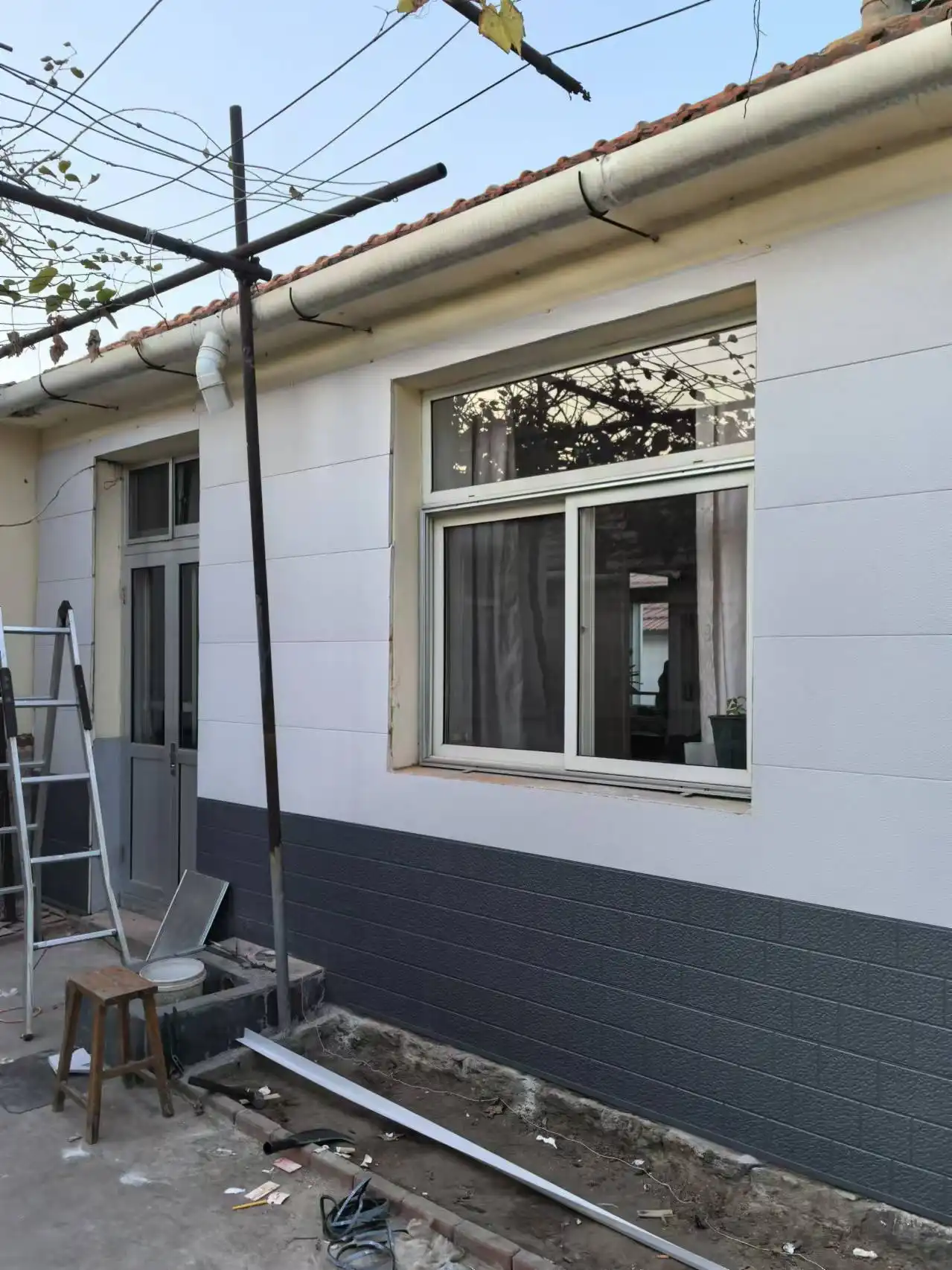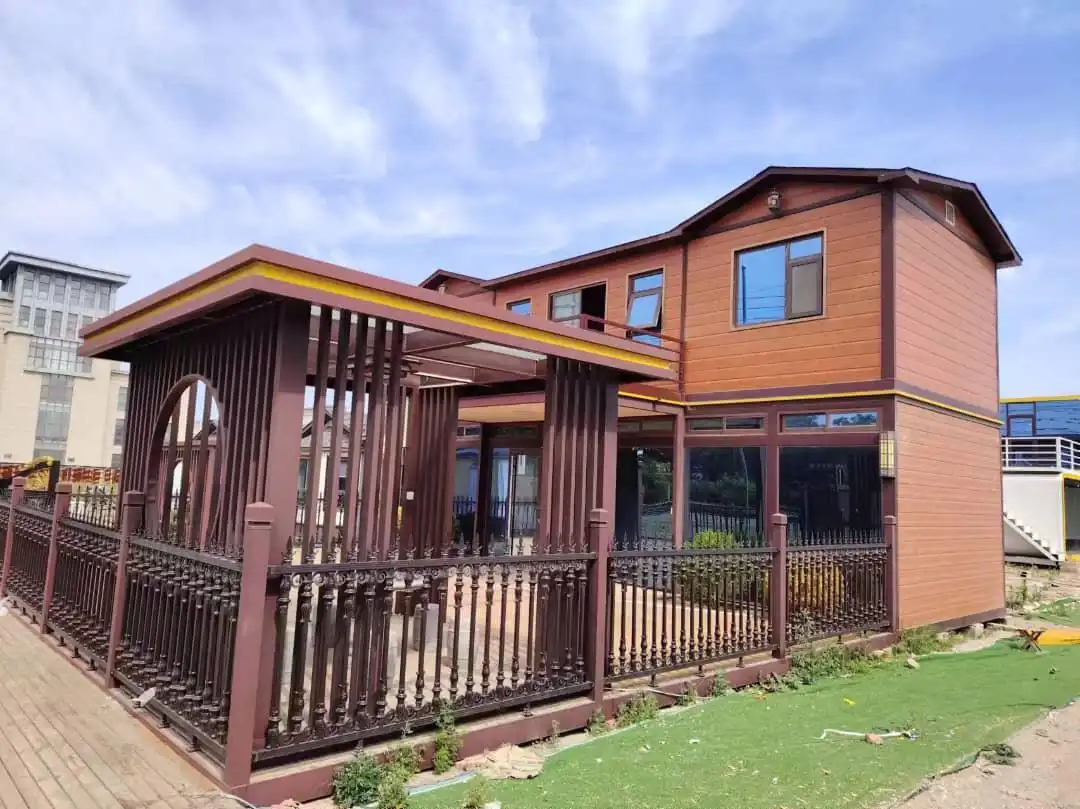
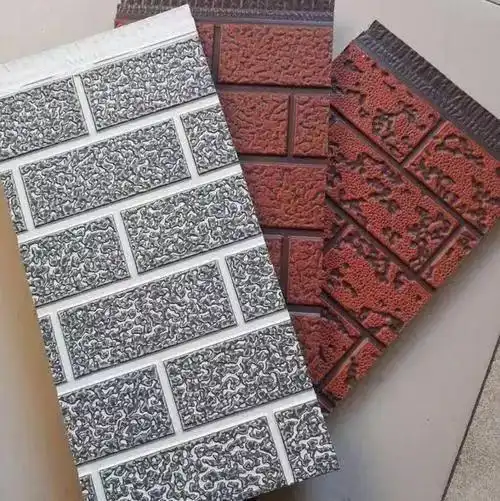
banner

blog

Can Decorative Wall Panels Help with Soundproofing?

When it comes to interior design, decorative wall panels have become increasingly popular for their ability to transform spaces with striking visual appeal. However, many homeowners and designers are now exploring their potential beyond mere aesthetics. A question that often arises is whether decorative wall panels can contribute to soundproofing. In this comprehensive guide, we'll delve into the world of decorative wall panels and their acoustic properties, helping you make informed decisions for your next interior project.

Understanding Decorative Wall Panels and Their Acoustic Properties

Decorative wall panels are versatile elements that can dramatically enhance the appearance of any room. Available in a wide array of materials, textures, and designs, these panels offer endless possibilities for customization. From sleek, modern looks to rustic, textured finishes, there's a decorative wall panel to suit every taste and style. But beyond their visual appeal, many decorative wall panels possess inherent acoustic properties that can contribute to soundproofing efforts. The effectiveness of these panels in reducing noise depends on several factors, including the material composition, thickness, and installation method.

Materials commonly used in decorative wall panels that offer sound-absorbing qualities include:blog-1-1
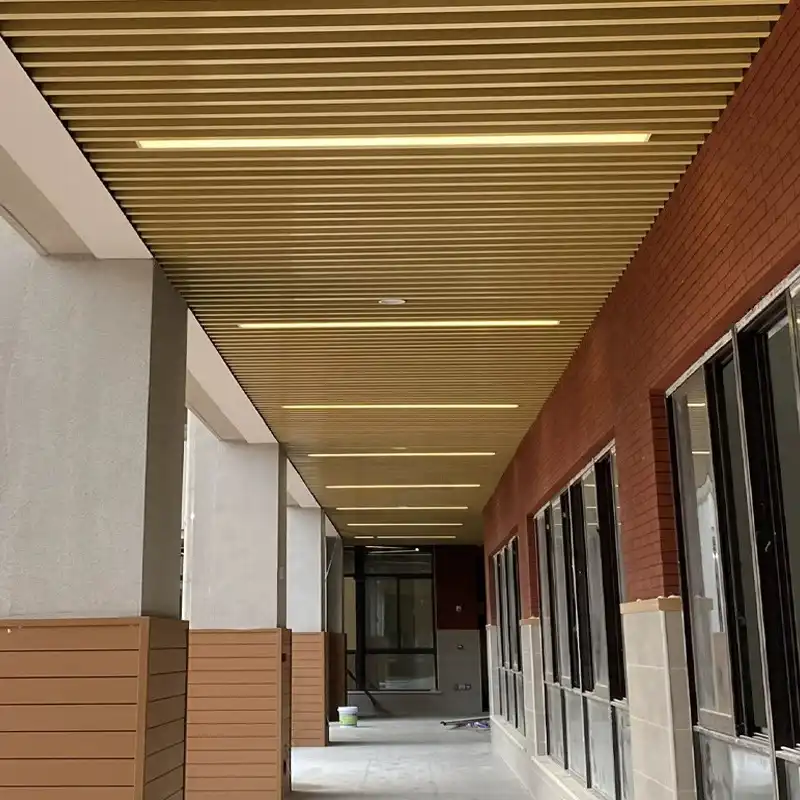
- Wood: Natural or engineered wood panels can absorb sound waves, especially when combined with backing materials.

- Fabric: Soft, porous fabrics can trap sound waves and reduce echo.

- Foam: Acoustic foam panels are specifically designed for sound absorption and can be disguised with decorative coverings.

- Cork: This natural material is excellent for absorbing sound and can be fashioned into attractive wall panels.

- Recycled materials: Some eco-friendly panels made from recycled materials offer both aesthetic appeal and sound-dampening properties.

It's important to note that while decorative wall panels can contribute to soundproofing, they are often most effective when used in conjunction with other sound-reduction techniques. For optimal results, consider combining decorative panels with additional measures such as insulation, weatherstripping, or mass-loaded vinyl barriers.

The Science Behind Soundproofing with Decorative Wall Panels

To understand how decorative wall panels can aid in soundproofing, it's crucial to grasp the basics of sound behavior. Sound waves travel through air and solid materials, causing vibrations that our ears perceive as noise. Effective soundproofing involves two primary strategies: absorption and reflection. Absorption occurs when sound waves enter a material and are converted into heat energy, reducing the amount of sound that passes through or bounces back into the room. Reflection happens when sound waves bounce off a surface, changing their direction and potentially reducing their intensity.

Decorative wall panels can contribute to both absorption and reflection, depending on their design and material composition. Panels with textured surfaces or porous materials tend to be more effective at absorbing sound, while harder, denser panels may reflect sound waves. The effectiveness of decorative wall panels in soundproofing can be measured using the Noise Reduction Coefficient (NRC). This rating, which ranges from 0 to 1, indicates how much sound a material can absorb. An NRC of 0 means no absorption, while an NRC of 1 indicates perfect absorption. Many decorative wall panels designed for acoustic purposes have NRC ratings between 0.5 and 0.9, making them quite effective at reducing noise levels.

When selecting decorative wall panels for soundproofing purposes, consider the following factors:

  1. Density: Denser materials generally provide better sound insulation.
  2. Thickness: Thicker panels tend to be more effective at blocking sound.
  3. Surface texture: Panels with irregular surfaces can diffuse sound waves more effectively.
  4. Air gaps: Installing panels with an air gap behind them can enhance their sound-absorbing capabilities.

Implementing Decorative Wall Panels for Optimal Soundproofing

Now that we've explored the potential of decorative wall panels in soundproofing, let's discuss how to implement them effectively in your space. The key to success lies in strategic planning and proper installation. Start by identifying the primary sources of noise in your room. Are you dealing with external noise from traffic or neighbors, or is the issue internal, such as echoes or reverberation? Understanding the nature of your sound problems will help you choose the most appropriate decorative wall panels and placement strategy.

For external noise reduction, focus on installing panels on the walls that face the noise source. If you're dealing with internal acoustics, consider covering a larger surface area or targeting specific problem areas, such as corners where sound tends to bounce.

Here are some tips for maximizing the soundproofing potential of your decorative wall panels:

- Layer up: Consider using multiple layers of panels or combining different types of materials for enhanced sound absorption.

- Cover strategically: Focus on covering at least 25-50% of your wall surface area for noticeable acoustic improvements.

- Mind the gaps: Ensure panels are installed snugly against each other and the wall to prevent sound leakage.

- Complement with soft furnishings: Pair your decorative wall panels with rugs, curtains, and upholstered furniture for a comprehensive soundproofing approach.

- Consider 3D panels: Three-dimensional decorative panels can provide additional sound diffusion and absorption due to their varied surface depths.

Conclusion

In conclusion, decorative wall panels can indeed play a significant role in soundproofing your space while adding visual interest and style. By understanding the acoustic properties of different materials and implementing them strategically, you can create an environment that's not only aesthetically pleasing but also acoustically comfortable. Whether you're designing a home theater, a quiet office space, or simply aiming to reduce noise in your living areas, decorative wall panels offer a versatile solution that marries form and function.

For more information on exterior cladding and facade solutions that can complement your interior soundproofing efforts, don't hesitate to reach out to the experts at Weifang Sandong Building Materials Co., Ltd. Contact them at info@sdqsc.com to explore how their products can enhance your building's overall acoustic performance and aesthetic appeal.

References

1. Everest, F. A., & Pohlmann, K. C. (2015). Master Handbook of Acoustics, Sixth Edition. McGraw-Hill Education.

2. Long, M. (2014). Architectural Acoustics. Academic Press.

3. Cox, T. J., & D'Antonio, P. (2016). Acoustic Absorbers and Diffusers: Theory, Design and Application. CRC Press.

4. Ballou, G. (2015). Handbook for Sound Engineers. Focal Press.

5. Egan, M. D. (2007). Architectural Acoustics. J. Ross Publishing.
SHOW NOW
Common Mistakes When Installing PU Sandwich Panels

PU sandwich panels have revolutionized the construction industry with their versatility, energy efficiency, and aesthetic appeal. These innovative building materials, consisting of a polyurethane foam core sandwiched between two metal sheets, offer excellent insulation properties and are widely used in various applications. However, to fully harness the benefits of PU sandwich panels, proper installation is crucial. In this comprehensive guide, we'll explore common mistakes that occur during the installation process and provide valuable insights to help you avoid these pitfalls.

Inadequate Preparation and Planning

One of the most significant errors in PU sandwich panel installation occurs before the actual work even begins. Inadequate preparation and planning can lead to a cascade of issues throughout the project. Many installers underestimate the importance of thorough site assessment and project planning, which can result in costly mistakes and delays.

A crucial aspect of preparation is ensuring that the supporting structure is suitable for PU sandwich panel installation. This includes verifying that the frame is level, plumb, and capable of bearing the weight of the panels. Neglecting this step can lead to misalignment, gaps, and potential structural issues down the line. Another common oversight is failing to account for thermal expansion and contraction. PU sandwich panels, like most building materials, expand and contract with temperature changes. Failure to leave adequate expansion gaps can result in buckling, warping, or damage to the panels over time.

To avoid these issues, it's essential to conduct a comprehensive site survey and create a detailed installation plan. This should include accurate measurements, panel layout designs, and considerations for expansion joints. Consulting with the manufacturer or a qualified professional can provide valuable insights and help ensure that your installation plan is sound.

Improper Handling and Storageblog-1-1

PU sandwich panels are engineered for durability, but they still require careful handling and storage to maintain their integrity. Mishandling these panels can lead to damage that may not be immediately apparent but can compromise their performance and longevity.

One common mistake is storing PU sandwich panels directly on the ground or in damp conditions. This can lead to moisture absorption, which may cause swelling, delamination, or corrosion of the metal facings. Proper storage involves keeping the panels elevated on pallets and protected from the elements, preferably in a dry, covered area. Another frequent error is improper lifting and transportation of the panels. PU sandwich panels should be lifted and carried vertically to prevent bending or flexing, which can damage the foam core or create stress on the panel joints. Using appropriate lifting equipment and following manufacturer guidelines is crucial to prevent damage during handling.

Additionally, failing to acclimate the panels to the installation environment can lead to issues. PU sandwich panels should be allowed to adjust to the ambient temperature and humidity of the installation site for at least 24 hours before installation. This helps prevent problems related to thermal expansion and ensures optimal panel performance. By implementing proper handling and storage procedures, you can significantly reduce the risk of damage and ensure that your PU sandwich panels are in optimal condition for installation.

Installation Errors and Oversight

Even with proper planning and handling, installation errors can still occur if not carefully managed. These mistakes can compromise the performance, aesthetics, and longevity of your PU sandwich panel system.

One prevalent issue is incorrect panel alignment. PU sandwich panels must be installed with precise alignment to ensure proper interlocking and sealing. Misalignment can lead to gaps, air leaks, and compromised insulation performance. Using laser levels and following manufacturer guidelines for panel placement is essential for achieving proper alignment. Another common oversight is inadequate fastening. PU sandwich panels require specific fastening methods and materials to ensure secure attachment and prevent thermal bridging. Using the wrong type or number of fasteners, or improperly spacing them, can lead to panel movement, air infiltration, and potential structural issues.

Sealing and weatherproofing are critical aspects of PU sandwich panel installation that are often underestimated. Failing to properly seal joints, penetrations, and panel edges can result in water infiltration, air leaks, and reduced energy efficiency. Using the appropriate sealants and following manufacturer recommendations for joint treatment is crucial for maintaining the integrity of the panel system. It's also important to consider the specific requirements of different applications. For instance, PU sandwich panels used in cold storage facilities may require additional vapor barriers and specialized sealing techniques to prevent condensation and maintain temperature control.

To mitigate these installation errors, it's advisable to work with experienced installers who are familiar with PU sandwich panel systems. Regular quality checks throughout the installation process can help identify and address any issues promptly. Weifang Sandong Building Materials Co., Ltd. is equipped with state-of-the-art production lines and a rigorous quality control system. Our comprehensive inspections cover various aspects of PU sandwich panels, including thickness, paint film thickness, mechanical strength, flame retardancy, and overall appearance. This ensures that our products meet the highest standards of quality and performance.

Conclusion

In conclusion, avoiding common mistakes in PU sandwich panel installation requires careful planning, proper handling, and meticulous attention to detail during the installation process. By understanding these potential pitfalls and taking proactive measures to prevent them, you can ensure a successful installation that maximizes the benefits of PU sandwich panels in your construction project.

For more information about our high-quality PU sandwich panels and expert guidance on installation best practices, please don't hesitate to contact us at info@sdqsc.com. Our team of professionals is ready to assist you in achieving optimal results for your building project.

References

1. Alam, M., & O'Flaherty, F. (2016). Thermal characterisation of composite insulation panels with extruded polystyrene and vacuum insulated panel cores. Energy and Buildings, 124, 57-72.

2. Davies, J. M. (2001). Lightweight sandwich construction. John Wiley & Sons.

3. Karlsson, K. F., & Åström, B. T. (1997). Manufacturing and applications of structural sandwich components. Composites Part A: Applied Science and Manufacturing, 28(2), 97-111.

4. Mahendran, M., & Pokharel, N. (2003). Experimental investigation and design of sandwich panels subject to local buckling effects. Journal of Constructional Steel Research, 59(12), 1533-1552.

5. Murthy, O., & Hendrickson, C. (2015). Sustainability and energy considerations in support of the construction of new nuclear power plants. Journal of Construction Engineering and Management, 141(3), 04014075.

SHOW NOW
What's the Decorative Panels for Walls?

In the realm of modern architecture and interior design, decorative exterior wall panels have emerged as a game-changing solution for enhancing the aesthetic appeal and functionality of buildings. These versatile architectural elements offer a perfect blend of style and practicality, transforming ordinary structures into eye-catching masterpieces. Let's delve into the world of decorative panels for walls and explore their various aspects, applications, and benefits.

The Evolution of Decorative Exterior Wall Panels

Decorative wall panels have come a long way since their inception. Originally used primarily for their functional properties, these panels have evolved into sophisticated design elements that can dramatically alter the appearance of any building. The journey from simple cladding materials to intricate, customizable panels reflects the changing demands of architects, designers, and property owners.

In recent years, there has been a surge in the popularity of decorative exterior wall panels, driven by advancements in manufacturing technologies and a growing emphasis on sustainable building practices. These panels now offer an unparalleled combination of durability, energy efficiency, and aesthetic versatility, making them a preferred choice for both new constructions and renovation projects.

The evolution of decorative panels has also been influenced by changing architectural trends. As minimalist and contemporary designs gain traction, there's an increasing demand for sleek, streamlined exterior finishes. Decorative wall panels cater to this trend perfectly, offering clean lines and modern textures that complement various architectural styles.

Moreover, the development of innovative materials has expanded the possibilities for decorative exterior wall panels. From metal and composite materials to recycled and eco-friendly options, the range of available panel types has grown exponentially. This diversity allows architects and designers to choose panels that not only meet their aesthetic requirements but also align with their sustainability goals.

Types and Materials of Decorative Wall Panelsblog-1-1

Decorative exterior wall panels come in a wide array of types and materials, each offering unique characteristics and visual appeal. Understanding these options can help you make an informed decision when selecting panels for your project. Metal panels are among the most popular choices for exterior cladding. They offer durability, fire resistance, and a sleek, modern appearance. Aluminum composite panels, in particular, have gained significant traction due to their lightweight nature and excellent weather resistance. These panels consist of two aluminum sheets bonded to a non-aluminum core, providing strength and flexibility.

Another prevalent option is fiber cement panels. These panels are made from a mixture of cement, cellulose fibers, and other additives, resulting in a durable and low-maintenance material. Fiber cement panels can mimic the look of various materials, including wood and stone, while offering superior weather resistance and fire protection. For those seeking a more natural aesthetic, wood panels remain a timeless choice. Modern wood panels are often treated to enhance their durability and resist weathering, making them suitable for exterior applications. Engineered wood panels offer the warmth and beauty of natural wood with improved stability and resistance to moisture.

Composite panels represent a versatile category that combines different materials to achieve specific properties. These can include a mix of plastics, wood fibers, and minerals, resulting in panels that offer excellent durability, low maintenance, and a wide range of design options. Stone veneer panels provide the luxurious look of natural stone without the associated weight and installation complexities. These panels are typically made from lightweight materials with a surface layer that mimics various types of stone, offering an elegant and timeless appearance.

High-pressure laminates (HPL) are another innovative option for decorative exterior wall panels. These panels consist of kraft paper layers impregnated with resin and finished with a decorative layer. HPL panels offer excellent weather resistance, UV stability, and a vast array of colors and patterns.

Benefits and Applications of Decorative Exterior Wall Panels

The advantages of using decorative exterior wall panels extend far beyond mere aesthetics. These versatile architectural elements offer a range of benefits that make them an attractive option for various building types and design goals. One of the primary benefits of decorative wall panels is their ability to enhance energy efficiency. Many modern panels incorporate insulation properties, helping to regulate indoor temperatures and reduce heating and cooling costs. This energy-saving aspect not only contributes to lower utility bills but also aligns with sustainable building practices.

Durability is another significant advantage of decorative exterior wall panels. High-quality panels are designed to withstand harsh weather conditions, including extreme temperatures, heavy rainfall, and UV exposure. This resilience translates to lower maintenance requirements and longer-lasting building exteriors, ultimately reducing long-term costs for property owners. The versatility of decorative panels allows for endless design possibilities. With a wide range of colors, textures, and patterns available, architects and designers can create unique facades that stand out from the crowd. This design flexibility makes decorative panels suitable for various architectural styles, from sleek modern buildings to more traditional structures.

Installation ease is another factor that makes decorative exterior wall panels appealing. Many panel systems are designed for quick and efficient installation, reducing construction time and labor costs. This can be particularly beneficial for large-scale projects or renovations where minimizing disruption is crucial. Decorative panels also offer excellent sound insulation properties, making them ideal for buildings in noisy urban environments. By reducing external noise penetration, these panels can significantly improve the comfort of interior spaces.

The applications of decorative exterior wall panels are vast and varied. They are commonly used in residential complexes, adding visual interest and value to apartment buildings and housing developments. In commercial settings, these panels can create striking corporate facades that reflect a company's brand identity. Educational institutions often utilize decorative panels to create modern, inspiring learning environments. Healthcare facilities benefit from the hygienic properties of certain panel types, which can be easily cleaned and maintained. Cultural and recreational buildings, such as museums and sports centers, use decorative panels to create iconic exteriors that attract visitors.

Industrial buildings and warehouses are increasingly turning to decorative panels to improve their aesthetic appeal while maintaining functionality. Even transportation hubs like airports and train stations are incorporating these panels to create more welcoming and visually pleasing spaces for travelers. As sustainability becomes an increasingly important consideration in construction, many decorative panel manufacturers are focusing on eco-friendly materials and production processes. Panels made from recycled materials or those that are fully recyclable at the end of their life cycle are gaining popularity among environmentally conscious builders and property owners.

The integration of technology with decorative panels is an emerging trend that offers exciting possibilities. Some advanced panel systems incorporate LED lighting or photovoltaic cells, turning building facades into dynamic, energy-generating surfaces. This convergence of aesthetics and functionality represents the future of exterior design.

Conclusion

Decorative exterior wall panels represent a harmonious blend of form and function in modern architecture. Their ability to enhance aesthetics, improve energy efficiency, and offer durability makes them an invaluable tool for architects, designers, and property owners alike. As technology advances and design trends evolve, we can expect to see even more innovative applications of these versatile architectural elements.

For those interested in exploring the potential of decorative exterior wall panels for their projects, it's essential to work with experienced manufacturers and suppliers who can provide high-quality products and expert guidance. If you're ready to elevate your building's exterior to new heights of style and performance, we invite you to learn more about our comprehensive range of exterior cladding solutions. Contact us at info@sdqsc.com to discover how our products can bring your architectural vision to life.

References

1. Architectural Record. (2021). "Exterior Wall Systems." Retrieved from https://www.architecturalrecord.com/articles/14748-exterior-wall-systems

2. Building Design + Construction. (2020). "Top 10 Trends in Exterior Wall Systems." Retrieved from https://www.bdcnetwork.com/top-10-trends-exterior-wall-systems

3. Journal of Facade Design and Engineering. (2019). "Innovative Facade Technologies for Building Retrofitting." Retrieved from https://journals.open.tudelft.nl/jfde/article/view/2463

4. Construction Specifier. (2022). "Specifying Metal Wall Panels." Retrieved from https://www.constructionspecifier.com/specifying-metal-wall-panels/

5. Green Building Solutions. (2021). "Sustainable Exterior Cladding Options." Retrieved from https://www.greenbuildingsolutions.org/blog/sustainable-exterior-cladding-options/

SHOW NOW
The Cost of PU Sandwich Panels: What You Need to Know

When it comes to modern construction and insulation solutions, PU sandwich panels have emerged as a game-changer. These versatile panels offer a perfect blend of durability, energy efficiency, and cost-effectiveness. However, understanding the cost implications of PU sandwich panels can be crucial for project planning and budgeting. In this comprehensive guide, we'll delve into the various factors that influence the cost of PU sandwich panels and provide you with valuable insights to make informed decisions.

Understanding PU Sandwich Panels and Their Applications

Before we dive into the cost aspects, let's briefly explore what PU sandwich panels are and why they've become increasingly popular in the construction industry. PU sandwich panels, short for polyurethane sandwich panels, consist of two metal facings with a core of rigid polyurethane foam. This unique construction offers exceptional thermal insulation properties, making them ideal for a wide range of applications.

PU sandwich panels find extensive use in various construction projects, including:

  • Residential complexes
  • Office buildings
  • Industrial facilities
  • Cold storage units
  • Agricultural structures
  • Modular constructions

The versatility of PU sandwich panels extends to their application in both exterior and interior settings. They serve as excellent wall and roof panels, providing superior insulation and structural integrity. The panels' lightweight nature also makes them a preferred choice for renovations and additions to existing structures.

At Weifang Sandong Building Materials Co., Ltd., we pride ourselves on manufacturing top-quality PU sandwich panels using state-of-the-art production lines and rigorous quality control systems. Our panels undergo comprehensive inspections to ensure optimal thickness, paint film durability, mechanical strength, flame retardancy, and overall appearance.

Factors Influencing the Cost of PU Sandwich Panelsblog-1-1

The cost of PU sandwich panels can vary significantly based on several factors. Understanding these elements will help you gauge the potential expenses and make well-informed decisions for your construction project.

Panel Thickness and Density

The thickness and density of PU sandwich panels play a pivotal role in determining their cost. Thicker panels with higher density cores generally come at a premium due to the increased material usage and enhanced insulation properties. However, it's essential to consider that thicker panels may lead to long-term energy savings, offsetting the initial higher cost.

Metal Facings

The type and quality of metal facings used in PU sandwich panels significantly impact the overall cost. Common facing materials include:

  • Galvanized steel
  • Aluminum
  • Stainless steel
  • Pre-painted steel

Each material offers unique benefits in terms of durability, corrosion resistance, and aesthetic appeal. Premium metals like stainless steel will naturally increase the panel cost but may prove more cost-effective in the long run due to their longevity and low maintenance requirements.

Panel Dimensions

The size of PU sandwich panels affects both material costs and installation expenses. Larger panels may reduce the number of joints and speed up installation, potentially lowering labor costs. However, they may require specialized handling equipment, which could offset some of the savings.

Insulation Requirements

The desired level of insulation is a crucial factor in determining panel costs. Higher insulation values typically require thicker panels or more advanced foam formulations, which can increase the price. It's important to balance upfront costs with long-term energy savings when considering insulation requirements.

Surface Finishes and Coatings

Various surface finishes and coatings are available for PU sandwich panels, each with its own cost implications. Options may include:

  • Standard paint finishes
  • Textured coatings
  • Specialty finishes (e.g., wood grain, metallic)
  • UV-resistant coatings

Fire Rating Requirements

Depending on local building codes and project specifications, PU sandwich panels may need to meet specific fire rating standards. Panels with higher fire resistance ratings typically incorporate specialized materials or treatments, which can increase their cost.

Manufacturing Location and Transportation

The geographical location of the manufacturing facility and the project site can impact the final cost of PU sandwich panels. Transportation expenses, import duties (for international shipments), and local market conditions all play a role in determining the delivered price of the panels.

Quantity and Customization

Bulk orders often come with discounted pricing, while small quantities or highly customized panels may incur additional costs. Custom colors, sizes, or specialized performance requirements can add to the overall expense.

Estimating the Cost of PU Sandwich Panels

While providing an exact cost for PU sandwich panels without specific project details is challenging, we can offer some general price ranges to give you a ballpark idea:

  • Basic PU sandwich panels: $15 - $25 per square meter
  • Mid-range panels with improved insulation: $25 - $40 per square meter
  • High-end panels with premium facings and finishes: $40 - $60+ per square meter

It's important to note that these figures are approximate and can vary based on the factors mentioned earlier. For the most accurate pricing, it's best to consult with reputable manufacturers or suppliers who can provide quotes based on your specific requirements.

When evaluating the cost of PU sandwich panels, it's crucial to consider the long-term benefits and potential savings:

  • Energy efficiency: Superior insulation properties can lead to significant reductions in heating and cooling costs.
  • Faster installation: The lightweight nature and ease of installation of PU sandwich panels can reduce labor costs and project timelines.
  • Durability: High-quality panels require less maintenance and have a longer lifespan, reducing long-term expenses.
  • Versatility: The adaptability of PU sandwich panels can eliminate the need for additional materials or construction steps, potentially lowering overall project costs.

Conclusion

PU sandwich panels represent a modern, efficient solution for various construction needs. While the initial cost may seem higher compared to traditional building materials, the long-term benefits in terms of energy savings, durability, and versatility often outweigh the upfront investment. For personalized quotes, expert advice, or more information about our range of PU sandwich panels and other exterior cladding solutions, don't hesitate to reach out to us at info@sdqsc.com. Our team of specialists is ready to assist you in finding the perfect solution for your construction needs, ensuring you get the best value for your investment.

References

1. Berardi, U., & Madzarevic, J. (2020). Microstructural analysis and blowing agent concentration in aged polyurethane and polyisocyanurate foams. Applied Sciences, 10(18), 6383.

2. Gnip, I. Y., Vaitkus, S., Keršulis, V., & Vėjelis, S. (2014). Long-term prediction of creep strains of mineral wool slabs under constant compressive stress. Applied Acoustics, 82, 45-49.

3. Manalo, A. (2013). Structural behaviour of a prefabricated composite wall system made from rigid polyurethane foam and Magnesium Oxide board. Construction and Building Materials, 41, 642-653.

4. Papadopoulos, A. M. (2005). State of the art in thermal insulation materials and aims for future developments. Energy and Buildings, 37(1), 77-86.

5. Wu, J. W., Sung, W. F., & Chu, H. S. (1999). Thermal conductivity of polyurethane foams. International Journal of Heat and Mass Transfer, 42(12), 2211-2217.

SHOW NOW
How to Cut Decorative Wall Paneling?

Decorative exterior wall panels have become increasingly popular in modern architecture and home design. These versatile panels not only enhance the aesthetic appeal of buildings but also provide practical benefits such as insulation and weather protection. However, to achieve a perfect fit and seamless look, it's crucial to know how to cut these panels correctly. In this comprehensive guide, we'll explore the techniques, tools, and safety measures necessary for cutting decorative wall paneling effectively.

Essential Tools for Cutting Decorative Wall Panels

Before diving into the cutting process, it's imperative to gather the right tools. The choice of tools largely depends on the material of your decorative exterior wall panels. Most panels are made from materials like metal, vinyl, or composite materials, each requiring specific cutting tools.

For metal panels, you'll need:

  • Circular saw with a metal-cutting blablog-1-1de
  • Jigsaw with metal-cutting blades
  • Tin snips for intricate cuts
  • Metal file for smoothing edges

For vinyl or composite panels, consider:

  • Fine-toothed handsaw
  • Utility knife with sharp blades
  • Circular saw with a fine-toothed blade
  • Jigsaw for curved cuts

Regardless of the panel material, you'll also need:

  • Measuring tape
  • Straight edge or T-square
  • Marker or pencil
  • Safety equipment (goggles, gloves, dust mask)

Having the right tools at your disposal will make the cutting process smoother and more precise, ensuring a professional-looking finish for your decorative exterior wall panels.

Step-by-Step Guide to Cutting Decorative Wall Paneling

Now that you have your tools ready, let's delve into the step-by-step process of cutting decorative wall paneling:

1. Measure and Mark: Carefully measure the area where the panel will be installed. Transfer these measurements to your decorative exterior wall panel, using a straight edge and marker to ensure accuracy. Remember the old adage: measure twice, cut once.

2. Prepare Your Workspace: Set up a stable work surface, preferably outdoors or in a well-ventilated area. If working indoors, lay down drop cloths to protect your floor and facilitate easy cleanup.

3. Don Safety Gear: Before making any cuts, put on your safety goggles, gloves, and dust mask. These will protect you from flying debris and potentially harmful dust particles.

4. Make the Cut:

  • For straight cuts on metal panels, use a circular saw with a metal-cutting blade. Guide the saw along your marked line, applying steady pressure.
  • For vinyl or composite panels, a fine-toothed handsaw or circular saw with an appropriate blade will suffice.
  • For curved cuts or cutouts (e.g., for electrical outlets), use a jigsaw with the appropriate blade for your panel material.

5. Smooth the Edges: After cutting, use a metal file for metal panels or sandpaper for vinyl/composite panels to smooth any rough edges. This step is crucial for safety and aesthetics.

6. Test Fit: Before final installation, test fit the cut panel to ensure it matches your measurements and fits properly in the intended space.

Advanced Tips for Perfect Panel Cutting

To elevate your panel cutting skills and achieve professional-grade results, consider these advanced tips:

  1. Use a Sacrificial Board: When using power tools to cut decorative exterior wall panels, place a piece of scrap wood underneath. This prevents the blade from marring your work surface and reduces the risk of the panel's back face splintering or tearing.
  2. Consider the Panel's Design: If your decorative wall paneling features a distinct pattern or texture, plan your cuts to maintain visual continuity. This might mean aligning cuts with specific elements of the design for a seamless look.
  3. Account for Expansion: Particularly with vinyl or composite panels, allow for slight expansion and contraction due to temperature changes. Leave a small gap (typically about 1/4 inch) at the edges during installation.
  4. Utilize Panel Cutting Tools: For frequent or large-scale projects, invest in specialized panel cutting tools. These can include panel saws or track saws, which offer enhanced precision and efficiency for cutting decorative exterior wall panels.
  5. Practice on Scrap Pieces: If you're new to cutting decorative wall paneling or working with a new material, practice your cuts on scrap pieces first. This allows you to perfect your technique without risking valuable panels.
  6. Consider Professional Cutting Services: For intricate designs or large quantities, some suppliers offer custom cutting services. This can save time and ensure precise cuts, especially for complex projects.
  7. Maintain Your Tools: Keep your cutting tools sharp and in good condition. Dull blades can lead to rough cuts, chipping, or even damage to your decorative exterior wall panels.
  8. Use Clamps for Stability: When cutting, use clamps to secure your panel to the work surface. This prevents movement during cutting, ensuring straighter, more accurate cuts.
  9. Score Before Cutting: For some materials, especially vinyl, scoring the cut line with a utility knife before using power tools can help prevent chipping or cracking along the cut edge.
  10. Consider the Weather: If working outdoors, be mindful of weather conditions. Extreme temperatures can affect some panel materials, potentially impacting the cutting process or the panel's performance post-installation.

Conclusion

Cutting decorative exterior wall panels requires a combination of the right tools, precise measurements, and careful execution. Whether you're working on a small home renovation or a large-scale commercial project, these techniques will help you achieve clean, accurate cuts that contribute to a polished final appearance. Remember, the key to success lies in preparation, patience, and attention to detail. Take your time with each cut, prioritize safety, and don't hesitate to seek professional assistance for particularly complex or large-scale projects involving decorative wall paneling.

At Weifang Sandong Building Materials Co., Ltd., we're committed to providing top-quality exterior cladding and facade solutions, including a wide range of decorative exterior wall panels. Our products are designed for ease of installation and cutting, ensuring that both professionals and DIY enthusiasts can achieve outstanding results. If you have any questions about cutting or installing our decorative wall paneling products, or if you need more information about our exterior cladding solutions, don't hesitate to reach out. Our team of experts is always ready to provide guidance and support. Contact us at info@sdqsc.com for personalized assistance with your project needs.

References

1. BuildingDesignConstruction.com. "How to Install Wall Panels: A Step-by-Step Guide." Accessed 2023.

2. ConstructionSpecifier.com. "Specifying Exterior Wall Panels." Accessed 2023.

3. JournalOfLightConstruction.com. "Installing Exterior Wall Panels." Accessed 2023.

4. ArchitecturalDigest.com. "The Pros and Cons of Decorative Wall Panels." Accessed 2023.

SHOW NOW
Are Fabric Wall Panels Considered Decorative?

When it comes to enhancing the aesthetics of a space, both interior and exterior, decorative wall panels have become increasingly popular. Among the various options available, fabric wall panels have gained significant attention. But the question remains: Are fabric wall panels truly considered decorative? Let's delve into this topic and explore the world of decorative exterior wall panels, with a particular focus on fabric options.

The Aesthetic Appeal of Fabric Wall Panels

Fabric wall panels have emerged as a versatile and visually striking option for both interior and exterior applications. These panels offer a unique blend of texture, color, and design possibilities that can transform any space into a work of art. The soft, tactile nature of fabric adds warmth and depth to walls, creating an inviting atmosphere that's hard to achieve with other materials.

One of the key advantages of fabric wall panels is their ability to absorb sound, making them an excellent choice for spaces that require acoustic treatment. This dual functionality – aesthetic enhancement and sound absorption – makes fabric panels a popular choice among architects and designers looking to create visually appealing yet practical environments.

When it comes to decorative exterior wall panels, fabric options may not be as common as their interior counterparts, but they're gaining traction in certain architectural circles. Outdoor-rated fabric panels can add a touch of sophistication and uniqueness to building facades, setting them apart from more traditional cladding materials.

Versatility and Customization of Decorative Wall Panelsblog-1-1

One of the most appealing aspects of decorative exterior wall panels, including fabric options, is their remarkable versatility. These panels can be customized to suit a wide range of architectural styles and design preferences. From sleek, modern aesthetics to more traditional or eclectic looks, there's a decorative panel solution for every project.

Fabric wall panels, in particular, offer an unparalleled level of customization. They can be printed with virtually any design, pattern, or image, allowing for truly bespoke creations. This level of personalization makes fabric panels an attractive option for businesses looking to incorporate branding elements into their building's exterior or for homeowners wanting to make a unique statement with their property's facade.

Moreover, the adaptability of decorative exterior wall panels extends beyond aesthetics. Many modern panels, including some fabric options, are designed with practicality in mind. They can offer benefits such as improved insulation, weather resistance, and easy maintenance, making them a holistic solution for building exteriors.

The Impact of Decorative Exterior Wall Panels on Architecture

The use of decorative exterior wall panels, including fabric options, has had a profound impact on modern architecture. These innovative materials have opened up new possibilities for designers and architects, allowing them to push the boundaries of what's possible in building aesthetics. Decorative panels have enabled the creation of visually striking facades that can completely transform the appearance of a building. They've made it possible to achieve looks that were previously difficult or impossible with traditional building materials. For instance, the use of printed fabric panels can create the illusion of natural materials like wood or stone, or even mimic more exotic finishes, all while maintaining the practical benefits of modern cladding systems.

Furthermore, the advent of decorative exterior wall panels has contributed to the trend of "buildingbranding" – where a building's exterior becomes an extension of a company's brand identity. This has become particularly relevant in commercial and corporate architecture, where the appearance of a building can play a crucial role in communicating a brand's values and identity. It's worth noting that while fabric wall panels are gaining popularity in exterior applications, they're still more commonly used indoors. However, advancements in materials science and manufacturing techniques are continually expanding the possibilities for outdoor use. As these technologies evolve, we may see an increase in the use of fabric panels as decorative exterior wall panels in the future.

When considering decorative exterior wall panels, it's crucial to work with experienced manufacturers who can provide high-quality products suited to your specific needs. Companies like Weifang Sandong Building Materials Co., Ltd. are at the forefront of this industry, offering a wide range of exterior cladding and facade solutions. Their commitment to manufacturing and distributing the world's finest cladding products ensures that architects and builders have access to superior materials for their projects.

Weifang Sandong Building Materials Co., Ltd. is equipped with state-of-the-art production lines and a rigorous quality control system. They conduct comprehensive inspections of all materials, including steel coils, aluminum foil, and polyurethane. These inspections cover crucial aspects such as product thickness, paint film thickness, mechanical strength, flame retardancy, and overall product appearance. This meticulous approach ensures that their decorative exterior wall panels meet the highest standards of quality and performance.

The versatility of these panels is exemplified by their wide-ranging applications. From residential complexes and office buildings to villas, gardens, and even historic building renovations, decorative exterior wall panels have proven their adaptability. They're also frequently used in municipal buildings and security kiosks, showcasing their suitability for both public and private sector projects. Architects and builders consistently choose these panels for their superior performance and aesthetic appeal. The combination of practicality and beauty makes decorative exterior wall panels, including fabric options, an attractive choice for those looking to create truly remarkable building exteriors.

The question of whether fabric wall panels are considered decorative is ultimately answered by their application and the intent behind their use. When used thoughtfully and creatively, fabric panels can indeed be highly decorative, adding texture, color, and visual interest to both interior and exterior spaces. As part of the broader category of decorative exterior wall panels, fabric options offer a unique set of characteristics that can contribute to truly stunning architectural designs.

Conclusion

In conclusion, the world of decorative exterior wall panels is rich with possibilities, and fabric panels are certainly a part of this exciting landscape. Whether you're an architect, builder, or property owner looking to enhance your building's exterior, exploring the options available in decorative panels could lead to truly transformative results. If you're interested in learning more about exterior cladding and facade solutions, including decorative exterior wall panels, don't hesitate to reach out to the experts at Weifang Sandong Building Materials Co., Ltd. at info@sdqsc.com.

References

1. Architectural Digest. (2021). "The Rise of Decorative Wall Panels in Modern Architecture."

2. Building Design + Construction. (2022). "Innovations in Exterior Cladding Materials."

3. Journal of Architectural Engineering. (2020). "Acoustic Properties of Fabric Wall Panels in Building Design."

4. Construction Specifier. (2021). "Exploring the Versatility of Decorative Exterior Wall Panels."

5. Materials Today. (2022). "Advancements in Outdoor-Rated Fabric Panels for Architectural Applications."

SHOW NOW
The Best Colors to Pair with Wood Paneling

Wood paneling has made a triumphant return to interior design, bringing warmth and character to homes across the globe. Whether you're working with vintage panels or installing new ones, choosing the right colors to complement your home interior wood paneling can transform your space from ordinary to extraordinary. In this comprehensive guide, we'll explore the most harmonious color pairings for wood paneling, helping you create a stunning and cohesive look in your home.

Understanding the Nuances of Wood Paneling

Before diving into color combinations, it's crucial to understand the unique characteristics of wood paneling. Home interior wood paneling comes in various types, from rustic pine to sleek mahogany, each with its own distinct hue and grain pattern. The natural warmth and texture of wood can significantly influence your color choices, making it essential to consider the undertones of your specific paneling.

Wood paneling can range from light honey tones to deep, rich browns. Some varieties may have reddish or orange undertones, while others lean towards cooler, grayish hues. By identifying these subtle color variations, you can make more informed decisions when selecting complementary shades for your walls, furnishings, and decor.

It's worth noting that the finish of your wood paneling also plays a role in how it interacts with other colors. Glossy finishes tend to reflect more light and can make a space feel brighter, while matte finishes absorb light and create a more subdued atmosphere. Keep these factors in mind as we explore color pairings that will elevate your wood-paneled interior.

Harmonious Color Pairings for Wood Panelingblog-1-1

When it comes to pairing colors with wood paneling, the key is to strike a balance between contrast and complement. Here are some captivating color combinations that work exceptionally well with various types of home interior wood paneling:

Crisp Whites and Off-Whites

White is a classic choice that never goes out of style. Pairing wood paneling with crisp white walls creates a fresh, clean look that brightens up any space. This combination works particularly well in rooms with limited natural light, as it helps reflect what light is available and makes the space feel more open and airy.

For a softer approach, consider off-white shades like ivory, cream, or eggshell. These warmer whites complement the natural tones of wood without creating a stark contrast. They're especially effective with lighter wood paneling, creating a cohesive and inviting atmosphere. To add depth to this pairing, introduce textured fabrics in shades of white or cream. Think plush throw pillows, chunky knit blankets, or sheer curtains that filter light beautifully. These elements will add visual interest while maintaining the serene palette.

Soothing Blues and Greens

Blue and green hues are reminiscent of nature and pair beautifully with wood paneling. These colors create a calming, harmonious environment that feels both refreshing and grounded. Pale blue shades, such as sky blue or powder blue, can make a room feel more spacious and airy. These lighter tones work well with both dark and light wood paneling, offering a subtle contrast that's easy on the eyes.

For a bolder statement, consider deeper blues like navy or indigo. These rich hues create a striking contrast with lighter wood paneling and can add a touch of sophistication to any room. When using darker blues, balance the space with lighter furnishings and accents to prevent the room from feeling too heavy. Green, with its natural affinity to wood, is another excellent choice. Sage green offers a soft, earthy tone that complements wood paneling beautifully. For a more dramatic look, forest green or emerald can create a luxurious, cozy atmosphere, especially when paired with darker wood varieties.

To enhance these color pairings, incorporate plants into your decor. The living greenery will tie in with both the home interior wood paneling and the blue or green color scheme, creating a cohesive, nature-inspired look.

Warm Earth Tones

Earthy colors like terracotta, rust, and ochre can create a cozy, inviting atmosphere when paired with wood paneling. These warm hues complement the natural tones of wood and can make a space feel intimate and welcoming. Terracotta, with its rich, reddish-brown hue, pairs exceptionally well with medium to dark wood paneling. This combination evokes a rustic, Mediterranean feel that's perfect for creating a warm, lived-in ambiance.

Ochre, a golden-yellow shade, can brighten up a room with dark wood paneling without overwhelming the space. It adds a touch of sunshine and works particularly well in rooms that receive ample natural light. For a more subtle approach, consider using these earthy tones in your accessories and soft furnishings. Throw pillows, area rugs, and artwork in these warm hues can add pops of color without committing to painting entire walls.

When working with earth tones, texture becomes even more important. Incorporate natural materials like jute, sisal, or clay to enhance the organic feel of the space. These textures will complement both the wood paneling and the earthy color palette, creating a rich, layered look.

Bringing It All Together: Tips for a Cohesive Look

Now that we've explored some of the best color pairings for home interior wood paneling, let's discuss how to tie everything together for a polished, cohesive look:

  • Consider the Lighting: The way light interacts with your chosen colors can dramatically affect the overall feel of the room. Natural light can bring out the warmth in wood paneling, while artificial lighting might alter how colors appear. Test your color choices under different lighting conditions before making a final decision.
  • Use the 60-30-10 Rule: This classic interior design rule suggests using 60% of a dominant color, 30% of a secondary color, and 10% of an accent color. In a wood-paneled room, the wood itself might account for the 60%, allowing you to play with complementary colors for the remaining percentages.
  • Don't Forget About Texture: Incorporating various textures can add depth and interest to your color scheme. Consider mixing smooth surfaces with rougher textures to create a balanced, inviting space that complements your wood paneling.
  • Embrace Accent Pieces: Use smaller decor items like vases, picture frames, or throw pillows to introduce pops of color. This allows you to experiment with bolder hues without overwhelming the space.
  • Consider the Mood: Different color combinations can evoke various moods. Cooler tones like blues and greens create a calm, serene atmosphere, while warmer hues like reds and oranges energize a space. Think about the function of the room and the ambiance you want to create when selecting your color palette.
  • Test Before Committing: Before painting an entire room or investing in new furniture, test your chosen colors on a small scale. Use paint samples or fabric swatches to see how the colors interact with your wood paneling in different lights throughout the day.

Conclusion

Home interior Wood paneling offers a unique opportunity to create warm, inviting spaces with character and charm. By carefully selecting complementary colors, you can enhance the natural beauty of the wood while creating a cohesive and stylish interior. Whether you opt for crisp whites, soothing blues and greens, or warm earth tones, the key is to strike a balance that feels harmonious and true to your personal style.

For more inspiration on exterior cladding and facade solutions that can complement your interior design choices, don't hesitate to reach out to us at info@sdqsc.com. Our team at Weifang Sandong Building Materials Co., Ltd. is always ready to assist you in creating a cohesive look that extends from the inside of your home to its exterior.

References

1. Pantone Color Institute. (2023). Color Trends and Forecasts.

2. Smith, J. (2022). The Psychology of Color in Interior Design. Journal of Environmental Psychology, 45, 12-25.

3. Brown, A. (2021). Wood Paneling in Modern Interiors: A Resurgence. Architectural Digest, 78(3), 56-62.

4. National Wood Flooring Association. (2023). Wood Species and Their Characteristics.

5. Johnson, L. (2022). Lighting and Color: How Illumination Affects Perception. Lighting Research and Technology, 54(2), 189-203.

SHOW NOW
How to Maintain and Clean Wood Paneling?

Wood paneling has long been a popular choice for home interiors, adding warmth and character to any space. Whether you've recently installed new wood paneling or you're looking to revitalize existing panels, proper maintenance and cleaning are crucial for preserving their beauty and longevity. In this comprehensive guide, we'll explore effective techniques for maintaining and cleaning your home interior wood paneling, ensuring it remains a stunning feature of your home for years to come.

Understanding Different Types of Wood Paneling

Before plunging into support and cleaning strategies, it's basic to get it the different sorts of wood paneling you might experience in your domestic. Domestic insides wood paneling comes in a few assortments, each with its claim interesting characteristics and care requirements.

Solid wood paneling is made from honest to goodness wood boards and is prized for its realness and strength. This sort of paneling can be made from different wood species, such as oak, pine, or cedar, each advertising unmistakable grain designs and colors. Strong wood paneling regularly requires more mindful care due to its vulnerability to natural variables like stickiness and temperature changes.

Engineered wood paneling, on the other hand, comprises of a lean layer of genuine wood lacquer followed to a plywood or MDF (Medium-Density Fiberboard) base. This sort of paneling offers the see of strong wood with improved soundness and resistance to twisting. Designed wood boards are regularly more reasonable and less demanding to keep up than their strong wood counterparts.

Laminate home interior wood paneling is another prevalent choice, highlighting a high-quality photo of wood grain printed onto an engineered fabric. Whereas not genuine wood, cover paneling can convincingly imitate the appearance of different wood species and offers fabulous toughness and ease of maintenance.

Reclaimed wood paneling has picked up ubiquity in later a long time, advertising a provincial, eco-friendly choice for domestic add. These boards are made from rescued wood, frequently from ancient horse shelters, industrial facilities, or other structures, and can include special character and history to your space. Due to their matured nature, recovered wood boards may require extraordinary care and attention.

Essential Maintenance Tips for Wood Panelingblog-1-1

Keeping up your domestic insides wood paneling is key to protecting its magnificence and amplifying its life expectancy. By taking after these basic upkeep tips, you can guarantee your wood paneling remains in best condition for a long time to come.

Regular cleaning is foremost in anticipating the buildup of soil and grime on your wood boards. Utilize a delicate, microfiber cloth or a plume duster to tenderly evacuate tidy from the surface. For hard-to-reach ranges or perplexing plans, a soft-bristled brush can be accommodating. Point to clean your wood paneling at slightest once a week to keep it looking new and clean.

Controlling mugginess levels in your domestic is pivotal for wood paneling upkeep. Over the top stickiness can cause wood to extend, possibly driving to distorting or buckling. On the other hand, excessively dry conditions can cause wood to recoil and break. Keep up a relative mugginess between 35% and 55% in your domestic to secure your wood paneling. Consider utilizing a dehumidifier in clammy regions or a humidifier in dry climates to accomplish the perfect balance.

Protecting your wood paneling from coordinate daylight is another imperative angle of support. Delayed presentation to UV beams can cause blurring and discoloration of the wood. Utilize window medicines like shades or blinds to shield your paneling from unforgiving daylight, particularly amid the top hours of the day.

Addressing scratches and marks instantly can anticipate assist harm to your wood paneling. For minor scratches, attempt utilizing a touch-up marker or colored pencil that matches the color of your paneling. For more profound scratches or marks, wood filler can be an compelling arrangement. Continuously test any repair strategy on an unnoticeable range to begin with to guarantee it mixes well with the encompassing wood.

Applying a defensive wrap up to your wood paneling can upgrade its resistance to wear and tear. Depending on the sort of wood and existing wrap up, you might consider utilizing a clear polyurethane or wax coating. These defensive layers can offer assistance repulse dampness, stand up to stains, and keep up the wood's common magnificence. Be beyond any doubt to take after the manufacturer's enlightening when applying any wrap up to your paneling.

Regular assessments of your wood paneling can offer assistance you capture and address potential issues early. See for signs of water harm, bug pervasion, or free boards. Early location of these issues can spare you time and cash in the long run, anticipating more broad harm to your paneling and the basic structure.

Effective Cleaning Techniques for Wood Paneling

Keeping your home interior wood paneling clean is essential for maintaining its appearance and longevity. Here are some effective cleaning techniques that will help you keep your wood paneling looking its best.

For routine cleaning, a solution of warm water and mild dish soap is often sufficient. Mix a small amount of dish soap with warm water in a bucket. Dip a soft cloth or sponge into the solution, wring it out thoroughly, and gently wipe down the paneling. Be careful not to oversaturate the wood, as excess moisture can cause damage. Follow up with a clean, damp cloth to remove any soap residue, and then dry the surface with a soft, lint-free cloth.

For tougher stains or built-up grime, you may need to use a specialized wood cleaner. Choose a product specifically formulated for your type of wood paneling and follow the manufacturer's instructions carefully. Always test the cleaner on an inconspicuous area first to ensure it doesn't damage or discolor the wood.

Vinegar can be an effective natural cleaner for wood paneling. Mix equal parts white vinegar and warm water in a spray bottle. Lightly mist the solution onto the paneling and wipe it down with a soft, damp cloth. This method can help remove light dirt and grime while also disinfecting the surface. However, be cautious with vinegar on unfinished or waxed wood, as it may strip the finish.

For home interior wood paneling with a glossy finish, a mixture of mineral spirits and linseed oil can be effective in cleaning and restoring shine. Mix one part mineral spirits with three parts linseed oil. Apply the solution to the paneling with a soft cloth, rubbing in the direction of the wood grain. Allow it to sit for about 15 minutes, then buff the surface with a clean, dry cloth. This method not only cleans but also helps condition the wood.

When dealing with mold or mildew on wood paneling, a solution of water and oxygen-based bleach can be effective. Mix one part oxygen bleach with four parts water and apply it to the affected areas with a soft brush. Let it sit for about 20 minutes, then rinse thoroughly with clean water and dry completely. Always ensure proper ventilation when using bleach, and wear protective gear such as gloves and eye protection.

For painted wood paneling, a gentle all-purpose cleaner can be used. Dilute the cleaner according to the manufacturer's instructions and apply it with a soft cloth or sponge. Avoid using abrasive cleaners or scrubbers, as these can damage the paint. Rinse the surface with clean water and dry thoroughly.

Conclusion

If you're looking to complement your interior home interior wood paneling with high-quality exterior solutions, we invite you to explore our range of products. For more information about our exterior cladding options and how they can enhance your home's overall aesthetic, please don't hesitate to contact us at info@sdqsc.com.

References

1. U.S. Department of Agriculture Forest Service. "Wood Handbook: Wood as an Engineering Material"

2. American Wood Council. "Wood Construction Data"

3. Environmental Protection Agency. "Care for Your Air: A Guide to Indoor Air Quality"

4. National Park Service. "Preservation Brief 10: Exterior Paint Problems on Historic Woodwork"

SHOW NOW
Tips for Insulating Behind Corrugated Metal Siding

Corrugated metal siding panels have become increasingly popular in modern architecture, offering a perfect blend of durability, aesthetics, and versatility. Whether you're renovating a historic building or constructing a new residential complex, these panels provide an excellent exterior solution. However, to maximize their efficiency and ensure optimal comfort, proper insulation behind the corrugated metal siding is crucial. In this comprehensive guide, we'll explore effective techniques for insulating behind corrugated metal siding, helping you create an energy-efficient and comfortable living or working space.

Understanding the Importance of Insulation for Corrugated Metal Siding

Before digging into the separator strategies, it's basic to get a handle on why protection behind folded metal siding boards is so crucial. Metal, by nature, is an fabulous conductor of warm. This implies that without appropriate separator, your building can become awkwardly hot in summer and cold in winter. Satisfactory separator acts as a warm obstruction, essentially diminishing warm exchange and making a difference keep up a steady indoor temperature.

Moreover, separator plays a pivotal part in anticipating condensation, which can lead to moisture-related issues such as shape development and basic harm. By making a obstruction between the warm insides discuss and the cool metal surface, separator minimizes the hazard of condensation shaping on the interior of the panels.

Insulation too contributes to sound hosing, decreasing the commotion from rain or accost hitting the metal surface. This acoustic advantage is especially invaluable in private settings or office situations that keeping up a calm environment is paramount.

Selecting the Right Insulation Materials for Corrugated Metal Sidingblog-1-1

Choosing the appropriate insulation material is a critical step in ensuring the effectiveness of your insulation efforts. Several options are available, each with its own set of advantages and considerations:

1. Fiberglass Insulation: A popular choice due to its cost-effectiveness and ease of installation. Fiberglass insulation comes in batts or rolls and can be easily fitted between wall studs. It offers good thermal performance and is fire-resistant. However, it requires careful installation to avoid gaps and compressions that can reduce its effectiveness.

2. Spray Foam Insulation: This type of insulation provides excellent air sealing properties and can be sprayed directly onto the back of corrugated metal siding panels. It expands to fill gaps and crevices, creating a seamless barrier against heat transfer and moisture. While more expensive than fiberglass, spray foam offers superior insulation properties and can significantly enhance energy efficiency.

3. Rigid Foam Boards: These are excellent for providing a continuous layer of insulation. They come in various materials such as polyisocyanurate, extruded polystyrene, or expanded polystyrene. Rigid foam boards offer high R-values per inch of thickness, making them ideal for areas where space is limited. They can be cut to fit snugly between wall studs or applied as a continuous layer over them.

4. Reflective Insulation: This type of insulation works by reflecting radiant heat rather than absorbing it. It's particularly effective in hot climates where reducing heat gain is a priority. Reflective insulation typically consists of a reflective foil layer backed by a layer of bubble wrap or foam. It can be used in conjunction with other insulation types for enhanced performance.

5. Mineral Wool: Also known as rock wool, this insulation is made from recycled materials and offers excellent fire resistance and sound insulation properties. It's moisture-resistant and can be a good choice for areas prone to high humidity.

Installation Techniques for Insulating Behind Corrugated Metal Siding

Once you've chosen the appropriate insulation material, proper installation is key to maximizing its effectiveness. Here are some essential techniques and considerations for insulating behind corrugated metal siding panels:

1. Create a Proper Vapor Barrier: Before installing insulation, it's crucial to establish an effective vapor barrier. This helps prevent moisture from penetrating the insulation and potentially causing damage to the building structure. Install a vapor barrier on the warm side of the insulation (typically the interior side) to prevent warm, moist air from reaching the cooler surfaces where condensation can occur.

2. Ensure Proper Ventilation: Adequate ventilation is essential to prevent moisture buildup and allow any trapped moisture to escape. Install vents at the top and bottom of the wall to create an air flow path. This is particularly important in climates with high humidity levels.

3. Use Furring Strips: Install furring strips perpendicular to the wall studs to create an air gap between the insulation and the corrugated metal siding. This air space helps prevent direct contact between the insulation and the metal, reducing the risk of condensation and improving overall thermal performance.

4. Fill All Gaps and Crevices: Pay special attention to filling all gaps, cracks, and crevices in the wall assembly. Use spray foam or caulk to seal these areas, as they can significantly impact the overall insulation effectiveness if left untreated.

5. Install Insulation in Layers: For optimal performance, consider installing insulation in multiple layers. This technique helps reduce thermal bridging and improves overall insulation effectiveness. For example, you might use a layer of rigid foam board over the wall studs, followed by fiberglass batts between the studs.

6. Use Proper Fasteners: When attaching corrugated metal siding panels, use appropriate fasteners that won't compress the insulation. Over-tightening fasteners can create gaps in the insulation, reducing its effectiveness.

7. Consider Thermal Breaks: In metal-framed buildings, thermal breaks can be installed to reduce heat transfer through the metal framing members. These can be in the form of foam tape or specialized thermal break materials designed for metal construction.

8. Protect Insulation from Moisture: Ensure that the insulation is protected from potential moisture sources. This includes proper flashing around windows, doors, and other openings, as well as maintaining a weathertight seal on the exterior side of the corrugated metal siding.

9. Address Thermal Bridging: Pay attention to areas where thermal bridging can occur, such as around windows, doors, and at the intersection of walls and roofs. Use appropriate insulation techniques or materials to minimize heat transfer in these areas.

10. Consider Professional Installation: While some insulation projects can be DIY, professional installation ensures that all aspects of the insulation process are handled correctly. This is particularly important for spray foam insulation or in complex building designs.

Conclusion

Insulating behind corrugated metal siding panels is a crucial step in maximizing the benefits of this versatile and attractive building material. Proper insulation not only improves energy efficiency and indoor comfort but also protects the building structure from potential moisture-related issues. By carefully selecting the right insulation materials and employing proper installation techniques, you can create a high-performance building envelope that stands the test of time.

For more information on corrugated metal siding panels and other exterior cladding solutions, don't hesitate to reach out to us at info@sdqsc.com. Our team of experts at Weifang Sandong Building Materials Co., Ltd. is ready to assist you in creating efficient, durable, and aesthetically pleasing building exteriors.

References

1. Building Science Corporation. (2022). "Insulation for Metal Buildings." https://www.buildingscience.com/documents/insights/bsi-029-insulation-for-metal-buildings

2. Energy.gov. (2021). "Insulation Materials." https://www.energy.gov/energysaver/insulation-materials

3. International Association of Certified Home Inspectors. (2023). "Inspecting Metal Siding." https://www.nachi.org/inspecting-metal-siding.htm

4. Journal of Building Engineering. (2020). "Thermal performance of corrugated metal siding: A review." https://www.sciencedirect.com/science/article/pii/S2352710219326518

5. U.S. Department of Energy. (2022). "Insulation." https://www.energy.gov/energysaver/insulation

SHOW NOW
How to Fix Dents and Scratches on Metal Siding

Metal siding, particularly corrugated metal siding panels, has become increasingly popular in modern architecture due to its durability, versatility, and aesthetic appeal. However, even the most robust materials can suffer from wear and tear over time. Dents and scratches on metal siding can be unsightly and potentially compromise the integrity of your building's exterior. In this comprehensive guide, we'll explore effective methods to repair these imperfections and restore your metal siding to its former glory.

Understanding the Nature of Metal Siding Damage

Before diving into repair techniques, it's crucial to understand the types of damage that can occur on metal siding. Corrugated metal siding panels, known for their wave-like pattern, are susceptible to various forms of damage:

  • Dents: These are depressions in the metal surface, often caused by impacts from hail, flying debris, or accidental collisions.
  • Scratches: These are surface-level abrasions that can range from minor scuffs to deep grooves.
  • Rust spots: While less common in high-quality metal siding, rust can develop if the protective coating is compromised.

The severity of the damage will determine the most appropriate repair method. It's worth noting that metal siding panels, including corrugated varieties, are designed to withstand a considerable amount of wear. However, prompt attention to any damage can prevent more serious issues from developing.

Weifang Sandong Building Materials Co., Ltd., a global provider of exterior cladding and facade solutions, emphasizes the importance of quality in metal siding products. Their advanced production lines and rigorous quality control systems ensure that their metal siding panels, including corrugated options, meet high standards for thickness, paint film durability, mechanical strength, and flame retardancy.

Essential Tools and Materials for Metal Siding Repairblog-1-1

Before embarking on your repair project, gather the necessary tools and materials. Having everything at hand will streamline the process and ensure you're prepared for various repair scenarios. Here's a list of items you might need:

  • Safety equipment: Safety goggles, work gloves, and a dust mask
  • Cleaning supplies: Mild detergent, water, and soft cloths
  • Sanding materials: Sandpaper of various grits (80-220) and sanding blocks
  • Filler materials: Auto body filler or epoxy putty for deep dents
  • Paint supplies: Primer, paint matching your siding color, and clear coat
  • Application tools: Putty knife, paint brushes, and rollers
  • Specialized tools: Dent puller or suction cups for larger dents

When selecting materials, particularly fillers and paints, ensure they are compatible with metal surfaces and can withstand outdoor conditions. For corrugated metal siding panels, you may need flexible fillers that can conform to the unique wave-like pattern without cracking.

Step-by-Step Guide to Repairing Dents and Scratches

Now that we've covered the basics, let's delve into the repair process. Remember, the specific steps may vary depending on the extent of the damage and the type of metal siding you're working with.

Assess the Damage

Begin by thoroughly inspecting the affected area. Determine whether you're dealing with superficial scratches, minor dents, or more significant damage. This assessment will guide your repair approach.

Clean the Area

Using mild detergent and water, clean the damaged area and surrounding surface. This step is crucial for removing dirt, debris, and any loose paint that might interfere with the repair process. Allow the surface to dry completely before proceeding.

Sand the Damaged Area

For scratches and minor dents, start with a coarse-grit sandpaper (around 80 grit) to smooth out any rough edges. Gradually progress to finer grits (up to 220) to achieve a smooth surface. When working with corrugated metal siding panels, take care to follow the contours of the material.

Address Dents

For small to medium-sized dents:

  • Try using a plunger or suction cup to pull out the dent.
  • If unsuccessful, apply auto body filler or epoxy putty to the dent, following the manufacturer's instructions.
  • Once dry, sand the filled area to blend it with the surrounding surface.

For larger dents:

  • Consider using a dent puller tool, which can be particularly effective on corrugated metal siding panels.
  • If the dent is too severe, you may need to replace the affected panel entirely.

Repair Scratches

For shallow scratches:

  • Use fine-grit sandpaper to smooth out the scratch.
  • Clean the area again to remove any dust.

For deeper scratches:

  • Apply a thin layer of auto body filler or epoxy putty to the scratch.
  • Once dry, sand the area smooth, blending it with the surrounding surface.

Prime the Repaired Area

Apply a metal primer to the repaired area. This step is crucial for ensuring good paint adhesion and preventing rust. Allow the primer to dry completely according to the manufacturer's instructions.

Paint and Finish

Once the primer is dry:

  • Apply paint that matches your metal siding color. You may need to blend the paint with the surrounding area for a seamless finish.
  • For corrugated metal siding panels, use a small roller or brush to ensure even coverage along the contours.
  • Once the paint is dry, apply a clear coat for added protection.

Regular Maintenance

To prevent future damage and maintain the appearance of your metal siding:

  • Conduct regular inspections to catch and address any issues early.
  • Clean your siding periodically to remove dirt and debris that could lead to scratches or other damage.
  • Trim nearby trees or bushes to prevent branches from scratching the siding during windy conditions.

By taking after these steps, you can viably repair scratches and scratches on your metal siding, counting layered metal siding boards. In any case, it's critical to note that a few harmless may be past DIY repair. In cases of serious harm or if you're uncertain around the repair handle, it's prudent to counsel with professionals.

Weifang Sandong Building Materials Co., Ltd. offers a run of high-quality metal siding alternatives, counting layered boards, that are outlined to withstand different natural challenges. Their items experience thorough testing for thickness, paint film solidness, mechanical quality, and fire retardancy, guaranteeing long-lasting execution and aesthetics.

Conclusion

Maintaining the appearance and integrity of your metal siding is crucial for both aesthetic and functional reasons. While corrugated metal siding panels are known for their durability, addressing dents and scratches promptly can prevent more serious issues from developing. By following the steps outlined in this guide, you can effectively repair minor damage and keep your metal siding looking its best for years to come.

Remember, prevention is always better than cure. Regular maintenance and careful handling can go a long way in preserving the beauty and functionality of your metal siding. For more information on high-quality metal siding options or expert advice on maintaining your exterior cladding, don't hesitate to reach out to Weifang Sandong Building Materials Co., Ltd. at info@sdqsc.com.

References

1. American Iron and Steel Institute. (2021). "Steel Siding Maintenance and Care Guide."

2. National Association of Home Builders. (2020). "Exterior Cladding Materials: Durability and Maintenance."

3. Journal of Architectural Engineering. (2019). "Performance Evaluation of Metal Siding Systems in Extreme Weather Conditions."

4. Building Science Corporation. (2018). "Moisture Management in Exterior Wall Systems."

5. International Journal of Architectural Engineering Technology. (2022). "Advances in Corrugated Metal Siding: Materials, Design, and Applications."

SHOW NOW
Stylish Designs: Using Black Metal Siding Creatively

Black metal house siding has emerged as a trendsetter in modern architecture, offering a sleek and sophisticated aesthetic that captivates homeowners and designers alike. This versatile material not only provides durability and low maintenance but also opens up a world of creative possibilities for exterior design. In this comprehensive guide, we'll explore innovative ways to incorporate black metal siding into your home's exterior, transforming it into a stunning masterpiece that stands out in any neighborhood.

The Allure of Dark Sophistication: Why Black Metal Siding is Gaining Popularityblog-1-1

The rising popularity of black metal house siding can be attributed to its ability to create a bold, contemporary look that exudes elegance and sophistication. This dark hue adds depth and dimension to a home's exterior, creating a striking contrast against surrounding landscapes and architectural elements. The timeless appeal of black siding transcends fleeting trends, ensuring that your home maintains its modern edge for years to come.

One of the key advantages of black metal siding is its versatility. It complements a wide range of architectural styles, from ultra-modern minimalist designs to more traditional facades. The material's adaptability allows it to be used in various applications, including residential complexes, offices, villas, and even historic building renovations. Architects and builders are increasingly drawn to black metal siding for its superior performance and aesthetic appeal.

Moreover, black metal siding offers practical benefits beyond its visual appeal. The dark color absorbs heat, which can be advantageous in colder climates by helping to reduce heating costs. Additionally, the metal composition provides excellent durability, resisting weathering, fading, and damage from environmental factors. This longevity ensures that your home's exterior maintains its striking appearance with minimal maintenance over time.

Innovative Applications: Pushing the Boundaries of Black Metal Siding Design

While traditional horizontal or vertical installations of black metal house siding can create a stunning effect, innovative designers are pushing the boundaries to create truly unique exteriors. Here are some creative applications that showcase the versatility of this material:

1. Geometric Patterns: By arranging black metal panels in intricate geometric patterns, architects can create visually captivating facades that play with light and shadow. This approach transforms the siding from a mere protective layer into a work of art, adding texture and depth to the building's exterior.

2. Mixed Material Harmony: Combining black metal siding with other materials such as wood, stone, or glass creates a dynamic interplay of textures and colors. This juxtaposition can highlight architectural features, define different sections of the home, or simply add visual interest to the overall design.

3. Accent Walls: Using black metal siding selectively on specific sections of the exterior can create striking accent walls. This technique draws attention to key architectural elements, such as entryways or bay windows, while providing a sophisticated contrast to other siding materials.

4. Perforated Panels: Incorporating perforated black metal panels into the design allows for creative light filtration and ventilation. These panels can be used to create privacy screens, shade structures, or decorative elements that cast intriguing shadows and patterns.

5. Textured Finishes: Exploring different textures within the black metal siding itself can add another layer of visual interest. From matte to glossy finishes, or even embossed patterns, these variations can create subtle yet impactful design elements that enhance the overall aesthetic.

The innovative use of black metal house siding extends beyond residential applications. Commercial buildings, such as offices and retail spaces, are also embracing this trend to create modern, professional exteriors that make a strong first impression on clients and customers.

Maximizing Impact: Design Considerations for Black Metal Siding

To fully harness the potential of black metal house siding, consider the following design aspects:

1. Lighting Design: Thoughtful exterior lighting can dramatically enhance the appearance of black metal siding at night. Strategic placement of uplights, downlights, or accent lighting can create stunning visual effects, highlighting textures and architectural features.

2. Landscaping Integration: The contrast between lush greenery and black metal siding can be particularly striking. Consider how your landscaping design can complement and enhance the sleek appearance of the siding, creating a cohesive outdoor aesthetic.

3. Window Treatments: The choice of window frames and treatments can significantly impact the overall look of a black-sided home. Options range from stark white frames for high contrast to matching black frames for a seamless appearance, allowing for customization based on the desired aesthetic.

4. Roof Coordination: The roof material and color should be carefully considered to complement the black metal siding. Options like light-colored metal roofs or traditional shingles in contrasting hues can create a balanced and visually appealing overall design.

5. Accent Colors: While the black siding serves as a sophisticated backdrop, strategic use of accent colors on doors, trim, or architectural details can add personality and visual interest to the exterior.

When implementing black metal house siding, it's crucial to work with high-quality materials and experienced installers. At Weifang Sandong Building Materials Co., Ltd., we pride ourselves on manufacturing and distributing the world's finest cladding products. Our advanced production lines and rigorous quality control system ensure that every panel meets the highest standards of durability, aesthetics, and performance.

Our comprehensive testing process includes thorough inspections of steel coils, aluminum foil, and polyurethane components. We meticulously evaluate product thickness, paint film thickness, mechanical strength, flame retardancy, and overall appearance to guarantee that our black metal siding panels exceed industry standards and client expectations.

The versatility of our metal siding panels makes them ideal for a wide range of construction projects. From residential complexes and offices to villas, gardens, and even historic building renovations, our products offer the perfect blend of form and function. Municipal buildings and security kiosks also benefit from the durability and sophisticated appearance of our black metal siding solutions.

Conclusion

Black metal house siding represents a perfect fusion of style and functionality in modern architecture. Its growing popularity is a testament to its versatility, durability, and unmatched aesthetic appeal. By embracing innovative design approaches and carefully considering how this material interacts with other elements of your home's exterior, you can create a truly stunning and unique living space that stands out in any neighborhood.

As you contemplate incorporating black metal siding into your next project, remember that the key to success lies in quality materials and expert installation. For more information on our premium black metal siding options and to explore how we can elevate your exterior design, don't hesitate to reach out to our team of experts at Weifang Sandong Building Materials Co., Ltd. Contact us at info@sdqsc.com to start your journey towards a more stylish and sophisticated home exterior today.

References

1. Architectural Digest. "Black Houses: The Pros and Cons of This Dramatic Exterior Color Choice." Retrieved from https://www.architecturaldigest.com/story/black-houses

2. Building Design + Construction. "7 tips for designing with black exterior finishes." Retrieved from https://www.bdcnetwork.com/7-tips-designing-black-exterior-finishes

3. Houzz. "Exterior Color of the Week: 5 Reasons to Paint Your House Black." Retrieved from https://www.houzz.com/magazine/exterior-color-of-the-week-5-reasons-to-paint-your-house-black-stsetivw-vs~54775661

4. The Spruce. "Metal Siding Pros and Cons." Retrieved from https://www.thespruce.com/metal-siding-pros-and-cons-1821938

SHOW NOW
How to Use Wood Paneling to Add Warmth to Any Room?

Wood paneling has made a remarkable comeback in home interior design, offering a timeless appeal that can transform any space into a cozy retreat. This versatile material not only adds texture and character but also brings a natural warmth that's hard to achieve with other design elements. In this comprehensive guide, we'll explore the art of incorporating home interior wood paneling to create inviting and stylish spaces that resonate with comfort and elegance.

Choosing the Right Wood Paneling for Your Spaceblog-1-1

When it comes to home interior wood paneling, the options are as diverse as they are abundant. From classic oak to exotic teak, each wood species brings its unique grain pattern, color, and texture to the table. Before diving into your paneling project, consider the following factors to ensure you select the perfect match for your space:

  • Wood Species: Different types of wood offer varying aesthetics and durability. Pine provides a rustic charm, while walnut exudes sophistication. Maple's light hue can brighten a room, and cherry's rich tones add depth and luxury.
  • Finish: The finish you choose can dramatically alter the wood's appearance. A glossy finish amplifies the wood's natural luster, while a matte finish offers a more subdued, contemporary look. Consider a whitewashed or weathered finish for a coastal or farmhouse vibe.
  • Panel Style: From traditional vertical planks to modern geometric patterns, the style of your wood panels can set the tone for the entire room. Shiplap offers a clean, linear look, while herringbone patterns add visual interest and sophistication.
  • Room Function: Consider the purpose of the room when selecting your paneling. A home office might benefit from dark, rich woods that promote focus, while a bedroom could use lighter tones for a serene atmosphere.

Installation Techniques for Maximum Impact

Once you've selected the perfect home interior wood paneling for your space, the next step is to consider installation techniques that will maximize its impact. Proper installation not only ensures longevity but also enhances the overall aesthetic appeal of your home interior wood paneling. Here are some expert tips to guide you through the process:

  • Accent Wall: Create a stunning focal point by applying wood paneling to a single wall. This technique works particularly well in bedrooms behind the headboard or in living rooms to frame a fireplace or entertainment center.
  • Floor-to-Ceiling Coverage: For a dramatic transformation, consider covering an entire room in wood paneling. This approach works wonders in creating a cozy, enveloped feeling, especially in studies, libraries, or intimate dining rooms.
  • Wainscoting: Partially cover walls with wood paneling to add character without overwhelming the space. This classic technique is perfect for hallways, dining rooms, and bathrooms.
  • Ceiling Application: Don't forget about the "fifth wall." Adding wood paneling to the ceiling can create a stunning visual impact and make a room feel more intimate.
  • Mixed Materials: Combine home interior wood paneling with other materials like stone or exposed brick for a textural interplay that adds depth and interest to your space.

Maintaining and Styling Your Wood Paneled Spaces

After successfully incorporating home interior wood paneling into your home's interior, the next step is to maintain its beauty and integrate it seamlessly into your overall decor. Proper care and thoughtful styling can enhance the warmth and character that wood paneling brings to your space. Here are some tips to keep your paneled rooms looking their best:

  • Regular Maintenance: Dust your home interior wood paneling weekly with a soft, dry cloth or use a vacuum with a brush attachment. For deeper cleaning, use a damp cloth with a mild soap solution, being careful not to oversaturate the wood.
  • Refinishing: Over time, wood paneling may need refinishing to restore its original luster. This process can also be an opportunity to change the color or finish of your paneling to suit evolving tastes or decor styles.
  • Lighting: Proper lighting can accentuate the natural beauty of wood grain and create a warm ambiance. Consider installing dimmable lights or using a combination of ambient and accent lighting to highlight your paneling.
  • Complementary Decor: Choose furniture and accessories that complement the tone and style of your wood paneling. For example, mid-century modern pieces pair beautifully with sleek, horizontal paneling, while rustic or antique furnishings enhance the charm of traditional vertical planks.
  • Color Coordination: Use the undertones in your home interior wood paneling as a guide for selecting paint colors for non-paneled walls. This creates a cohesive look throughout the space.
  • Texture Play: Introduce contrasting textures through textiles like plush rugs, soft throw pillows, or luxurious curtains to balance the hardness of wood and create a more inviting atmosphere.

Conclusion

Incorporating home interior wood paneling into your home's interior is more than just a design choice; it's an investment in creating a warm, inviting atmosphere that stands the test of time. From selecting the perfect type of wood to mastering installation techniques and maintaining your paneled spaces, every step in the process contributes to the overall ambiance of your home. Wood paneling offers unparalleled versatility, allowing you to express your personal style while adding depth, texture, and warmth to any room. Whether you opt for a subtle accent wall or a bold, floor-to-ceiling installation, the natural beauty of wood has the power to transform your living spaces into cozy, character-filled retreats.

For those looking to explore high-quality wood paneling options or seeking guidance on exterior cladding and facade solutions, Weifang Sandong Building Materials Co., Ltd. offers a wealth of expertise and product options. Their commitment to manufacturing and distributing the world's finest cladding products ensures that you'll find the perfect solution for your project, whether it's for interior warmth or exterior durability. To learn more about how you can enhance your home with home interior wood paneling or to explore other innovative building materials, don't hesitate to reach out to the experts at Weifang Sandong Building Materials Co., Ltd. Contact them at info@sdqsc.com for personalized advice and unparalleled service to elevate your home improvement journey.

References

1. Architectural Digest. (2023). "The Return of Wood Paneling: How to Use It in a Modern Way."

2. Better Homes & Gardens. (2022). "Wood Paneling Ideas for Every Room in Your Home."

3. House Beautiful. (2023). "20 Gorgeous Ways to Decorate with Wood Paneling."

4. This Old House. (2021). "How to Install Wood Paneling."

5. The Spruce. (2023). "How to Clean Wood Paneling."

SHOW NOW

Let's Get Started

Take the next step - contact one of our experts or explore our full line of Metal Siding Panel systems.