banner

blog

Can You Install Metal Siding Yourself? Here’s What to Consider?

Metal siding for house has become an increasingly popular choice for homeowners looking to enhance their property's exterior. Its durability, low maintenance requirements, and sleek appearance make it an attractive option for many. However, when it comes to installation, many wonder if it's a DIY-friendly project. In this comprehensive guide, we'll explore the ins and outs of installing metal siding for your house, helping you make an informed decision about whether to tackle this project yourself or hire a professional.

The Allure of Metal Siding for Housesblog-1-1
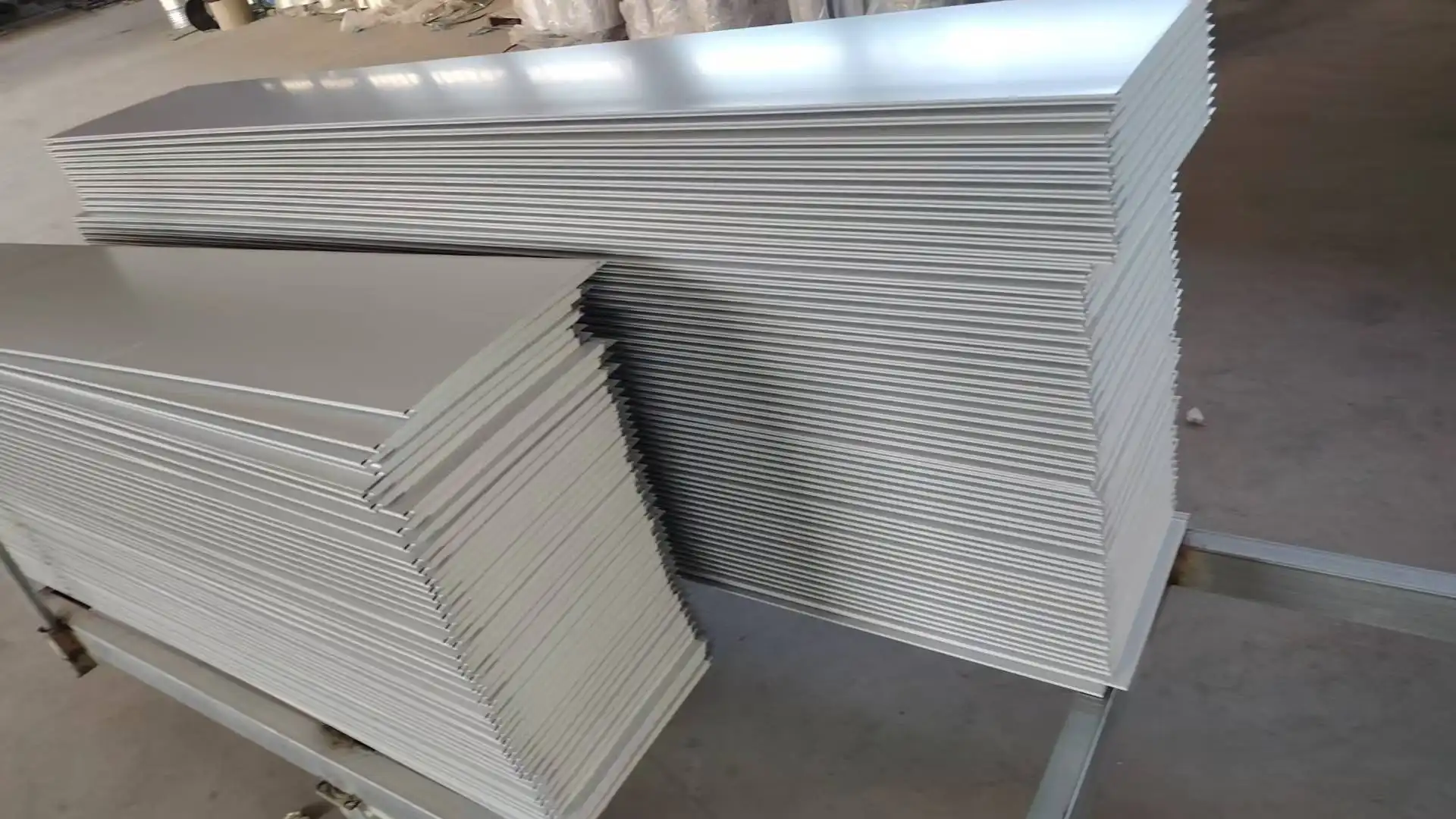
Before diving into the installation process, let's examine why metal siding has gained such popularity among homeowners. Metal siding offers a myriad of benefits that make it a compelling choice for exterior cladding:

  • Durability: Metal siding is renowned for its ability to withstand harsh weather conditions, including high winds, hail, and extreme temperatures. It's resistant to rot, insects, and fire, ensuring long-lasting protection for your home.
  • Low Maintenance: Unlike wood siding that requires regular painting or staining, metal siding needs minimal upkeep. A simple wash with soap and water is often sufficient to keep it looking pristine.
  • Energy Efficiency: Many metal siding options come with insulation, helping to regulate your home's temperature and potentially reduce energy costs.
  • Versatility: Metal siding is available in a wide range of colors, styles, and textures, allowing homeowners to achieve their desired aesthetic.
  • Eco-Friendly: Most metal siding for house is recyclable, making it an environmentally conscious choice for those looking to reduce their carbon footprint.

Assessing the DIY Feasibility of Metal Siding Installation

Now that we've established the appeal of metal siding, let's delve into the feasibility of a DIY installation. While it's possible for skilled homeowners to install metal siding themselves, it's crucial to understand that this is a complex project that requires careful consideration.

Skills and Experience Required:

Installing metal siding demands a certain level of expertise and experience. You'll need to be comfortable with:

  • Accurate measuring and cutting
  • Working with power tools
  • Understanding building codes and regulations
  • Properly sealing and flashing to prevent water infiltration
  • Working at heights and using ladders or scaffolding safely

Tools and Equipment:

A successful metal siding installation requires specialized tools, including:

  • Tin snips or a circular saw with a metal-cutting blade
  • Level and chalk line
  • Tape measure
  • Hammer and nail gun
  • Caulking gun
  • Safety equipment (goggles, gloves, sturdy footwear)

Time Commitment:

Installing metal siding is not a quick weekend project. Depending on the size of your home and your level of experience, it could take several weeks to complete. You'll need to factor in time for preparation, installation, and cleanup.

Potential Pitfalls:

DIY metal siding installation comes with several risks:

  • Improper installation can lead to water damage and costly repairs
  • Mistakes in measuring or cutting can result in wasted materials
  • Safety hazards associated with working at heights
  • Voiding manufacturer warranties if not installed correctly

Professional Installation vs. DIY: Weighing Your Options

While the idea of installing metal siding for house yourself might be tempting, especially for those looking to save on labor costs, it's crucial to weigh the pros and cons of DIY versus professional installation.

Advantages of Professional Installation:

  • Expertise: Professional installers have the knowledge and experience to handle various challenges that may arise during the installation process.
  • Efficiency: Professionals can complete the job much faster than most DIYers, minimizing the time your home is exposed to the elements.
  • Quality Assurance: Reputable contractors often offer warranties on their work, providing peace of mind.
  • Code Compliance: Professionals are well-versed in local building codes and regulations, ensuring your installation meets all requirements.
  • Safety: Experienced installers have the proper equipment and training to work safely at heights and handle potentially dangerous tools.

Disadvantages of Professional Installation:

  • Cost: Professional installation can be significantly more expensive than doing it yourself.
  • Scheduling: You may need to work around the contractor's schedule, which could delay your project.
  • Less Control: You have less direct control over the project when hiring professionals.
  • Advantages of DIY Installation:
  • Cost Savings: You can potentially save a substantial amount on labor costs.
  • Flexibility: You can work on your own schedule and pace.
  • Personal Satisfaction: Completing such a significant home improvement project can be incredibly rewarding.
  • Disadvantages of DIY Installation:
  • Time-Consuming: The project will likely take much longer to complete compared to professional installation.
  • Potential for Mistakes: Errors in installation can lead to costly repairs down the line.
  • Safety Risks: Working at heights and with unfamiliar tools can be dangerous for inexperienced DIYers.
  • Quality Concerns: Without proper experience, the final result may not meet the same standards as professional installation.

When deciding between DIY and professional installation, consider your skill level, available time, budget, and the complexity of your specific project. For many homeowners, the peace of mind and quality assurance that comes with professional installation outweigh the potential cost savings of a DIY approach.

If you're leaning towards professional installation, it's worth noting that companies like Weifang Sandong Building Materials Co., Ltd. offer high-quality metal siding for house products and can often recommend experienced installers in your area. Their expertise in exterior cladding and facade solutions can be invaluable in ensuring your metal siding project is a success.

Conclusion

Installing metal siding for your house is a significant undertaking that can greatly enhance your home's appearance, energy efficiency, and durability. While it's possible for skilled DIY enthusiasts to tackle this project, the complexity and potential risks involved often make professional installation the wiser choice for most homeowners. Whether you decide to install metal siding yourself or hire professionals, it's crucial to start with high-quality materials from reputable suppliers. Weifang Sandong Building Materials Co., Ltd. offers a wide range of exterior cladding solutions, including metal siding, that are known for their durability and aesthetic appeal.

Remember, the key to a successful metal siding installation lies in careful planning, attention to detail, and proper execution. If you're unsure about any aspect of the installation process or would like to explore professional options, don't hesitate to reach out to experts in the field. For more information on metal siding options and expert advice on exterior cladding solutions, contact Weifang Sandong Building Materials Co., Ltd. at info@sdqsc.com. Their team of specialists can guide you through the selection process and help ensure your metal siding for house project achieves the best possible results.

References

1. Home Innovation Research Labs. (2021). "Exterior Cladding Materials: Performance, Durability, and Cost Considerations."

2. National Association of Home Builders. (2020). "Best Practices for Exterior Siding Installation."

3. U.S. Department of Energy. (2022). "Energy Efficiency in Residential Buildings: The Role of Exterior Cladding."

4. American Institute of Architects. (2021). "Sustainable Design and Metal Cladding: A Comprehensive Guide."

5. International Association of Certified Home Inspectors. (2022). "Metal Siding Inspection: Key Considerations and Best Practices."

SHOW NOW
Top Color Choices for Metal Siding That’ll Stand Out

When it comes to enhancing the exterior of your home, metal siding for houses has become an increasingly popular choice among homeowners and architects alike. Not only does it offer durability and low maintenance, but it also provides a sleek, modern aesthetic that can dramatically transform the look of any residence. One of the most exciting aspects of choosing metal siding is the vast array of color options available. In this comprehensive guide, we'll explore the top color choices that will make your metal-clad house truly stand out from the crowd.

Timeless Neutrals: The Foundation of Eleganceblog-1-1

Neutral colors have long been a staple in exterior design, and for good reason. They offer a timeless appeal that can withstand changing trends and provide a sophisticated backdrop for other design elements. When it comes to metal siding for houses, neutral hues can create a stunning, yet understated look that exudes elegance and refinement.

Crisp whites and creamy off-whites are perennial favorites that can make your home appear larger and more inviting. These light shades reflect sunlight, potentially helping to keep your home cooler in warm climates. For a more dramatic effect, consider deep charcoal or sleek gunmetal gray. These darker neutrals can lend a modern, urban vibe to your home's exterior while still maintaining a versatile aesthetic that pairs well with various landscaping and architectural features.

Warm taupe and cool greige (a blend of gray and beige) are excellent choices for those seeking a balance between warmth and sophistication. These nuanced neutrals can adapt to different lighting conditions throughout the day, creating a dynamic facade that never looks flat or uninteresting. For a touch of organic warmth, consider earthy browns or rich bronzes, which can beautifully complement natural surroundings and create a harmonious connection between your home and its environment.

Bold and Beautiful: Making a Statement with Vibrant Hues

For homeowners who want their house to be the talk of the neighborhood, vibrant colors can turn metal siding for house into a true work of art. Bold color choices for metal siding can transform an ordinary house into an extraordinary home that reflects the personality and style of its occupants. Deep, saturated blues are gaining popularity in exterior design. Navy blue, in particular, offers a sophisticated alternative to traditional dark colors like black or charcoal. It pairs beautifully with white trim for a classic nautical look or can be combined with warm wood accents for a more contemporary feel. For those feeling particularly adventurous, electric blue or teal can create a truly unique and eye-catching exterior that's sure to turn heads.

Rich reds, from burgundy to barn red, can evoke a sense of warmth and nostalgia. These bold hues work exceptionally well on farmhouse-style homes or as accent colors on modern designs. For a more unexpected twist, consider plum or aubergine, which offer depth and luxury while still maintaining a connection to the red family. Green, in its many shades, can create a strong connection between your home and its natural surroundings. Forest green provides a classic, timeless look, while sage offers a softer, more subdued option. For those looking to make a bolder statement, emerald or lime green can create a truly unique and modern exterior that stands out in any neighborhood.

Metallic Marvels: Embracing the Material's Natural Beauty

One of the unique advantages of metal siding for houses is the ability to showcase the material's inherent beauty through metallic finishes. These finishes can add depth, texture, and visual interest to your home's exterior, creating a dynamic facade that changes with the light throughout the day. Brushed silver or stainless steel finishes offer a sleek, contemporary look that's perfect for modern architectural styles. These cool-toned metallics can create a striking contrast against darker elements like black window frames or natural stone accents. For a warmer metallic option, consider copper or bronze finishes. These rich, earthy tones can develop a beautiful patina over time, adding character and depth to your home's exterior.

Gold or champagne-colored metal siding can lend a touch of luxury and opulence to your home. These warm metallics catch the light beautifully, creating a subtle shimmer that can make your house glow during golden hour. For a more industrial look, weathered steel or zinc finishes offer a raw, organic aesthetic that's both edgy and sophisticated. When choosing metallic finishes for your metal siding, it's important to consider how they will interact with other exterior elements. Metallic hues can be paired with bold accent colors for a dramatic effect or combined with neutral tones for a more subtle, refined look. The key is to create a cohesive color palette that enhances your home's architectural features and complements its surroundings.

Choosing the right color for your metal siding for house is a crucial decision that can significantly impact your home's curb appeal and overall aesthetic. Whether you opt for timeless neutrals, bold vibrant hues, or striking metallic finishes, the key is to select a color that not only stands out but also reflects your personal style and complements your home's architecture.

Conclusion

Remember that metal siding offers exceptional durability and longevity, so your color choice will be with you for many years to come. Take the time to consider how different colors will look in various lighting conditions and how they'll interact with other exterior elements like trim, roofing, and landscaping. At Weifang Sandong Building Materials Co., Ltd., we understand the importance of choosing the perfect color for your metal siding. Our extensive range of high-quality metal siding products comes in a wide array of colors and finishes to suit every taste and architectural style. Our expert team can guide you through the selection process, helping you choose a color that will make your house truly stand out.

If you're ready to transform your home's exterior with stunning metal siding, we're here to help. Contact us at info@sdqsc.com to explore our color options and find the perfect metal siding for house solution for your house. Let's work together to create an exterior that not only stands out but also stands the test of time.

References

1. Metal Construction Association. (2021). "Metal Cladding Design Guide."

2. American Institute of Architects. (2020). "Architectural Metal Finishes."

3. National Association of Home Builders. (2022). "Exterior Trends Report."

4. Journal of Architectural Engineering. (2019). "Thermal Performance of Metal Siding in Residential Applications."

5. Color Marketing Group. (2023). "Color Forecast for Exterior Building Materials."

SHOW NOW
Metal Siding vs. Vinyl: Which One’s Better for Your Home?

When it comes to choosing the perfect exterior for your home, the debate between metal siding and vinyl often takes center stage. Both materials offer unique advantages, but which one truly outshines the other? In this comprehensive guide, we'll delve into the world of metal siding for houses and compare it with its vinyl counterpart, helping you make an informed decision for your home's exterior.

The Allure of Metal Siding: Durability Meets Styleblog-1-1

Metal siding for houses has been gaining popularity in recent years, and for good reason. Its robust nature and sleek appearance make it a top contender in the world of exterior cladding. Let's explore why homeowners are increasingly drawn to this option:

- Longevity that Impresses: One of the most compelling reasons to choose metal siding is its exceptional durability. Unlike other materials that may succumb to the elements over time, metal siding stands strong against harsh weather conditions, including heavy rain, hail, and high winds. This resilience translates to a longer lifespan, often lasting 50 years or more with proper maintenance.

- Aesthetic Versatility: Gone are the days when metal siding was limited to industrial-looking designs. Today's metal siding options come in a plethora of colors, textures, and styles. From the classic look of corrugated panels to sleek, modern profiles, metal siding can complement any architectural style. Some premium options even mimic the appearance of wood or stone, offering the best of both worlds – natural beauty and metal's durability.

- Energy Efficiency: In an era where energy conservation is paramount, metal siding shines bright. Its reflective properties help in reducing heat absorption, keeping your home cooler in summer and potentially lowering your energy bills. Some metal siding options also come with additional insulation, further enhancing your home's energy efficiency.

- Low Maintenance Requirements: For homeowners who prefer a "set it and forget it" approach, metal siding is a dream come true. Unlike other materials that may require regular painting or sealing, metal siding typically needs only occasional cleaning to maintain its appearance. This low-maintenance nature not only saves time but also reduces long-term costs associated with upkeep.

- Fire Resistance: Safety is a top priority for any homeowner, and metal siding offers an added layer of protection. Its non-combustible nature makes it an excellent choice for areas prone to wildfires or for homeowners simply looking to enhance their home's safety features.

- Eco-Friendly Option: In our increasingly environmentally conscious world, metal siding stands out as a sustainable choice. Many metal siding products are made from recycled materials and are fully recyclable at the end of their life cycle. This reduces waste and minimizes the environmental impact of your home's exterior.

Vinyl Siding: The Popular Alternative

While metal siding for houses offers numerous benefits, vinyl siding remains a popular choice among homeowners. Let's examine what makes vinyl an attractive option:

- Cost-Effective Solution: One of the primary reasons homeowners opt for vinyl siding is its affordability. The initial cost of vinyl siding is generally lower than metal, making it an attractive option for those on a tight budget or looking for a quick exterior update.

- Easy Installation: Vinyl siding is known for its relatively straightforward installation process. This can lead to lower labor costs and quicker project completion times, which is particularly appealing for homeowners looking to minimize disruption during renovations.

- Wide Range of Colors and Styles: Like metal siding, vinyl comes in a variety of colors and styles. From traditional clapboard to shingle-style options, vinyl can mimic various architectural elements. However, it's worth noting that while vinyl offers variety, it may not achieve the same level of premium aesthetics as some high-end metal siding options.

- Low Maintenance: Vinyl siding is also known for its low maintenance requirements. It doesn't require painting and can typically be cleaned with a simple wash using a garden hose or pressure washer. However, it's important to note that vinyl can be prone to fading over time, especially in areas with intense sunlight.

- Decent Insulation: While not as energy-efficient as some metal siding options, vinyl siding can provide a decent level of insulation, especially when combined with proper house wrap and insulation underneath. Some vinyl siding products come with built-in insulation for enhanced energy efficiency.

- Resistance to Pests: Vinyl siding is naturally resistant to pests like termites and woodpeckers, which can be a significant advantage in certain regions.

Making the Right Choice for Your Home

When deciding between metal siding for houses and vinyl siding, several factors come into play. Here's what you should consider to make the best choice for your home:

- Climate Considerations: Your local climate plays a crucial role in determining the best siding material. In areas prone to severe weather, metal siding's superior durability might give it an edge. However, in milder climates, vinyl's performance might be sufficient for your needs.

- Budget Constraints: While metal siding often comes with a higher upfront cost, it's essential to consider the long-term value. Metal's longevity and low maintenance requirements can offset the initial investment over time. Vinyl, on the other hand, offers a more budget-friendly option upfront but may require replacement sooner.

- Aesthetic Preferences: Both metal and vinyl offer a range of styles, but they have distinct looks. Metal siding can provide a more premium, modern appearance, while vinyl often lends itself to a more traditional aesthetic. Consider which look aligns better with your home's architecture and your personal taste.

- Energy Efficiency Goals: If reducing energy costs is a priority, metal siding's reflective properties and potential for additional insulation might make it the better choice. However, insulated vinyl siding can also offer improved energy efficiency compared to standard options.

- Environmental Impact: For eco-conscious homeowners, metal siding's recyclability and potential use of recycled materials make it a more environmentally friendly choice compared to vinyl.

- Resale Value: Consider how your choice might impact your home's resale value. While both materials can enhance curb appeal, metal siding's durability and premium look might be more attractive to potential buyers in some markets.

Ultimately, the choice between metal siding for houses and vinyl siding depends on your specific needs, preferences, and circumstances. Both materials have their strengths, and either can be an excellent choice when properly installed and maintained.

Conclusion

At Weifang Sandong Building Materials Co., Ltd., we understand the importance of choosing the right exterior cladding for your home. Our advanced production lines and stringent quality control systems ensure that our metal siding panels meet the highest standards of quality and performance. Whether you're working on a residential complex, office building, villa, or historic renovation project, our versatile metal siding options offer both superior performance and aesthetic appeal.

Our commitment to excellence extends beyond just manufacturing. We provide comprehensive inspections of product thickness, paint film thickness, mechanical strength, flame retardancy, and product appearance. This ensures that when you choose our metal siding, you're getting a product that not only looks great but also stands the test of time. If you're considering metal siding for house or have any questions about exterior cladding solutions, we're here to help. Our team of experts can provide personalized advice based on your specific needs and preferences. Don't hesitate to reach out to us at info@sdqsc.com for more information or to discuss your project requirements.

References

1. U.S. Department of Energy. (2022). "Siding." Energy.gov.

2. National Association of Home Builders. (2021). "Comparing Siding Options."

3. Environmental Protection Agency. (2023). "Sustainable Materials Management."

4. American Society of Home Inspectors. (2022). "Exterior Cladding Materials Guide."

5. Journal of Building Engineering. (2021). "Comparative Analysis of Exterior Cladding Materials."

SHOW NOW
Why Metal Siding Is Great for Your Home’s Look and Value?

When it comes to enhancing your home's exterior, metal siding has emerged as a top choice for homeowners seeking durability, style, and value. As a versatile and adaptable option, metal siding for houses offers a plethora of benefits that go beyond mere aesthetics. In this comprehensive guide, we'll explore why metal siding is an excellent investment for your home, delving into its aesthetic appeal, long-term value, and practical advantages.

The Aesthetic Allure of Metal Sidingblog-1-1

Metal siding has come a long way from its industrial roots, now offering a wide array of styles and finishes that can complement any architectural design. From sleek modern looks to rustic charm, metal siding provides homeowners with unparalleled versatility in exterior design. One of the most captivating aspects of metal siding is its ability to mimic other materials. Advanced manufacturing techniques allow metal panels to emulate the texture and appearance of wood, stone, or even brick, giving homeowners the freedom to achieve their desired look without compromising on durability.

Color options for metal siding are virtually limitless. Whether you prefer a bold statement or a subtle, earth-toned facade, there's a hue to match your vision. Many metal siding products come with baked-on finishes that resist fading, ensuring your home maintains its vibrant appearance for years to come. The clean lines and smooth surfaces of metal siding contribute to a contemporary aesthetic that's increasingly popular in modern architecture. This sleek look can be particularly striking when combined with other exterior elements like glass or wood accents, creating a harmonious blend of materials that elevates your home's curb appeal.

For those who appreciate a more traditional look, metal siding for house can be crafted to replicate classic siding profiles such as clapboard or board-and-batten. This versatility allows homeowners to maintain the historical integrity of their property while benefiting from the advanced properties of metal materials.

Boosting Your Home's Value with Metal Siding

Investing in metal siding for your house isn't just about improving its appearance; it's a strategic decision that can significantly enhance your property's value. The durability and low maintenance requirements of metal siding make it an attractive feature for potential buyers, should you ever decide to sell your home. One of the primary ways metal siding adds value is through its longevity. Unlike other siding materials that may need replacement every 20-30 years, high-quality metal siding can last 50 years or more with proper care. This extended lifespan translates to lower long-term costs and increased property value.

Energy efficiency is another factor that contributes to the value-adding potential of metal siding. Many metal siding systems incorporate insulation, which can lead to substantial energy savings. This eco-friendly aspect not only reduces utility bills but also appeals to environmentally conscious buyers in today's real estate market. The fire-resistant properties of metal siding can lead to lower insurance premiums, another financial benefit that adds to your home's overall value proposition. Insurance companies often offer discounts for homes with metal siding due to its non-combustible nature, which provides an added layer of protection against fire damage.

Maintenance costs are a significant consideration for homeowners and potential buyers alike. Metal siding's resistance to pests, rot, and weather damage means fewer repairs and replacements over time. This low-maintenance characteristic is a compelling selling point that can increase your home's marketability and value. The versatility of metal siding allows for easy updates to your home's exterior. If you decide to refresh your home's look in the future, metal siding for house can often be repainted or refinished at a fraction of the cost of replacing other siding materials. This adaptability ensures your home remains current with evolving design trends, maintaining its value over time.

Practical Advantages of Metal Siding for Your Home

Beyond aesthetics and value, metal siding offers a host of practical benefits that make it an ideal choice for homeowners. Its durability is unmatched, capable of withstanding extreme weather conditions, from scorching heat to freezing temperatures, without warping, cracking, or deteriorating. The strength of metal siding provides excellent protection against impacts from hail, falling branches, or other debris. This robustness ensures that your home's exterior remains intact and attractive, even in harsh environments. The resilience of metal siding is particularly beneficial in areas prone to severe weather events, offering peace of mind to homeowners.

Maintenance of metal siding is remarkably straightforward. Unlike wood siding that requires regular painting or staining, or vinyl siding that can become brittle and crack over time, metal siding typically needs only occasional cleaning to maintain its appearance. This low-maintenance aspect is a significant advantage for busy homeowners or those looking to minimize upkeep costs.

Metal siding's resistance to moisture is another crucial benefit. It doesn't absorb water, which prevents issues like rot, mold, and mildew that can plague other siding materials. This moisture resistance is especially valuable in humid climates or areas with frequent rainfall, as it helps protect the structural integrity of your home.

The insulative properties of metal siding, particularly when combined with proper underlayment and insulation, can contribute to a more comfortable indoor environment. By reflecting solar radiation and providing an additional barrier against heat transfer, metal siding can help regulate your home's temperature, potentially reducing heating and cooling costs.

Environmental considerations are increasingly important to homeowners, and metal siding excels in this area as well. Many metal siding products are made from recycled materials and are themselves fully recyclable at the end of their life cycle. This eco-friendly aspect aligns with sustainable building practices and can be a deciding factor for environmentally conscious homeowners.

The installation process for metal siding can be more efficient than other materials, potentially reducing labor costs and minimizing disruption to your daily life during home improvements. Many metal siding systems are designed for easy installation, with interlocking panels that create a secure, weather-tight seal. Noise reduction is an often-overlooked benefit of metal siding. When properly installed with insulation, metal siding for house can help dampen external noises, creating a quieter and more peaceful home environment. This can be particularly beneficial for homes located in busy urban areas or near high-traffic zones.

The versatility of metal siding extends to its application in various construction projects. From residential complexes to offices, villas, and even historic building renovations, metal siding panels offer superior performance and aesthetic appeal. Architects and builders consistently choose metal siding for its adaptability and reliability across diverse architectural styles and building types.

Conclusion

Metal siding for houses represents a synergy of form and function, offering homeowners an unparalleled combination of aesthetic appeal, value enhancement, and practical benefits. Its versatility in design, coupled with its durability and low maintenance requirements, makes it an excellent choice for those looking to upgrade their home's exterior.

For more information on how metal siding can transform your home's exterior and enhance its value, or to explore the wide range of options available, don't hesitate to reach out to experts in the field. Contact us at info@sdqsc.com to discover how metal siding can elevate your home's aesthetic and functional qualities, ensuring a beautiful and protected exterior for years to come.

References

1. U.S. Department of Energy. (2023). Energy Saver: Siding. Retrieved from https://www.energy.gov/energysaver/siding

2. National Association of Home Builders. (2022). Cost vs. Value Report. Retrieved from https://www.remodeling.hw.net/cost-vs-value/2022/

3. American Iron and Steel Institute. (2023). Steel Recycling. Retrieved from https://www.steel.org/steel-sustainability/steel-recycling/

4. International Association of Certified Home Inspectors. (2023). Exterior Siding Materials. Retrieved from

https://www.nachi.org/exterior-siding-materials.htm

SHOW NOW
Tips for Painting and Refreshing Your Exterior Panels

Exterior panels are a crucial component of your home's facade, providing both protection and aesthetic appeal. Over time, these panels may lose their luster due to exposure to the elements, making your home look worn and dated. Refreshing your exterior panels through painting is an excellent way to breathe new life into your property's appearance while also extending the lifespan of your cladding. In this comprehensive guide, we'll explore the best practices for painting and revitalizing your exterior panels, ensuring a stunning and long-lasting finish.

Preparing Your Exterior Panels for Paintingblog-1-1

Before you begin the painting process, it's essential to properly prepare your exterior panels. This preparatory phase is crucial for achieving a smooth, durable finish that will withstand the test of time. Here are some key steps to follow:

Inspect and repair: Begin by thoroughly inspecting your exterior panels for any signs of damage, such as cracks, chips, or loose sections. Address these issues before painting to ensure a seamless final result. Small cracks can be filled with exterior-grade caulk, while larger damages may require panel replacement.

Clean thoroughly: Use a pressure washer or a long-handled brush with a mixture of water and mild detergent to remove dirt, grime, and any loose paint. Pay special attention to areas prone to mold or mildew growth, such as shaded spots or regions near vegetation. For stubborn stains, you may need to use a specialized cleaner designed for exterior surfaces.

Sand and prime: Once the panels are clean and dry, lightly sand the surface to create a better adhesion for the new paint. This step is particularly important if you're painting over glossy surfaces. After sanding, apply a high-quality exterior primer. Priming helps the new paint adhere better and can also help cover dark colors or stains.

Protect surrounding areas: Before you start painting, cover nearby plants, windows, and any other surfaces you don't want to be painted. Use drop cloths, painter's tape, and plastic sheeting to protect these areas from paint splatters and overspray.

Choosing the Right Paint and Application Techniques

Selecting the appropriate paint and applying it correctly are crucial factors in achieving a professional-looking finish that will stand up to the elements. Consider the following tips when choosing and applying paint to your exterior panels:

Select the right paint: Opt for high-quality exterior paint that's specifically formulated for the material of your panels. For instance, if you have metal siding panels, choose a paint designed for metal surfaces. Look for paints that offer good coverage, UV resistance, and weather protection. Acrylic latex paints are often a good choice for exterior use due to their durability and ease of application.

Consider the finish: The sheen of your paint can impact both the appearance and performance of your exterior panels. Satin or semi-gloss finishes are popular choices for exterior use as they're easier to clean and offer better moisture resistance compared to flat finishes. However, flat or matte finishes can be beneficial for hiding surface imperfections.

Use the right tools: The application method can vary depending on the type of exterior panels you have. For large, flat surfaces, a paint sprayer can provide quick and even coverage. However, for more detailed work or smaller areas, high-quality brushes and rollers may be more appropriate. Ensure you have a variety of brush sizes on hand for different areas of your panels.

Apply multiple thin coats: Rather than applying one thick coat of paint, it's better to apply multiple thin coats. This approach helps prevent drips and ensures more even coverage. Allow each coat to dry completely before applying the next one, following the manufacturer's recommendations for drying times.

Paint in ideal conditions: Choose a day with mild temperatures and low humidity for painting. Extreme heat or cold can affect paint adhesion and drying times. Avoid painting in direct sunlight or when rain is forecasted within 24 hours of application.

Maintaining Your Newly Painted Exterior Panels

After investing time and effort into painting your exterior panels, it's important to maintain them properly to ensure longevity and continued aesthetic appeal. Here are some tips for preserving your newly refreshed exterior:

Regular cleaning: Periodically clean your exterior panels to prevent the buildup of dirt and grime. A gentle wash with a soft-bristled brush and mild detergent solution can help maintain the paint's appearance. Avoid using harsh chemicals or abrasive tools that could damage the paint surface.

Prompt repairs: Address any damage to your exterior panels as soon as you notice it. Small chips or cracks in the paint can allow moisture to penetrate, potentially leading to more significant issues. Touch up these areas with matching paint to prevent further damage.

Trim vegetation: Keep trees and shrubs trimmed away from your exterior panels. Overhanging branches can scratch the paint surface, while excessive moisture from nearby plants can promote mold and mildew growth.

Annual inspections: Conduct a thorough inspection of your exterior panels at least once a year. Look for signs of wear, fading, or damage that may require attention. Catching and addressing issues early can help extend the life of your paint job.

Consider professional maintenance: If you're not comfortable with DIY maintenance, consider hiring a professional to perform annual cleanings and inspections. They can often spot potential issues that you might overlook and provide expert care for your exterior panels.

Conclusion

The key to a successful exterior panel refresh lies in thorough preparation, quality materials, and proper application techniques. Whether you're tackling this project as a DIY endeavor or hiring professionals, investing time and effort into the process will yield rewarding results that you can enjoy for years to come.

If you're looking for high-quality exterior panels or need expert advice on maintaining and refreshing your home's exterior, don't hesitate to reach out to us at Weifang Sandong Building Materials Co., Ltd. Our team of specialists is ready to assist you with all your exterior cladding needs. Contact us today at info@sdqsc.com to learn more about our premium exterior panel solutions and how we can help enhance your property's appearance and protection.

References

1. Behr. (2023). How to Paint Exterior Siding. Retrieved from https://www.behr.com/consumer/how-to/exterior/how-to-paint-exterior-siding/

2. Benjamin Moore. (2023). How to Paint Exterior Siding. Retrieved from https://www.benjaminmoore.com/en-us/interior-exterior-paints-stains/how-to-advice/exteriors/how-to-paint-exterior-siding

3. This Old House. (2023). How to Paint Exterior Siding. Retrieved from https://www.thisoldhouse.com/painting/21015035/how-to-paint-exterior-siding

4. Sherwin-Williams. (2023). How to Paint Exterior Siding. Retrieved from https://www.sherwin-williams.com/homeowners/how-to/paint-exterior-siding

SHOW NOW
Are Exterior Panels Worth the Investment?

When it comes to enhancing the aesthetic appeal and functionality of your building's exterior, few options are as versatile and impactful as exterior panels. These innovative cladding solutions have gained significant traction in recent years, transforming the way we approach building design and renovation. But with so many options available in the market, a common question arises: Are exterior panels truly worth the investment? In this comprehensive guide, we'll delve into the world of exterior panels, exploring their benefits, applications, and long-term value.

The Multifaceted Benefits of Exterior Panelsblog-1-1

Exterior panels offer a plethora of advantages that extend far beyond mere aesthetics. These versatile cladding solutions have revolutionized the construction industry, providing a perfect blend of form and function. Let's explore some of the key benefits that make exterior panels a worthwhile investment:

Enhanced Aesthetic Appeal

One of the most apparent benefits of exterior panels is their ability to transform the look of any building. Available in a wide array of colors, textures, and finishes, these panels offer unparalleled design flexibility. From sleek, modern metallic finishes to warm, natural wood-like textures, exterior panels can cater to virtually any architectural style or personal preference. Moreover, the uniformity and precision of exterior panels create a clean, polished look that's hard to achieve with traditional building materials. This enhanced curb appeal can significantly increase property value, making it an attractive option for both residential and commercial properties.

Superior Durability and Longevity

Exterior panels are engineered to withstand the harshest environmental conditions. Made from high-quality materials such as metal, fiber cement, or composite materials, these panels offer exceptional resistance to weathering, UV radiation, and temperature fluctuations. This durability translates to a longer lifespan for your building's exterior, reducing the need for frequent repairs or replacements. For instance, metal siding panels, a popular choice in exterior cladding, are known for their robustness and longevity. When properly installed and maintained, these panels can last for decades, offering excellent value for your investment.

Improved Energy Efficiency

In an era where energy conservation is paramount, exterior panels shine as an eco-friendly building solution. Many modern exterior panel systems incorporate insulation, creating an additional thermal barrier for your building. This enhanced insulation can significantly reduce heat transfer, leading to lower heating and cooling costs.

Versatility and Adaptability of Exterior Panels

The versatility of exterior panels is truly remarkable, making them suitable for a wide range of applications across various building types. From residential complexes to commercial offices, from historic renovations to modern architectural marvels, exterior panels have proven their adaptability time and again.

Residential Applications

In the residential sector, exterior panels offer homeowners an opportunity to dramatically enhance their property's appearance while improving its functionality. Whether you're looking to update a dated facade or add a modern touch to a traditional home, exterior panels provide a cost-effective solution. For instance, insulated sandwich wall panels can be an excellent choice for residential properties. These panels not only provide a sleek, contemporary look but also offer superior insulation, helping homeowners maintain comfortable indoor temperatures year-round while reducing energy costs.

Commercial and Industrial Uses

In commercial and industrial settings, exterior panels truly shine. Their ability to cover large surface areas quickly and efficiently makes them ideal for warehouses, factories, and office buildings. The durability of materials like metal siding panels ensures that these structures can withstand the rigors of industrial environments while maintaining their aesthetic appeal. Moreover, the flexibility of exterior panels allows architects and designers to create unique, eye-catching facades that can help businesses stand out. From corporate headquarters to retail spaces, the right choice of exterior panels can communicate a company's brand identity and values through architectural design.

Renovation and Restoration Projects

Exterior panels are not just for new constructions; they're also an excellent solution for renovation and restoration projects. Whether you're dealing with a historic building that needs a facelift or a dated structure that requires modernization, exterior panels can provide a fresh look while preserving the integrity of the original architecture. For example, lightweight options like OSB (Oriented Strand Board) panels can be an excellent choice for renovating older structures. These panels offer the look of traditional materials but with improved performance and easier installation, making them ideal for restoration projects where weight and structural considerations are crucial.

The Long-Term Value Proposition of Exterior Panels

While the initial cost of installing exterior panels may be higher than some traditional cladding options, it's essential to consider the long-term value they offer. When evaluating the worth of your investment, several factors come into play:

Reduced Maintenance Costs

One of the most significant advantages of exterior panels is their low maintenance requirements. Unlike traditional materials that may need frequent painting, sealing, or repairs, most exterior panels require minimal upkeep. A simple wash with soap and water is often all that's needed to keep them looking pristine. This reduction in maintenance not only saves money over time but also saves valuable time and effort. For commercial properties, this can translate to less disruption to business operations and a consistently professional appearance.

Increased Property Value

The aesthetic enhancement and improved functionality provided by exterior panels can significantly increase property value. In residential settings, a well-designed exterior can boost curb appeal, potentially leading to higher resale values. For commercial properties, an attractive and modern facade can attract high-quality tenants and command premium rental rates. Moreover, the energy efficiency benefits of exterior panels can be a strong selling point in today's environmentally conscious market. Properties with lower energy costs and a reduced carbon footprint are increasingly desirable to both homebuyers and commercial tenants.

Long-Term Performance and Durability

The durability of exterior panels means they can maintain their appearance and performance for many years, even decades, with proper care. This longevity translates to a lower total cost of ownership compared to materials that may need frequent replacement or extensive repairs. For instance, metal siding panels are known for their exceptional durability. When properly installed and maintained, these panels can withstand extreme weather conditions, resist fading, and maintain their structural integrity for 50 years or more. This long-term performance ensures that your investment continues to pay dividends well into the future.

Conclusion

In conclusion, the question "Are exterior panels worth the investment?" can be answered with a resounding yes for many property owners and developers. The combination of aesthetic versatility, durability, energy efficiency, and low maintenance makes exterior panels a smart choice for a wide range of building projects.

For more information about exterior cladding and facade solutions, including exterior panels, insulated sandwich wall panels, OSB, and metal siding panels, don't hesitate to reach out to the experts. Contact us at info@sdqsc.com to explore how our range of exterior cladding products can enhance your next building project.

References

1. U.S. Department of Energy. (2022). "Building Envelope." Office of Energy Efficiency & Renewable Energy.

2. National Institute of Building Sciences. (2021). "Whole Building Design Guide: Building Envelope Design Guide."

3. American Institute of Architects. (2023). "Exterior Insulation and Finish Systems (EIFS)."

4. Construction Specifier. (2022). "The benefits of metal wall panels in commercial construction."

5. Journal of Building Engineering. (2021). "Life cycle assessment of exterior wall structures with different materials."

SHOW NOW
What Colors and Styles Work Best for PVC Wall Cladding?

When it comes to enhancing the aesthetic appeal and protection of your home's exterior, PVC wall cladding has emerged as a popular choice among homeowners and architects alike. This versatile material not only offers durability and low maintenance but also provides a wide array of colors and styles to suit various architectural designs. In this comprehensive guide, we'll explore the most effective colors and styles for PVC wall cladding, helping you make an informed decision for your next renovation or construction project.

The Versatility of PVC Wall Cladding: A Palette of Possibilitiesblog-1-1

PVC wall cladding has revolutionized the world of exterior design, offering a plethora of options that cater to diverse tastes and architectural styles. From classic whites to bold, contemporary hues, the color spectrum available for PVC cladding is virtually limitless. This versatility allows homeowners to create a unique facade that reflects their personal style while complementing the surrounding environment.

One of the key advantages of PVC wall cladding is its ability to mimic the appearance of natural materials such as wood or stone. This feature enables you to achieve the desired look without the associated maintenance challenges of organic materials. For instance, wood-effect PVC cladding can provide the warmth and charm of timber without the risk of rot, warping, or insect infestation.

When selecting colors for your PVC wall cladding, it's essential to consider the overall aesthetic of your property and its surroundings. Lighter shades, such as cream, beige, or pale gray, can make a house appear larger and more inviting. These neutral tones also have the advantage of reflecting sunlight, potentially reducing cooling costs during warmer months.

On the other hand, darker hues like deep blue, forest green, or charcoal can create a sense of sophistication and drama. These bold colors work particularly well on modern or contemporary homes, adding depth and character to the facade. However, it's important to note that darker colors may absorb more heat, which could impact your home's energy efficiency.

Styles That Stand Out: Elevating Your Exterior with PVC Cladding

Beyond color selection, the style of your PVC wall cladding plays a crucial role in defining your home's character. The market offers a diverse range of profiles and textures, each capable of transforming the look and feel of your property. Horizontal lap siding remains a timeless choice, offering a classic, clean look that suits a variety of architectural styles. This traditional profile creates a sense of width and can make your home appear more spacious. For a more contemporary twist, consider wide-format horizontal planks, which provide a sleek, modern aesthetic.

Vertical board and batten style cladding is gaining popularity for its ability to add visual interest and create the illusion of height. This style works particularly well on tall, narrow buildings or as an accent on specific sections of the facade. The alternating wide and narrow boards create a rhythmic pattern that draws the eye upward, enhancing the perceived stature of your property. For those seeking a more unique appearance, shingle-style PVC cladding offers a charming, textured look reminiscent of traditional cedar shakes. This style adds depth and character to your exterior, creating a cozy, cottage-like ambiance that's particularly suited to rustic or coastal designs.

Innovative manufacturers are also introducing geometric patterns and 3D textures in PVC cladding. These avant-garde options allow for creative expression, enabling homeowners to make bold architectural statements. Hexagonal tiles, wave patterns, or embossed surfaces can transform a plain exterior into a striking, one-of-a-kind facade.

Harmonizing Colors and Styles: Creating a Cohesive Exterior Design

The key to a successful exterior design lies in the harmonious combination of colors and styles. When selecting PVC wall cladding, it's crucial to consider how different elements will work together to create a cohesive look. One effective approach is to use a combination of complementary colors and styles. For example, you might choose a neutral base color for the majority of your exterior, then add accent areas with a contrasting color or texture. This strategy can highlight architectural features or create visual interest without overwhelming the overall design.

Consider the interplay between your PVC cladding and other exterior elements such as roofing, windows, and doors. A monochromatic color scheme, where all elements are varying shades of the same color, can create a sophisticated, unified look. Alternatively, a carefully chosen contrasting color for trim or accents can make these features pop, adding depth and dimension to your facade. When it comes to mixing styles, balance is key. If you opt for a bold, textured cladding on one section of your home, consider using a simpler, complementary style on adjacent areas. This approach prevents the design from becoming too busy while still allowing for creative expression.

It's also worth considering the longevity of your color and style choices. While trends come and go, your exterior cladding is a long-term investment. Opting for timeless colors and classic styles can ensure your home remains attractive for years to come. However, if you're drawn to more daring choices, consider using them in areas that can be easily updated in the future, such as accent walls or removable panels.

The versatility of PVC wall cladding extends to its ability to be painted, allowing for future color changes without the need for total replacement. This flexibility can be a significant advantage if you decide to refresh your home's look down the line. When making your final decisions, it's invaluable to visualize your choices in situ. Many manufacturers and suppliers offer digital visualization tools that allow you to see how different colors and styles will look on your specific property. These tools can help you make confident choices and avoid costly mistakes.

Conclusion

In conclusion, the world of PVC wall cladding offers an exciting array of colors and styles to suit every taste and architectural need. By carefully considering your options and how they interact with your property's overall design, you can create a stunning exterior that enhances your home's curb appeal and reflects your personal style. Whether you prefer a classic, timeless look or a bold, contemporary statement, PVC cladding provides the versatility and durability to bring your vision to life.

If you're ready to explore the possibilities of PVC wall cladding for your home, we invite you to reach out to our team of experts. Contact us at info@sdqsc.com for personalized advice and to discover how we can help you achieve the perfect exterior for your property.

References

1. Vinyl Siding Institute. (2021). "Color and Style Options for Vinyl Siding." Retrieved from https://www.vinylsiding.org/why-vinyl-siding/color-and-style-options/

2. Building Products of Canada Corp. (2022). "Choosing the Right Color for Your Home's Exterior." Retrieved from https://bpcan.com/blog/choosing-the-right-color-for-your-homes-exterior/

3. National Association of Home Builders. (2020). "Exterior Cladding Trends." NAHB/Wells Fargo Housing Market Index Special Questions Report.

4. Journal of Light Construction. (2019). "PVC Cladding: A Comprehensive Guide." Vol. 37, Issue 9.

5. Architectural Digest. (2022). "Exterior Color Trends for 2023." Retrieved from https://www.architecturaldigest.com/story/exterior-paint-color-trends

SHOW NOW
Can PVC Wall Cladding Help with Insulation?

When it comes to enhancing the aesthetic appeal and functionality of your home or commercial space, PVC wall cladding has emerged as a popular choice. But beyond its visual allure, many property owners are curious about its insulation properties. In this comprehensive guide, we'll delve into the world of PVC wall cladding and explore its potential to help with insulation.

Understanding PVC Wall Cladding

PVC wall cladding, short for Polyvinyl Chloride wall cladding, is a versatile building material that has gained traction in recent years. This synthetic plastic polymer is known for its durability, low maintenance requirements, and aesthetic versatility. PVC wall cladding comes in a variety of styles, colors, and textures, making it a favored option for both interior and exterior applications.

The popularity of PVC wall cladding stems from its numerous advantages. It's resistant to moisture, mold, and mildew, making it an ideal choice for bathrooms, kitchens, and other high-humidity areas. Moreover, its smooth surface is easy to clean, contributing to its low-maintenance appeal. But perhaps one of its most intriguing features is its potential to contribute to a building's insulation.

The Insulation Properties of PVC Wall Claddingblog-1-1

When we talk about insulation, we're referring to a material's ability to reduce heat transfer between the interior and exterior of a building. Good insulation helps maintain a comfortable indoor temperature, reduces energy costs, and contributes to the overall energy efficiency of a structure.

PVC wall cladding, while not primarily designed as an insulation material, does possess certain characteristics that can contribute to a building's thermal performance. The cladding creates an additional layer on the wall, which can help reduce heat transfer. This extra barrier can be particularly beneficial in older buildings with poor insulation.

The insulation properties of PVC wall cladding are primarily due to its low thermal conductivity. This means that it doesn't readily allow heat to pass through it. When installed correctly, PVC wall cladding can create a small air gap between the cladding and the wall, which further enhances its insulating effect. However, it's important to note that while PVC wall cladding can contribute to insulation, it shouldn't be relied upon as the sole insulation solution for a building. For optimal thermal performance, it should be used in conjunction with dedicated insulation materials.

Maximizing the Insulation Benefits of PVC Wall Cladding

To maximize the insulation benefits of PVC wall cladding, several factors need to be considered:

Proper Installation: The effectiveness of PVC wall cladding as an insulator largely depends on its installation. When installed correctly, it can create an air gap between the cladding and the wall, which enhances its insulating properties. This air gap acts as an additional barrier to heat transfer, improving the overall thermal performance of the wall.

Combination with Insulation Materials: While PVC wall cladding can contribute to insulation, it's most effective when used in combination with dedicated insulation materials. For instance, installing a layer of foam insulation behind the PVC cladding can significantly enhance the wall's overall insulation properties.

Quality of the PVC Cladding: The insulation properties can vary depending on the quality and thickness of the PVC cladding. Higher quality, thicker cladding generally offers better insulation properties.

Sealing Gaps and Joints: To maximize the insulation benefits, it's crucial to ensure that all gaps and joints in the cladding are properly sealed. This prevents air leakage, which can significantly reduce the insulation effectiveness.

Consideration of Climate: The effectiveness of PVC wall cladding as an insulator can vary depending on the climate. In moderate climates, it can be quite effective in maintaining comfortable indoor temperatures. However, in extreme climates, additional insulation measures may be necessary.

It's worth noting that while PVC wall cladding can contribute to insulation, its primary functions are protection and aesthetics. The insulation benefits should be viewed as an additional advantage rather than its primary purpose. When considering PVC wall cladding for its insulation properties, it's important to consult with professionals who can assess your specific needs and recommend the most suitable solution. Companies like Weifang Sandong Building Materials Co., Ltd. specialize in exterior cladding and facade solutions, offering expert advice and high-quality products to meet diverse building needs.

Weifang Sandong Building Materials Co., Ltd. is equipped with advanced production lines and a rigorous quality control system. They conduct strict testing of materials, including comprehensive inspections of product thickness, paint film thickness, mechanical strength, flame retardancy, and product appearance. This ensures that their PVC wall cladding products meet the highest standards of quality and performance.

Their versatile and adaptable metal siding panels, which include PVC options, find applications in a wide range of construction projects. From residential complexes and offices to villas, gardens, historic building renovations, municipal buildings, and even security kiosks, architects and builders choose these panels for their superior performance and aesthetic appeal. While PVC wall cladding can contribute to insulation, it's important to remember that it's part of a larger system. For optimal energy efficiency, consider a holistic approach to your building's insulation, which may include a combination of different materials and techniques.

Conclusion

In conclusion, while PVC wall cladding can indeed help with insulation to some extent, its effectiveness depends on various factors including proper installation, quality of the material, and its use in combination with other insulation solutions. As with any building material, it's crucial to consider your specific needs, climate conditions, and overall building design when deciding on the best insulation strategy.

If you're considering PVC wall cladding for your next project and want to learn more about its potential benefits, including its insulation properties, don't hesitate to reach out to the experts. Contact Weifang Sandong Building Materials Co., Ltd. at info@sdqsc.com for personalized advice and high-quality exterior cladding solutions that can enhance both the aesthetics and functionality of your building.

References

1. Building Science Corporation. (2013). "Guide to Insulating Sheathing." Retrieved from https://www.buildingscience.com/documents/guides-and-manuals/gm-guide-insulating-sheathing

2. U.S. Department of Energy. (2021). "Insulation." Retrieved from https://www.energy.gov/energysaver/insulation

3. Thermal Conductivity of common Materials and Gases. (n.d.). Retrieved from https://www.engineeringtoolbox.com/thermal-conductivity-d_429.html

4. American Chemistry Council. (2021). "Vinyl in Construction." Retrieved from https://www.vinylinfo.org/applications/construction/

SHOW NOW
How to clean pvc wall cladding?

PVC wall cladding has become increasingly popular in both residential and commercial settings due to its durability, versatility, and low maintenance requirements. However, to maintain its pristine appearance and extend its lifespan, regular cleaning is essential. In this comprehensive guide, we'll explore effective methods for cleaning PVC wall cladding, ensuring your walls remain attractive and functional for years to come.

Understanding PVC Wall Cladding

Before delving into cleaning techniques, it's crucial to understand what PVC wall cladding is and why it's such a popular choice for both interior and exterior applications. PVC, or polyvinyl chloride, is a synthetic plastic polymer known for its resilience and versatility. When used in wall cladding, it offers numerous benefits:

  • Durability: PVC is resistant to moisture, mold, and mildew, making it ideal for high-humidity areas.
  • Low maintenance: Compared to traditional materials like wood or brick, PVC requires minimal upkeep.
  • Versatility: Available in a wide range of colors and styles, PVC cladding can mimic various materials, including wood and stone.
  • Cost-effective: PVC is generally more affordable than many alternative cladding materials.
  • Easy installation: Its lightweight nature and interlocking design make PVC cladding relatively simple to install.

While PVC wall cladding is known for its low maintenance requirements, regular cleaning is still necessary to preserve its appearance and functionality. Dirt, grime, and environmental pollutants can accumulate over time, potentially leading to discoloration or damage if left unchecked.

Preparing for the Cleaning Processblog-1-1

Before you begin cleaning your PVC wall cladding, it's essential to gather the necessary supplies and take appropriate safety precautions. Here's what you'll need:

  • Soft-bristled brush or sponge
  • Bucket
  • Mild detergent or specialized PVC cleaner
  • Warm water
  • Microfiber cloths
  • Protective gloves
  • Safety goggles
  • Ladder or scaffolding (for exterior cladding)

Safety should always be your primary concern, especially when cleaning exterior cladding at height. Ensure your ladder is stable and positioned correctly, or consider hiring professionals for hard-to-reach areas.

Step-by-Step Cleaning Guide

Now that you're prepared, let's walk through the process of cleaning your PVC wall cladding:

  1. Initial rinse: Begin by rinsing the cladding with clean water to remove loose dirt and debris. For exterior cladding, you can use a garden hose with a spray nozzle. For interior cladding, use a damp cloth or sponge.
  2. Prepare the cleaning solution: Mix a small amount of mild detergent or specialized PVC cleaner with warm water in a bucket. Avoid using harsh chemicals or abrasive cleaners, as these can damage the PVC surface.
  3. Apply the cleaning solution: Using a soft-bristled brush or sponge, gently apply the cleaning solution to the cladding. Work in small sections, starting from the top and moving downwards to prevent streaking.
  4. Scrub gently: For stubborn stains or heavily soiled areas, you may need to scrub a bit more vigorously. However, be careful not to use excessive force, which could scratch or damage the PVC surface.
  5. Rinse thoroughly: After cleaning each section, rinse the area thoroughly with clean water to remove all traces of the cleaning solution. For exterior cladding, a garden hose is ideal for this step.
  6. Dry the surface: Use a clean microfiber cloth to dry the cladding, preventing water spots and streaks. For large exterior areas, you may choose to let the cladding air dry, but be aware that this might lead to water spots in hard water areas.
  7. Inspect and repeat if necessary: Once the cladding is dry, inspect it for any missed spots or stubborn stains. Repeat the cleaning process on these areas if needed.

For particularly stubborn stains or discoloration, you may need to use a specialized PVC cleaner or consult with a professional. Some common issues and their solutions include:

  • Mold and mildew: Use a solution of one part bleach to four parts water. Apply with a sponge, let sit for 10 minutes, then rinse thoroughly.
  • Grease or oil stains: Apply a small amount of dish soap directly to the stain, gently scrub, and rinse well.
  • Rust stains: Use a specialized rust remover designed for use on PVC, following the manufacturer's instructions carefully.

Additional Tips for Maintaining PVC Wall Cladding

While cleaning is a crucial aspect of PVC wall cladding maintenance, there are several other steps you can take to keep your cladding in top condition:

  • Regularly inspect for damage: Check your cladding periodically for any signs of damage, such as cracks, warping, or loose panels. Addressing these issues promptly can prevent more extensive damage.
  • Trim nearby vegetation: For exterior cladding, keep trees and shrubs trimmed back to prevent them from scratching or damaging the PVC surface.
  • Avoid harsh chemicals: Never use solvents, abrasive cleaners, or undiluted bleach on PVC cladding, as these can cause discoloration or damage to the material.
  • Protect from heat sources: Keep heat-producing appliances and fixtures away from PVC cladding, as excessive heat can cause warping or melting.
  • Address stains quickly: If you notice any stains or spills on your PVC cladding, clean them as soon as possible to prevent them from setting in or causing discoloration.
  • Consider professional cleaning: For large areas or hard-to-reach spots, consider hiring a professional cleaning service that specializes in PVC cladding maintenance.

Conclusion

Cleaning PVC wall cladding is a straightforward process that, when done regularly, can significantly extend the life and maintain the appearance of your cladding. By following the steps outlined in this guide and adhering to the maintenance tips provided, you can keep your PVC wall cladding looking fresh and new for years to come.

If you're considering installing PVC wall cladding or need expert advice on maintaining your existing cladding, don't hesitate to reach out to professionals in the field. For more information about exterior cladding and facade solutions, including PVC wall cladding, contact us at info@sdqsc.com. Our team at Weifang Sandong Building Materials Co., Ltd. is dedicated to providing high-quality cladding products and unparalleled service to enhance your building projects.

References

1. American Chemistry Council. (2021). Vinyl (PVC) in Building and Construction. Retrieved from https://www.americanchemistry.com/industry-groups/vinyl-institute/vinyl-in-building-and-construction

2. Building Research Establishment. (2018). BRE Digest 499: Cladding and renders for external walls. BRE Press.

3. Cleaning Institute. (2022). Cleaning Plastic Surfaces. Retrieved from https://www.cleaninginstitute.org/cleaning-tips/surfaces/plastic

4. International Association of Certified Home Inspectors. (2020). Inspecting Vinyl Siding. Retrieved from https://www.nachi.org/inspecting-vinyl-siding.htm

5. Vinyl Siding Institute. (2021). Cleaning and Maintaining Vinyl Siding. Retrieved from https://www.vinylsiding.org/homeowners/cleaning-and-maintenance/

SHOW NOW
What is pvc wall cladding?

When it comes to enhancing the aesthetics and functionality of interior spaces, PVC wall cladding has emerged as a versatile and popular choice. This innovative building material offers a plethora of benefits, from its durability to its ease of installation. In this comprehensive guide, we'll delve into the world of PVC wall cladding, exploring its characteristics, applications, and advantages.

The Composition and Properties of PVC Wall Claddingblog-1-1

PVC wall cladding is a synthetic material made from polyvinyl chloride (PVC), a durable and versatile plastic. The production process combines PVC resin with additives like stabilizers, plasticizers, and pigments to create a strong, customizable product. This combination enhances the material’s resilience, making it ideal for use in various building applications. PVC wall cladding offers flexibility in design while maintaining long-lasting performance, making it a popular choice for both residential and commercial construction projects.

One of the key attributes of PVC wall cladding is its exceptional durability. Unlike traditional materials like wood or plaster, PVC is resistant to moisture, mold, and mildew. This makes it an ideal choice for areas prone to humidity or water exposure, such as bathrooms, kitchens, and laundry rooms. The non-porous nature of PVC also means it's less likely to harbor bacteria, contributing to a more hygienic environment.

Another noteworthy characteristic of PVC wall cladding is its low maintenance requirements. The smooth surface of PVC panels is easy to clean, often requiring nothing more than a damp cloth or mild detergent to keep it looking pristine. This ease of maintenance makes PVC wall cladding a cost-effective solution in the long run, as it doesn't require frequent repainting or refinishing like some traditional wall materials.

PVC wall cladding also offers excellent insulation properties due to its low thermal conductivity. This means it helps maintain a comfortable indoor temperature by reducing heat transfer through walls. The insulating effect can lead to energy savings by lowering the need for heating and cooling, potentially reducing energy costs. As a result, PVC wall cladding not only enhances a building's exterior but also contributes to a more energy-efficient and cost-effective living or working environment.

Applications and Design Versatility of PVC Wall Cladding

The versatility of PVC wall cladding makes it suitable for a wide range of applications across various sectors. In residential settings, it's commonly used in bathrooms, kitchens, and basements to provide a waterproof and easy-to-clean surface. Many homeowners appreciate the ability to create a seamless, modern look without the grout lines associated with traditional tiles.

In commercial settings, PVC wall cladding is widely used in hospitals, schools, and food processing facilities due to its hygienic qualities. The smooth surface of PVC panels is easy to clean and disinfect, making it an ideal choice for areas where cleanliness is crucial. This ensures that high hygiene standards are maintained in sensitive environments, such as healthcare and food industries, where sanitation is essential. PVC wall cladding contributes to a safe and sterile atmosphere in these spaces.

The design possibilities with PVC wall cladding are virtually limitless. Manufacturers offer a wide array of colors, patterns, and textures, allowing for customization to suit any aesthetic preference. From sleek, monochromatic designs to bold patterns and even wood or stone imitations, PVC wall cladding can complement various interior styles.

Some advanced PVC wall cladding systems even incorporate additional features like acoustic insulation or fire-retardant properties, further expanding their potential applications. These specialized panels can be particularly beneficial in commercial or public spaces where noise reduction or fire safety is a concern.

Installation and Environmental Considerations of PVC Wall Cladding

One of the most appealing aspects of PVC wall cladding is its ease of installation. Unlike traditional tiling or plastering, which can be time-consuming and messy, PVC panels can often be installed quickly and with minimal disruption. Many systems feature interlocking panels or tongue-and-groove designs that allow for straightforward installation, even for those with limited DIY experience.

The lightweight nature of PVC wall cladding is another advantage during installation. It's much easier to handle and maneuver than heavy materials like ceramic tiles or stone, reducing the physical strain on installers and potentially speeding up the installation process.

When it comes to environmental considerations, PVC wall cladding presents a mixed picture. On one hand, PVC is a synthetic material derived from petrochemicals, which raises concerns about its environmental impact during production. However, the longevity and durability of PVC wall cladding mean that it doesn't need to be replaced as frequently as some other materials, potentially reducing waste over time.

Moreover, many manufacturers are now focusing on developing more sustainable PVC products. This includes using recycled PVC in production and ensuring that the end product is recyclable. Some companies have also implemented take-back programs to recycle old PVC cladding, further reducing its environmental footprint. It's worth noting that the energy-saving properties of PVC wall cladding, such as its insulation capabilities, can contribute to reduced energy consumption in buildings. This indirect environmental benefit should be considered when evaluating the overall impact of choosing PVC wall cladding.

Conclusion

In conclusion, PVC wall cladding represents a modern, versatile solution for interior wall finishes. Its combination of durability, low maintenance, and design flexibility makes it an attractive option for both residential and commercial applications. While environmental concerns exist, ongoing advancements in production and recycling technologies are helping to address these issues.

For those seeking high-quality exterior cladding and facade solutions, including PVC options, Weifang Sandong Building Materials Co., Ltd. offers a comprehensive range of products. With a commitment to manufacturing excellence and customer service, they provide solutions tailored to enhance your building project. To learn more about their offerings and how they can meet your specific needs, don't hesitate to reach out to their team at info@sdqsc.com.

References

1. Plastics Industry Association. (2021). "About Plastics - Vinyl (PVC)." Retrieved from https://www.plasticsindustry.org/

2. European Commission. (2020). "PVC and the Environment." Retrieved from https://ec.europa.eu/environment/

3. International Association of Plastics Distribution. (2022). "PVC Applications." Retrieved from https://www.iapd.org/

4. Building Research Establishment. (2019). "Guide to the use of PVC-U in building." Retrieved from https://www.bre.co.uk/

SHOW NOW
How to fit pvc wall cladding?

PVC wall cladding has become increasingly popular in recent years, offering a versatile and cost-effective solution for both interior and exterior applications. Whether you're looking to revamp your bathroom, kitchen, or outdoor space, mastering the art of fitting PVC wall cladding can transform your project into a stunning success. In this comprehensive guide, we'll walk you through the process of installing PVC wall cladding, ensuring you achieve professional-looking results.

Preparing Your Surface for PVC Wall Cladding

Before diving into the installation process, it's crucial to properly prepare your surface. This preparatory phase sets the foundation for a successful PVC wall cladding project. Begin by thoroughly cleaning the wall surface, removing any dirt, dust, or debris. For optimal results, use a mild detergent solution and allow the surface to dry completely.

Next, inspect the wall for any imperfections such as cracks, holes, or uneven areas. Address these issues using an appropriate filler, ensuring a smooth and level surface. Once the filler has dried, sand the area to achieve a seamless finish. This meticulous preparation not only enhances the appearance of your PVC wall cladding but also promotes better adhesion and longevity.

If you're working with a particularly damp or moisture-prone area, consider applying a waterproof membrane or sealant. This additional layer of protection safeguards against potential moisture-related issues, preserving the integrity of your PVC wall cladding installation.

Tools and Materials Needed for PVC Wall Cladding Installationblog-1-1

Gathering the right tools and materials is essential for a smooth PVC wall cladding installation process. Here's a comprehensive list of items you'll need:

  • PVC wall cladding panels
  • PVC trim pieces (for corners, edges, and joints)
  • Adhesive suitable for PVC cladding
  • Silicone sealant
  • Measuring tape
  • Spirit level
  • Pencil for marking
  • Utility knife or fine-toothed saw
  • Caulking gun
  • Screwdriver or power drill (if using screws for additional support)
  • Sandpaper (for smoothing cut edges)
  • Safety goggles and gloves

Having these tools and materials at hand will streamline your installation process and help you achieve professional-looking results. Remember to choose high-quality PVC wall cladding panels from reputable manufacturers to ensure durability and longevity.

Step-by-Step Guide to Fitting PVC Wall Cladding

Now that you've prepared your surface and gathered your materials, it's time to embark on the installation process. Follow these steps to fit your PVC wall cladding with precision:

  1. Measure and plan: Carefully measure your wall and plan the layout of your PVC cladding panels. This step helps minimize waste and ensures a symmetrical appearance.
  2. Cut panels to size: Using your utility knife or fine-toothed saw, cut the PVC wall cladding panels to fit your measurements. Remember to wear safety goggles and gloves during this process.
  3. Install trim pieces: Begin by attaching PVC trim pieces to corners, edges, and around fixtures. These provide a polished finish and help conceal panel edges.
  4. Apply adhesive: Using a caulking gun, apply a zigzag pattern of adhesive to the back of your first PVC panel. Ensure even coverage for optimal adhesion.
  5. Position the panel: Carefully align the panel with your planned layout, pressing it firmly against the wall. Use a spirit level to ensure it's straight.
  6. Secure and seal: If additional support is needed, consider using screws to secure the panel. Apply silicone sealant along the edges and joints for a watertight finish.
  7. Continue the pattern: Repeat the process with subsequent panels, ensuring they interlock properly and maintain a consistent appearance.
  8. Finishing touches: Once all panels are in place, carefully inspect your work. Touch up any areas that need additional sealant or adjustment.

Remember that PVC wall cladding offers versatility beyond interior applications. Many homeowners and builders are discovering its potential for exterior use as well. When considering exterior cladding options, it's worth exploring the range of metal siding panels available in the market. These panels, known for their durability and aesthetic appeal, can complement PVC cladding in creating a cohesive look for your property.

Speaking of exterior cladding solutions, it's worth noting that companies like Weifang Sandong Building Materials Co., Ltd. offer a wide range of options. Their product line includes not only PVC cladding but also metal siding panels, insulated sandwich wall panels, and other innovative exterior solutions. These products undergo rigorous quality control, ensuring they meet the highest standards of performance and appearance.

When selecting materials for your project, consider factors such as climate, building regulations, and aesthetic preferences. The versatility of modern cladding materials allows for creative combinations, such as using PVC cladding for interior spaces and metal siding panels for exterior applications. This approach can create a harmonious look while maximizing the benefits of each material.

As you progress with your PVC wall cladding installation, keep in mind these additional tips for optimal results:

  • Acclimatization: Allow your PVC panels to acclimate to the room temperature for at least 24 hours before installation. This minimizes the risk of expansion or contraction after fitting.
  • Ventilation: Ensure proper ventilation during and after installation, especially when using adhesives. This promotes faster drying and reduces the risk of trapped moisture.
  • Maintenance: Once installed, PVC wall cladding is relatively low-maintenance. Regular cleaning with mild soap and water will keep it looking fresh for years to come.
  • Future-proofing: Consider installing PVC wall cladding in a way that allows for easy removal or replacement in the future. This can be particularly useful in rental properties or spaces that may require frequent updates.

As you embark on your PVC wall cladding project, remember that practice makes perfect. If you're new to this type of installation, consider starting with a smaller area to build your confidence and refine your technique. Many DIY enthusiasts find that their skills improve significantly with each panel they install. For those tackling larger projects or seeking professional-grade results, don't hesitate to consult with experts in the field. Companies specializing in exterior cladding and facade solutions can offer valuable insights and may even provide installation services for more complex applications.

Conclusion

Fitting PVC wall cladding is a rewarding project that can dramatically transform your space. By following this guide and paying attention to detail, you'll be well-equipped to achieve stunning results. Remember that PVC wall cladding is just one of many options available for enhancing your property's aesthetics and functionality.

For more information on exterior cladding and facade solutions, including PVC wall cladding and metal siding panels, don't hesitate to reach out to experts in the field. You can contact Weifang Sandong Building Materials Co., Ltd. at info@sdqsc.com for personalized advice and product information.

References

1. Building Materials Industry Association. (2023). "Guide to Modern Cladding Materials."

2. Johnson, R. (2022). "Advancements in PVC Wall Cladding Technology." Journal of Sustainable Building Materials, 15(3), 78-92.

3. Smith, A. & Brown, B. (2021). "Comparative Analysis of Interior and Exterior Cladding Solutions." Architectural Review Quarterly, 56(2), 112-128.

4. Thompson, C. (2023). "Best Practices in PVC Cladding Installation." Professional Builder Magazine, 89(5), 45-52.

SHOW NOW
Why Choose Metal Siding for Your Home?

When it comes to protecting and beautifying your home's exterior, metal siding has emerged as a popular choice among homeowners. This versatile and durable option offers a plethora of benefits that make it an attractive alternative to traditional siding materials. In this comprehensive guide, we'll explore the advantages of metal siding for houses and why it might be the perfect choice for your home renovation project.

The Durability and Longevity of Metal Sidingblog-1-1

A key advantage of metal siding is its remarkable strength. Not at all like wood or vinyl, metal can persevere through cruel weather conditions such as overwhelming rain, strong winds, and sleet. This versatility guarantees a longer life expectancy for your home's exterior, diminishing the requirement for visits, repairs, or substitutions. Over time, metal siding can spare you cash by minimizing support costs and giving a reliable, long-lasting arrangement to ensure your domicile from the components.

Metal siding is also resistant to common problems that plague other materials, such as rotting, warping, and insect infestations. This robustness ensures that your home's facade remains pristine and structurally sound for years to come. With proper maintenance, metal siding can last up to 50 years or more, making it a wise investment for homeowners looking for a long-term solution.

Additionally, metal siding is known for its exceptional color retention. Many metal siding options feature baked-on finishes that resist fading, chipping, and peeling. As a result, your home will retain its appealing look for years, even under harsh sunlight and challenging environmental conditions. This durability ensures long-lasting aesthetics, reducing the need for frequent maintenance or repainting while preserving the home’s visual appeal throughout the years.

Energy Efficiency and Sustainability

In an era where energy efficiency is paramount, metal siding for houses shines as an eco-friendly option. The reflective properties of metal can help reduce heat absorption, keeping your home cooler during hot summer months. This natural cooling effect can lead to reduced energy costs as your air conditioning system won't have to work as hard to maintain a comfortable indoor temperature.

Additionally, many metal siding products are made from recycled materials and are fully recyclable at the end of their life cycle. This sustainability factor appeals to environmentally conscious homeowners who want to reduce their carbon footprint. By choosing metal siding, you're not only investing in your home's appearance and durability but also contributing to a more sustainable future.

Certain metal siding options provide excellent insulation, especially when paired with appropriate underlayment. This combination can significantly improve your home's energy efficiency by reducing heat transfer and minimizing drafts. As a result, your home stays more comfortable year-round, with better temperature regulation. This not only enhances overall living comfort but can also lead to reduced heating and cooling costs, offering long-term savings while maintaining an energy-efficient home.

Aesthetic Versatility and Low Maintenance

The days of metal siding for houses being confined to industrial-style corrugated panels are long gone. Today’s metal siding options come in a wide variety of styles, colors, and textures to complement any architectural design. Whether you prefer sleek, modern profiles or siding that mimics the appearance of wood or stone, there is a metal siding choice to match every aesthetic and home style. These versatile options allow homeowners to achieve both beauty and functionality in their exterior design.

Metal siding offers versatility beyond just its visual appeal. It can be installed horizontally, vertically, or even diagonally, enabling creative and distinctive exterior designs. This flexibility empowers homeowners and architects to craft custom looks that make their homes stand out. Whether you seek a modern, bold statement or a more traditional design, metal siding’s adaptability allows for unique and personalized exteriors that reflect individual style and enhance curb appeal.

One of the most appreciated aspects of metal siding for houses is its low maintenance requirements. Unlike wood siding that needs regular painting or staining, or vinyl siding that can become brittle and crack over time, metal siding requires minimal upkeep. A simple wash with soap and water is often all that's needed to keep metal siding looking its best. This low-maintenance nature not only saves time but also reduces the long-term cost of ownership.

Additionally, metal siding's smooth surface resists dirt and grime buildup, keeping your home's exterior cleaner for longer. This helps maintain its curb appeal with minimal effort. For busy homeowners or those who prefer to spend their weekends enjoying their home instead of maintaining it, metal siding offers an appealing solution. Its low-maintenance nature allows you to focus on the things you love, while still keeping your home looking fresh and well-kept throughout the seasons.

Conclusion

Choosing metal siding for your house offers a combination of durability, energy efficiency, aesthetic versatility, and low maintenance that's hard to beat. As homeowners increasingly seek long-lasting, sustainable, and attractive exterior solutions, metal siding stands out as a superior choice. If you're intrigued by the possibilities of metal siding for houses, it's worth exploring the options available in today's market. From traditional steel to modern aluminum panels, there's a metal siding solution to fit every budget and aesthetic preference.

For more information on metal siding options and how they can enhance your home's exterior, don't hesitate to reach out to experts in the field. You can contact us at info@sdqsc.com to learn more about our high-quality metal siding products and how they can transform your home's appearance and performance.

References

1. Buchanan, A. H., & Honey, B. (2019). Sustainable Building Design: Principles and Practice. John Wiley & Sons.

2. Zhao, Z., & Liu, J. (2018). Performance and Durability of Metal Siding in Residential Buildings. Journal of Construction and Building Materials, 203, 272-280.

3. Johnson, R. S., & Lee, S. (2020). Energy Efficiency and Aesthetic Appeal of Metal Siding for Modern Homes. Green Building Journal, 15(4), 112-118.

4. Smith, M. L., & Thompson, P. (2021). The Benefits of Metal Siding in Residential Construction. Home Design Review, 28(2), 45-50.

5. Gonzalez, H., & Chen, Y. (2017). Comparative Study of Siding Materials for Residential Applications: Metal vs. Wood. Journal of Building and Construction Technology, 34(3), 88-96.

SHOW NOW

Let's Get Started

Take the next step - contact one of our experts or explore our full line of Metal Siding Panel systems.