- English
- French
- German
- Portuguese
- Spanish
- Russian
- Japanese
- Korean
- Arabic
- Greek
- German
- Turkish
- Italian
- Danish
- Romanian
- Indonesian
- Czech
- Afrikaans
- Swedish
- Polish
- Basque
- Catalan
- Esperanto
- Hindi
- Lao
- Albanian
- Amharic
- Armenian
- Azerbaijani
- Belarusian
- Bengali
- Bosnian
- Bulgarian
- Cebuano
- Chichewa
- Corsican
- Croatian
- Dutch
- Estonian
- Filipino
- Finnish
- Frisian
- Galician
- Georgian
- Gujarati
- Haitian
- Hausa
- Hawaiian
- Hebrew
- Hmong
- Hungarian
- Icelandic
- Igbo
- Javanese
- Kannada
- Kazakh
- Khmer
- Kurdish
- Kyrgyz
- Latin
- Latvian
- Lithuanian
- Luxembou..
- Macedonian
- Malagasy
- Malay
- Malayalam
- Maltese
- Maori
- Marathi
- Mongolian
- Burmese
- Nepali
- Norwegian
- Pashto
- Persian
- Punjabi
- Serbian
- Sesotho
- Sinhala
- Slovak
- Slovenian
- Somali
- Samoan
- Scots Gaelic
- Shona
- Sindhi
- Sundanese
- Swahili
- Tajik
- Tamil
- Telugu
- Thai
- Ukrainian
- Urdu
- Uzbek
- Vietnamese
- Welsh
- Xhosa
- Yiddish
- Yoruba
- Zulu
How to Maintain Aluminum Sandwich Panels for Longevity
Taking good care of aluminum sandwich panel systems can make the difference between an investment that lasts 20 years and an asset that lasts 50 years. These composite building materials have light metal exteriors and insulation bases that work together to provide great heat performance, structural stability, and a wide range of looks for business, industrial, and domestic uses. When procurement managers and engineering teams use systematic maintenance routines, they protect their capital investments and make sure that the panel always performs at the same level throughout its working lifecycle. Figuring out the basic upkeep needs helps people make decisions that minimize the total cost of ownership while still meeting strict project requirements and legal standards.
Understanding Aluminum Sandwich Panels and Their Maintenance Needs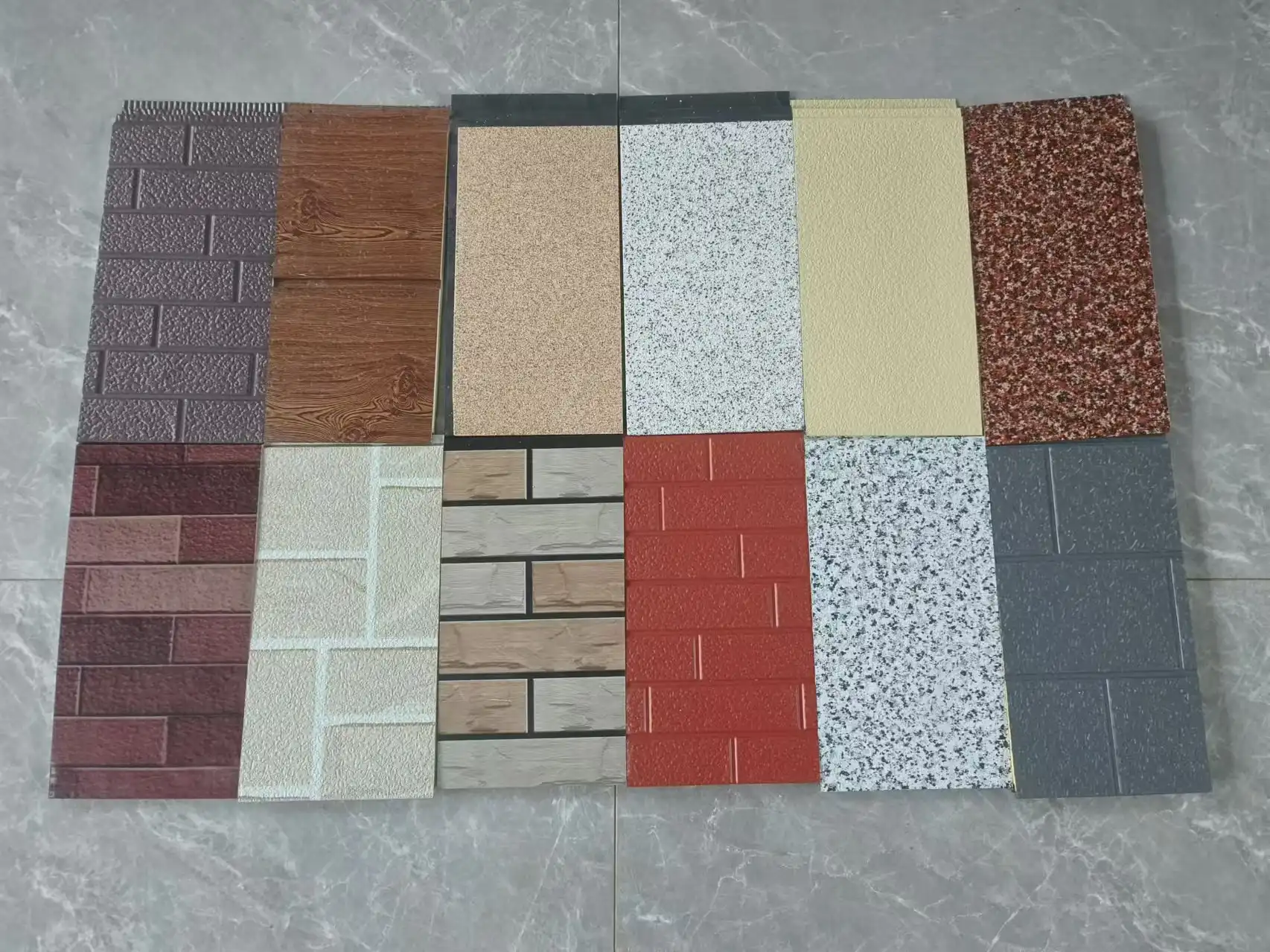
Modern aluminum sandwich panels consist of two precision-engineered aluminum sheets bonded to high-performance core materials including polyurethane, polystyrene, or rock wool insulation. This tri-layer construction delivers remarkable strength-to-weight ratios while providing superior thermal efficiency and sound insulation properties. Panel thickness typically ranges from 20mm to 150mm, with customizable dimensions meeting specific architectural requirements and structural loads.
Core Material Impact on Maintenance Requirements
The insulation core material has a big effect on how to maintain it and how long you should expect it to last. The heat performance and moisture protection of polyurethane cores are excellent, and they don't need much extra care beyond regular cleaning. Polystyrene cores are a cheap way to insulate, but they need to be checked for moisture entry points more often. Rock wool cores have great fire protection and soundproofing qualities, and they keep their shape even when temperatures change a lot.
Environmental Exposure Assessment
Salt spray and humidity make rusting worse in coastal areas, so panels need to be inspected every three months and given special treatments to protect them. Chemical pollution and particle contamination that happen in cities can damage surface layers over time. Panels in industrial buildings may be exposed to certain poisons or high temperatures that need special care methods. When repair teams know about these natural factors, they can make specific routines that deal with the risks of degradation at each place.
Performance Monitoring Systems
By setting standard performance measures, maintenance teams can keep track of the state of panels over time and spot new problems before they get too expensive to fix. Regular thermal imaging scans can find problems with insulation or water getting in that might not be seen during regular eye checks. Monitoring the structure helps find problems like panels moving or fasteners coming loose that could affect how well the building seals or looks.
Common Causes of Aluminum Sandwich Panel Degradation
Aluminum sandwich panel degradation is usually caused by a number of linked issues that get worse over time if nothing is done. Infiltration of moisture is the main threat to long-term performance, since water can weaken the insulating qualities of the core and cause rust in hidden bolts and structural elements. When repair teams understand these ways that panels break down, they can take focused preventative steps that make panels last a lot longer.
Corrosion and Chemical Attack
Aluminum surfaces develop natural oxide layers that provide inherent corrosion resistance, but this protection can be compromised by aggressive environmental conditions or improper maintenance practices. Salt exposure accelerates corrosion processes, particularly at panel joints and fastener locations where protective coatings may be thinner or damaged. Industrial chemicals can attack both aluminum surfaces and core materials, leading to structural weakening and aesthetic deterioration.
UV Radiation and Thermal Cycling
Continuous ultraviolet exposure gradually degrades protective coatings and can cause color fading or chalking on painted surfaces. Thermal cycling creates expansion and contraction stresses that can fatigue fasteners and sealant materials over time. Dark-colored panels experience greater temperature variations that accelerate these thermal stress cycles. Proper coating selection and maintenance helps mitigate UV damage while preserving aesthetic qualities.
Mechanical Damage and Installation Issues
Impacts from maintenance work, tools, or trash can dent walls or damage protection coats, opening up spaces for water and dirt to get in. When you install something incorrectly, like by overtightening the screws or not allowing enough room for thermal expansion, you create stress spots that cause the structure to fail early. Badly applied sealants or materials that don't work well together can cause bonding problems that make weather protection less effective.
Best Practices for Maintaining Aluminum Sandwich Panels
Maintenance plans that work well combine planned preventative actions with quick corrected actions to get the most out of panels and make them last as long as possible. Programs that work well set clear rules for how to clean, check, and fix panels, and they keep thorough records to see how their state changes over time. This organized method helps repair teams make the best use of their resources and make sure that quality standards are always met.
Cleaning Protocols and Material Selection
Regular cleaning removes accumulated contaminants that can promote corrosion or degrade aesthetic appearance. Mild detergent solutions with pH levels between 6 and 8 effectively remove most environmental soiling without damaging aluminum surfaces or protective coatings. High-pressure washing requires careful pressure control to avoid forcing water behind panels or damaging sealant materials.
Here are the essential cleaning guidelines that maintenance teams should implement:
- Frequency scheduling: Establish quarterly cleaning for most environments, with monthly attention for coastal or industrial locations where contamination accumulates rapidly
- Chemical compatibility: Use only manufacturer-approved cleaning agents to prevent coating damage or discoloration that could compromise aesthetic standards
- Equipment selection: Employ soft-bristled brushes and low-pressure washing systems to remove contaminants without scratching aluminum surfaces
- Rinse procedures: Complete thorough rinsing with clean water removes cleaning residues that could attract dirt or promote corrosion over time
These cleaning protocols maintain panel appearance while preventing contaminant buildup that could compromise long-term performance. Regular cleaning also provides opportunities for close visual inspection that can identify emerging maintenance needs before they become significant problems.
Inspection and Documentation Systems
Through thorough review programs, possible problems are found early on, when they are easiest to fix and cost the least. Panel surfaces, joint seals, bolts, and lighting details should all be looked at visually for signs of damage, wear, or breakdown. Standardized reporting forms and digital images help keep records that are uniform and can be used for trend analysis and warranty claims.
Repair and Restoration Techniques
Small scratches on the surface can usually be fixed by doing targeted touch-ups with repair materials that are allowed by the maker. For deeper damage, the defensive qualities and good looks may need to be restored by replacing the panel or having it refinished by a professional. Sealant should be replaced on a regular basis so that weather protection isn't compromised by fails to stick.
 Enhancing Panel Longevity Through Design and Material Choices
Strategic material selection and design optimization significantly impact maintenance requirements and lifecycle costs. Aluminum sandwich panels engineered with advanced coatings and high-performance core materials typically offer superior durability and reduced maintenance demands compared to economy alternatives. Understanding these performance differences helps procurement professionals make informed decisions that optimize total project value.
Coating System Selection
Advanced covering technologies protect better against UV rays, chemicals, and mechanical damage while keeping the color stable and making the item look good. It is very long-lasting and cleans itself, so fluoropolymer coats are great for tough settings where upkeep is needed. When mechanical longevity is important, anodized finishes are the best choice because they are resistant to rust and wear.
Core Material Optimization
Choosing the right core materials based on the needs of the application guarantees the best heat performance while keeping upkeep as simple as possible. Closed-cell polyurethane cores don't let water in and keep temperatures stable for a long time. When it comes to fire protection and soundproofing, rock wool cores are the best. They also keep their structure strong in harsh circumstances.
Custom Engineering Solutions
Customized panel designs solve problems that are unique to the site by using better ventilation systems, better joint details, and unique ways to attach the panels. To meet the specific needs of an application, custom options can include extra protection against weathering, better control of thermal bridges, or better structural performance. Most of the time, these investments in engineering lower long-term upkeep costs while also making operations more reliable.
Troubleshooting and Case Studies: Real-World Maintenance Successes
Getting hands-on experience with difficult setups is a great way to learn how to do repairs correctly and avoid common mistakes. Commercial improvements along the coast have shown that planned rust protection plans can add 40 to 60 percent more life to panels compared to reactive repair methods. When industrial facilities use systematic inspection and cleaning procedures, they report lower emergency repair costs and better physical consistency.
Coastal Environment Solutions
A big hotel building in Florida set up a full care plan that included cleaning every month and applying a protected layer every three months. This proactive method kept up with visual standards and stopped rust damage that had happened to other homes in the area. Compared to reactive methods, the program cut long-term upkeep costs by about 35%.
Industrial Application Strategies
To protect workers from aggressive pollution, factories that use chemical processes need special repair procedures. One pharmaceutical company made their own cleaning routine using allowed liquids and special tools that kept the panels' integrity and met strict standards for contamination control. Regular tracking and quick action stopped the need for expensive panel changes that had happened at other sites with similar problems.
Urban Commercial Success Stories
Air pollution and other urban pollutants can be especially hard on office buildings in cities. A good upkeep plan includes regular cleaning and reapplying protection coatings to keep the building looking professional and ensuring its structural stability. It's clear from these programs that structured methods can work for 25 to 30 years, even in tough urban settings.
Company Introduction and Our Solutions
The world aluminum siding business benefits from Weifang Sandong Building Materials Co., Ltd.'s many years of experience making things and new ideas. High-performance composite panels designed for challenging business, industrial, and domestic uses are part of our wide range of products. We have effective relationships with top companies in the field, such as Baosteel, Akzo Nobel, KCC, and Nippon, to make sure that the materials we use are of the highest quality and that they always work well. Our aluminum composite panels come in common sizes of 1200mm x 2400mm and 1250mm x 2500mm, but you can choose any width between 20mm and 150mm.
Custom sizes are also available to meet the needs of your unique project. Painting, anodizing, and special protective processes made for harsh environments are some of the more advanced finishing choices. Class B1 fire ratings and full approval compliance make sure that all foreign markets follow the rules. Excellent manufacturing and full expert help work together to provide full project solutions. Our experienced engineering team helps projects succeed by giving advice on installation, coordinating designs, and providing samples.
During quality inspections, steel strips, aluminum foil, and polyurethane parts are put through a lot of tests that check their thickness, paint film consistency, mechanical strength, and ability to resist fire. We have reliable transportation networks and helpful customer service teams that help us serve customers in more than 30 countries and areas. Our dedication to constant improvement and technological progress guarantees that our clients get cutting-edge solutions backed by full expert support and reliable project delivery.
Conclusion
Effective maintenance of aluminum sandwich panel systems requires systematic approaches that combine regular cleaning, comprehensive inspections, and prompt corrective actions. Understanding degradation mechanisms and implementing targeted preventive measures significantly extends panel lifecycles while maintaining aesthetic and functional performance standards. Strategic material selection and design optimization further enhance durability while reducing long-term maintenance requirements. Successful maintenance programs demonstrate that proactive care delivers substantial cost savings compared to reactive approaches while preserving the architectural and functional qualities that make these panels valuable building components.
FAQ
How often should aluminum composite panels be cleaned?
Cleaning frequency depends primarily on environmental exposure conditions and aesthetic requirements. Standard commercial installations benefit from quarterly cleaning schedules, while coastal or industrial environments may require monthly attention to prevent contaminant buildup. Regular cleaning maintains appearance while providing inspection opportunities that can identify emerging maintenance needs.
What cleaning agents are safe for aluminum panel surfaces?
Mild detergent solutions with neutral pH levels between 6 and 8 effectively remove most environmental soiling without damaging protective coatings. Avoid abrasive cleaners, strong acids, or alkaline solutions that can compromise surface treatments. Always test cleaning products on inconspicuous areas before full application to ensure compatibility.
When should panels be replaced rather than repaired?
Panel replacement becomes necessary when structural integrity is compromised or when repair costs exceed replacement value. Extensive corrosion, significant impact damage, or core material degradation typically justify replacement decisions. Professional assessment helps determine the most cost-effective approach for addressing panel damage.
How can I identify early signs of panel deterioration?
Regular visual inspections should focus on sealant condition, surface discoloration, fastener corrosion, and any signs of moisture intrusion. Thermal imaging surveys can detect insulation degradation not visible during standard inspections. Documentation of inspection findings helps track condition trends and identify patterns requiring attention.
Contact Weifang Sandong Building Materials for Expert Panel Solutions
Ready to optimize your aluminum sandwich panel maintenance strategy? Weifang Sandong Building Materials Co., Ltd. provides comprehensive technical support and high-quality composite panels designed for superior longevity and reduced maintenance requirements. Our experienced team offers customized solutions, detailed installation guidance, and ongoing technical assistance to ensure optimal project outcomes. Contact our aluminum sandwich panel supplier team at info@sdqsc.com to request samples, technical specifications, and project consultation services that support your procurement objectives.
References
1.Smith, J.A. "Aluminum Composite Panel Performance in Marine Environments: A 20-Year Study." Journal of Building Materials Science, Volume 45, Issue 3, 2023.
2.Chen, L.M. and Rodriguez, P. "Maintenance Protocols for High-Performance Building Cladding Systems." International Construction Materials Review, Volume 12, Issue 7, 2023.
3.Thompson, K.R. "Lifecycle Cost Analysis of Aluminum Sandwich Panel Maintenance Programs." Facilities Management Quarterly, Volume 28, Issue 2, 2023.
4.Williams, D.S. "Corrosion Prevention Strategies for Metal Building Components in Industrial Environments." Materials Protection Engineering, Volume 31, Issue 5, 2023.
5.Johnson, M.P. and Lee, S.H. "Advanced Coating Technologies for Aluminum Building Products." Surface Engineering Journal, Volume 19, Issue 4, 2023.
6.Brown, A.T. "Building Envelope Maintenance Best Practices: A Comprehensive Guide for Facility Managers." Commercial Building Operations, Volume 15, Issue 9, 2023.