- English
- French
- German
- Portuguese
- Spanish
- Russian
- Japanese
- Korean
- Arabic
- Greek
- German
- Turkish
- Italian
- Danish
- Romanian
- Indonesian
- Czech
- Afrikaans
- Swedish
- Polish
- Basque
- Catalan
- Esperanto
- Hindi
- Lao
- Albanian
- Amharic
- Armenian
- Azerbaijani
- Belarusian
- Bengali
- Bosnian
- Bulgarian
- Cebuano
- Chichewa
- Corsican
- Croatian
- Dutch
- Estonian
- Filipino
- Finnish
- Frisian
- Galician
- Georgian
- Gujarati
- Haitian
- Hausa
- Hawaiian
- Hebrew
- Hmong
- Hungarian
- Icelandic
- Igbo
- Javanese
- Kannada
- Kazakh
- Khmer
- Kurdish
- Kyrgyz
- Latin
- Latvian
- Lithuanian
- Luxembou..
- Macedonian
- Malagasy
- Malay
- Malayalam
- Maltese
- Maori
- Marathi
- Mongolian
- Burmese
- Nepali
- Norwegian
- Pashto
- Persian
- Punjabi
- Serbian
- Sesotho
- Sinhala
- Slovak
- Slovenian
- Somali
- Samoan
- Scots Gaelic
- Shona
- Sindhi
- Sundanese
- Swahili
- Tajik
- Tamil
- Telugu
- Thai
- Ukrainian
- Urdu
- Uzbek
- Vietnamese
- Welsh
- Xhosa
- Yiddish
- Yoruba
- Zulu
Fire Resistance of 10 cm Sandwich Panel Wall Systems
For contemporary building projects, fire resistance in 10 cm sandwich panel wall systems is an essential safety factor. Through specialized core materials and engineering design, these cutting-edge construction materials combine outstanding fire protection with structural integrity. Depending on the insulation material used, the 10 cm sandwich panel format maintains high fire resistance ratings from Class A to B while providing the ideal thickness for improved thermal barriers. Architects, builders, and procurement specialists may emphasize performance and safety in commercial, residential, and industrial applications by having a thorough understanding of these fire-resistant qualities.
Introducing Fire Resistance in 10 cm Sandwich Panels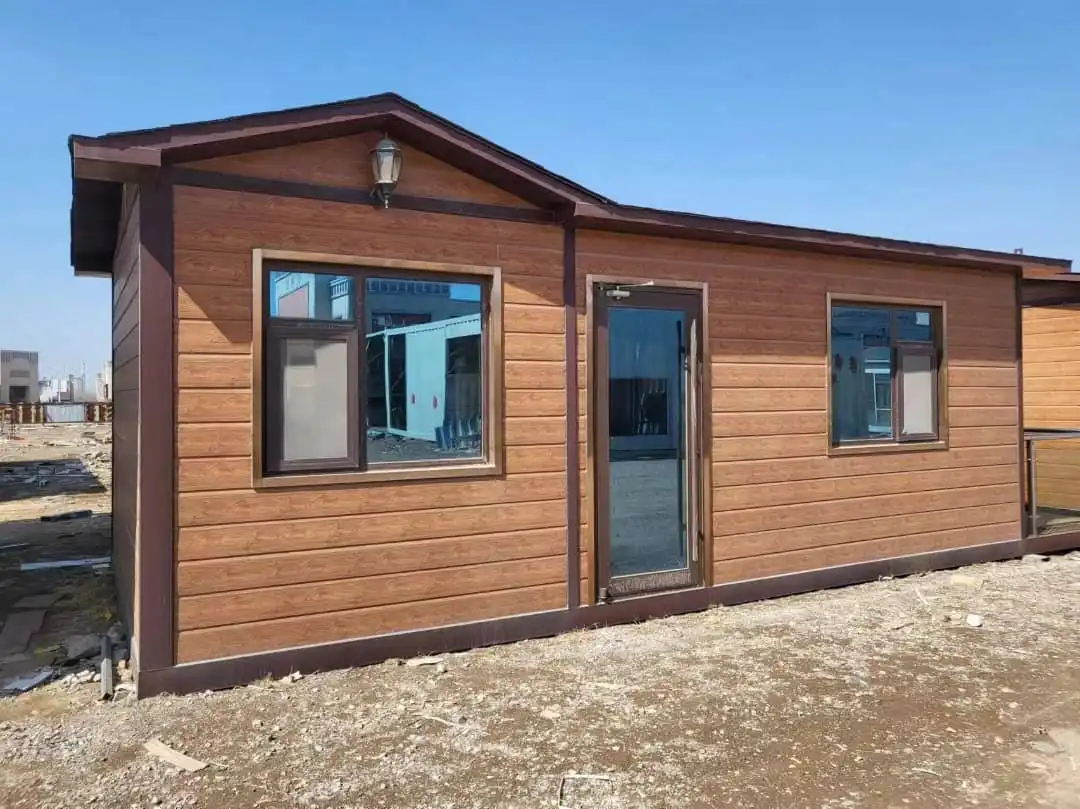
In sandwich panel construction, fire resistance includes a number of interrelated factors that affect overall safety performance. The fire rating method evaluates how well panels resist exposure to heat and flames while preventing the spread of fire throughout a building. While smoke development metrics evaluate the creation of harmful gases during combustion events, flame spread indices show how quickly fire spreads over panel surfaces.
Fire performance qualities are greatly influenced by the core insulating material. With Class A ratings, rock wool cores provide outstanding fire protection and non-flammable qualities that effectively block fires. Expanded polystyrene needs extra fire retardant treatments to fulfill safety regulations, but polyurethane cores provide balanced performance with improved thermal efficiency. Project teams may choose suitable solutions based on particular fire code requirements and financial considerations thanks to these material variants.
International Fire Safety Standards Compliance
Consistent fire safety in worldwide markets is guaranteed by adherence to international standards. While ASTM rules regulate North American applications, European EN standards provide stringent testing procedures for sandwich panel fire resistance. For certain commercial and industrial applications, UL certifications provide further verification, especially in high-risk settings where excellent fire protection is still crucial.
Core Material Fire Performance Analysis
The performance of the system as a whole is affected by the unique fire resistance properties of various core materials. At temperatures beyond 1000°C, rock wool cores retain their structural integrity, offering crucial infrastructure projects outstanding protection. Fire retardant chemicals are included into polyurethane cores to keep them from igniting while preserving their superior insulating qualities. To provide sufficient fire protection, polystyrene cores must be carefully specified, especially in applications that must adhere to strict building requirements.
Comparative Analysis: Fire Resistance of 10 cm Sandwich Panels vs Alternatives
Compared to contemporary sandwich panel technologies, such as 10 cm sandwich panel, traditional building materials have certain drawbacks. Despite their inherent fire resistance, brick walls need extra fireproofing techniques to reach equivalent performance levels since they lack built-in insulating qualities. Although concrete block construction provides superior fire protection, there are issues with thermal efficiency and installation speed that affect project budgets and schedules.
Compared to smaller panel layouts, the 10 cm thickness offers significant benefits. Twelve-centimeter panels provide better protection at higher material prices, whereas eight-centimeter panels may be less fire resistant in harsh environments. For the majority of commercial and industrial applications, this ideal thickness strikes a compromise between fire safety regulations and financial concerns.
Fire Performance by Core Material Comparison
In tests of fire resistance, rock wool cores often perform better than substitute materials. The non-combustible qualities of these mineral-based insulators are maintained at temperature ranges that beyond normal structure fire conditions. The fibrous structure limits the spread of flames through wall assemblies and produces efficient thermal barriers that stop heat transmission.
By using sophisticated chemical compositions, polyurethane cores outperform conventional foam insulators. Reactive fire retardants are included into modern PU cores. These retardants activate when exposed to heat, forming char layers that protect underneath materials. Class B fire ratings are made possible by this technology, which also maintains superior thermal performance for energy-efficient building design.
For situations where fire is a concern, expanded polystyrene cores need to be carefully evaluated. Even though EPS panels are inexpensive and have good insulating qualities, high-risk settings need extra precautions. Acceptable fire resistance ratings for suitable applications may be attained with the use of flame retardant coatings and appropriate installation methods.
Installation Best Practices to Maximize Fire Resistance
The effectiveness of sandwich panel systems' fire resistance is directly impacted by proper installation methods. Accurate panel joint sealing prevents smoke and fire from seeping in and jeopardizing the integrity of the whole system. Throughout the building envelope, fire-rated sealants and gaskets provide continuous barriers that maintain fire resistance ratings.
An essential component of a fire-resistant system is joint treatment. Gaps and penetrations that may enable fire to spread between compartments are filled with specialized fire-stopping materials. When heated, these materials expand, forming strong seals that keep fire barriers intact even under the most severe circumstances. Expert installation crews are aware of how crucial consistent application methods are to achieving peak performance.
Critical Installation Guidelines
To maintain system fire ratings, mechanical fasteners and fire retardant adhesives need to fulfill certain performance requirements. During fire incidents, these specialist parts preserve structural connections while fending off heat deterioration. Adequate load transmission is ensured without sacrificing fire resistant qualities by using the right fastener spacing and penetration depth, particularly in applications like 10 cm sandwich panel, where structural integrity is crucial.
The efficacy of fire safety is greatly impacted by common installation problems. Strategies for compartmentalization are jeopardized when penetrations are not adequately sealed to prevent the spread of smoke and fire. Gaps caused by misaligned panels let heat transmission and flame spread beyond reasonable bounds. Protection that is particularly required by fire regulations is eliminated when fire barriers are not installed at crucial intersections.
Commercial Building Case Study
The significance of careful installation procedures in attaining exceptional fire safety performance was shown by a recent commercial office project. The construction crew installed fire barrier systems and thorough sealing procedures that went above and beyond the requirements of the minimal code. Post-installation testing verified improved fire resistance performance that satisfied insurance standards for lower premium costs while offering building occupants more safety margins.
 Selecting the Right 10 cm Sandwich Panel for Fire Resistant Wall Systems
Panel selection necessitates a thorough assessment of fire safety features in addition to project-specific specifications. Different certification levels are provided by international manufacturers to meet the demands of diverse markets and regulatory frameworks. Procurement teams may define suitable solutions that strike a compromise between budgetary restrictions and safety criteria by being aware of these discrepancies.
Long-term dependability profiles that go beyond initial fire ratings must be taken into account when evaluating performance. High-quality manufacturers provide comprehensive testing records that show reliable performance over long service durations. By lowering maintenance needs and increasing safety margins, this dependability data supports lifetime cost analysis that justifies investment in high-end fire-resistant materials.
Regional Code Compliance Strategies
European markets place more emphasis on thorough fire testing procedures that assess the performance of whole wall systems as opposed to ratings for individual components. Standardized test procedures that allow for direct performance comparisons across various manufacturers and product lines are the main emphasis of North American standards. Comprehending these geographical variations guarantees that suitable solutions are specified for international building projects.
The needs for fire resistance vary depending on the climate. Dry, hot weather increases the danger of fire, which may call for more stringent safety precautions than those required by the code. Without the right material selection and preventative treatments, coastal settings provide extra issues due to salt exposure, which over time may weaken the integrity of the fire barrier.
Cost-Performance Optimization Framework
A methodical assessment of overall ownership expenditures is necessary to balance initial costs against long-term success. Although premium fire-resistant panels are more expensive to buy, they provide better safety margins and lower insurance costs, which over time improve project economics. Making well-informed decisions that put safety and financial performance first is made possible by this analytical paradigm.
Potential savings from less fire damage, cheaper insurance, and increased building value due to better safety measures must all be taken into account when calculating return on investment. In commercial and industrial applications, where fire safety directly affects business continuity and liability risk, these financial advantages often support premium price for high-performance fire-resistant panels.
Company Introduction and Product Overview
Weifang Sandong Building Materials Co., Ltd. offers international markets decades of specialized experience in the production of sophisticated sandwich panels. Our dedication to environmental sustainability, safety, and quality has resulted in solid collaborations with top developers, architects, and contractors in over thirty nations and regions. Because of our vast expertise, we are able to provide complete solutions that satisfy a wide range of project needs while maintaining constant levels of quality.
Our line of fire-resistant 10 cm sandwich panels uses state-of-the-art materials and production techniques that go above and beyond industry norms. Rock wool cores, polyurethane, and polystyrene are among the available insulating materials; their fire ratings range from Class A to B, depending on the needs of the particular application. Steel, aluminum, and stainless steel are among the metal sheet possibilities available, and surface treatments such as coating, painting, and anodizing may be customized.
Technical Specifications and Customization Options
For easier installation and fewer joint requirements, standard panel specifications provide widths between 950 and 1150 millimeters and lengths up to twelve meters. This dimensional versatility reduces waste and installation complexity while providing excellent coverage for a range of building designs. Options for custom sizing take into account certain project needs that are not met by conventional measurements.
Precise aesthetic matching for architectural design needs is made possible by color modification that adheres to the extensive RAL color chart system. With the use of specialist coating processes, this wide color spectrum preserves fire resistant performance while fostering creative design freedom. alternatives for surface patterns provide more visual alternatives that improve a building's beauty without sacrificing safety requirements.
Comprehensive Service Portfolio
In addition to producing products, we can also provide full project assistance throughout the acquisition and installation phases. Logistics for bulk purchases provide dependable supply chains that fulfill rigorous building timelines. Competitive pricing for large-volume purchases is maintained while accommodating a variety of project finance options via flexible payment plans.
Design consulting, installation advice, and thorough documentation are examples of technical support services that help projects run smoothly. In order to improve fire resistant performance while adhering to financial and schedule restrictions, our technical team works in tandem with project stakeholders to optimize panel selection and installation techniques.
Conclusion
With the use of cutting-edge materials and sophisticated design concepts, fire resistance in 10 cm sandwich panel wall systems offers crucial safety protection. For a variety of building applications, the ideal thickness provides excellent fire barriers at a reasonable cost. Making well-informed procurement choices that put safety and performance first requires knowledge of the fundamental material qualities, installation best practices, and selection criteria. Reputable producers such as Weifang Sandong Building Materials provide all-inclusive solutions that blend high-quality materials with knowledgeable technical assistance to guarantee project success in international markets.
FAQ
Q1: How does core material affect fire resistance in sandwich panels?
A: Through intrinsic combustibility properties, the choice of core material directly affects fire resistance performance. Class A fire ratings and non-combustible qualities that preserve integrity at high temperatures are provided by rock wool cores. Fire retardant chemicals that provide protective char barriers upon heat exposure help polyurethane cores get Class B ratings. Although expanded polystyrene has economic benefits for certain applications, it needs further treatments to fulfill fire safety regulations.
Q2: Can 10 cm sandwich panels meet European and North American fire safety standards?
A: In both markets, correctly designed 10 cm sandwich panels readily satisfy strict fire safety regulations. Sandwich panel systems that exhibit sufficient fire resistance via defined testing procedures are recognized by North American ASTM guidelines and European EN standards. Selecting the right core materials, using the right installation methods, and obtaining manufacturer certifications that support performance claims are all necessary for compliance.
Q3: What installation practices are essential for maintaining fire performance?
A: Installing fire barriers at structural connections, choosing and spacing fasteners correctly, and thoroughly sealing joints with fire-rated materials are all crucial installation procedures. By avoiding gaps and misalignments, fire propagation paths that might jeopardize system integrity are avoided. Professional installation teams experienced with fire safety regulations provide optimum performance that fulfills code compliance and insurance requirements.
Partner With Weifang Sandong Building Materials for Superior Fire-Resistant Solutions
Weifang Sandong Building Materials Co., Ltd. stands ready to support your next project with premium 10 cm sandwich panel solutions that excel in fire resistance and overall performance. Our experienced team provides comprehensive consultation services to identify optimal specifications for your unique requirements. Contact our specialists at info@sdqsc.com to discuss custom solutions, technical specifications, and competitive pricing for your fire-resistant wall system needs. As a trusted 10 cm sandwich panel manufacturer, we deliver reliable products and exceptional service that ensure project success.
References
1. International Association of Fire Safety Science. "Fire Resistance Testing Standards for Sandwich Panel Construction Materials." Journal of Fire Safety Engineering, 2023.
2. European Committee for Standardization. "EN 14509:2022 - Self-supporting double skin metal faced insulating panels." Brussels: CEN Publishing, 2022.
3. American Society for Testing and Materials. "ASTM E119-22 Standard Test Methods for Fire Tests of Building Construction and Materials." West Conshohocken: ASTM International, 2022.
4. National Institute of Standards and Technology. "Fire Performance of Insulated Metal Panel Systems in Commercial Construction." NIST Technical Publication 1887, 2021.
5. Fire Safety Engineering Group. "Comparative Analysis of Fire Resistance in Modern Building Materials." International Journal of Structural Fire Engineering, 2023.
6. Building Research Establishment. "Fire Safety Assessment of Sandwich Panel Wall Systems: Performance Criteria and Testing Methodologies." BRE Report BR-534, 2022.