When buying collapsible container homes from Chinese companies, it's important to know how long the lead time is. Production and shipping times are usually between 15 and 45 days, but they can be longer or shorter based on the level of customization needed, the number of orders, and the time of year. These clever foldable container homes give builders and investors a lot of options because they can be set up quickly and meet strict building standards. To meet the deadlines for foreign projects, Chinese companies have simplified their production processes while keeping quality control high throughout all production cycles.
Understanding Production Timelines for Modular Container Solutions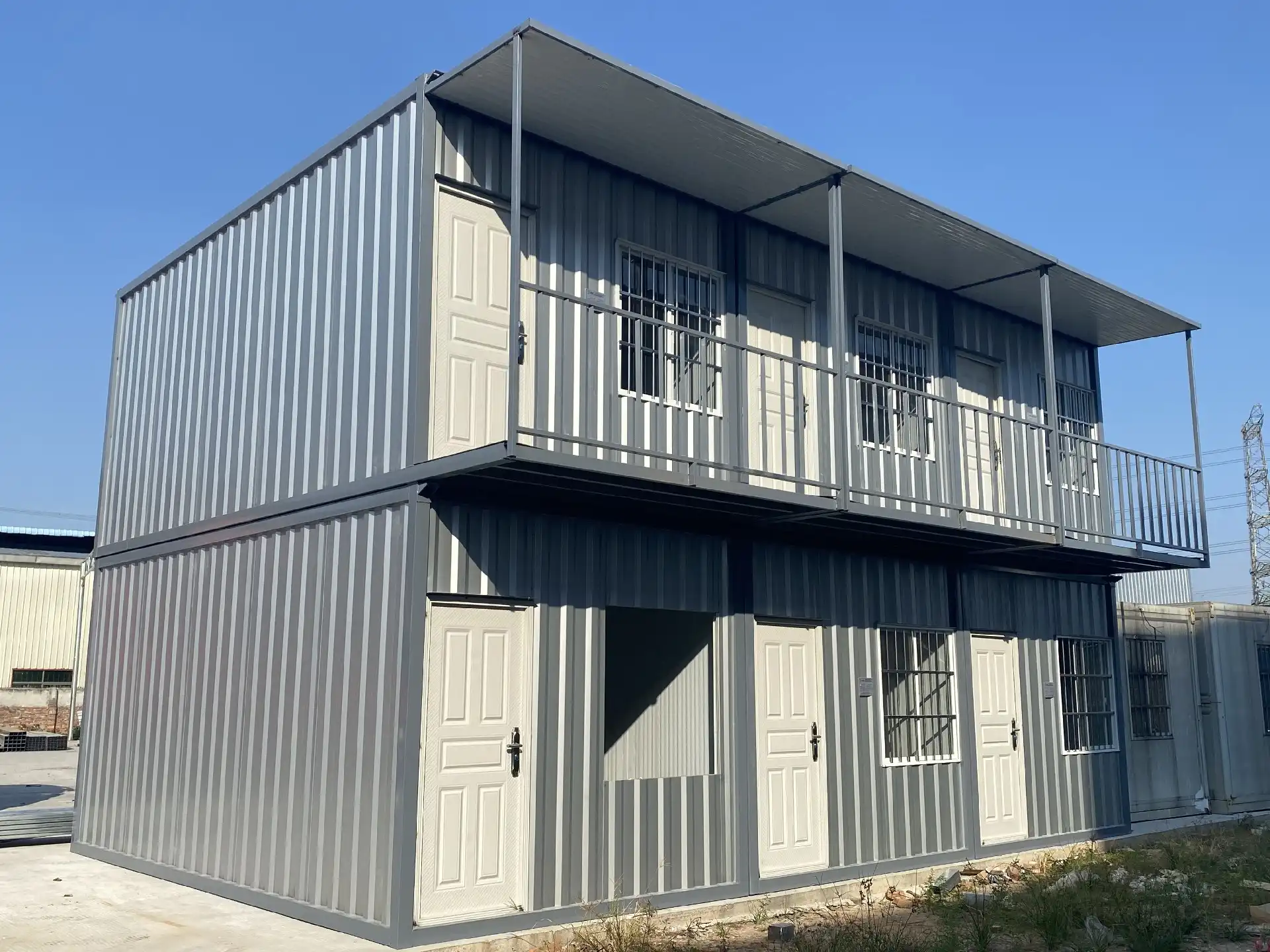
Schedules for making movable container homes are very different depending on the needs of the project and the factory's capacity. Standard units usually take 15 to 20 business days to finish from the time the order is confirmed. Custom plans with special needs for external covering, on the other hand, may make the wait time 30 to 45 days. Chinese companies have put a lot of money into automatic production lines to speed up the process of putting things together.
Modern factories can make several expandingcollapsible container homesat the same time, which cuts down on the time it takes to make each one. During production, quality control checks make sure that every part meets international building standards without delaying deliveries. Seasonal factors also affect how much can be made. During the busy building seasons, from March to October, demand often rises, which could lead to longer lead times of 5 to 10 days. If you plan your purchases for times when demand is low, you can get better prices and delivery times.
Factors Affecting Manufacturing Lead Times
Production plans for folding container homes are affected by a number of factors. The amount of the order is the most important thing to think about. Making more of something takes longer, but it saves money in the long run. Orders for one unit may be finished in two weeks, but orders for more than fifty units usually take four to six weeks. The level of customization has a big effect on timelines. Standard layouts with simple wall covering systems for the outside move quickly through the production process. When projects need custom insulated sandwich wall panels, color schemes, or changes to the building's structure, they take more time and money to engineer and get the materials for.
Consistency in timing is affected by the supply of materials. High-quality parts from well-known sources like Baosteel keep the production flow steady. Weather-resistant outdoor wall materials need to be thoroughly tested before they can be used. This could add an extra 3–5 days to the normal schedule. For shipping containers that can be folded up and stored, the solid parts and folding systems must work together perfectly. Because it's so complicated, it needs careful quality control steps that may add a few days to the production time but guarantee long-term sturdiness and dependability.
Quality Control and Testing Procedures
Comprehensive testing methods keep quality standards high and supply plans on track. Before being approved for shipping, each folded prefab home is checked for structural stability, weather resistance, and safety compliance. Modern testing tools check the strength of the steel frame, how well the insulation works, and how well the outer panels stick to the frame. Usually, these steps take two to three days of the overall work schedule. Accelerated testing methods make short periods of time look like years of exposure to weather. International building rules must be followed, and fire protection testing makes sure of that.
All of the parts of a compact container house must be able to resist fire, from the structure to the finishes inside. Testing labs keep licensing standards that meet the needs of a wide range of markets. Testing for environmental compliance makes sure that materials are safe and sustainable. Modern manufacturing focuses on using eco-friendly production methods while still meeting the high standards of structural performance needed for both industrial and domestic uses.
Shipping and Logistics Considerations
Transportation logistics have a big effect on total project timelines that go beyond the manufacturing phase. The design theory behind easy transport collapsible container homes maximizes shipping efficiency by using foldable configurations that make the best use of cargo space. Depending on the shipping paths and places of arrival, ocean freight usually takes 15 to 35 days. Express shipping choices can cut the time it takes to get to you from one to ten days, but they cost a lot more. Getting there by land can add two to seven days, based on the distance and the state of the roads.
Customs methods are different in each country and can cause delays that were not expected. Getting the right paperwork ready during production speeds up the border procedure. Manufacturers with a lot of experience offer full shipping support, including help with customs paperwork and import compliance. When folded, retractable container homes take up less space in shipping containers, which makes them cheaper to move. This benefit is especially useful for projects that need to be done in rural areas where transportation costs are high.
Seasonal Demand Patterns and Planning Strategies
Throughout the year, demand trends for foldable tiny homes are directly affected by the changes in the construction industry. As building projects speed up in the spring and summer, there are usually more orders. This could make lead times longer during busy times. As plant capacity rises in the winter, there are often chances to speed up production. Planning when to buy things can help you get them on time and take advantage of price changes that happen with the seasons that are good for big projects.
Production plans are affected by holidays, especially Chinese New Year events, which can stop work for 7–15 days. Planning around these times keeps the project moving forward and stops delays that were not planned. Manufacturers of foldable modular housing often give priority booking to clients they have worked with before and will work with again. Long-term relationships make it easier to plan for capacity and give special attention during times of high demand.
Communication and Project Management
Good communication routes make it easier to coordinate production and reduce the risk of missing deadlines. Manufacturers with a lot of experience give specialized project managers who keep everyone up to date throughout the manufacturing cycle. Digital tracking systems let you keep an eye on production in real time, from the time an order is confirmed until it leaves for shipping. These tools make things clear, which helps workers organize preparation work on-site with transport times. Technical help during production makes sure that the design specs match the needs of the project. Architects and designers work with engineering teams to solve problems before they affect production schedules. Clear design paperwork is helpful for portable prefab container projects because it keeps production from being held up by confusing requirements or last-minute changes.
Emergency and Rapid Deployment Solutions
For emergencies or urgent living needs, some programs need faster delivery plans. When made from pre-engineered parts, collapsible container homes and collapsible emergency shelter configurations can usually be finished in 10 to 15 days, allowing rapid deployment without compromising basic safety or functionality. Expedited production services cost more, but they can be used quickly for things like crisis aid, temporary housing for workers, or urgent business space needs. These services keep quality standards high while shortening the time it normally takes to make something.
Some makers can keep units that are ready to ship in standard setups by using strategic inventory management. This method allows for instant delivery for pressing needs while special orders go through the normal production processes. When designing folding containers for emergency use, the focus is on making the building process as easy as possible so that teams without special skills can do it quickly after arrival.
Cost Optimization Through Timeline Management
Costs can be kept as low as possible by making smart time decisions based on output plans. Placing an order early, when demand is low, can often get you better prices and give you enough time to plan your project. Shipping costs are lowered when you buy in bulk, and the manufacturing costs go down as well. When building multiple collapsible mobile homes, it's best to plan the production schedule so that the factory works as efficiently as possible. Phased building projects can be accommodated by flexible supply schedules that keep costs low. Manufacturers can time orders with the progress of building to cut down on the amount of storage space needed on-site and the costs that come with it. Long-term relationship deals help developers who are working on housing projects or plans to grow their businesses by giving them stable prices and priority scheduling.
Conclusion
Successful collapsible container homes procurement requires understanding the various factors that influence manufacturing lead times. Chinese manufacturers offer competitive production schedules ranging from 15-45 days, depending on customization complexity and order volume. Quality control procedures, seasonal demand patterns, and shipping logistics all contribute to overall project timelines. Strategic planning around these variables enables contractors and developers to optimize costs while ensuring reliable delivery schedules. Partnership with experienced manufacturers provides the communication, technical support, and production capacity necessary for successful project completion within required timeframes.
Partner with Weifang Sandong Building Materials for Reliable Container Home Solutions
Weifang Sandong Building Materials Co., Ltd. is a reliable company that makes collapsible container homes and has a history of meeting deadlines for high-quality modular housing options. Our modern production facilities and skilled engineering teams make sure that wait times are always the same and that our construction standards are the highest and meet all international building codes. Our full range of services includes carefully planning your schedule, keeping you up to date on progress regularly, and coordinating deliveries in a way that fits the needs of your project. We have successfully worked on projects in over 30 countries, so we know how important it is to have accurate schedules for big building and growth projects.
The business has smart relationships with high-quality material sources like Baosteel and Akzo Nobel. This makes sure that parts are always available, which keeps production from being held up. Our quality control systems and testing methods keep things running smoothly while ensuring the performance of our weather-resistant outer siding and the structural stability of the building. Ready to discuss your foldable container units requirements and timeline needs? Contact our project management team to explore customized solutions that meet your specific delivery schedule. Reach out to us at info@sdqsc.com and discover how our streamlined manufacturing processes can support your next construction project.
References
1.International Building Code Standards for Modular Container Construction, Building Safety Institute, 2023
2.Manufacturing Efficiency in Prefabricated Housing Production, Industrial Engineering Quarterly, Volume 45, Issue 3, 2023
3.Global Supply Chain Management for Construction Materials, Construction Industry Research Foundation, 2023
4.Quality Control Protocols in Modular Housing Manufacturing, Journal of Construction Technology, Issue 78, 2023
5.Shipping and Logistics Optimization for Building Materials, International Trade and Transportation Review, 2023
6.Seasonal Demand Analysis in Construction Industry Procurement, Construction Economics Quarterly, Volume 29, Number 2, 2023