Foldable container homes are the most modern way to meet the world's emergency living needs. They can be set up quickly and last a long time if disaster hits. These innovative movable structures are both portable and useful, giving homeless people instant protection that meets international building standards. As climate change gets worse, natural disasters and humanitarian crises get worse around the world. As a result, collapsible shipping container homes have become the best choice for relief groups, government agencies, and emergency response teams looking for quick and easy ways to house people.
Why Foldable Container Architecture Dominates Emergency Response?
Over the past ten years, people's needs for emergency housing have changed a lot. Most of the time, traditional tents and other portable buildings are not good enough to keep you safe in bad weather. Foldable prefab containers get around these problems by providing waterproof, physically sound homes that can handle harsh conditions. Unlike most emergency centers, these movable container homes give relocated families privacy and comfort while still meeting the strict safety standards needed for temporary housing projects.
The global market for emergency housing hit $18.7 billion in 2023, and folding container options are gaining market share because they work better. According to relief groups, these buildings can be set up 40% faster than standard temporary housing ways. This makes them very useful during critical reaction times.
Essential Selection Criteria for Emergency Housing Containers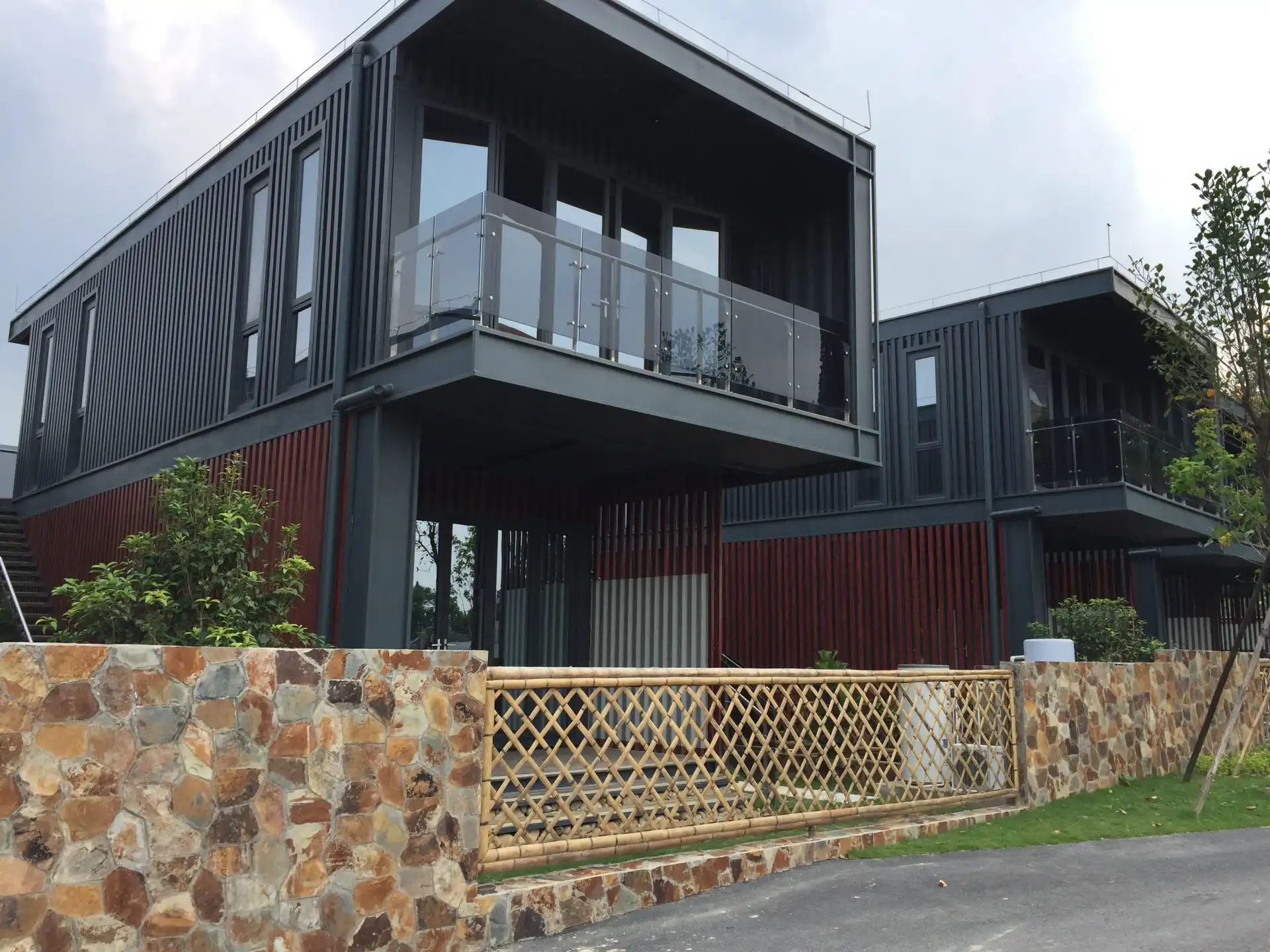
Choosing the right foldable container homes for emergencies means carefully looking at a lot of different factors. The most important thing to think about is deployment speed, because first rescuers need housing options that can be used within hours of arriving. Integrity of the structure is also very important, especially in disaster areas where buildings need to be able to resist earthquakes, high winds, or floods. When choosing containers, weather protection is very important. Emergency housing needs to work well in a wide range of climates, from warm areas that are prone to storms to cold high areas that get a lot of snow.
Following fire safety rules protects people and meets international standards for emergency homes that are required by aid groups. Cost-effectiveness plays a big role in buying choices. Usually, emergency reaction funds are limited, so options need to find a way to match efficiency with cost. Transportation efficiency affects the total cost of a project because small, light designs save money on shipping costs and make it possible to use them in faraway areas.
Leading Expandable Container House Models
Quick-Deploy Emergency Pod Series
The Quick-Deploy Emergency Pod is the best folding tiny home ever made, and it was made to be used quickly in an emergency. This model can be easily unfolded from the shape of a normal shipping container into a 320-square-foot living place in just 15 minutes. The building is made of galvanized steel frame and polyurethane insulated sandwich wall panels, which make it better at keeping heat in during harsh weather. Some important specs are that it can withstand winds of up to 120 mph, 40 PSF of snow, and a Class A fire proof grade.
The built-in electricity system includes LED lights, air fans, and charging spots for electronics that can be driven by solar panels or outside sources. Some of the features inside are fold-down sleeping areas for four people, simple toilets, and temperature control systems. This style is especially good for emergency activation because it makes transportation more efficient. Three units can fit inside a single shipping container, which makes transporting them 65% cheaper than with regular emergency housing.
The aluminum and steel construction is very light—each unit weighs only 3,200 pounds when folded—so it can be sent by chopper to disaster zones that are hard to get to. Recent deployments in hurricane-prone areas of the Caribbean showed that the units were very durable; they kept their structural integrity through Category 3 hurricanes. The flexible design lets different parts connect to make bigger rooms for families or public areas when needed.
Modular Foldable Homes Humanitarian Series
The Humanitarian Series is about families who have to stay in one place for a long time after being forced to move. These foldable container homes can be folded up and expanded to cover 480 square feet, making them comfortable for families with up to six people. Better insulation, bigger windows for natural light, and better air systems are all part of the new design. High-quality steel frame and composite wall panels with R-15 insulation values are used in the construction. Interior walls make different bed places, giving families space during stressed times of moving.
There is storage room, water connection points, and electricity plugs for small tools in the built-in cooking area. This type is different from regular emergency living because it is more environmentally friendly. Adding solar panels gives you power when you're not connected to the grid, and rainwater collection systems let you get water from the rain.
Waste management links can work with both water systems and portable toilets, so they can be used in a variety of situations. The idea worked as planned when it was tested in refugee camps on three countries. Compared to standard refugee housing, 78% of residents were satisfied, listing better comfort, privacy, and weather protection as the main benefits. The buildings can be lived in for 10 years or more with little upkeep, which is great for charitable groups in the long run.
Rapid Response Shelter Units
For instant disaster reaction, Rapid reaction Shelter Units focus on being able to be set up as quickly as possible. With the help of gas systems, these folding container shelters can be set up in less than 10 minutes, giving 100 or more people a place to stay within the first hour of arriving. The simple design focuses on basic safety while keeping the structure strong. Each unit has an enclosed area of 240 square feet and an 8-foot roof, so it can be used for emergency bed plans for more than one person.
As the needs of an emergency change, modular wall systems can be changed into hospital facilities, delivery centers, or command points. Structures are held in place by different types of foundations, such as concrete pads and ground posts, using built-in hold points. The units are made with military-grade fabric and polymer walls that are made to withstand tough conditions. Weatherproof sealing stops water from getting in, and ventilation systems keep the air clean in busy places.
Emergency lighting runs on batteries that can be charged by the sun, so it can be used 24 hours a day. Because they can be sent to a lot of places at once, these units are perfect for disasters that touch a lot of people. Standard designs of container ships can carry 200 units, giving relocated people instant housing. Setting up doesn't take much training, so volunteer teams can quickly set up housing during hectic emergencies.
Global Market Dynamics and Regulatory Framework
Different countries have very different rules about emergency living, which affects how containers are designed and how they are put together. European Union standards put a lot of weight on fire safety and accessibility. For example, public emergency housing must have automatic water systems and be set up so that wheelchairs can get in and out of the building. Because of these requirements, makers are forced to come up with new ways to make folding containers safer.
Because of how often earthquakes happen in the Pacific Ring of Fire, Asian markets put a high value on seismic protection. Japanese emergency housing standards require base separation systems and flexible joint connections that keep the structure from falling apart when the ground moves. These standards affect the designs of containers around the world because makers want all of the major markets to be able to comply with them. North American laws focus on protecting people from severe weather, especially hurricanes and tornadoes.
According to FEMA standards, emergency housing used in areas that are prone to hurricanes must have wind resistance rates above 150 mph. Canadian standards add requirements for performance in cold weather, making sure that the product works at temperatures below -40°F. New markets in Africa and South America offer great chances forfoldable container homes options. Because there isn't a lot of infrastructure in these areas, self-sufficient designs that combine water and power systems work best. Cultural tastes affect how rooms are laid out, and housing that can accommodate more than one generation is becoming more common.
 Strategic Procurement Recommendations
To successfully get emergency housing, you need to do a lot of planning that goes beyond just deciding to buy something. Setting up relationships with suppliers before an emergency happens lets you respond more quickly when one does happen. Putting goods in key places ahead of time cuts down on rollout delays, but the benefits of faster reaction times must be weighed against the costs of storage. Standardization among emergency reaction groups makes them more efficient and cuts down on the need for training.
Adopting standard container specs makes it easier for repair workers to do their jobs and lets agencies share resources. When you make bulk purchases with well-known makers, you save money and make sure you have supplies during times of high demand. The ability to provide technical help should play a big role in choosing a seller. Emergency operations often happen in tough places where installation skills are very important. In addition to supplying products, suppliers who give on-site expert support, training programs, and extra parts available add value.
Lifecycle cost study shows how investments in foldable container homes really affect the economy. Initial buy prices range from one seller to the next, but the total cost of ownership is mostly determined by things like longevity, upkeep needs, and the ability to resell the item. Even though it costs more up front, high-quality folding container design often offers better long-term value.
Conclusion
The business for foldable container homes is still changing quickly, thanks to more natural disasters and more refugees around the world. IoT monitors allow for online tracking of building stability, weather conditions, and usage levels. Smart technology merging is the next big thing. Adopting sustainable materials has a positive effect on the earth and makes it easier to recycle. With these new ideas, folding container design is set to become the standard for emergency living in a wide range of markets and situations around the world.
FAQ
How quickly can foldable container homes be deployed in emergencies?
Most modern foldable container units can be fully deployed and operational within 15-30 minutes using minimal tools and labor. Advanced models with pneumatic systems can be set up in under 10 minutes, making them ideal for immediate emergency response scenarios.
What weather conditions can these emergency housing units withstand?
Quality foldable container homes are engineered to withstand wind speeds up to 150 mph, snow loads of 40+ PSF, and temperature extremes from -40°F to 120°F. Fire-resistant materials and weatherproof sealing ensure occupant safety in diverse climate conditions.
How many people can be accommodated in a standard foldable container home?
Capacity varies by model and configuration. Basic emergency units accommodate 2-4 people, while larger humanitarian models can house families of 6+ members. Units can be connected to create expanded living spaces for larger groups or community facilities.
Partner with Sandong Building Materials for Emergency Housing Excellence
Weifang Sandong Building Materials Co., Ltd. has the best folding container options in the business and is ready to help you get emergency housing. Our wide range of products includes container houses that can be expanded, protected sandwich wall panels, and full housing systems made just for emergencies. We know the unique problems that emergency housing buying teams face because we've worked with customers in more than 30 countries. Our advanced manufacturing skills allow us to quickly increase production during times of disaster or when demand goes up without warning.
Quality control methods make sure that all units work at the same level, and our expert support team helps with deployments all over the world. As a well-known company that makes foldable container homes, we keep our supplies in key places so that we can act quickly in case of an emergency. Ready to enhance your emergency response capabilities with proven foldable container housing solutions? Contact our emergency housing specialists today to discuss your specific requirements and explore our comprehensive product offerings. Reach out to us at info@sdqsc.com to begin planning your next emergency housing procurement initiative.
References
1.United Nations High Commissioner for Refugees. "Global Trends in Emergency Shelter Solutions: Annual Report 2023." UNHCR Emergency Shelter Division, Geneva, 2023.
2.International Federation of Red Cross and Red Crescent Societies. "Standards for Rapid Deployment Emergency Housing Systems." IFRC Disaster Response Guidelines, 4th Edition, 2023.
3.World Bank Group. "Economic Analysis of Modular Housing Solutions in Post-Disaster Recovery." Infrastructure Development Report, Washington D.C., 2023.
4.Federal Emergency Management Agency. "Technical Specifications for Hurricane-Resistant Emergency Housing." FEMA Building Standards Publication 361, Updated 2023.
5.European Committee for Standardization. "Fire Safety Requirements for Temporary Emergency Accommodation Structures." EN 15512:2023 Standard, Brussels, 2023.
6.Asian Development Bank. "Seismic Performance Guidelines for Portable Emergency Housing Systems." ADB Technical Assistance Report, Manila, 2023.